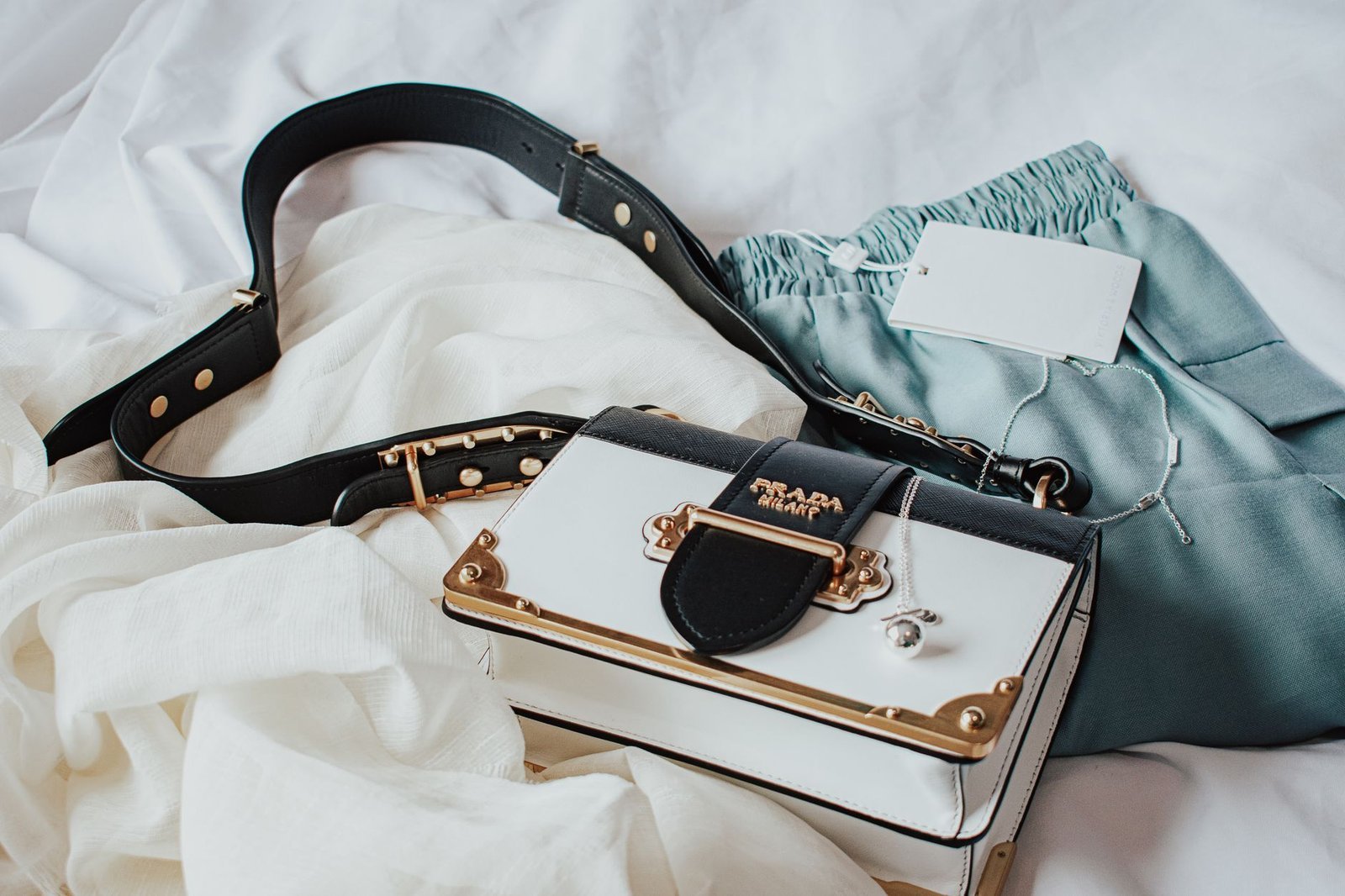
Luxury leather goods represent significant personal investments, often costing thousands of dollars and taking weeks of handcrafting to produce. A fine leather bag can endure for decades, but animal skins react continuously to air, humidity, skin oils, and everyday friction. Preserving luxury hides requires specific, disciplined habits rather than casual household remedies.
Different luxury fashion houses treat and finish their hides differently. An aniline box calfskin bag requires distinct attention compared to coated canvas or textured saffiano calfskin. Learning the precise methods approved by premier leather ateliers prevents irreversible surface damage, maintains natural silhouettes, and safeguards resale value.
Daily Cleaning Habits After Every Wear
Dirt, airborne dust, and human perspiration degrade leather finishes if allowed to settle into the grain. The primary rule of designer leather bag maintenance is establishing a gentle routine every time an item returns home.
According to official guidance from the Gucci handbag care guide, owners should gently wipe down a handbag with a soft, dry cloth after each use. This simple habit clears surface particulate matter before it binds with ambient moisture. Microfiber or fine cotton cloths work best because they gather micro-debris without scratching smooth finishes.
Never use standard commercial wet wipes, baby wipes, alcohol wipes, or household cleaning sprays. Most commercial consumer wipes contain alcohol, fragrances, and mild detergents that dissolve natural tannins and protective waxes. Stripping these top layers leaves leather brittle, pale, and susceptible to cracking. A dry, lint-free wipe remains the safest daily cleaning method.
Managing Water Exposure, Heat, and Direct Sunlight
Moisture and intense temperature fluctuations pose ongoing hazards to organic leather hides. Water causes collagen fibers inside animal hides to swell, stiffen, and shrink unevenly as they dry, leading to puckering and water rings.
Official documentation published in the Hermès leather care instructions stresses keeping fine leather away from direct water contact, high heat, sustained sunlight, and excess humidity. Unfiltered sunlight bleaches vegetable-tanned hides and dries out delicate skins, while high humidity encourages mold spores to settle within porous finishes.
If a bag gets caught in rain, act immediately:
- Blot the moisture away using a clean, light-colored, absorbent, lint-free cloth.
- Avoid rubbing or scrubbing, which pushes water deeper into open pores.
- Keep the leather flat or upright in a well-ventilated room at normal ambient temperature.
- Keep the bag far from heat sources like radiators, hair dryers, or direct sunny windows.
The Louis Vuitton leather product care manual warns explicitly that heat accelerates surface warping and dries out the leather’s natural oils. Natural air circulation remains the only safe way to dry wet luxury goods.
Avoiding Risky Home Cleaners and Conditioning Products
Many owners attempt to revive dry leather using popular retail products like saddle soaps, shoe polish, petroleum jelly, or mink oil. Applying these heavy compounds to delicate designer accessories frequently causes permanent staining, clogged pores, and structural breakdown.
Ateliers create unique tanning solutions and top-coat treatments for their bags. A heavy wax or oil that suits thick work boots will suffocate soft lambskin or untreated vachetta leather. Louis Vuitton explicitly advises against applying generic cleaners, mink oil, or traditional saddle soap to its luxury leather lines. Similarly, Hermès cautions that commercial treatments can ruin the proprietary finishes of their leathers.
Unless a fashion house specifically manufactures or endorses a targeted lotion for your bag’s exact leather grain, avoid applying over-the-counter conditioning creams. When hides feel excessively dry or look dull, scheduling an appointment with an authorized brand artisan prevents irreversible discoloration.
Preventing Color Transfer and Chemical Stains
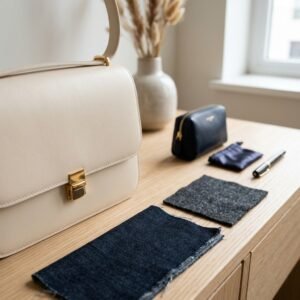
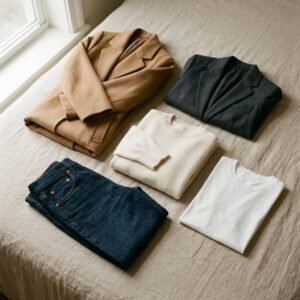
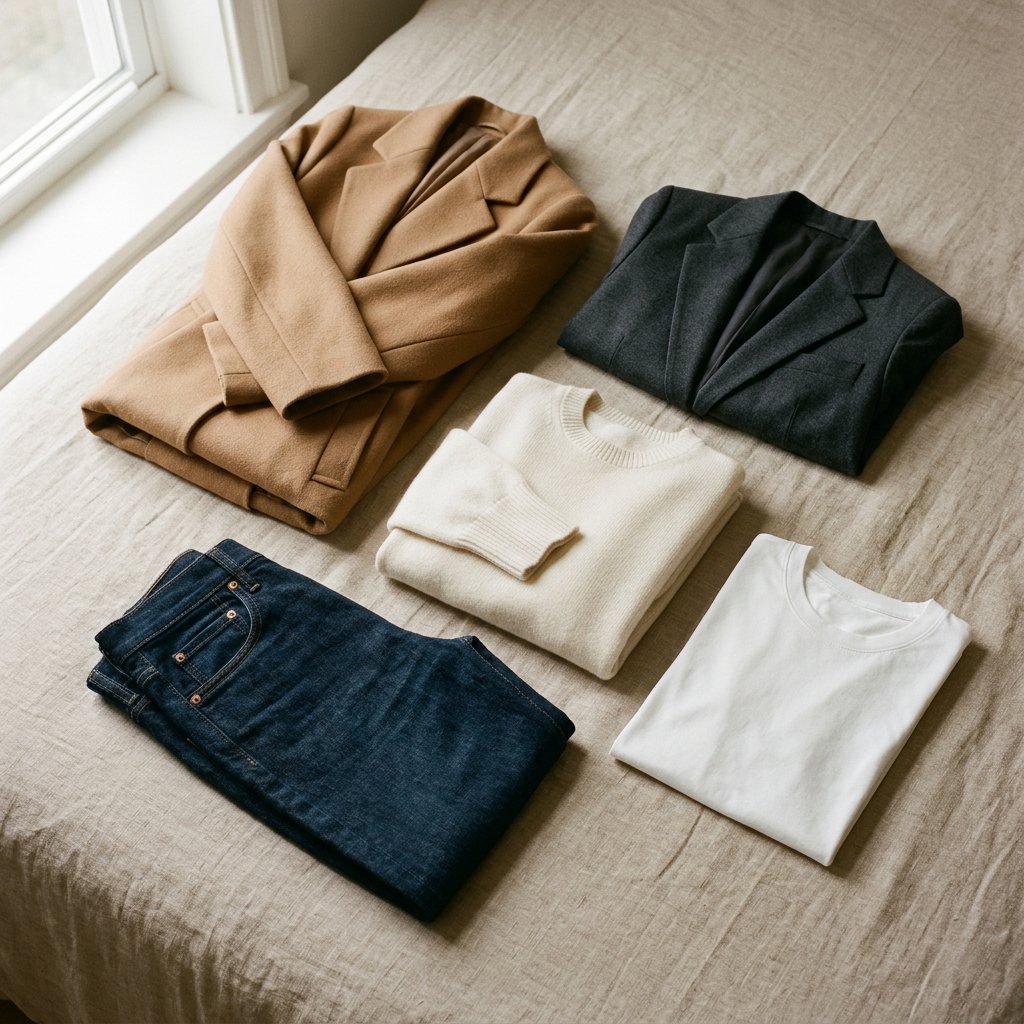
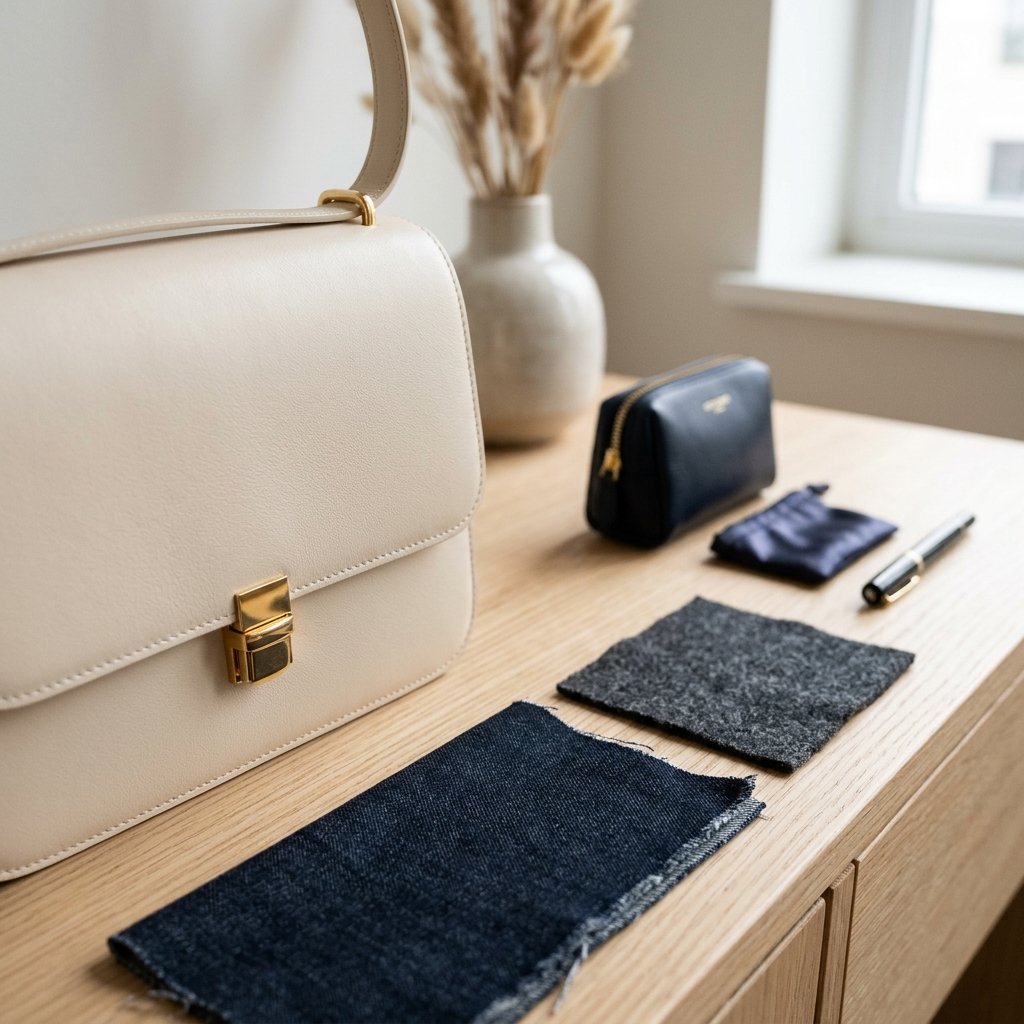
Color migration occurs when dyes from darker materials transfer onto lighter, porous surfaces. Raw denim jeans, dark wool coats, and saturated synthetic textiles frequently shed unbound pigment onto pale leather bags carried against the hip.
The artisans at Hermès warn that direct contact with dark textiles, ballpoint ink, perfumes, cosmetic creams, and oily hands can leave permanent marks on sensitive leathers. Vachetta leather, natural box calf, and pale epsom hides absorb foreign liquids instantly.
To safeguard leather from accidental transfer:
- Avoid carrying pastel or white shoulder bags against unwashed dark raw denim or dark suede jackets.
- Store makeup, lip balms, pens, and liquid hand sanitizers inside secure, separate zippered pouches inside your tote.
- Apply hand lotions and perfumes well before picking up your bag, allowing your skin to dry completely.
- Avoid resting bags on untreated wooden benches, dirty counters, or public floors.
Chemical solvents and alcohol found in perfumes and sanitizers break down clear sealant coats instantly, leaving chalky white stains that cannot be wiped away.
Proper Storage and Shape Maintenance
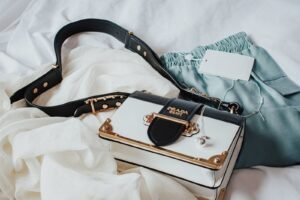
When luxury bags sit unused in closets, gravity and inadequate storage can bend structural panels, crease leather gussets, and tarnish metallic hardware.
Both Hermès and Louis Vuitton emphasize the importance of stuffing handbags to preserve their designed silhouette. When bags sit empty, soft leathers collapse inward, creating creases that eventually split. Fill the interior cavity with acid-free tissue paper, custom felt pillows, or bubble wrap. Never use printed newsprint, as wet or dry ink transfers directly onto fabric linings and interior leather pockets.
Do not overstuff bags. Forcing too much stuffing into an interior stretches the hide, stresses stitching, and expands exterior seams. Once you fill the interior comfortably, zip or clasp the closures to keep tension balanced across the frame.
Store each piece inside a breathable fabric dust cover. Gucci recommends storing handbags inside the flannel dust bag provided at purchase, while Prada advises choosing a cool, well-ventilated location free from humidity. Never store luxury leather goods inside sealed plastic bins or vacuum bags. Plastic traps moisture, creating an environment where leather sweats, degrades, and breeds mildew.
Managing Friction, Corner Wear, and Natural Patina
Leather naturally displays signs of use over time. High-contact zones, such as bottom corners, handle grips, and edge paint, endure constant friction.
Louis Vuitton notes that continuous friction against coarse surfaces rubs away surface pigmentation along edges and corners. When walking through crowded areas or setting a bag down, check the surface texture to minimize rough contact. If a bag features metal bottom feet, set it down squarely so the leather base does not drag along tables.
At the same time, accept that certain leathers evolve naturally through normal use. Untreated leathers, such as raw vachetta calfskin, darken from pale beige to a rich honey amber as they absorb sunlight and clean skin oils. Hermès and Louis Vuitton recognize this mellowing and patina as an authentic characteristic of fine, living hides. Natural softening reflects normal life without indicating leather degradation.
When to Seek Professional Brand Restoration
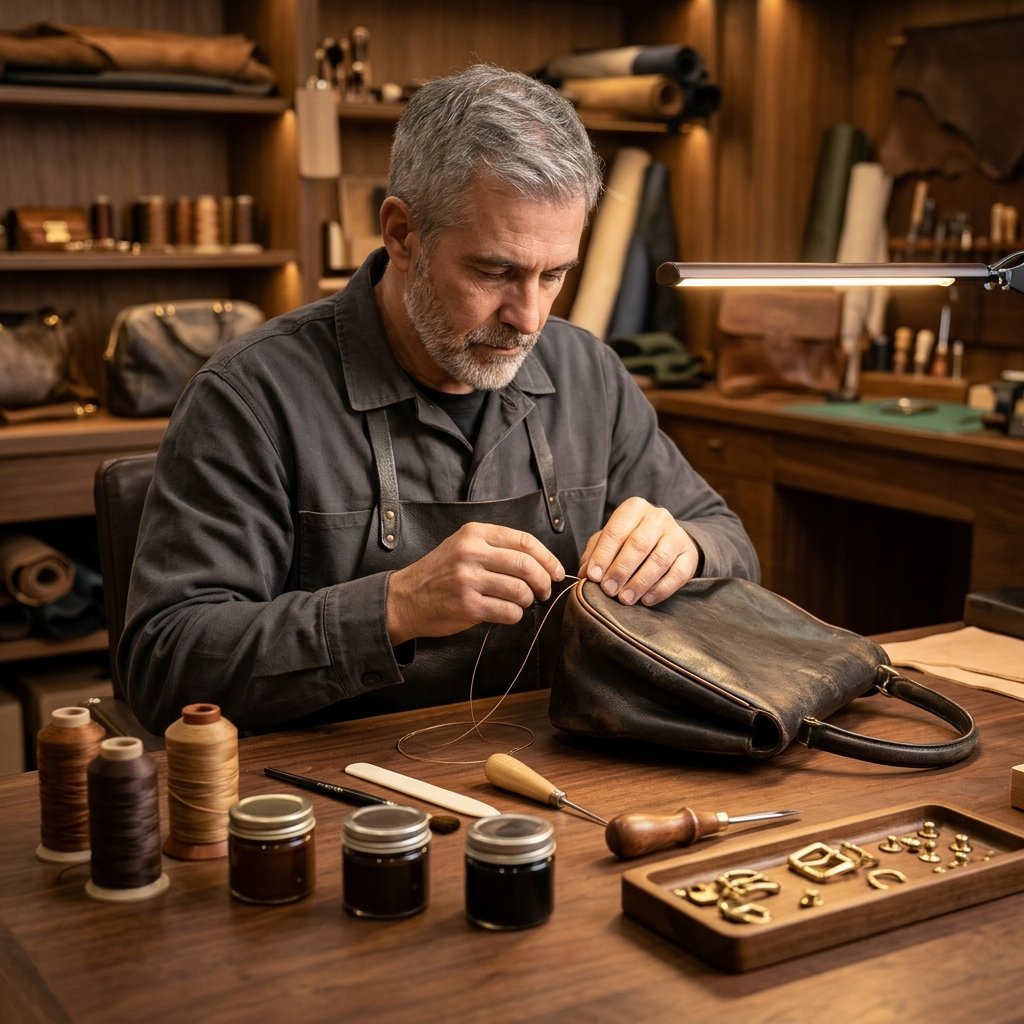
Independent home repairs frequently cause more harm than good. When dealing with deep scratches, ink stains, torn piping, or cracked edge coat lacquer, contact the original design house rather than attempting a home remedy or going to an unvetted local cobbler.
Prada advises clients to reach out directly to Client Service for repairs, noting that unauthorized third-party interventions can compromise the house’s ability to service the item in the future. Brands keep exact matching hides, original thread gauges, authentic hardware, and proprietary edge sealants at their dedicated repair ateliers. While authorized spa services require patience, they keep your designer handbag authentic, functional, and valuable for future generations.
Summary of Core Leather Care Rules
- Wipe leather surfaces gently with a soft, dry cotton cloth after each use.
- Blot liquid spills instantly using a light-colored, lint-free cloth without rubbing.
- Keep bags stored away from artificial heat sources, damp basements, and sunny shelves.
- Never use saddle soap, mink oil, solvents, or baby wipes on delicate fashion hides.
- Use acid-free tissue paper or custom cushions to retain the bag’s intended shape.
- Keep bags stored inside breathable textile dust bags rather than airtight plastic containers.
- Consult official brand client services before permitting third parties to alter or repair leather.
Frequently Asked Questions
How do you store a designer bag to maintain its shape?
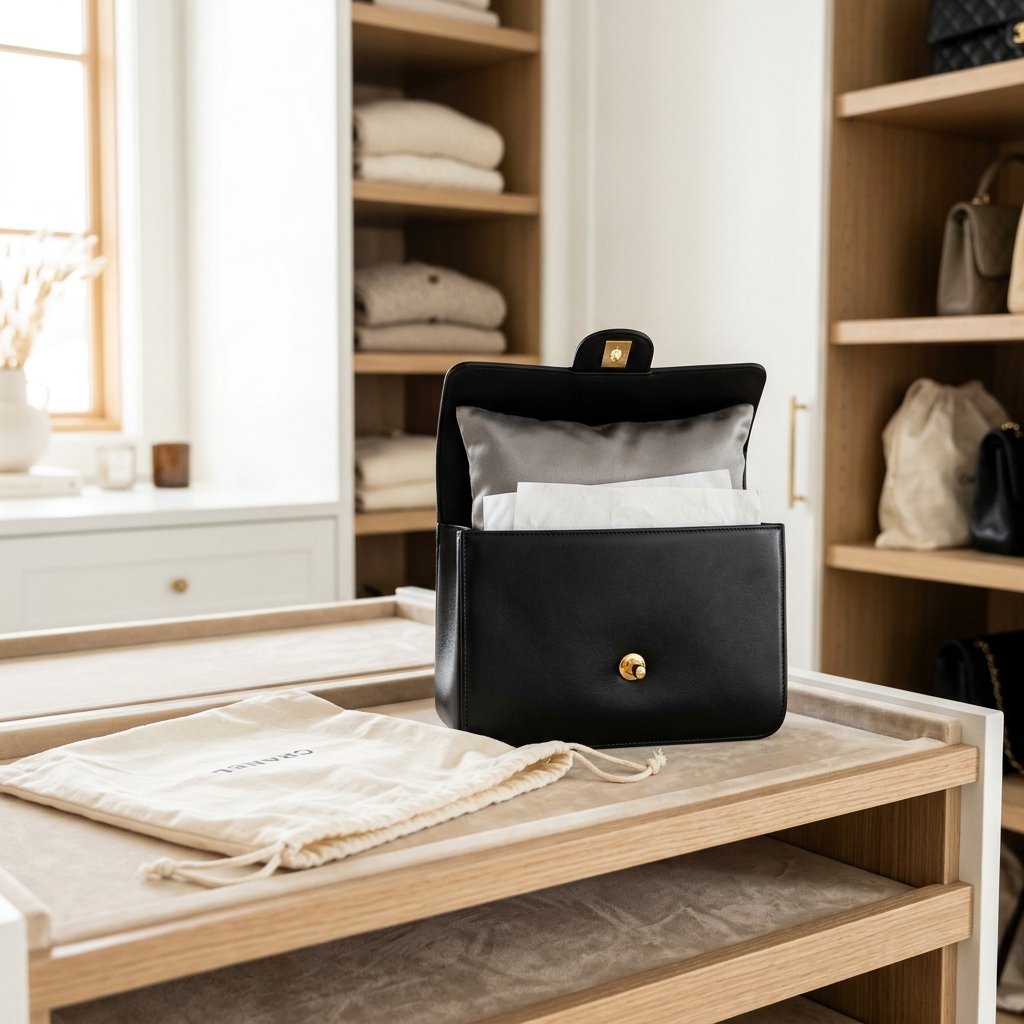
To maintain the shape of a designer bag, stuff the interior with acid-free tissue paper, clean bubble wrap, or custom purse pillows. Avoid overfilling, which strains seams, and avoid underfilling, which allows hides to collapse and crease. Fasten all zippers, clasps, or flap locks, and stand the bag upright inside its original breathable dust bag.
Can you use baby wipes or household sanitizers on luxury leather?
No, never use baby wipes, alcohol sanitizers, or household cleaners on luxury leather bags. These wipes contain chemicals, alcohol, and synthetic perfumes that strip away protective waxes and natural oils. This chemical exposure dries out the leather, creates cloudy spots, causes color peeling, and leads to premature cracking.
What should you do if your designer leather bag gets caught in the rain?
If your bag gets wet, blot the moisture right away with a clean, light-colored, absorbent, lint-free cloth. Do not rub the surface, as friction can force water deep into the hide’s pores. Allow the handbag to dry naturally at room temperature in a well-ventilated spot, keeping it far away from blow dryers, radiators, or direct sunlight.
How do you prevent color transfer on light-colored leather bags?
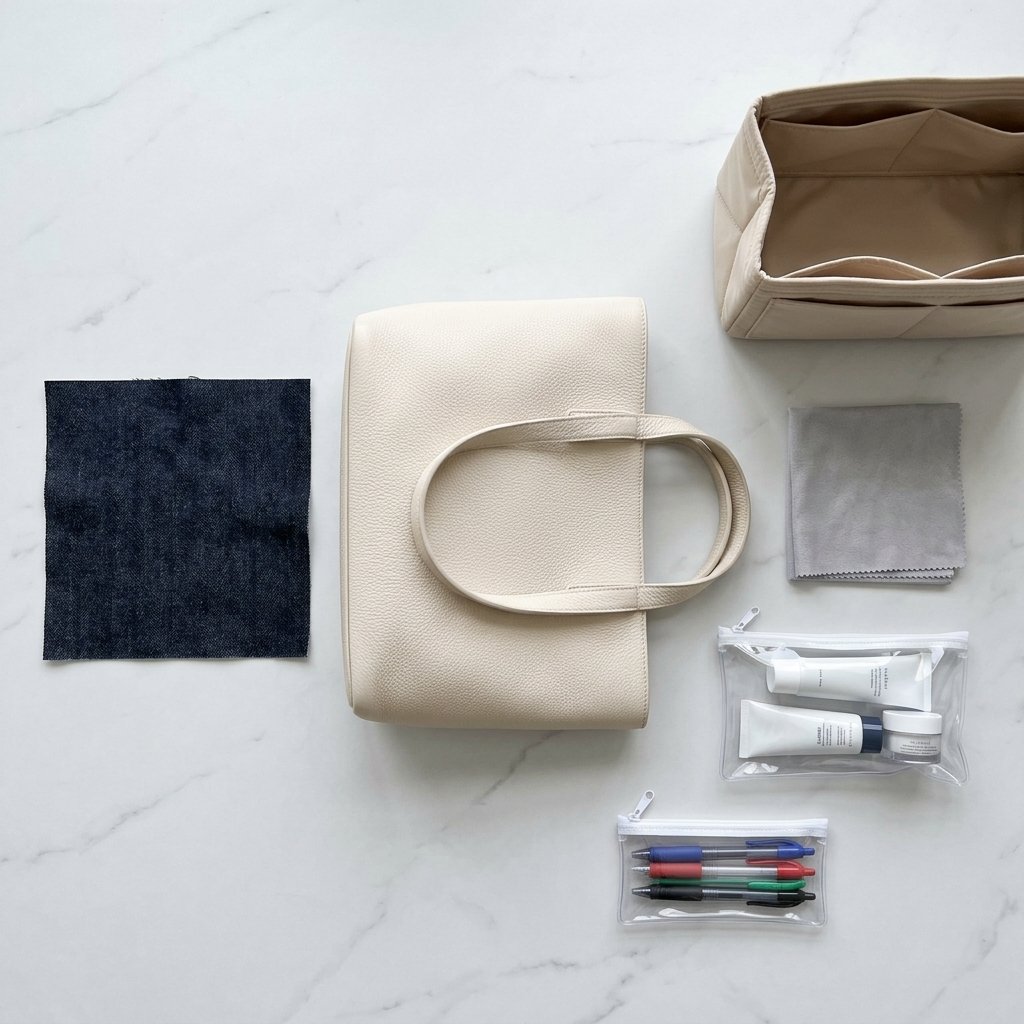
Prevent color transfer by avoiding contact between pale leathers and highly saturated dark fabrics, such as raw blue denim or dark dyed wool. Keep dark clothes dry, as moisture accelerates dye transfer. When carrying pale totes, do not rest them directly against dyed coats, and keep pens and cosmetics sealed in internal organizer pouches.
Does natural leather patina decrease the resale value of a designer bag?
A natural, even patina on untreated leathers like Louis Vuitton vachetta does not necessarily decrease resale value. Many collectors appreciate the warm, honey-toned appearance that comes from gentle, clean aging. However, dirty water spots, dark grease marks on handles, and abrasive scuffs will negatively affect condition ratings and resale pricing.
Why shouldn’t you use saddle soap or mink oil on designer handbags?
Saddle soaps and mink oils are formulated for heavy, rugged leather items like equestrian saddles or work boots. Designer handbags use delicate, thin, and specially finished calfskins, lambskins, or exotics. Applying heavy oils clogs leather pores, softens structural leather stiffeners, causes dark grease stains, and can attract dirt that degrades stitching.