Selecting the best affordable luxury clothing brands in 2027 involves finding pieces that balance high-quality materials with accessible price points. These companies focus on durable fabrics and classic silhouettes rather than fast-changing trends. While some brands prioritize sustainable sourcing, others excel in minimalist design, but each allows you to build a sophisticated wardrobe without spending thousands on a single item. Because definitions of luxury vary by personal budget, checking a brand’s material composition tag is the most reliable way to assess value.
Affordable luxury fashion labels
This table identifies companies that prioritize construction and fabric quality while maintaining prices lower than traditional high-fashion houses. You should verify the specific fabric content on the Federal Trade Commission textile labeling guidelines to ensure you’re paying for natural fibers like silk or wool.
| Brand Name | Best For | Concrete Example |
|---|---|---|
| Everlane | Minimalist basics | Cashmere crew sweater |
| Massimo Dutti | European tailoring | Wool blend blazer |
| Cuyana | Leather goods | Classic leather tote |
| COS | Modern structure | Cotton poplin shirt |
| Theory | Office staples | Stretch wool trousers |
Everlane
Everlane offers high-quality staples by focusing on transparent pricing and ethical manufacturing processes. It suits readers who want versatile, long-lasting basics that fit into a professional or casual rotation.
- Uses Grade-A cashmere and organic cotton to ensure fabric longevity.
- Provides clear cost breakdowns for each item, showing material and labor expenses.
- Focuses on neutral colors that remain relevant across multiple seasons.
If you’re buying their denim, order your standard size; if you’re choosing their oversized sweaters, size down for a cleaner silhouette. For example, a person might purchase a classic alpaca sweater for roughly $150, which provides warmth comparable to luxury brands costing twice as much.
Massimo Dutti
Massimo Dutti provides elevated European-style tailoring that functions as a bridge between high-street fashion and luxury boutiques. It suits those who need structured office attire or formal wear that maintains a polished appearance throughout a long workday.
- Features high-quality wool and linen blends that resist wrinkling during travel.
- Includes traditional design elements like working sleeve buttons and full interior linings.
- Maintains a sophisticated aesthetic that mirrors more expensive Italian labels.
If you have a wider frame, check the brand’s size guide on their official website, as their cuts are often slim-fit. A typical purchase here is a structured wool blazer, which often retails between $200 and $300 depending on the seasonal collection.
Cuyana
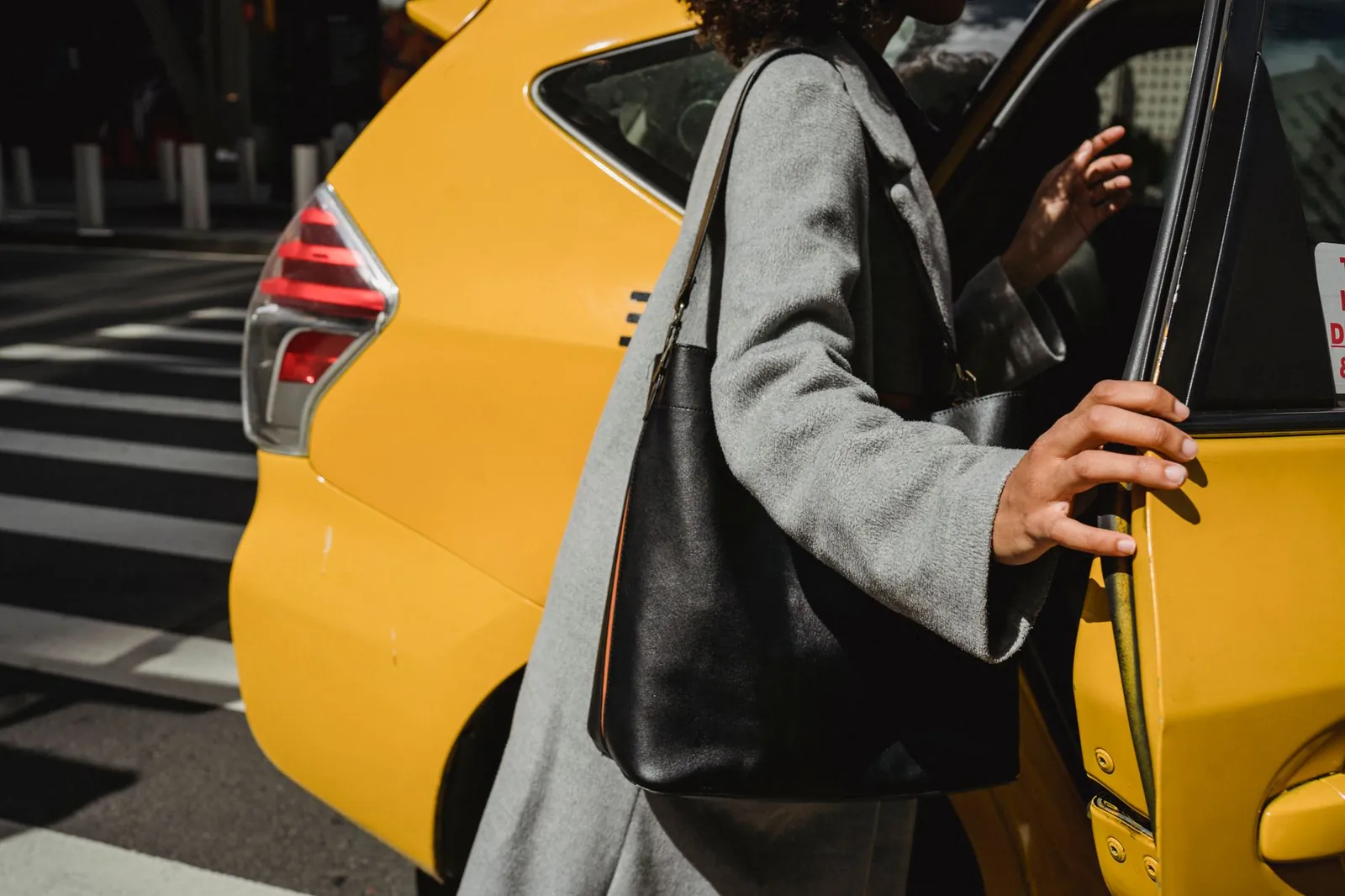
Cuyana focuses on the philosophy of “fewer, better things” by offering premium leather goods and apparel designed to last for years. It suits individuals who prefer to invest in one high-quality accessory rather than buying multiple cheaper alternatives that wear out quickly.
- Sources premium leathers from gold-rated tanneries that meet Leather Working Group environmental standards for water and energy usage.
- Uses timeless hardware that doesn’t tarnish or fade with regular daily use.
- Employs simple, functional designs that match almost any outfit in a professional wardrobe.
This brand requires a higher initial investment than basic retail options, but the cost per wear remains low over time. For instance, a classic leather tote used daily for three years offers better value than a synthetic bag that needs replacement every six months.
COS
COS specializes in architectural cuts and modern, minimalist designs that stand out for their unique proportions. It suits creative professionals who want to look put-together without wearing standard, predictable office outfits.
- Utilizes innovative fabric blends that maintain shape after repeated machine washing.
- Features clean lines and hidden seams for a high-end, seamless appearance.
- Includes seasonal collections that experiment with volume and texture.
This brand isn’t for those seeking traditional, body-hugging silhouettes, as their pieces often feature an oversized or boxy fit. A typical item is a crisp cotton poplin shirt, which usually costs around $100 and serves as a foundation piece for layered outfits.
Other notable labels
Theory excels with high-performance wool blends that resist wrinkling during long commutes. If your daily routine involves back-to-back meetings and transit, choose their trousers; they maintain a crisp crease for twelve hours straight. Avoid their cotton basics if you prioritize extreme softness, as the brand favors structural integrity over plush textures.
Reiss bridges the gap between high-street accessibility and runway silhouettes. Their tailoring is cut slimmer than traditional brands, so size up if you have broader shoulders or prefer a relaxed drape. This is the correct choice for weddings or galas where you need a polished, modern aesthetic without paying a premium for a heritage label.
A.P.C. defines the “French uniform” through raw, unwashed denim. Expect these jeans to feel stiff initially; they require six months of regular wear to break in properly. If you prefer immediate comfort, look elsewhere. Otherwise, the investment pays off as the fabric molds specifically to your body.
How to choose affordable luxury clothing brands
Choosing the right brand depends on your primary goal and your daily routine. If you need durable basics for a capsule wardrobe, Everlane is the most effective choice. If your priority is formal office wear that requires structure and a polished finish, Theory or Massimo Dutti will better serve your needs. For those who value unique design and architectural shapes, COS provides the best options.
If you’re looking for long-term investment pieces, Cuyana’s leather goods are the most durable choice. These brands can be combined; you might wear a Theory blazer over a COS shirt to blend professional structure with modern style. If your budget is tight, start with one high-quality core item from any of these brands rather than buying several cheaper pieces.
Frequently asked questions
Can I find affordable luxury for under $100?
Yes, you can find specific items like cotton shirts or basic knitwear for under $100 during seasonal sales. This assumes you’re shopping during off-peak times, as full-price items from these brands often start at $120. Check the brand’s official website for their specific sale calendar to find these price points.
How do I know if a piece will last?
You can determine durability by checking the garment’s fiber content on the interior tag. Natural fibers like wool, silk, and high-density cotton generally last longer than synthetic blends. If the fabric feels thin or the stitching looks loose at the seams, the item is unlikely to survive frequent wear.
Is it safe to buy these brands secondhand?
It’s safe to purchase these brands secondhand if you inspect the photos for signs of wear like pilling or stretched fabric. Many people sell these items in excellent condition after only a few uses. Always verify the original brand label in the photos to ensure you’re buying an authentic product.
What happens if the fit isn’t right?
Most of these companies offer free returns within 30 days if the item is unworn and tags are attached. This assumes you’re shopping in their primary regions, as international return policies may differ. Always read the specific return policy on the checkout page before confirming your purchase to avoid unexpected shipping fees.
Does it matter if the clothing is made in a different country?
The country of origin matters less than the brand’s quality control standards and material sourcing. Many high-end brands manufacture in regions with skilled labor forces to keep costs reasonable while maintaining quality. You can check the internal label to see where the garment was produced if you have specific preferences.
How often should I replace these items?
These items are designed to last for several years with proper care, such as cold washing and air drying. This assumes you rotate your clothing and don’t wear the same piece every single day. If you notice thinning fabric or broken hardware, it’s usually a sign that the item has reached the end of its life.
Conclusion
Start by identifying the one item you wear most often, such as a blazer or a pair of trousers, and replace that first with a high-quality version. Expect to feel a noticeable difference in fabric weight and stitching immediately compared to fast-fashion alternatives. If you see visible fraying or color fading after only two washes, stop wearing the item and contact the retailer to discuss a return or exchange.