Appalachian food culture is a unique regional cuisine shaped by Native American knowledge, Scotch-Irish traditions, African American influences, and the challenges of mountain living. Built on seasonal ingredients, food preservation, and practical cooking methods, it features iconic dishes like soup beans, cornbread, stack cake, apple butter, and fried apples. Regional variations across Kentucky, West Virginia, Tennessee, and Virginia highlight the diversity of mountain cooking. As interest in heritage American cuisine grows, Appalachian food continues to gain recognition for its sustainability, authenticity, and lasting cultural significance.
Introduction
Many people know about Southern barbecue or New England seafood, but Appalachian food culture often remains overlooked. This rich culinary tradition grew in the mountain communities stretching from southern New York to northern Alabama, where families relied on local ingredients, seasonal harvests, and practical cooking methods. Every meal reflected resilience, resourcefulness, and a deep connection to the land. Today, this heritage American cuisine is gaining fresh appreciation as people rediscover authentic regional flavors and sustainable food traditions.

What Is Appalachian Food Culture?
Appalachian food culture represents the traditional cooking practices developed across the Appalachian Mountains over centuries. It combines influences from Native Americans, European settlers, and African American communities to create a cuisine focused on local ingredients and seasonal availability. Instead of relying on expensive ingredients, families made nourishing meals from what farms, forests, and rivers provided. These traditions continue inspiring chefs and home cooks who value authenticity and simplicity.
Defining Appalachian Cuisine
Appalachian cuisine centers on fresh, locally sourced ingredients and practical cooking techniques. Cornmeal, beans, potatoes, apples, wild greens, and preserved meats became everyday staples because they were affordable and readily available. Every ingredient served an important purpose throughout changing mountain seasons. The result is a cuisine known for comfort, nutrition, and remarkable adaptability.
Why It Is Different from Southern Food
Although people often group Appalachian cooking with Southern cuisine, the two have distinct identities. Southern food typically includes richer flavors, seafood, and plantation influences, while Appalachian cooking developed around mountain farming and self-sufficiency. Limited resources encouraged creative cooking methods that minimized waste. This practical approach gave Appalachian meals their own unique character and lasting appeal. For a deeper look at how regional cooking styles diverge across the South, see our comparison of Southern vs Texas BBQ, which highlights similar contrasts in ingredients and technique.
The History Behind Appalachian Food Culture
The story of Appalachian cuisine reflects centuries of migration, survival, and cultural exchange. Mountain communities preserved family recipes while adapting to changing environments and available resources. Their cooking traditions evolved naturally through shared experiences and local knowledge. Every generation added something meaningful without losing the values of earlier cooks.
Native American Influence
Long before European settlement, Indigenous communities introduced many foods still associated with Appalachian kitchens today. Corn, beans, squash, wild berries, nuts, and medicinal herbs formed the foundation of local diets. These crops thrived naturally across mountain landscapes and supported sustainable food systems. Many traditional growing and harvesting methods remain respected throughout the region.
Scotch-Irish Settlers
Scotch-Irish immigrants brought bread-making, livestock farming, and preservation techniques that blended well with local ingredients. They adapted familiar recipes using available grains, vegetables, and meats found in the mountains. Families learned to stretch every ingredient throughout difficult seasons. Their influence remains visible in biscuits, hearty stews, and country-style baking.
African American Contributions
African American communities made significant contributions to Appalachian cooking despite receiving limited recognition. Their knowledge of farming, seasoning, preservation, and creative cooking enriched regional cuisine in countless ways. Shared food traditions crossed cultural boundaries through work and community gatherings. These influences continue shaping authentic Appalachian recipes today. This influence lives on today in dishes like Sylvia’s soul food macaroni and cheese, a modern icon of the same African American culinary tradition.
How Geography Shaped Appalachian Cooking
Mountain landscapes greatly influenced what people could grow, raise, and harvest. Rugged terrain encouraged small farms instead of large plantations, making family gardens essential for survival. Harsh winters required careful food preservation and seasonal planning. Geography became one of the strongest forces shaping Appalachian culinary traditions.
Traditional Appalachian Ingredients
Fresh, seasonal ingredients define authentic mountain cooking more than expensive imported products. Families depended on gardens, forests, rivers, and nearby farms for daily meals throughout the year. Every ingredient reflected the changing seasons and local environment. This close relationship with nature continues inspiring modern sustainable cooking. Traditional Appalachian seasoning also relied on simple, locally sourced flavors like sorghum, honey, and maple syrup instead of imported spices.
Locally Grown Crops
Corn, beans, potatoes, pumpkins, tomatoes, cabbage, and apples became essential Appalachian crops because they grew well in mountain soil. Families often planted diverse gardens to ensure reliable harvests regardless of weather conditions. Homegrown produce reduced dependence on outside supplies throughout difficult years. These ingredients remain central to traditional recipes today.
Wild Foraged Foods
Mountain forests provided valuable ingredients beyond cultivated gardens. Wild ramps, mushrooms, blackberries, poke greens, walnuts, and medicinal herbs added fresh flavors throughout spring and summer. Experienced foragers understood seasonal harvesting without damaging natural ecosystems. Their knowledge strengthened community connections with surrounding landscapes.
Preserved Foods
Food preservation allowed families to enjoy nutritious meals throughout long winters. Canning vegetables, drying apples, smoking meats, and making apple butter reduced waste while extending harvests. Every preserved ingredient represented careful planning for future seasons. These traditions continue attracting people interested in sustainable living.
Seasonal Ingredients
Appalachian cooking naturally followed seasonal cycles instead of year-round availability. Spring offered fresh greens and ramps, summer delivered berries and vegetables, autumn provided apples and squash, while winter relied on preserved foods. Seasonal eating encouraged healthier and more flavorful meals. It also strengthened appreciation for local farming traditions.
Traditional Appalachian Ingredients Table
| Ingredient | Traditional Use | Still Popular Today |
|---|---|---|
| Cornmeal | Cornbread, mush | Yes |
| Beans | Soup beans, stews | Yes |
| Apples | Apple butter, fried apples | Yes |
| Ramps | Spring side dishes | Yes |
| Sorghum | Sweetener for baking | Yes |
| Potatoes | Soups and casseroles | Yes |
| Wild berries | Cobblers and jams | Yes |
| Smoked pork | Flavoring vegetables and beans | Yes |
Most Popular Appalachian Dishes
Appalachian meals celebrate simplicity without sacrificing flavor or satisfaction. Many recipes became family traditions because they used affordable ingredients while feeding large households. These dishes continue appearing at festivals, community gatherings, and family dinners throughout the mountain region. Their enduring popularity proves that timeless recipes never go out of style.
Soup Beans and Cornbread
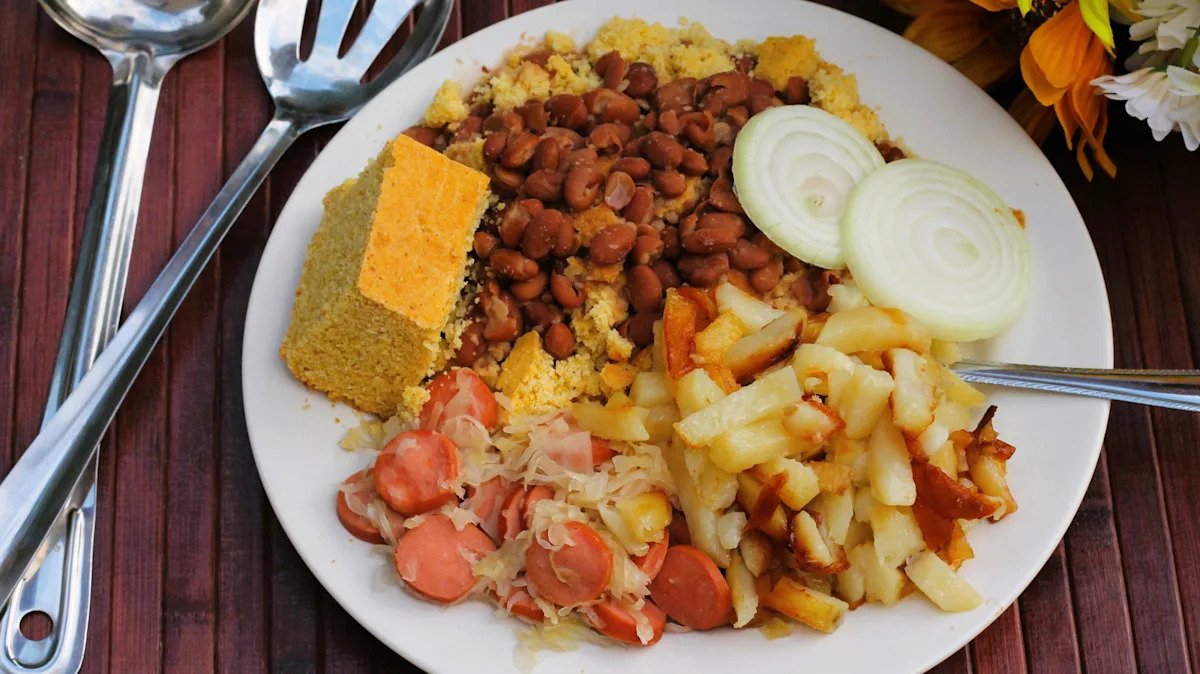
Soup beans and cornbread remain one of the most recognizable Appalachian dishes. Slow-cooked beans seasoned with smoked pork create a hearty meal served alongside freshly baked cornbread. This comforting combination provided affordable nutrition during challenging economic times. Even today, many families consider it the ultimate comfort food.
Fried Apples
Fried apples transform fresh fruit into a warm, sweet side dish enjoyed throughout the region. Apples cook slowly with butter, cinnamon, and a touch of sweetness until perfectly tender. Their comforting aroma fills kitchens during cooler autumn months. The recipe pairs beautifully with breakfast, lunch, or dinner.
Chicken and Dumplings
Chicken and dumplings became popular because they stretched simple ingredients into filling family meals. Soft homemade dumplings absorb rich broth while tender chicken adds satisfying flavor and protein. The dish reflects Appalachian values of practicality and hospitality. Many households proudly pass treasured recipes between generations.
Most Popular Appalachian Dishes

Stack Cake
Stack cake is one of the most iconic Appalachian desserts and often appears during celebrations. Thin cake layers are stacked with spiced apple filling, allowing moisture to soften the cake over time. Every family has its own treasured recipe with slight variations. This dessert reflects the region’s tradition of sharing homemade food during community gatherings.
Chow Chow Relish
Chow chow is a tangy relish made from chopped vegetables, vinegar, and spices. Families traditionally prepared it at the end of the growing season to preserve extra produce. Its bold flavor complements beans, meats, and cornbread perfectly. The recipe also demonstrates Appalachian wisdom about reducing food waste.
Apple Butter
Apple butter is made by slowly cooking apples until they become thick, smooth, and naturally sweet. Unlike regular jam, it develops a deep caramel-like flavor through long cooking. Many families still prepare it during autumn harvest festivals. Homemade apple butter remains a treasured symbol of Appalachian hospitality.
Ramp Dishes
Wild ramps are among the first edible plants to appear each spring. Their bold flavor, somewhere between garlic and onion, makes them popular in eggs, potatoes, soups, and biscuits. Communities across the mountains even celebrate annual ramp festivals. These gatherings help preserve local traditions while supporting regional tourism.
Blackberry Cobbler
Fresh blackberry cobbler highlights one of Appalachia’s favorite seasonal fruits. Sweet berries bake beneath a golden crust, creating a comforting dessert enjoyed warm. Families often gather wild blackberries during summer to prepare this classic treat. The recipe remains a favorite across generations.
Mountain Food USA and Regional Identity
Although Appalachian cuisine shares common traditions, each mountain region has developed its own specialties. Geography, climate, and local agriculture influence ingredients and cooking styles. These regional differences add richness without changing the cuisine’s core identity. Together, they create one of America’s most diverse food traditions.
Kentucky Traditions
Eastern Kentucky is famous for soup beans, skillet cornbread, fried potatoes, and homemade biscuits. Local families continue preserving heirloom recipes passed down through generations. Community meals remain an important part of everyday life. These traditions celebrate both simplicity and hospitality. Neighboring Southern states carry similar traditions, explore our Arkansas food recipes to see how cornbread dressing and slow-cooked comfort meals echo Appalachian roots.
West Virginia Food Culture
West Virginia food culture reflects the state’s forests, rivers, and farming communities. Pepperoni rolls, ramps, trout, apple butter, and hearty stews have become regional favorites. Local festivals proudly celebrate mountain cooking throughout the year. These events help protect Appalachian culinary heritage for future generations.
Tennessee Mountain Cooking
Mountain communities in Tennessee are known for smoked meats, fresh vegetables, biscuits, and fruit preserves. Traditional recipes often feature cast-iron cooking and slow preparation methods. Families value seasonal ingredients over processed alternatives. This approach continues attracting people interested in authentic regional cuisine.
Virginia Appalachian Foods
Virginia’s Appalachian communities blend mountain traditions with local farming practices. Ham, apples, beans, fresh greens, and homemade breads appear regularly on family tables. Local food markets encourage consumers to support nearby farmers. These traditions strengthen connections between food and community.
Traditional Cooking Techniques
Traditional Appalachian cooking values patience more than complicated equipment. Most techniques developed because they were practical, affordable, and effective for preserving food. These methods continue inspiring today’s home cooks who appreciate authentic flavors. Many remain useful even in modern kitchens.
Cast Iron Cooking
Cast-iron skillets remain an essential tool in Appalachian kitchens. They distribute heat evenly while creating flavorful crusts on cornbread, potatoes, and meats. Properly maintained cookware can last for generations. Many families proudly inherit cast-iron pans from grandparents.
Smoking
Smoking meat allowed families to preserve food without refrigeration. Ham, bacon, and other meats developed rich flavors while remaining edible for months. This practical technique reduced waste during difficult seasons. Smoked ingredients still play an important role in regional recipes.
Drying
Drying fruits, herbs, and vegetables extended their usefulness throughout winter. Apples, beans, and medicinal plants were carefully stored after harvest. The method required little equipment yet produced excellent results. It remains popular among people interested in sustainable living.
Canning
Home canning became essential for preserving vegetables, fruits, sauces, and jams. Families spent late summer preparing shelves full of homemade foods. Every preserved jar represented careful planning for colder months. These traditions continue in many Appalachian households today.
Open Fire Cooking
Before modern kitchens, many meals were cooked over wood fires. Slow cooking enhanced flavors while allowing tougher ingredients to become tender. Outdoor cooking also brought families together around shared meals. The experience reflected the importance of community and cooperation.
Why Appalachian Food Culture Is Making a Comeback
Interest in regional American cuisine has grown significantly in recent years. Many chefs now celebrate forgotten recipes and locally sourced ingredients inspired by Appalachian traditions. Consumers increasingly appreciate sustainable farming and authentic storytelling behind their food. This renewed attention ensures these traditions continue reaching new audiences.
Farm-to-Table Movement
The farm-to-table movement shares many values with Appalachian cooking. Fresh ingredients, seasonal produce, and local farms have always defined mountain kitchens. Modern restaurants now recognize the importance of these traditional practices. Their success proves that simple food never goes out of style.
Local Restaurants
Independent restaurants throughout Appalachia proudly feature traditional recipes with modern presentation. Diners enjoy authentic flavors while learning about regional history. Local businesses also support nearby farmers and food producers. This partnership strengthens local economies and cultural preservation.
Cultural Preservation
Food remains one of the strongest ways to preserve cultural identity. Community festivals, cooking classes, and historical organizations continue documenting treasured family recipes. Younger generations are showing greater interest in learning traditional skills. These efforts protect Appalachian heritage for years ahead.
Modern Appalachian Chefs
Today’s chefs combine traditional knowledge with creative techniques. They respect old recipes while introducing fresh ideas that appeal to modern diners. Their work brings national recognition to Appalachian cuisine. Innovation and tradition now work together beautifully.
Appalachian Food Culture vs Southern Cuisine
Although both cuisines share comforting flavors, important differences remain.
| Appalachian Cuisine | Southern Cuisine |
|---|---|
| Mountain farming traditions | Plantation and coastal influences |
| Seasonal local ingredients | Richer, more varied ingredients |
| Heavy focus on preservation | Greater emphasis on fried foods |
| Practical home cooking | Larger regional diversity |
| Wild foraged foods | Seafood and rice more common |
Key Takeaways
- Appalachian cuisine reflects resilience, tradition, and resourcefulness.
- Local ingredients define authentic mountain cooking.
- Native American, Scotch-Irish, and African American cultures shaped regional recipes.
- Food preservation remains a defining characteristic of Appalachian kitchens.
- Traditional dishes continue inspiring modern chefs and home cooks.
- Regional festivals help preserve culinary heritage.
- Sustainable cooking practices make Appalachian cuisine relevant today.
Conclusion
America’s mountain communities created far more than comforting meals, they built a culinary tradition rooted in family, resilience, and respect for nature. From simple ingredients came recipes that carried history, celebrated community, and reduced waste long before sustainability became a global conversation. As more people rediscover regional food traditions, Appalachian cuisine deserves recognition as an important part of America’s culinary identity. At Samppy, celebrating authentic food stories like these helps keep cultural traditions alive while inspiring readers to explore the rich heritage behind every meal.
Frequently Asked Questions
1. What is Appalachian food culture?
Appalachian food culture is the traditional cuisine of the Appalachian Mountain region, built around local ingredients, seasonal cooking, and family recipes passed through generations.
2. What are the most famous Appalachian dishes?
Popular dishes include soup beans and cornbread, fried apples, chicken and dumplings, stack cake, chow chow relish, apple butter, blackberry cobbler, and ramp-based recipes.
3. Is Appalachian food the same as Southern food?
No. While they share some similarities, Appalachian cuisine focuses more on mountain farming, food preservation, and locally available ingredients than traditional Southern cuisine.
4. Why is West Virginia important in Appalachian cuisine?
West Virginia preserves many authentic mountain food traditions through local farms, community festivals, family recipes, and iconic dishes like pepperoni rolls and ramp specialties.
5. Why is Appalachian cuisine becoming popular again?
Growing interest in sustainable living, farm-to-table dining, and regional American food has encouraged people to rediscover Appalachian culinary traditions.