Soul food is a historic African American cuisine built on resilience and tradition. It began during slavery, shaped by limited resources and African cooking knowledge. Over time, it became a symbol of family, comfort, and identity. Today, soul food remains one of America’s most meaningful and loved cuisines.
Soul food is more than a style of cooking. It carries stories, struggles, and traditions that shaped generations of families in America. Many people ask what soul food really means because it connects deeply with culture, history, and comfort. Understanding it helps us see how food can preserve identity through time.

What Is Soul Food?
Soul food is a traditional food culture rooted in African American communities. It includes rich, flavorful meals made with simple ingredients and careful cooking methods. The food became known for warmth, family gatherings, and emotional comfort. Every dish carries history on the plate.
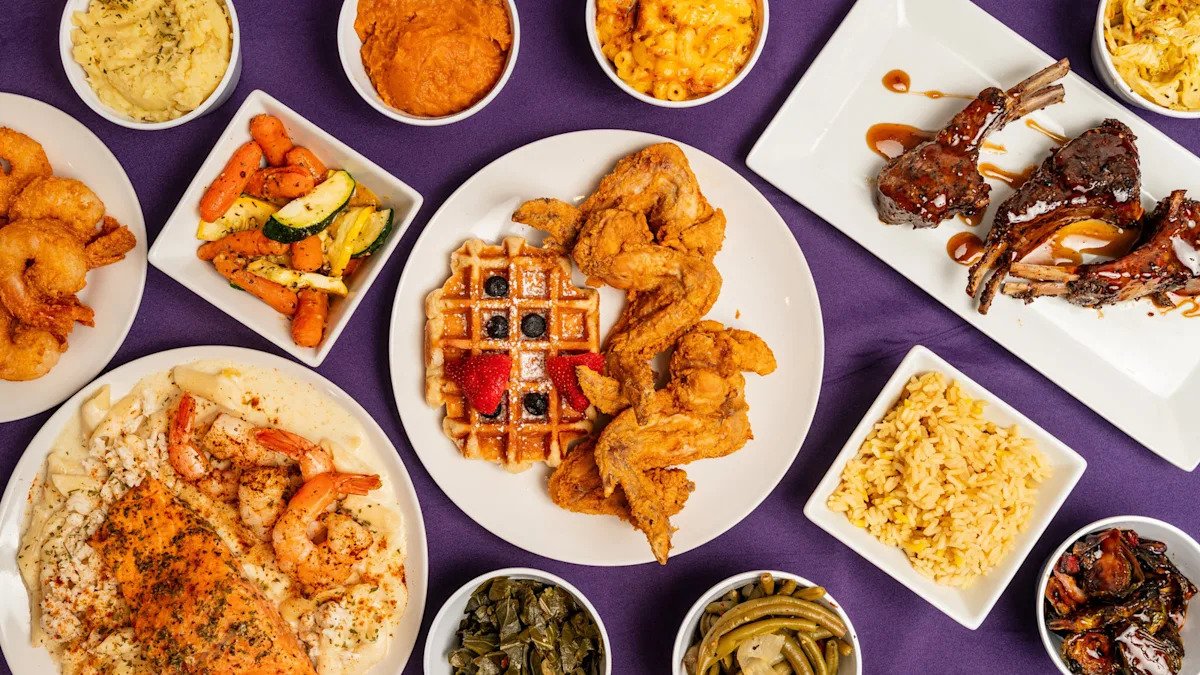
Soul food often includes fried meats, greens, cornbread, beans, and rice. These meals were built from creativity and survival. Over time, they became part of American comfort cuisine. Today, they remain important across the United States.
Why Is It Called Soul Food?
The term “soul food” became popular during the 1960s. It was strongly tied to Black pride and cultural identity. The word “soul” represented spirit, strength, and community. Food became a symbol of those values.
This name gave recognition to generations of cooking traditions. It honored recipes passed down through families. More than food, it reflected a shared experience. That emotional connection still matters today.
What Makes Soul Food Unique?
Soul food stands out because of its deep flavor and history. It uses simple ingredients but creates powerful meals. Cooking methods like frying, slow-cooking, and seasoning define its style. Every bite feels personal and comforting.
It also carries strong family traditions. Recipes are often taught at home, not in books. Meals are usually connected to holidays and Sunday dinners. That tradition keeps soul food alive.
The Origins of Soul Food in America
To understand soul food history in the USA, we must look back centuries. Its roots begin in West Africa, where cooking traditions shaped early food practices. Enslaved Africans brought knowledge of rice, okra, and spices. Those traditions became the base of soul food.
Life during slavery forced people to cook with leftovers and unwanted cuts. They turned limited ingredients into nourishing meals. Creativity became necessary for survival. That shaped the foundation of many classic dishes. Institutions like the Smithsonian’s National Museum of African American History and Culture have documented this journey in depth, tracing how West African cooking traditions and the hardships of slavery shaped the foundations of soul food.
African Culinary Traditions
West African cooking influenced soul food heavily. Ingredients like yams, black-eyed peas, and greens came from these traditions. Cooking methods such as stewing and seasoning were also important. These methods stayed alive across generations.
Food was central to community life. Families cooked together and shared meals often. That habit remained strong in African American culture. It helped preserve traditions despite hardship.
Survival During Slavery
Enslaved people often received scraps like pig feet or intestines. They learned to cook these parts into flavorful dishes. Chitterlings and ham hocks became common. Survival shaped the soul food menu.
These dishes were practical and filling. They made use of every ingredient available. Nothing went to waste. That resourcefulness still defines soul food today.
How Ingredients Shaped Soul Food
Certain ingredients became staples because they were affordable and easy to grow. These included cornmeal, beans, greens, and sweet potatoes. Over time, these basics became iconic. They remain at the center of many meals.
Here are some key ingredients:
- Collard greens
- Okra
- Cornmeal
- Black-eyed peas
- Sweet potatoes
- Rice
These ingredients created lasting traditions. Their simplicity gave birth to rich flavors.
How African American Cuisine Shaped Soul Food
African American cuisine gave soul food its identity and purpose. It turned everyday meals into cultural symbols. Cooking became a way to celebrate, connect, and survive. That emotional meaning still matters.
Many dishes were tied to church events, holidays, and reunions. Food brought people together in powerful ways. It became part of community life. That connection built strong traditions.
Food as Cultural Identity
Food often reflects who people are. For African Americans, soul food became a form of cultural expression. It told stories of struggle and resilience. It kept history alive through recipes.
Passing down dishes meant passing down memory. A recipe could teach history without words. That makes soul food deeply personal. Its value goes beyond taste.
Soul Food in Black Communities
Soul food has always been important in Black neighborhoods. Restaurants, family kitchens, and churches all helped preserve it. These spaces created a strong food culture. They kept traditions strong.
Meals often marked celebrations and important life moments. Birthdays, funerals, and Sunday dinners all included soul food. It was never just about eating. It was about togetherness.
Traditional Soul Food Dishes You Should Know
Soul food dishes are rich, hearty, and deeply loved. Many became popular across America because of their comforting taste. These dishes represent the heart of the cuisine. Each one has a story behind it.

From crispy fried chicken to soft cornbread, every dish carries tradition. Some recipes changed over time, but their roots stayed strong. They continue to shape southern comfort food today. Fried chicken remains the most debated soul food staple, and if you want a fun modern take on the rivalry, this Popeyes vs Church’s Chicken comparison breaks down which brand does justice to the tradition.
Popular Soul Food Favorites
Here are some classic dishes:
| Dish | Main Ingredient | Cultural Meaning |
|---|---|---|
| Fried Chicken | Chicken | Celebration and family meals |
| Collard Greens | Leafy greens | Strength and tradition |
| Cornbread | Cornmeal | Everyday staple |
| Mac and Cheese | Pasta, cheese | Comfort and gatherings |
| Candied Yams | Sweet potatoes | Holiday favorite |
| Black-eyed Peas | Beans | Luck and prosperity |
These meals are still widely served. Their popularity continues across generations. For the classic Sunday-dinner side everyone fights over, this soul food mac and cheese recipe delivers the same creamy, baked richness that’s been passed down through generations of Black family kitchens.
Why These Dishes Matter
Each dish reflects survival and adaptation. Many began from limited resources. Over time, they became symbols of joy and heritage. That transformation is powerful.
They also connect families. One meal can bring generations together. The emotional value stays strong. That makes soul food timeless.
Soul Food vs Southern Comfort Food
People often mix soul food with southern comfort food. They do share many ingredients and methods. But they are not exactly the same. Their histories are different.
Soul food is rooted in African American experiences. Southern comfort food is broader and includes many influences. The overlap is strong, but the cultural roots differ. That distinction matters.
Similarities
Both cuisines use frying, baking, and slow cooking. They focus on rich flavor and hearty portions. Common dishes often overlap. Fried chicken is a clear example.
Family gatherings are central in both traditions. Meals are often tied to comfort and celebration. That shared warmth makes them similar. People often connect both styles.
Key Differences
Here is a quick comparison:
| Soul Food | Southern Comfort Food |
| Rooted in African American history | Broader Southern tradition |
| Strong survival-based origins | Regional farming roots |
| Deep cultural symbolism | Wider cultural mix |
Knowing this difference helps people appreciate both better.
Why Soul Food Became America’s Comfort Cuisine
Soul food became comfort food because it speaks to emotion. The flavors are rich and familiar. The meals often remind people of home. That feeling is powerful.
Comfort food is about memory as much as taste. Soul food creates those memories naturally. It often brings warmth during hard times. That emotional role made it famous.
Soul Food and Celebrations
Soul food is a big part of holidays. Thanksgiving, Christmas, and family reunions often center around these meals. The food creates strong memories. It becomes part of tradition.
Sharing these dishes builds connection. People remember the table, not just the meal. That makes the experience meaningful. Food becomes part of family history.
Healing Through Food
Food can be emotional healing. A warm plate often brings comfort during stress or sadness. Soul food does this especially well. Its deep flavors feel familiar.
That emotional support explains its lasting power. It gives comfort beyond hunger. That’s why many still seek it today.
The Modern Evolution of Soul Food
Soul food continues to evolve in modern times. Chefs now create healthier versions without losing tradition. Vegan options are also growing fast. This keeps the cuisine relevant.
Modern kitchens are blending old recipes with new ideas. That balance protects history while meeting today’s needs. Soul food remains flexible and strong.
Modern Chefs Redefining Soul Food
Many chefs now focus on lighter ingredients. They reduce grease and use fresh vegetables. The goal is to keep flavor while improving health. That change matters for new generations.
Restaurants across America now celebrate this style. Soul food is reaching wider audiences. Its influence keeps growing. The future looks strong.
Is Soul Food Still Relevant Today?
Yes, absolutely. Soul food remains important because culture remains important. Younger generations still value tradition. They want to understand their roots.
At the same time, new audiences are discovering it. That keeps the cuisine alive and respected. Soul food still has a place in modern America.
Key Takeaways
- Soul food comes from African American culinary traditions.
- Its roots connect deeply to slavery and survival.
- Classic dishes include fried chicken, greens, and cornbread.
- Soul food differs from southern comfort food in cultural history.
- Modern soul food is evolving with healthier options
Final Thoughts
Soul food is a story of survival, family, and identity. It started from hardship but grew into one of America’s most loved food traditions. Its history reminds us how culture can survive through recipes and shared meals. That legacy still matters today.
At Samppy, understanding food history helps us appreciate the people behind it. Soul food is not just about flavor. It is about memory, strength, and connection. That is what makes it truly special.
FAQs
Is soul food the same as Southern food?
No, soul food is part of Southern cuisine but has unique African American roots.
What are the most popular soul food dishes?
Fried chicken, collard greens, cornbread, mac and cheese, and candied yams are popular.
Why is soul food important in Black history?
It represents survival, creativity, and cultural identity passed down through generations.
Is soul food unhealthy?
Some traditional recipes are heavy, but healthier modern versions now exist.
What are the African roots of soul food?
Many ingredients and cooking styles came from West African food traditions.
Institutions like the Smithsonian’s National Museum of African American History and Culture have documented this journey in depth, tracing how West African cooking traditions and the hardships of slavery shaped the foundations of soul food.