
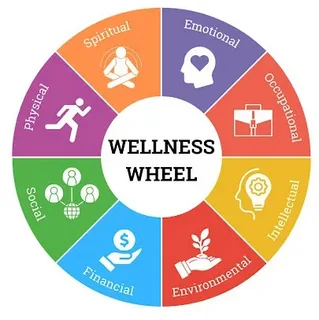
Mental health and wellness can be supported through practical, consistent lifestyle choices. Important habits include maintaining healthy sleep, moving regularly, eating balanced meals, practicing mindfulness, staying socially connected, enjoying hobbies, using self-compassion, setting manageable goals, reducing digital overload, and journaling. Building these habits gradually can make wellness more sustainable, while persistent or serious concerns may require professional mental health support.
Taking care of your mind is just as important as caring for your body. Mental health and wellness can influence how you think, feel, work, sleep, and connect with others. The good news is that small daily choices can make supporting your well-being feel more manageable.
You do not need to completely change your lifestyle overnight. Simple habits can gradually improve emotional balance, resilience, and your ability to handle everyday stress. This guide shares practical mental wellness tips that fit naturally into busy lives. If you’re looking to build a stronger foundation beyond mental wellness alone, our guide on lifetime choices for a healthier, happier life covers complementary lifestyle habits worth exploring.
What Does Mental Health and Wellness Really Mean?
Mental well-being involves your thoughts, emotions, relationships, and everyday functioning. It does not mean feeling positive every moment or avoiding difficult emotions completely. Instead, it means developing healthy ways to handle challenges while maintaining meaningful connections and routines.
Mental Health and Mental Wellness Are Connected
Mental health describes your overall psychological and emotional state, while mental wellness focuses on supporting it. Both can change throughout life because circumstances, relationships, stress, sleep, and physical health can influence how you feel. A balanced approach considers your emotional, physical, social, and psychological needs together.
Why Everyday Habits Matter
Your daily routine can quietly shape how you respond to pressure. Sleep, movement, nutrition, relaxation, and social connection can all support healthier coping patterns. Consistent wellness habits are usually more realistic and sustainable than dramatic lifestyle changes.
10 Simple Ways to Support Mental Health and Wellness
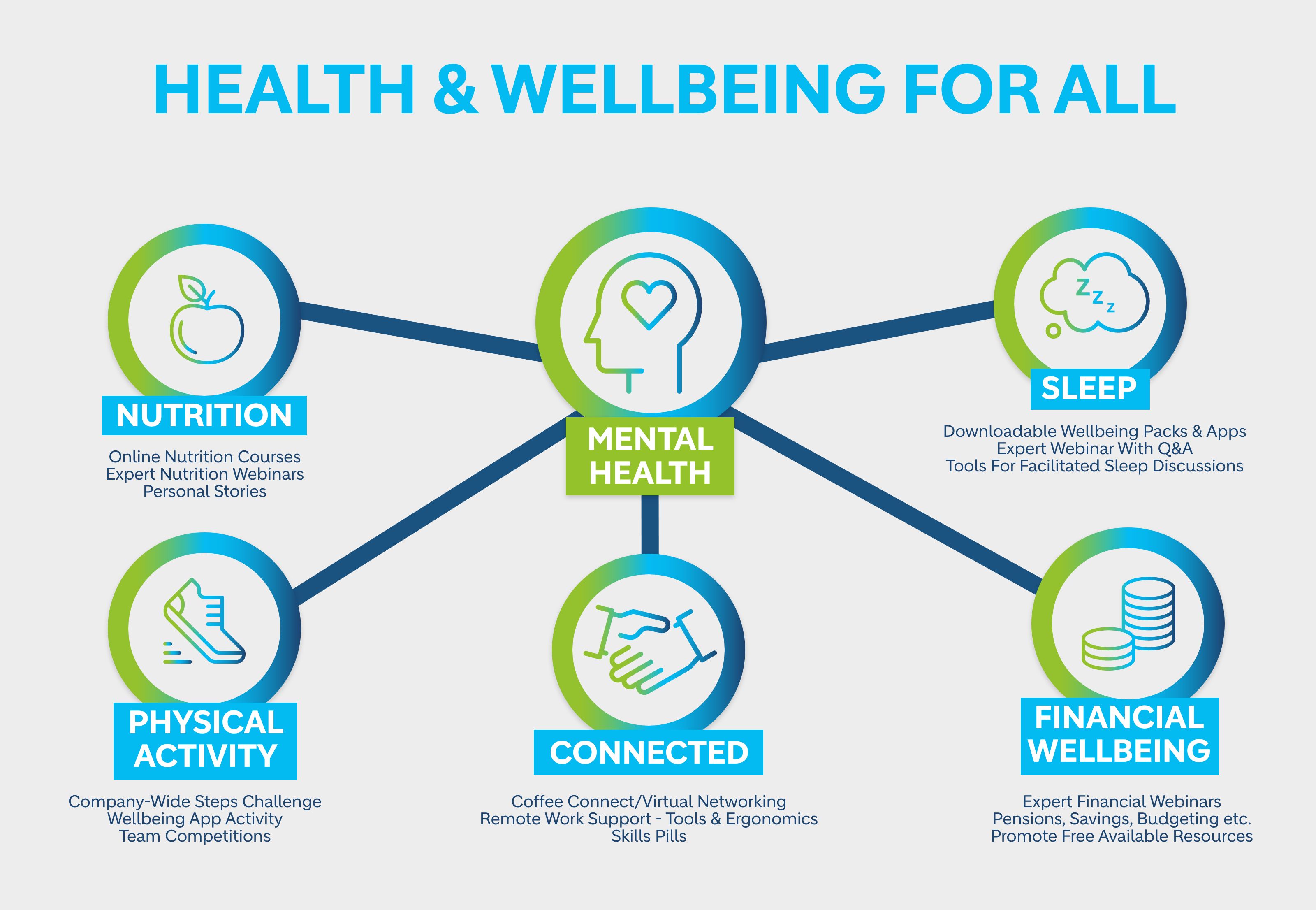
Improving your well-being does not require expensive products or complicated routines. Start with one or two practical changes, then build gradually as those habits become comfortable. The following mental health tips can help you create a healthier foundation.
1. Create a Consistent Sleep Routine
Good sleep gives your body and mind time to recover. Try keeping similar sleeping and waking times, reducing late-night stimulation, and creating a relaxing bedtime routine. Better rest can make everyday emotions and stressful situations easier to manage. A strong sleep routine often starts with how you begin your day our guide to best morning routines for productive, healthy living can help set the right tone.
2. Move Your Body Regularly
Physical activity can be as simple as walking, stretching, dancing, or cycling. You do not need an intense workout to make movement part of your day. Choose activities you genuinely enjoy so staying active feels easier over time.
3. Eat for Overall Well-Being
Regular, balanced meals can support energy levels throughout your day. Include nutritious foods, adequate fluids, and a variety of fruits, vegetables, whole grains, and protein sources. Avoid treating food as a quick solution for emotional distress or persistent mental health concerns.
4. Practice Mindfulness and Slow Down
Mindfulness means paying attention to the present without immediately judging your experience. A few minutes of slow breathing, meditation, or quiet reflection can create space between you and stressful thoughts. These simple practices can become useful tools for managing everyday tension.
5. Stay Connected With Supportive People
Healthy relationships can provide encouragement when life feels difficult. Make time for family members, friends, colleagues, community groups, or other trusted people who make you feel respected. You do not have to handle every difficult experience completely alone.
6. Make Time for Activities You Enjoy
Hobbies give your attention a break from constant responsibilities and worries. Reading, gardening, music, cooking, creative activities, sports, and time outdoors can all provide meaningful enjoyment. Choose activities because they refresh you, rather than because they appear productive.
7. Practice Self-Compassion
Many people speak to themselves more harshly than they speak to others. Try acknowledging mistakes without turning them into judgments about your entire character. Self-compassion can encourage healthier responses when plans go wrong or progress feels slow.
8. Set Small and Achievable Goals
Large goals can feel overwhelming when your energy or motivation is already low. Break important tasks into smaller actions that you can realistically complete today. Each completed step can create momentum without making your routine feel unnecessarily demanding.
9. Limit Stress and Digital Overload
Constant notifications, social media, news, and work messages can leave your mind feeling crowded. Consider creating specific periods when your phone and other devices receive less attention. Digital boundaries can give you more room for rest, relationships, hobbies, and focused activities.
10. Write Down Your Thoughts
Journaling can help you notice recurring thoughts, emotions, worries, and patterns. You can write freely, record gratitude, or simply describe what happened during your day. There is no perfect format, so keep the practice short enough to maintain consistently.
How to Build Sustainable Wellness Habits
Healthy routines work best when they match your real circumstances. Instead of copying someone else’s schedule, consider what your sleep, work, relationships, energy, and responsibilities actually allow. A flexible routine is easier to maintain than a perfect plan that quickly becomes exhausting.
Start With One or Two Small Changes
Pick the habit that addresses your most immediate need right now. For example, someone feeling exhausted may begin with consistent sleep before adding several other changes. Once the first habit becomes familiar, gradually introduce another supportive behavior.
Create a Simple Daily Mental Wellness Routine
A daily routine does not need to occupy hours of your schedule. Small moments spread across the day can provide opportunities for movement, reflection, connection, and recovery. Use this simple framework as a starting point and adjust it according to your lifestyle.
| Time | Simple Wellness Habit |
|---|---|
| Morning | Drink water, get natural light, and choose one priority |
| Midday | Take a short movement or mindful breathing break |
| Afternoon | Connect with someone or spend time outdoors |
| Evening | Reduce digital stimulation and enjoy a relaxing activity |
| Before bed | Reflect, journal briefly, and follow your sleep routine |
How to Support Emotional Wellness During Stressful Times
Stress is a normal part of life, but constant pressure can become difficult to manage. Emotional wellness involves recognizing feelings without allowing them to control every decision. Healthy coping strategies can help you respond thoughtfully while knowing when additional support may be appropriate.
Notice and Name Your Feelings
Instead of immediately pushing uncomfortable emotions away, pause and identify what you are experiencing. You might feel worried, disappointed, frustrated, lonely, overwhelmed, or tired. Naming an emotion can make it easier to understand what you need next.
Use Healthy Coping Strategies
Different situations require different coping tools, so experiment with approaches that genuinely help. Walking, breathing exercises, journaling, talking with someone trusted, and taking a short break can provide useful support. Avoid relying on harmful behaviors as your primary way of managing difficult emotions.
Know When You Need Extra Support
Self-care can support well-being, but it cannot replace professional treatment when serious problems arise. Consider speaking with a qualified healthcare or mental health professional if symptoms persist or interfere with daily responsibilities. Seeking help is a practical step toward better care, not a personal failure.
When Should You Seek Professional Mental Health Support?
Everyone experiences difficult days, but persistent changes deserve attention. Ongoing sadness, severe anxiety, major sleep changes, social withdrawal, hopelessness, or difficulty completing normal responsibilities can signal a need for professional guidance. If you are concerned about your mental health, a qualified professional can help assess your situation and discuss suitable options.
Professional support can include a doctor, therapist, counselor, psychologist, or another qualified provider. You can also begin by speaking with someone you trust if asking for professional help feels intimidating. If you experience thoughts of harming yourself or someone else, seek urgent help through appropriate local emergency or crisis services. In the United States, the 988 Suicide & Crisis Lifeline provides free, confidential support 24/7 for anyone experiencing a mental health crisis.
Key Takeaway
The most useful wellness strategy is one you can realistically continue. Start with simple actions such as better sleep, regular movement, supportive relationships, mindful breaks, nutritious meals, and enjoyable activities. Over time, these choices can become reliable wellness habits that support your emotional and overall well-being.
Conclusion
Supporting your well-being does not require a perfect lifestyle or complicated routine. Focus on small actions that improve sleep, movement, emotional awareness, relationships, relaxation, and everyday balance. The key is choosing habits that fit your life and maintaining them consistently rather than expecting instant results.
As samppy emphasizes, meaningful wellness starts with practical steps that people can actually follow. Listen to your needs, give yourself room to adjust, and seek professional support when challenges become difficult to manage alone.
Frequently Asked Questions
What is mental health and wellness?
It refers to supporting your psychological, emotional, social, and everyday well-being. It includes how you handle stress, manage emotions, maintain relationships, and function in daily life. Wellness can change over time and may require different forms of support.
What are some effective mental wellness tips?
Start with consistent sleep, regular movement, nutritious meals, social connection, relaxation, and manageable goals. Choose one or two habits instead of trying everything simultaneously. Consistency usually matters more than making dramatic changes for a short period.
How can I improve emotional wellness?
Begin by noticing your emotions without harsh self-judgment. Use healthy coping methods such as journaling, walking, breathing exercises, hobbies, and conversations with trusted people. Professional guidance can also help when emotional difficulties become persistent or disruptive.
Which wellness habits should I start first?
Choose habits based on what currently affects your well-being most. If you feel exhausted, prioritize sleep; if you feel isolated, focus on meaningful connection. Small improvements that fit your routine are easier to maintain long term.
Can daily habits replace professional mental health care?
No, daily habits should complement appropriate professional care rather than replace it. Lifestyle changes may support general well-being, but persistent or severe symptoms require qualified assessment. Reaching out for professional support can help you understand your needs and available options.