
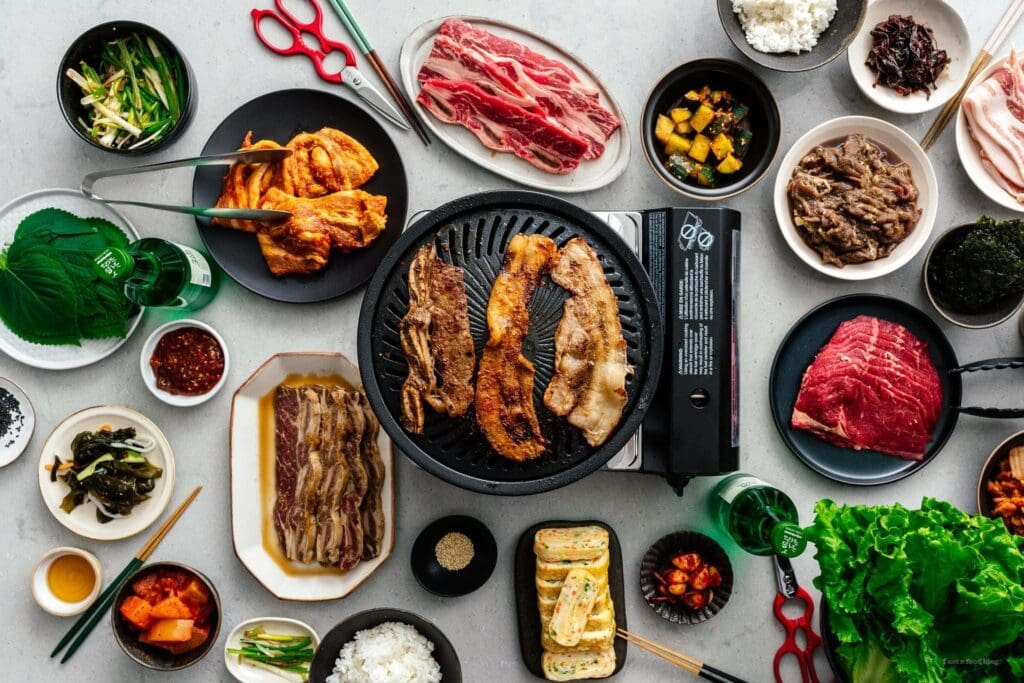
Korean BBQ has become one of America’s favorite interactive dining experiences, and recreating it at home is easier than ever. With the right grill, quality meats, homemade marinades, and classic Korean side dishes, anyone can enjoy restaurant-style KBBQ without leaving home. Whether you prepare bulgogi, galbi, pork belly, or chicken, thoughtful planning and fresh ingredients make every gathering memorable. By combining authentic techniques with locally available products, families can create flavorful meals that are both affordable and enjoyable.
Korean food has become a favorite across the United States, and Korean BBQ is leading the trend. Many Americans now enjoy recreating the lively restaurant experience without leaving home. With the right ingredients, a simple grill, and a little preparation, hosting Korean BBQ is easier than most people think. Whether you are planning a family dinner or a weekend gathering, this guide shows how to enjoy korean bbq at home usa with authentic flavors and practical tips

Why Korean BBQ at Home Is Becoming Popular in the USA
Korean BBQ is more than just grilled meat because it creates a shared dining experience. Families and friends cook together, try different flavors, and enjoy conversations around the table. Social media, Korean dramas, and growing interest in Korean culture have also inspired many Americans to bring this tradition home. The experience feels interactive, welcoming, and perfect for casual entertaining.
The Korean Food Boom in America
Korean cuisine has expanded far beyond specialty restaurants in recent years. Grocery stores now carry kimchi, gochujang, sesame oil, and frozen Korean dumplings. Americans now explore Korean flavors through easy homemade meals every single weekend. This wider availability makes it simple for beginners to start cooking Korean dishes.
Why Home KBBQ Is Trending
Restaurant visits can become expensive, especially for larger groups or families. Preparing Korean BBQ at home offers the same excitement while giving people complete control over ingredients and portions. Guests can cook food exactly how they like it, making every meal more personal. It also turns dinner into an activity instead of just another meal.
Benefits of DIY KBBQ
A DIY KBBQ setup allows everyone to participate in cooking while sharing fresh food directly from the grill. You can choose premium meats, healthier marinades, or budget-friendly alternatives based on your preferences. Hosting at home also lets you experiment with new recipes without restaurant pressure. The relaxed environment makes every gathering memorable.
Essential Korean BBQ Setup at Home
A successful Korean BBQ night begins with the right equipment and thoughtful preparation. You do not need expensive appliances to recreate the restaurant atmosphere. A few essential tools and good ventilation can make the experience enjoyable and safe. Planning your setup beforehand keeps cooking smooth from start to finish.
Choosing the Right Grill
Electric tabletop grills are the most popular option because they are convenient and easy to clean. Smokeless grills work especially well for apartments or smaller homes where ventilation is limited. Choosing the correct grill improves cooking consistency and enhances every shared dining experience. Outdoor charcoal grills also provide excellent smoky flavor if space allows.
Indoor vs. Outdoor Grilling
Indoor grilling is convenient throughout the year and works well for family dinners. Outdoor grilling offers more space and reduces smoke inside the house. Your choice depends on weather, available space, and personal preference. Both methods can produce delicious Korean BBQ with proper temperature control. If you enjoy comparing regional grilling traditions, our breakdown of Southern vs Texas BBQ shows how different American BBQ styles approach smoke, sauce, and meat selection.
| Feature | Indoor Grill | Outdoor Grill |
|---|---|---|
| Convenience | Excellent | Moderate |
| Smoke Control | Good with smokeless models | Excellent |
| Space Needed | Small | Larger outdoor area |
| Best For | Apartments and family dinners | Backyard parties |
| Cleanup | Easy | Moderate |
Must-Have Cooking Tools
Simple tools make cooking easier and improve the overall dining experience. Kitchen scissors help cut grilled meat into bite-sized pieces without using knives. Long tongs allow safe handling of hot food while preventing burns. Small serving bowls keep sauces and side dishes organized throughout the meal.
Dining Table Setup
Arrange all ingredients before turning on the grill to avoid interruptions during cooking. Place sauces, vegetables, rice, and side dishes within easy reach of every guest. An organized table keeps cooking smooth while everyone enjoys fresh grilled dishes together. Good preparation allows everyone to focus on eating and socializing.
Choosing the Best Meat for Korean BBQ
The quality of meat plays the biggest role in creating authentic Korean BBQ flavors. Thin slices cook quickly and absorb marinades more effectively than thicker cuts. Shopping at Asian grocery stores provides the widest selection, although many American supermarkets now offer suitable alternatives. Choosing different meats also gives guests more variety.
Bulgogi
Bulgogi is one of the most popular Korean BBQ dishes because of its sweet and savory flavor. Thinly sliced beef is marinated with soy sauce, garlic, sesame oil, sugar, and grated pear for tenderness. Many Americans prepare bulgogi at home usa using ribeye or sirloin purchased from local grocery stores. The meat cooks within minutes, making it ideal for beginners.
Galbi Recipe
Galbi features beef short ribs marinated until tender and deeply flavorful. Traditional marinades include soy sauce, garlic, sesame oil, brown sugar, onion, and Asian pear. A balanced galbi recipe creates tender meat with rich caramelized flavors every time. Cooking over medium heat helps prevent burning while allowing the marinade to caramelize beautifully.
Pork Belly
Pork belly remains a favorite because it requires little preparation before grilling. It develops crispy edges while staying juicy inside, making it perfect for lettuce wraps. Pair it with kimchi and ssamjang for a classic Korean combination. Many families also enjoy dipping grilled pork into sesame oil mixed with salt and pepper.
Beef Brisket
Thinly sliced beef brisket cooks quickly without requiring any marinade beforehand. Its natural beef flavor pairs perfectly with dipping sauces and fresh vegetables. This option works well for guests who prefer simpler seasonings. Brisket also allows everyone to experiment with different sauces during the meal.
Chicken Options
Chicken thighs are an excellent alternative for guests who prefer lighter proteins. A homemade kbbq marinade using soy sauce, garlic, ginger, honey, and sesame oil creates juicy, flavorful chicken. Boneless thighs remain tender even with high grill temperatures. Chicken also provides an affordable option for larger gatherings. If you’re looking for a leaner alternative for grilling, top round steak nutrition offers a budget-friendly, high-protein cut that also slices thin beautifully.
| Meat | Flavor | Best Marinade | Cooking Time |
|---|---|---|---|
| Bulgogi Beef | Sweet & Savory | Bulgogi Marinade | 2–3 minutes |
| Galbi Short Ribs | Rich & Smoky | Galbi Marinade | 4–5 minutes |
| Pork Belly | Juicy & Crispy | Light Seasoning | 3–4 minutes |
| Beef Brisket | Beefy & Tender | None Required | 1–2 minutes |
| Chicken Thighs | Mild & Juicy | Soy Garlic Marinade | 5–6 minutes |
Homemade KBBQ Marinade Recipes
A good marinade transforms simple ingredients into restaurant-quality Korean BBQ. Most marinades use pantry staples, making them easy to prepare at home. Fresh garlic, sesame oil, soy sauce, and fruit create balanced flavors while naturally tenderizing meat. Homemade marinades also allow you to adjust sweetness or spice according to personal taste.
Classic Bulgogi Marinade
A traditional bulgogi marinade combines soy sauce, brown sugar, garlic, sesame oil, grated pear, onion, and black pepper. The pear naturally softens the beef while adding subtle sweetness. Fresh ingredients always produce deeper flavors than bottled marinades from supermarkets alone. Marinate beef for at least four hours for the best results.
Authentic Galbi Marinade
Galbi marinade uses many similar ingredients but contains slightly more sweetness for caramelization during grilling. Adding grated onion helps tenderize short ribs while balancing salty flavors. Allow the ribs to marinate overnight whenever possible. Longer marination creates deeper flavor without overpowering the natural richness of the beef.
Spicy Pork Marinade
For those who enjoy heat, mix gochujang, soy sauce, garlic, ginger, sesame oil, sugar, and Korean chili flakes. This combination creates bold flavors that complement pork shoulder or pork belly perfectly. The spicy marinade also pairs well with fresh lettuce and cooling side dishes. Balanced spice keeps every bite flavorful rather than overwhelming.
Quick Marinade Tips
If you’re short on time, slice meat thinly to help marinades absorb faster. Always refrigerate marinated meat and avoid leaving it at room temperature before grilling.Following official grilling and food safety guidelines also helps prevent cross-contamination when handling raw marinated meat at home. Reserve fresh marinade separately instead of reusing raw meat marinade as a sauce. These simple habits improve both flavor and food safety. For extra flavor after your KBBQ night, leftover marinated beef also works great turned into homemade jerky, check out our guide on the best food dehydrator for jerky for easy at-home prep.
Korean Side Dishes (Banchan) to Serve
No Korean BBQ meal feels complete without a variety of banchan, the small side dishes served alongside grilled meat. They add freshness, texture, and balance to every bite. Preparing a few simple sides transforms an ordinary dinner into an authentic Korean dining experience. Fresh side dishes balance grilled meats and create satisfying flavors during every meal.
Kimchi
Kimchi is the most recognizable Korean side dish and pairs with almost every grilled meat. Its tangy, spicy flavor cuts through rich meats like pork belly and galbi. You can buy quality kimchi from Asian grocery stores or make it at home if you enjoy fermenting vegetables. Serving chilled kimchi beside hot grilled meat creates an enjoyable contrast.
Pickled Vegetables
Quick-pickled cucumbers, radishes, and onions provide a refreshing break between bites of smoky meat. Their mild acidity cleanses the palate while adding extra crunch. Homemade pickles require only vinegar, sugar, salt, and water, making them both affordable and easy to prepare. Guests appreciate having lighter options on the table.
Rice
Steamed white rice remains an essential part of Korean BBQ because it balances bold marinades and spicy sauces. It also helps turn the meal into a complete dinner instead of just grilled meat. Short-grain rice is the traditional choice because of its soft, slightly sticky texture. Warm rice complements every protein served from the grill.
Lettuce Wraps
Lettuce wraps, known as ssam, are one of the most enjoyable parts of Korean BBQ. Place grilled meat inside fresh lettuce leaves and add rice, kimchi, garlic, or ssamjang before wrapping everything together. Lettuce wraps create balanced bites packed with fresh textures and vibrant flavors daily. They are easy to customize for every guest.
Dipping Sauces
Simple dipping sauces enhance grilled meat without overpowering its natural flavor. Sesame oil mixed with salt and black pepper works beautifully with brisket, while soy-based sauces pair well with chicken and pork. Offering several sauces lets guests discover their favorite combinations. Variety keeps every bite interesting.
Ssamjang
Ssamjang is a thick, savory Korean paste made from soybean paste, gochujang, garlic, sesame oil, and other seasonings. It adds rich umami flavor to lettuce wraps and grilled meats. A small spoonful is enough because its taste is bold and satisfying. Many home cooks consider it essential for authentic Korean BBQ.
How Americans Are Personalizing Korean BBQ at Home
Many American families enjoy adding their own creative touches while respecting traditional Korean flavors. They combine authentic recipes with locally available ingredients and modern cooking methods. This flexibility makes Korean BBQ accessible for beginners and experienced cooks alike. The result is a meal that feels authentic while fitting everyday American kitchens.

Local Grocery Substitutions
Not every town has a Korean grocery store, but many ingredients are easy to substitute. Thinly sliced ribeye from supermarkets works well for bulgogi, while regular pears can replace Asian pears in marinades. Grocery chains now stock sesame oil, soy sauce, and gochujang in international food sections. These options make Korean cooking easier than ever.
Fusion Ingredients
Many home cooks experiment by adding mushrooms, shrimp, salmon, or seasonal vegetables to the grill. Some even prepare tacos, sliders, or rice bowls using leftover Korean BBQ meat. Creative fusion recipes introduce exciting flavors without losing Korean barbecue traditions completely. These personalized dishes make gatherings even more memorable. If you enjoy mixing cultural flavors, our Indian fusion food recipes guide shares more creative ways to blend global ingredients into everyday meals.
Family-Style Hosting
Instead of serving individual plates, Americans often arrange ingredients in the center of the table for everyone to share. This style encourages conversation and allows guests to cook at their own pace. Children also enjoy participating by choosing vegetables and sauces. The interactive format creates lasting family memories.
Budget-Friendly Meal Ideas
Hosting Korean BBQ does not require premium ingredients for every dish. Mixing beef with chicken, pork, tofu, and vegetables keeps costs manageable while offering variety. Seasonal produce and homemade sauces also reduce expenses without sacrificing flavor. Careful planning makes Korean BBQ suitable for both small dinners and larger parties.
Key Takeaways
- Korean BBQ at home is growing in popularity across the United States.
- A quality tabletop grill and fresh ingredients create the best experience.
- Bulgogi, galbi, pork belly, and brisket are excellent meat choices.
- Homemade marinades provide fresher flavor than many store-bought options.
- Banchan, sauces, and lettuce wraps complete an authentic Korean meal.
- Preparation and organization make hosting easier and more enjoyable.
- Personalizing recipes with local ingredients keeps Korean BBQ accessible for everyone.
Conclusion
Recreating Korean BBQ at home is about much more than grilling meat. It brings people together, encourages conversation, and turns an ordinary dinner into a memorable event. By choosing quality ingredients, preparing flavorful marinades, and serving classic side dishes, you can enjoy an authentic experience without visiting a restaurant. Whether you are hosting friends or planning a family meal, these tips will help you build confidence in the kitchen. If you’re looking for more practical food guides and lifestyle inspiration, Samppy is a great place to discover fresh ideas and helpful resources.
Frequently Asked Questions
1. What do I need for Korean BBQ at home?
You’ll need a tabletop grill, thinly sliced meats, marinades, rice, lettuce, dipping sauces, and several side dishes like kimchi and pickled vegetables.
2. What is the best meat for Korean BBQ?
Bulgogi beef, galbi short ribs, pork belly, beef brisket, and chicken thighs are among the most popular and beginner-friendly options.
3. Can I make Korean BBQ without a Korean grill?
Yes. An electric grill, grill pan, cast-iron skillet, or outdoor barbecue grill can produce excellent results with proper heat control.
4. How long should I marinate Korean BBQ meat?
Most meats benefit from four to eight hours of marination, while galbi develops deeper flavor when marinated overnight.
5. Where can I buy Korean BBQ ingredients in the USA?
You can find many ingredients at Asian grocery stores, Korean markets, and major supermarkets that carry international food products.

Surbhi
@Surbhi | Surbhiithapaa@gmail.com