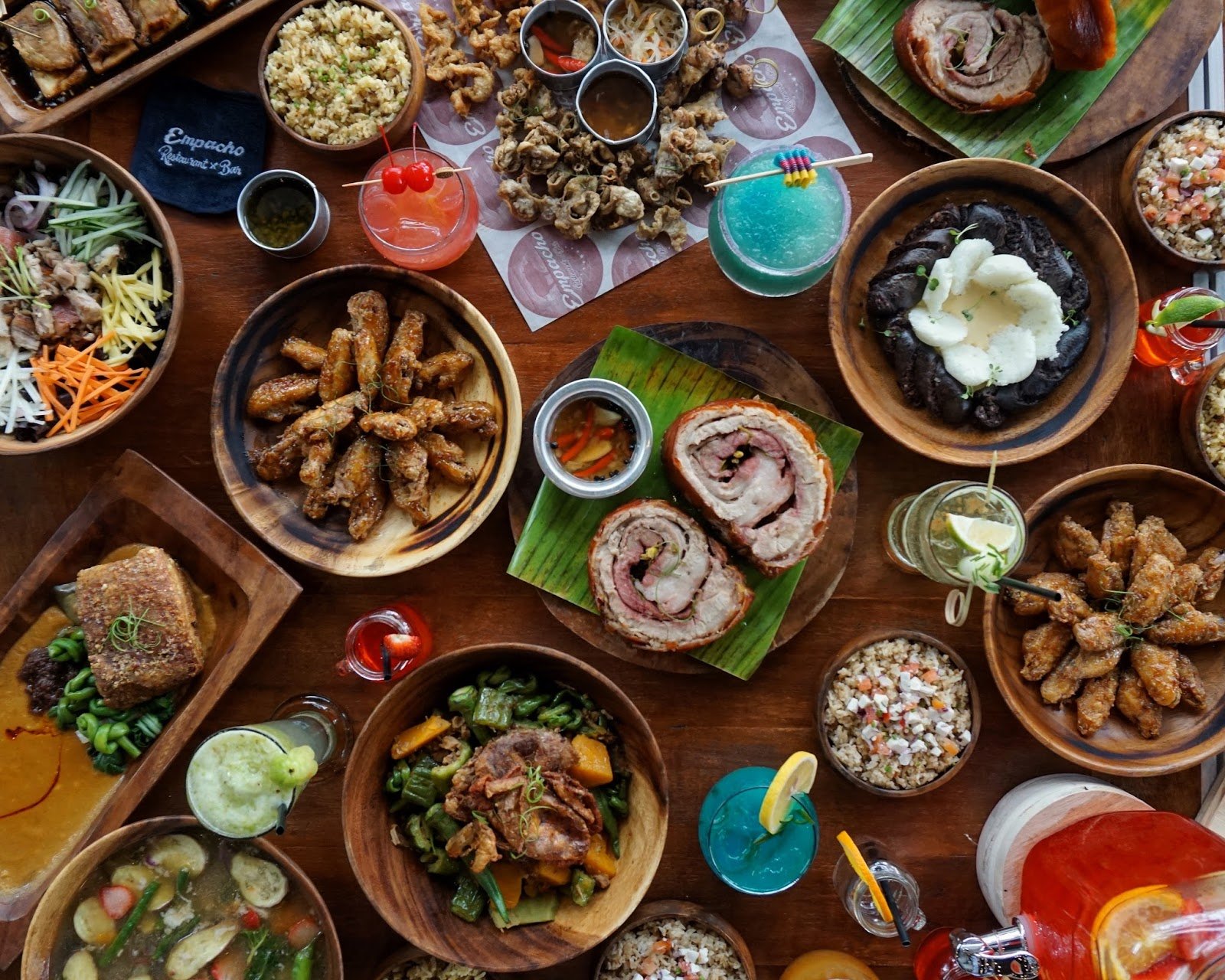
Filipino food is becoming mainstream in America because consumers increasingly seek authentic cultural dining experiences. Traditional dishes like adobo, lumpia, lechon, sisig, halo-halo, and ube desserts appeal to modern tastes while preserving Filipino heritage. Social media, talented chefs, family-owned restaurants, and expanding food businesses continue introducing Filipino cuisine to new audiences. Looking beyond 2026, stronger restaurant growth, wider grocery availability, and increased cultural appreciation are expected to make Filipino cuisine an even more important part of America’s diverse food landscape.
Food trends in the United States are constantly changing, but some cuisines are making a lasting impression instead of becoming short-lived fads. One of the biggest culinary success stories is the growing popularity of Filipino food across the country. Filipino food USA 2026 reflects this exciting shift, with more Americans discovering rich flavors, comforting meals, and the culture behind every dish.
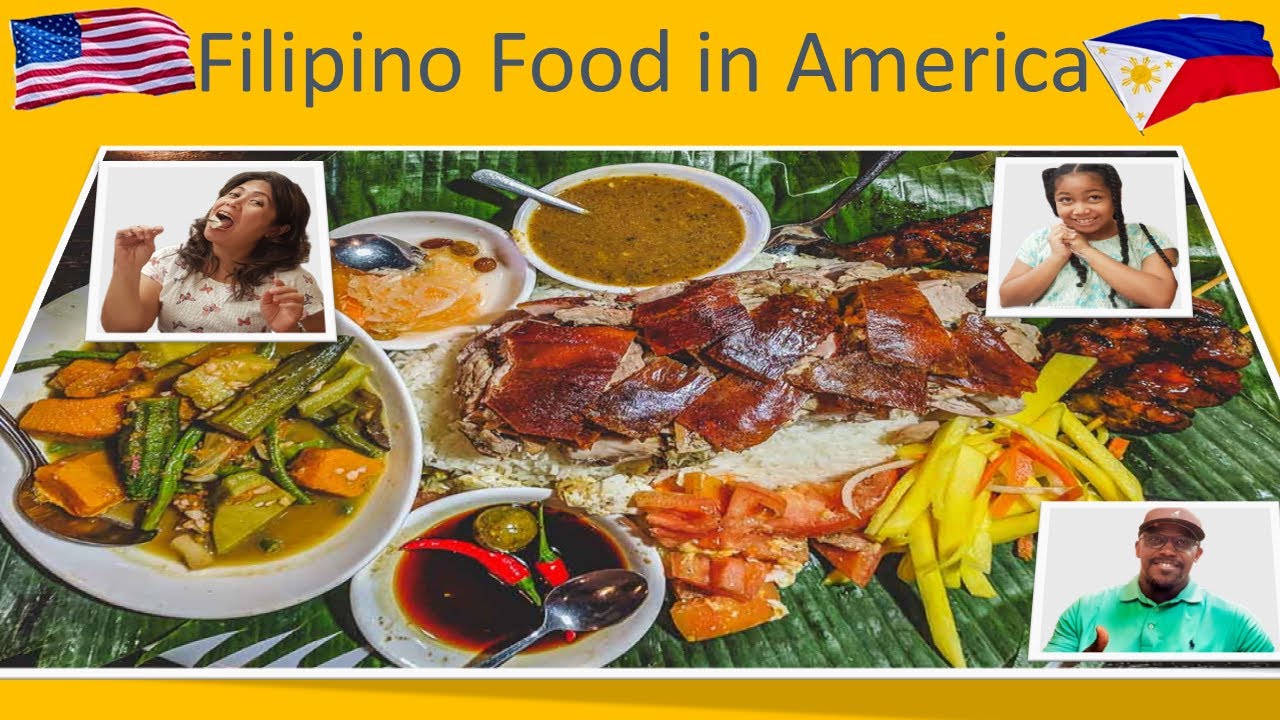
Why Filipino Food USA 2026 Is Gaining National Attention
Filipino cuisine is receiving more attention because American diners are looking for authentic experiences instead of ordinary meals. They want foods that tell a story, celebrate tradition, and introduce exciting flavors without feeling unfamiliar. More Americans now actively seek authentic cultural dining experiences every weekend together. Filipino food delivers all of these qualities while remaining comforting and approachable.
The Growth of Filipino-American Communities
Filipino-American families have helped preserve traditional recipes for generations while introducing neighbors and friends to their favorite dishes. As communities continue to grow across major cities, local restaurants and food businesses are expanding alongside them. Community celebrations often introduce traditional Filipino dishes to curious first-time visitors everywhere. These shared experiences naturally create interest in Filipino cooking. Recent industry data shows interest in Filipino food has surged sharply among younger diners, driven largely by the growing visibility of Filipino-American communities.
Changing American Food Preferences
Today’s diners enjoy exploring global cuisines instead of sticking to familiar menus. They appreciate balanced flavors that combine sweetness, saltiness, sourness, and umami in one meal. Modern consumers enjoy discovering unique flavors through everyday dining adventures and travel. Filipino cuisine fits perfectly into this changing food culture because it offers both comfort and excitement.
The Influence of Multicultural Dining
Restaurants across America are embracing multicultural menus that celebrate different traditions. Filipino dishes are increasingly featured alongside other popular Asian cuisines, making them easier for new customers to discover. Diverse menus encourage guests to try unfamiliar dishes with growing confidence today. This wider exposure continues to build awareness of Filipino culinary traditions. This same multicultural wave has already reshaped American menus, our guide to Indian fusion food recipes shows how another Asian cuisine successfully blended tradition with modern American tastes.
How Filipino Cuisine America Has Evolved
The success of Filipino cuisine America is built on respect for tradition while embracing modern creativity. Many chefs preserve family recipes but present them with contemporary techniques that appeal to today’s diners. Innovation keeps traditional recipes exciting without losing their authentic cultural identity completely. This balance helps Filipino food connect with a broader audience.
Traditional Recipes That Stand the Test of Time
Many Filipino dishes have remained popular because they focus on simple ingredients and slow cooking techniques. Meals often bring families together and reflect regional traditions passed down through generations. Classic recipes continue inspiring chefs while preserving valuable family cooking traditions carefully. Their timeless appeal remains one of Filipino cuisine’s greatest strengths.
Modern Interpretations by Creative Chefs
A new generation of chefs is introducing Filipino flavors in creative ways without changing their core identity. Traditional ingredients now appear in gourmet tasting menus, specialty sandwiches, and innovative desserts. Creative presentations help younger diners appreciate traditional Filipino flavors with fresh excitement. These modern ideas make Filipino cuisine more accessible to wider audiences.
Fusion Without Losing Authenticity
Fusion cuisine has introduced Filipino flavors to people who may have never tried them otherwise. Burgers with adobo seasoning, ube pastries, and sisig tacos attract curious diners while encouraging them to explore authentic dishes later. Successful fusion respects original recipes while encouraging exciting culinary experimentation across communities. Authenticity remains the foundation behind every successful fusion concept. Belizean cuisine followed a similar path in the U.S., where Creole, Garifuna, and Maya influences blend into unforgettable dishes without losing their cultural roots.
Trending Filipino Dishes Americans Love
Certain Filipino dishes have become favorites because they combine familiar ingredients with bold, memorable flavors. They appeal to both adventurous food lovers and people trying Filipino cuisine for the first time. Signature dishes continue attracting curious diners through unforgettable flavors and comforting ingredients together. These meals are helping Filipino food reach mainstream recognition.
| Filipino Dish | Flavor Profile | Why Americans Enjoy It |
|---|---|---|
| Adobo | Savory, tangy, garlicky | Familiar comfort with bold flavor |
| Lumpia | Crispy, flavorful | Perfect appetizer or snack |
| Lechon | Rich, crispy | Popular for celebrations and gatherings |
| Sisig | Savory, sizzling | Great for sharing and modern dining |
| Halo-Halo | Sweet, refreshing | Unique dessert for warm weather |
| Ube Desserts | Creamy, mildly sweet | Eye-catching and social media friendly |
Why Adobo USA Has Become a Favorite
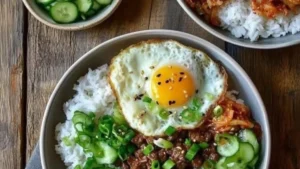
Adobo USA has become one of the easiest introductions to Filipino cuisine because its flavors feel both familiar and unique. The combination of soy sauce, vinegar, garlic, and spices creates a rich meal that pairs well with rice. Its balanced flavor satisfies adventurous eaters without overwhelming first-time diners completely. Every family often has its own version, making each experience slightly different.
Why Lumpia Restaurants Continue Expanding
Lumpia has become a popular menu item because it is easy to enjoy as an appetizer, snack, or party food. Crispy wrappers and flavorful fillings appeal to diners of all ages. Crunchy textures make lumpia an instant favorite among many restaurant guests everywhere. More lumpia restaurants are opening because customer demand continues to grow.
How the Lechon Trend Reached American Menus
The lechon trend reflects America’s growing appreciation for celebration foods that bring people together. Known for crispy skin and tender meat, lechon often becomes the centerpiece of family gatherings and festivals. Festive dishes create memorable dining experiences that customers eagerly recommend to others. As Filipino festivals gain popularity, more restaurants proudly feature lechon on their menus.
Sisig: A Modern Crowd Favorite
Sisig has evolved from a traditional Filipino dish into one of the most talked-about menu items in modern restaurants. Served sizzling with bold seasonings, it delivers a rich combination of flavors and textures. Its vibrant presentation immediately captures attention before guests enjoy every delicious bite. Many chefs also create creative vegetarian and seafood versions that appeal to wider audiences.
Halo-Halo and Ube Desserts Win Hearts
Desserts have introduced many Americans to Filipino cuisine long before they try savory dishes. Halo-halo offers a colorful mix of shaved ice, fruits, beans, jelly, and milk, while ube desserts stand out with their beautiful purple color and gentle sweetness. Eye-catching desserts often inspire customers to share their dining experiences online instantly. Social media has played a major role in making these treats recognizable across the United States.
Why Social Media Is Fueling Filipino Food’s Growth
Social media has transformed how people discover restaurants and new cuisines. Viral videos, recipe creators, and food influencers have introduced millions of viewers to Filipino dishes through engaging storytelling instead of traditional advertising. Visual platforms encourage millions to explore exciting cuisines from their mobile screens daily. As a result, Filipino food continues reaching audiences who may never have encountered it otherwise.
TikTok Recipes Bring Filipino Cooking Home
Short cooking videos have made Filipino recipes easier to understand for beginners. Home cooks now feel confident preparing adobo, pancit, lumpia, and ube desserts after watching step-by-step demonstrations. Simple recipe videos inspire families to cook together more frequently at home. This growing interest has strengthened appreciation for Filipino culinary traditions while encouraging more people to visit authentic restaurants.
Filipino Restaurants Expanding Across America
The growing demand for Filipino cuisine has encouraged restaurants to open in cities far beyond traditional Filipino communities. Independent chefs, family-owned businesses, and modern dining concepts are introducing authentic flavors to wider audiences. New restaurant openings continue reflecting America’s growing appetite for cultural dining experiences. As customers become more adventurous, Filipino restaurants are earning loyal followings across the country.
Major Food Cities Leading the Trend
Cities like Los Angeles, San Francisco, New York, Chicago, Houston, Las Vegas, and Seattle have become important destinations for Filipino cuisine. These locations have strong Filipino communities while also attracting food lovers eager to explore international flavors. Large metropolitan areas often become launchpads for exciting culinary innovations nationwide. Their diverse dining scenes help Filipino food gain long-term visibility.
Fine Dining Elevates Filipino Cuisine
Fine dining chefs are proving that Filipino food belongs alongside the world’s most respected cuisines. Carefully plated tasting menus highlight traditional ingredients while using modern cooking techniques. Elegant presentations introduce Filipino heritage through refined and memorable dining experiences beautifully. This recognition has encouraged more diners to appreciate the cuisine beyond casual comfort food.
Casual Restaurants and Family Businesses
Family-owned restaurants remain the heart of Filipino cuisine in America. They preserve recipes passed down through generations while welcoming guests with genuine hospitality. Family traditions create authentic meals that customers happily return for repeatedly every year. These businesses continue building trust through quality food and personal connections.
Food Trucks Reach New Communities
Food trucks have made Filipino dishes more accessible at festivals, business districts, and local events. Their flexible approach allows chefs to introduce signature meals without opening a full restaurant. Mobile kitchens bring authentic Filipino flavors directly into local neighborhoods every week. This convenience helps more people discover Filipino food for the first time.
Why Filipino Food Fits the Trending Asian Food USA Movement
The growing interest in trending Asian food USA reflects a wider appreciation for regional cuisines that offer authentic flavors and cultural experiences. Filipino cuisine naturally belongs in this movement because it combines history, creativity, and comfort in every meal. Authentic regional flavors continue shaping America’s evolving dining preferences with remarkable success. Its broad appeal attracts both experienced food enthusiasts and first-time diners.
This shift mirrors broader food movements across America, much like the regional debates we cover in Southern vs Texas BBQ, where changing American palates continue to embrace bold, authentic regional flavors.
Bold Flavors Create Lasting Memories
Filipino cooking combines savory, sweet, sour, and tangy elements in balanced ways. Ingredients like vinegar, garlic, soy sauce, citrus, and fresh herbs create distinctive meals that remain memorable. Balanced flavors encourage diners to return and explore more traditional specialties later. This versatility allows Filipino dishes to suit many different tastes.
Comfort Food With Cultural Meaning
Many Filipino dishes are connected to family celebrations and everyday gatherings. Sharing meals strengthens relationships while preserving traditions across generations. Every shared meal reflects family values, warmth, and meaningful cultural connections together. These emotional experiences make Filipino cuisine especially welcoming.
Family-Style Dining Encourages Sharing
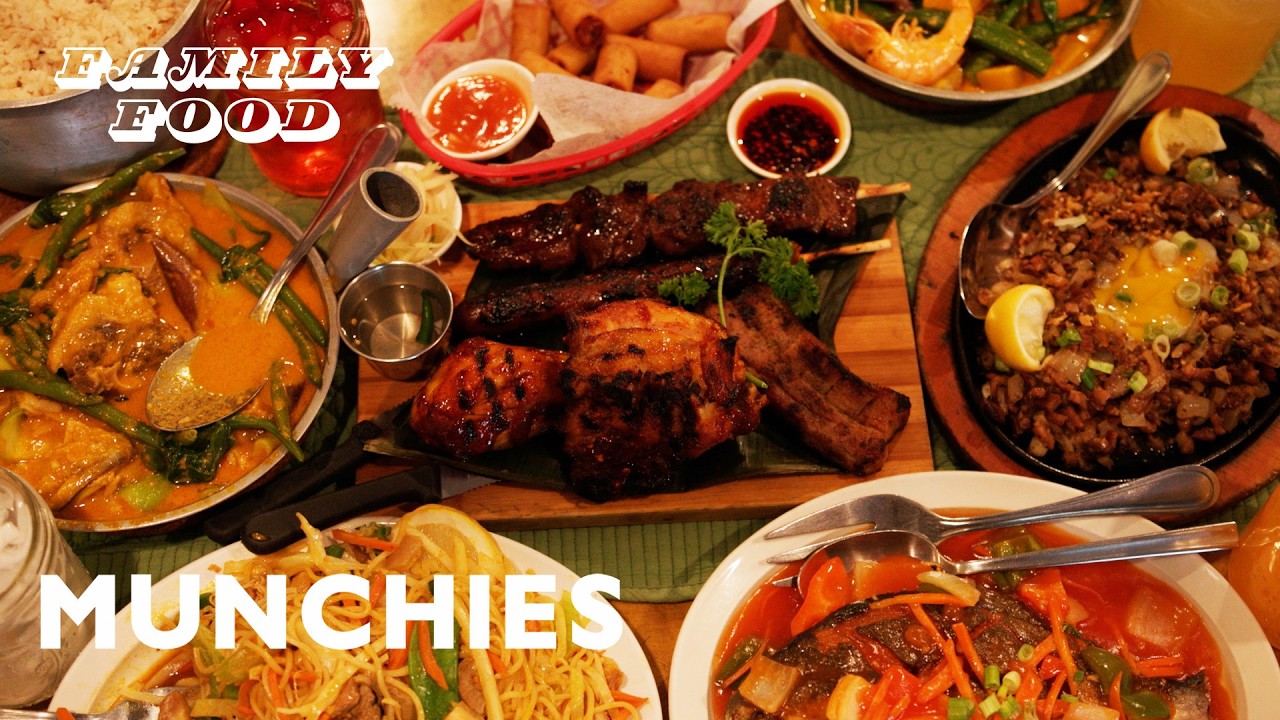
Large portions and shared plates encourage conversation around the dining table. Families and friends enjoy tasting several dishes together instead of ordering individually. Shared dining experiences strengthen relationships while introducing guests to multiple traditional recipes. This style perfectly matches today’s social dining culture.
Unique Ingredients Make Every Dish Special
Ingredients such as calamansi, banana ketchup, pandan, coconut milk, bagoong, and ube create flavors that are difficult to find elsewhere. These distinctive ingredients help Filipino cuisine stand apart from other Asian food traditions. Distinctive ingredients transform familiar recipes into unforgettable culinary experiences for everyone. Their originality continues attracting curious diners.
Future of Filipino Food USA Beyond 2026
The future looks bright as more chefs, entrepreneurs, and food lovers continue supporting Filipino cuisine. Growing restaurant openings, grocery products, and culinary education will likely introduce even more people to these remarkable flavors. The coming years promise exciting opportunities for Filipino culinary innovation across America. Continued cultural appreciation will help the cuisine maintain long-term growth.
Restaurant Growth Will Continue
Independent restaurants and national concepts are expected to expand into new markets. Increased customer demand creates opportunities for sustainable business growth. Growing customer interest encourages entrepreneurs to invest confidently in Filipino restaurants nationwide. This expansion benefits both local communities and the food industry.
Retail Products Become More Accessible
Filipino sauces, snacks, frozen meals, desserts, and specialty ingredients are appearing in mainstream grocery stores. This makes home cooking easier for new audiences. Accessible grocery products introduce authentic Filipino flavors into everyday family kitchens effortlessly. Retail availability supports long-term awareness.
A New Generation of Filipino Chefs
Young chefs proudly celebrate their heritage while introducing creative interpretations of traditional recipes. Their work bridges generations without sacrificing authenticity. Passionate young chefs continue preserving tradition while inspiring modern culinary creativity together. Their influence will shape the next chapter of Filipino cuisine.
Key Takeaways
- Filipino cuisine is becoming one of America’s fastest-growing food trends.
- Authentic storytelling and cultural heritage attract modern diners.
- Signature dishes like adobo, lumpia, lechon, sisig, halo-halo, and ube continue driving popularity.
- Social media has introduced Filipino cooking to millions of new food lovers.
- Family-owned restaurants, food trucks, and fine dining establishments are expanding nationwide.
- Greater awareness and ingredient availability will support future growth.
Conclusion
Filipino cuisine has evolved from a hidden culinary treasure into one of America’s most exciting food movements. Its comforting flavors, rich traditions, welcoming hospitality, and innovative chefs have created a strong foundation for continued success. As more people discover authentic Filipino dishes, the cuisine is earning the recognition it has long deserved. At Samppy, we believe that understanding emerging food trends helps readers appreciate not only what is popular today but also the cultural stories that make every meal meaningful.
Frequently Asked Questions
1. Why is Filipino food becoming popular in America?
Filipino food combines bold flavors, comforting recipes, and rich cultural traditions that appeal to modern diners looking for authentic dining experiences.
2. What is the most popular Filipino dish in the United States?
Chicken adobo is widely considered the most recognized Filipino dish, followed by lumpia, sisig, lechon, halo-halo, pancit, and ube-based desserts.
3. Is Filipino cuisine healthy?
Many Filipino dishes include vegetables, seafood, lean proteins, and fresh ingredients. Healthiness depends on cooking methods and portion sizes, just like any other cuisine.
4. Which American cities have excellent Filipino restaurants?
Los Angeles, San Francisco, New York, Chicago, Seattle, Houston, and Las Vegas are among the best cities for exploring authentic Filipino cuisine.
5. Will Filipino food continue growing after 2026?
Yes. Rising consumer interest, expanding restaurant businesses, increasing grocery availability, and a new generation of Filipino chefs indicate that Filipino cuisine will continue growing across the United States for years to come.