One of the best things about Korean cooking is its variety. Some meals use rice, vegetables, and eggs, while others feature noodles, tender meat, spicy sauces, or fermented ingredients such as kimchi. Moreover, many Korean recipes allow you to adjust the spice level and toppings, making them suitable for different tastes and preferences.
Whether you enjoy Korean dramas, want to explore Korean culture through food, or simply need fresh dinner inspiration, these recipes are worth trying. In this guide, you will discover eight delicious dishes with easy-to-follow ingredients and methods, helping you prepare satisfying Korean meals without making cooking complicated.
Summary of Easy Korean Food Recipes
Korean cooking combines ingredients such as rice, vegetables, soy sauce, sesame oil, garlic, fermented sauces, and chili paste to create flavorful meals. Some dishes offer comforting warmth, while others provide crispy textures, refreshing vegetables, or a satisfying mix of sweet and spicy flavors.
This collection includes eight popular dishes, including kimchi fried rice, bulgogi, bibimbap, japchae, tteokbokki, Korean fried chicken, kimchi stew, and scallion pancakes. Each recipe includes practical ingredients and straightforward steps, so you can explore Korean cooking at home.
Key Takeaways for Making Korean Recipes at Home
-
Start with simple dishes: Kimchi fried rice and bulgogi are excellent choices for beginners.
-
Stock essential ingredients: Rice, soy sauce, garlic, sesame oil, and gochujang help create familiar Korean flavors.
-
Balance different flavors: Combine savory sauces with fresh vegetables, mild rice, and a little sweetness when needed.
-
Customize your meals: Adjust chili, vegetables, proteins, and toppings according to your preferences.
-
Plan ahead: Prepare rice, chop vegetables, and mix sauces before cooking to make dinner easier.
1. Kimchi Fried Rice With Egg and Sesame Oil
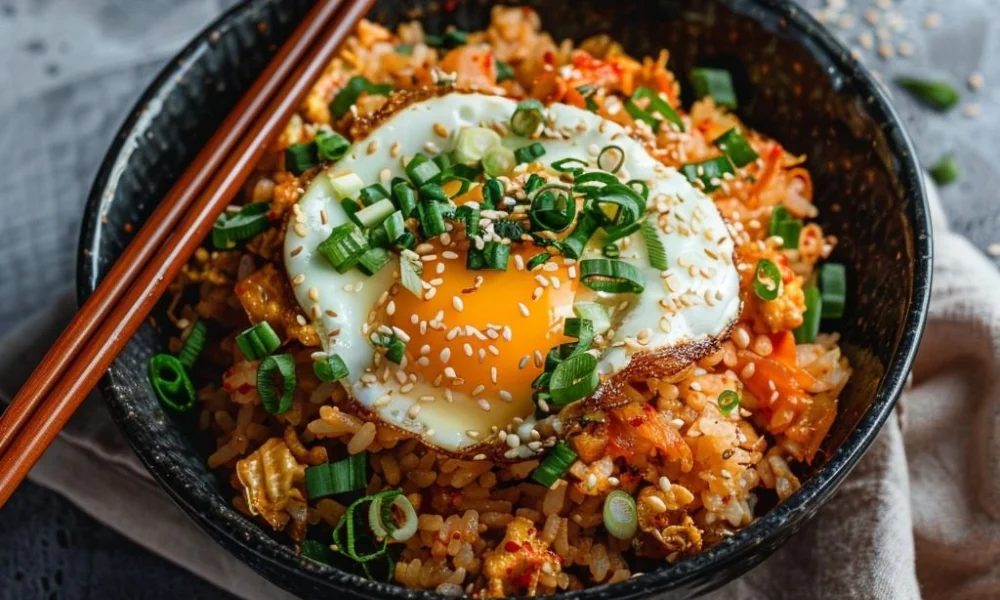
Kimchi fried rice, also known as kimchi bokkeumbap, is one of the easiest Korean food recipes to prepare at home. It combines cooked rice with tangy kimchi, garlic, and savory seasonings to create a flavorful meal using just one pan. If you enjoy simple meals with minimal cleanup, explore these one-pot dinner recipes for more easy meal ideas.
This dish works particularly well with leftover rice, making it a convenient choice for busy evenings. You can also add tofu, cooked chicken, or luncheon meat for extra protein, then finish the bowl with a fried egg.
Ingredients for Korean Kimchi Fried Rice
-
2 cups cooked, cold rice
-
1 cup chopped kimchi
-
2 tablespoons kimchi juice
-
1 tablespoon vegetable oil
-
1 small onion, chopped
-
2 garlic cloves, minced
-
1 teaspoon gochujang, optional
-
1 teaspoon sesame oil
-
2 eggs
-
1 spring onion, chopped
-
Sesame seeds for garnish
How to Make Kimchi Fried Rice
-
Heat the vegetable oil in a skillet over medium heat. Add the onion and garlic, then cook until fragrant and slightly softened.
-
Add the chopped kimchi and cook for three to four minutes. This helps soften the kimchi and deepen its flavor.
-
Stir in the gochujang and kimchi juice, if using. Next, add the cold rice and break up any large clumps.
-
Toss everything together until the rice heats through and absorbs the seasoning. Stir in the sesame oil just before turning off the heat.
-
Fry the eggs separately and place one on each serving of rice. Finally, garnish with spring onion and sesame seeds.
Serving tip: For extra flavor, add a little roasted seaweed on top. If the kimchi tastes very sour, a small pinch of sugar can help balance the dish.
2. Korean Beef Bulgogi With a Sweet and Savory Marinade
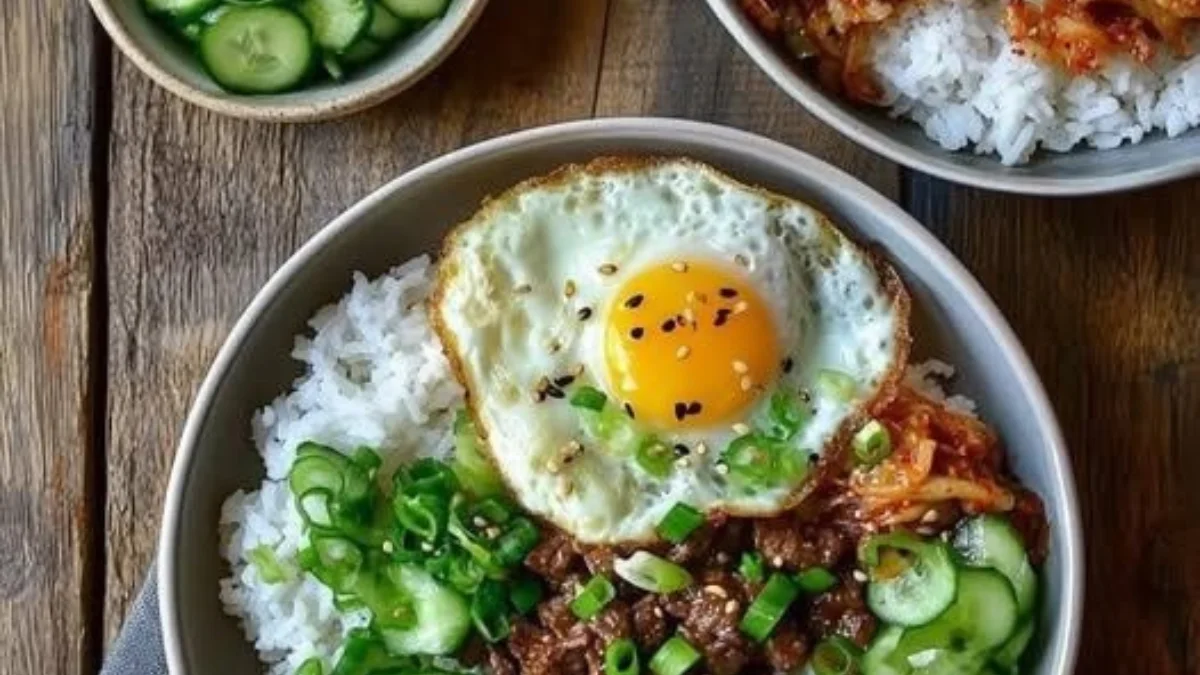
Bulgogi is a popular Korean dish made with thin slices of beef in a flavorful marinade. Soy sauce, garlic, sesame oil, and a touch of sweetness help create its signature taste, while quick cooking keeps the meat tender.
Although traditional bulgogi often uses thinly sliced beef, you can prepare a convenient version at home with beef sliced across the grain. Serve it with steamed rice, lettuce leaves, or sautéed vegetables for a satisfying Korean dinner. For more meal inspiration, explore these easy family dinner recipes to add variety to your weekly menu.
Ingredients for Homemade Beef Bulgogi
-
500 g thinly sliced beef
-
3 tablespoons soy sauce
-
1 tablespoon sesame oil
-
1 tablespoon brown sugar or honey
-
3 garlic cloves, minced
-
½ small onion, thinly sliced
-
1 teaspoon grated ginger
-
1 tablespoon grated pear or apple, optional
-
1 spring onion, chopped
-
1 teaspoon sesame seeds
-
Black pepper to taste
How to Cook Korean Beef Bulgogi
-
Combine the soy sauce, sesame oil, brown sugar, garlic, ginger, grated pear, and black pepper in a bowl.
-
Add the sliced beef and onion, then mix thoroughly so the marinade coats the meat. Cover and refrigerate for at least 20 minutes.
-
Heat a skillet over medium-high heat. Cook the beef in small batches to avoid overcrowding the pan.
-
Stir frequently until the beef browns and cooks through. Let the sauce reduce slightly so it coats the meat without becoming watery.
-
Sprinkle with spring onion and sesame seeds before serving.
Serving tip: Serve bulgogi with steamed rice, lettuce leaves, sliced cucumber, and kimchi. You can also use the cooked beef as a filling for rice bowls or wraps.
3. Korean Bibimbap With Rice, Vegetables, and Egg
Bibimbap is a colorful Korean rice bowl that combines rice, vegetables, protein, and a flavorful sauce. Its name refers to mixed rice, and the dish allows you to bring several ingredients together in one satisfying meal.
One of the best things about bibimbap is its flexibility. You can use beef, tofu, mushrooms, carrots, spinach, and bean sprouts, depending on what you have available. Furthermore, you can adjust the gochujang sauce to create a milder or spicier flavor.
Ingredients for Homemade Bibimbap
-
2 cups cooked rice
-
250 g thinly sliced beef or firm tofu
-
1 carrot, cut into thin strips
-
1 cup spinach
-
1 cup bean sprouts
-
1 cup sliced mushrooms
-
2 eggs
-
1 tablespoon soy sauce
-
1 tablespoon sesame oil
-
1 teaspoon cooking oil
-
Salt and pepper to taste
For the sauce:
-
1 tablespoon gochujang
-
1 teaspoon sesame oil
-
1 teaspoon honey or sugar
-
1 teaspoon water
-
A few drops of rice vinegar, optional
How to Prepare a Korean Bibimbap Bowl
-
Cook the rice and keep it warm while you prepare the toppings. In a small bowl, mix the gochujang, sesame oil, honey, water, and rice vinegar.
-
Heat a little cooking oil in a skillet. Cook the carrots, mushrooms, spinach, and bean sprouts separately, seasoning each lightly.
-
If using beef, cook it with the soy sauce until browned and fully cooked. If using tofu, sauté it until lightly golden.
-
Fry the eggs in a separate pan according to your preferred doneness.
-
Divide the rice between two bowls. Arrange the vegetables and beef or tofu around the rice, then place an egg on top.
-
Add the sauce and serve. Mix everything together just before eating so the flavors combine.
Serving tip: For a vegetarian version, use tofu and mushrooms instead of beef. You can also add cucumber, shredded cabbage, or other vegetables for extra freshness.
A Quick Comparison of Easy Korean Recipes
If you are unsure which dish to prepare first, use this table to find an option that matches your available time and preferred flavors.
| Korean dish | Main ingredients | Best for |
|---|---|---|
| Kimchi fried rice | Rice, kimchi, egg | Quick weeknight meals |
| Beef bulgogi | Beef, soy sauce, garlic | Savory family dinners |
| Bibimbap | Rice, vegetables, egg, gochujang | Colorful rice bowls |
| Japchae | Glass noodles, vegetables, soy sauce | Special meals and gatherings |
| Tteokbokki | Rice cakes, gochujang sauce | Spicy street-food cravings |
| Korean fried chicken | Chicken, crunchy coating, sauce | Weekend treats |
| Kimchi jjigae | Kimchi, tofu, broth | Comforting hot meals |
| Haemul pajeon | Spring onions, seafood, batter | Snacks or light dinners |
4. Japchae With Sweet Potato Glass Noodles and Vegetables
Japchae is a popular Korean noodle dish made with chewy glass noodles, vegetables, and a savory-sweet soy sauce. Traditional versions often include beef, although you can prepare a vegetarian version with mushrooms and extra vegetables.
The dish looks colorful and makes an excellent choice for family dinners or gatherings. Although you cook the ingredients separately for the best texture, the method remains straightforward once you organize everything before starting.
Ingredients for Korean Japchae
-
200 g Korean sweet potato glass noodles
-
200 g thinly sliced beef, optional
-
1 carrot, cut into thin strips
-
1 onion, thinly sliced
-
1 cup spinach
-
1 cup sliced mushrooms
-
2 tablespoons soy sauce
-
1 tablespoon sesame oil
-
1 teaspoon sugar
-
2 garlic cloves, minced
-
1 tablespoon vegetable oil
-
Sesame seeds for garnish
How to Make Korean Japchae
-
Cook the glass noodles according to the package instructions. Drain them, rinse briefly if the instructions recommend it, and set them aside.
-
Mix the soy sauce, sesame oil, sugar, and garlic in a small bowl to prepare the seasoning.
-
Heat a little oil in a skillet. Cook the onion, carrot, and mushrooms until they soften, then add the spinach and cook briefly.
-
If using beef, cook it separately until browned and fully cooked. Add the noodles, vegetables, and beef to a large pan.
-
Pour in the sauce and toss gently until everything combines. Heat for another minute or two, then finish with sesame seeds.
Serving tip: Serve japchae warm or at room temperature. For the best texture, avoid overcooking the noodles, and add a little sesame oil if they begin to stick together.
5. Tteokbokki With Chewy Rice Cakes and Spicy Sauce
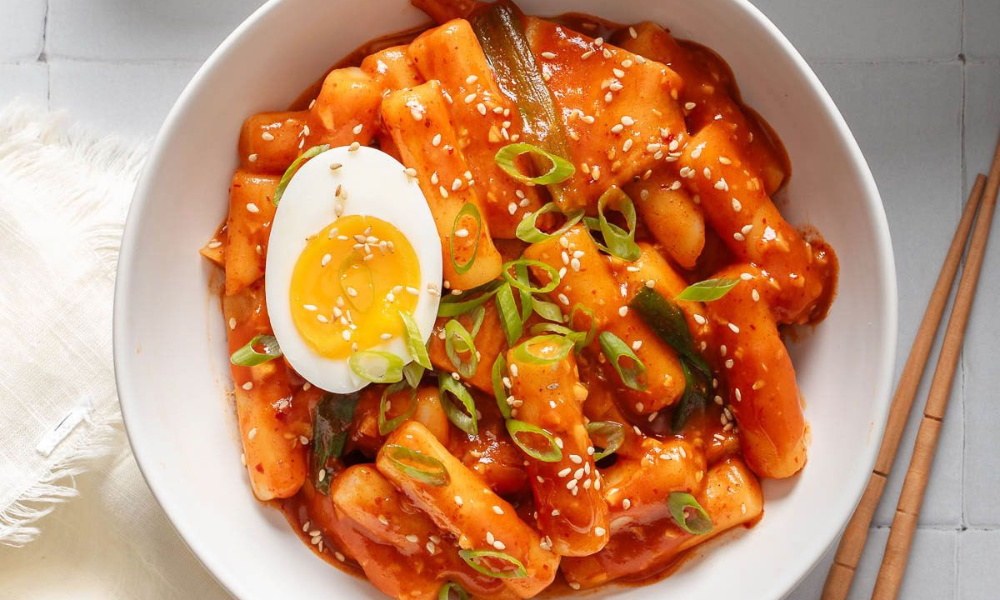
Tteokbokki is a popular Korean street-food dish featuring chewy rice cakes in a thick, sweet, and spicy sauce. Gochujang gives the sauce its deep flavor, while garlic, soy sauce, and a touch of sweetness help balance the heat.
This dish is ideal when you want to recreate a Korean street-food experience at home. Korean rice cakes have a distinctive chewy texture, so look for cylindrical rice cakes sold specifically for tteokbokki.
Ingredients for Homemade Tteokbokki
-
400 g Korean cylindrical rice cakes
-
3 cups water or anchovy stock
-
2 tablespoons gochujang
-
1 tablespoon soy sauce
-
1 tablespoon sugar
-
1 teaspoon gochugaru, optional
-
2 garlic cloves, minced
-
2 spring onions, chopped
-
2 boiled eggs, optional
-
Korean fish cakes, optional
How to Cook Korean Tteokbokki
-
If the rice cakes feel firm, soak them in warm water according to the package instructions. Drain before cooking.
-
Combine the water or stock, gochujang, soy sauce, sugar, and garlic in a wide pan. Stir until the sauce looks smooth.
-
Bring the mixture to a gentle boil, then add the rice cakes. Reduce the heat and simmer for about 10–15 minutes, stirring regularly.
-
Add the fish cakes, if using, and continue cooking until the rice cakes soften and the sauce thickens.
-
Sprinkle with spring onions and add boiled eggs if desired. Serve while hot.
Serving tip: Adjust the gochujang and gochugaru to control the spice level. Keep a little extra water nearby in case the sauce becomes too thick before the rice cakes soften.
6. Korean Fried Chicken With a Crispy Coating
Korean fried chicken is famous for its crunchy coating and flavorful sauces. Many versions use a double-frying technique to create a crisp exterior, while a sweet-spicy glaze adds an extra layer of flavor.
This recipe takes a little more effort than a rice bowl, but it makes an excellent weekend meal or sharing dish. For convenience, use small chicken pieces or wings and prepare the sauce while the chicken cooks. If you enjoy experimenting with different coatings and frying techniques, try this crispy fried chicken recipe for another delicious homemade option.
Ingredients for Korean Fried Chicken
-
700 g chicken wings or boneless chicken pieces
-
½ cup cornstarch
-
¼ cup plain flour
-
1 teaspoon garlic powder
-
½ teaspoon salt
-
½ teaspoon black pepper
-
Oil for frying
For the sauce:
-
2 tablespoons gochujang
-
1 tablespoon soy sauce
-
1 tablespoon honey
-
1 tablespoon ketchup
-
2 garlic cloves, minced
-
1 teaspoon rice vinegar
-
1 teaspoon sesame oil
How to Make Crispy Korean Fried Chicken
-
Pat the chicken dry with paper towels. Mix the cornstarch, flour, garlic powder, salt, and pepper in a bowl.
-
Coat the chicken evenly in the dry mixture. Heat oil in a deep, heavy pan, following safe frying practices and avoiding overcrowding.
-
Fry the chicken in batches until the coating turns golden and the chicken cooks through. Check that the thickest pieces reach 165°F (74°C).
-
For extra crispness, allow the first batch of chicken to rest briefly while you maintain safe oil temperature. Fry it again for a short time until the coating becomes crisp and golden.
-
In a separate saucepan, combine the gochujang, soy sauce, honey, ketchup, garlic, vinegar, and sesame oil. Heat gently until the sauce becomes glossy.
-
Toss the cooked chicken with just enough sauce to coat it, then serve immediately.
Serving tip: Add sesame seeds and chopped spring onions for extra flavor. Serve the chicken with pickled radish, cucumber, or steamed rice to balance the rich coating.
7. Kimchi Jjigae With Tofu and a Rich Broth
Kimchi jjigae is a comforting Korean stew that combines kimchi, broth, tofu, and seasonings. Its flavor becomes deeper when you use well-fermented kimchi, making it a great way to use kimchi that has become too sour to enjoy on its own.
You can make a meat-free version with mushrooms and vegetable broth, or add pork for a richer taste. Either way, the stew provides warmth and bold flavor, especially on cooler evenings.
Ingredients for Korean Kimchi Stew
-
2 cups chopped kimchi
-
200 g firm tofu, cut into cubes
-
1 small onion, sliced
-
2 garlic cloves, minced
-
1 tablespoon gochugaru, optional
-
1 teaspoon gochujang, optional
-
3 cups vegetable or anchovy broth
-
1 teaspoon sesame oil
-
1 spring onion, chopped
-
150 g thinly sliced pork, optional
How to Prepare Kimchi Jjigae
-
Heat the sesame oil in a pot over medium heat. If using pork, add it first and cook until it begins to brown.
-
Add the kimchi, onion, and garlic. Cook for several minutes to release their aroma and deepen the flavor.
-
Stir in the gochugaru and gochujang if using. Pour in the broth and bring the mixture to a gentle boil.
-
Reduce the heat and simmer for 15–20 minutes, allowing the ingredients to blend together.
-
Add the tofu and cook for another five minutes. Finish with chopped spring onions and serve hot.
Serving tip: Serve kimchi jjigae with steamed rice and simple side dishes. If the kimchi tastes very sour, add a little water or broth to balance the flavor.
8. Haemul Pajeon With Seafood and Green Onions

Haemul pajeon is a Korean pancake that combines green onions with seafood in a lightly crisp batter. The outside develops a golden crust, while the inside stays tender and flavorful, making it a popular choice for sharing.
This dish works well as a snack, appetizer, or light meal. Although you can use a Korean pancake mix for convenience, a basic flour-and-water batter also works well at home.
Ingredients for Korean Seafood Pancakes
-
1 cup plain flour
-
¾ cup cold water
-
1 egg
-
1 bunch green onions, cut to fit the pan
-
150 g mixed seafood, thawed and drained if frozen
-
½ teaspoon salt
-
2 tablespoons vegetable oil
For the dipping sauce:
-
2 tablespoons soy sauce
-
1 teaspoon rice vinegar
-
1 teaspoon sesame seeds
-
A little chopped spring onion
How to Make Haemul Pajeon
-
Whisk the flour, cold water, egg, and salt in a bowl until you have a smooth batter. Avoid overmixing.
-
Heat one tablespoon of oil in a nonstick skillet over medium heat. Arrange the green onions in the pan, then scatter the seafood evenly over them.
-
Pour the batter over the ingredients, spreading it gently to create an even layer.
-
Cook until the underside turns golden and the batter begins to set. Carefully flip the pancake and cook the other side until crisp and the seafood cooks through.
-
Mix the soy sauce, vinegar, sesame seeds, and spring onion to make the dipping sauce. Cut the pancake into pieces and serve hot.
Serving tip: Use well-drained seafood to prevent the pancake from becoming soggy. You can also make a simpler pajeon by leaving out the seafood and increasing the amount of green onion.
How to Make Korean Dinner Recipes Easier During the Week
Preparing Korean food becomes much easier when you organize the ingredients before cooking. Cook rice ahead of time, wash and chop vegetables, and mix simple sauces in advance so you can prepare dinner with less effort.
It also helps to keep a few versatile ingredients in your kitchen. Soy sauce, sesame oil, garlic, rice, gochujang, and frozen vegetables can form the base of many quick meals.
Moreover, you can use leftovers creatively throughout the week. Extra rice can become kimchi fried rice, while leftover bulgogi works well in rice bowls. Cooked vegetables can also be added to bibimbap or served alongside noodles.
Essential Ingredients for Easy Korean Food at Home
Several ingredients help create the familiar flavors of Korean cooking. Rice, soy sauce, garlic, sesame oil, spring onions, and fermented sauces appear in many dishes, making them useful starting points for a home kitchen.
Gochujang is a Korean fermented chili paste with a rich, spicy-sweet flavor. Gochugaru, on the other hand, is Korean chili powder or flakes that add heat and color to sauces, stews, and marinades. Although they both contain chili, they serve different purposes and should not be treated as identical ingredients.
Kimchi adds a tangy, fermented flavor to fried rice and stews, while sesame oil provides a nutty aroma. Once you become familiar with these basics, you can prepare more Korean recipes with confidence and adjust the flavors to match your preferences.
Conclusion: Enjoy Korean Cooking in Your Own Kitchen
Making Korean food at home is a fun way to explore new flavors and bring variety to everyday meals. From kimchi fried rice and bulgogi to spicy rice cakes and crispy seafood pancakes, these recipes offer options for quick dinners, comforting meals, and special occasions.
Start with a simple dish and gradually explore new ingredients as you become more comfortable with Korean cooking. With a few pantry staples, fresh vegetables, and flavorful sauces, you can create satisfying meals without relying on complicated methods.
Whether you prefer spicy street food, savory noodle dishes, or colorful rice bowls, there is a Korean recipe to suit your taste. Try these dishes, adjust them to your preferences, and enjoy discovering new favorites at home.
Frequently Asked Questions About Korean Food Recipes
1. What Are the Easiest Korean Food Recipes for Beginners?
Kimchi fried rice, bulgogi, and bibimbap are excellent choices for beginners. They use straightforward cooking methods and familiar ingredients, while special seasonings such as gochujang help create recognizable Korean flavors.
2. What Ingredients Should I Buy for Korean Cooking?
Start with rice, soy sauce, garlic, sesame oil, spring onions, kimchi, and gochujang. If you want to make dishes such as japchae or tteokbokki, you may also need Korean glass noodles or rice cakes.
3. Can I Make Korean Dinner Recipes Without Meat?
Yes, many Korean dishes work well without meat. You can prepare vegetable bibimbap, tofu kimchi stew, vegetarian japchae, or scallion pancakes without seafood. Check the kimchi, broth, and sauces to ensure they suit your dietary preferences.
4. Are Korean Recipes Always Spicy?
No, Korean food includes both spicy and mild dishes. Bulgogi, japchae, and many bibimbap variations can have a mild flavor, while tteokbokki and some kimchi stews often contain chili. You can adjust the amount of chili paste or powder to suit your taste.
5. What Can I Serve With Korean Food at Home?
Steamed rice works well with bulgogi, kimchi stew, and other saucy dishes. You can also serve Korean meals with cucumber salad, kimchi, sautéed vegetables, or other small side dishes known as banchan.