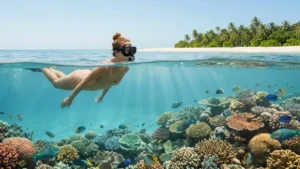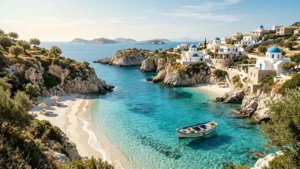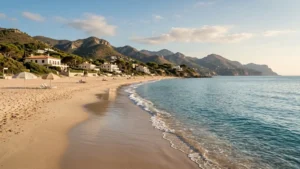
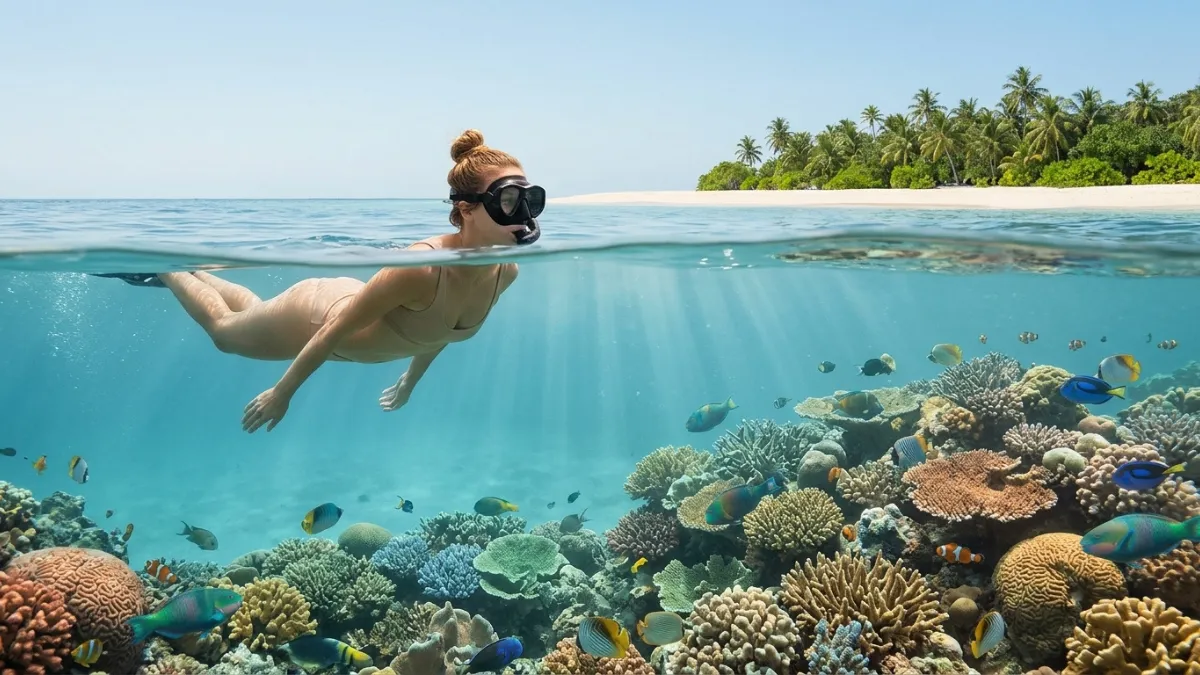
Snorkeling is one of the easiest and most rewarding ways to explore the underwater world. With a mask, snorkel, and fins, you can discover colorful coral reefs, tropical fish, sea turtles, and fascinating marine ecosystems without needing advanced diving skills. From warm Caribbean waters to the vibrant reefs of the Indian Ocean, the world offers countless opportunities for unforgettable underwater experiences.
If you are planning a tropical getaway or looking for your next ocean adventure, choosing the right destination can make all the difference. The best places to snorkel combine clear water, healthy marine environments, accessible reefs, and diverse sea life.
Here are five incredible snorkeling destinations worth adding to your travel list.
1. Great Barrier Reef – Australia
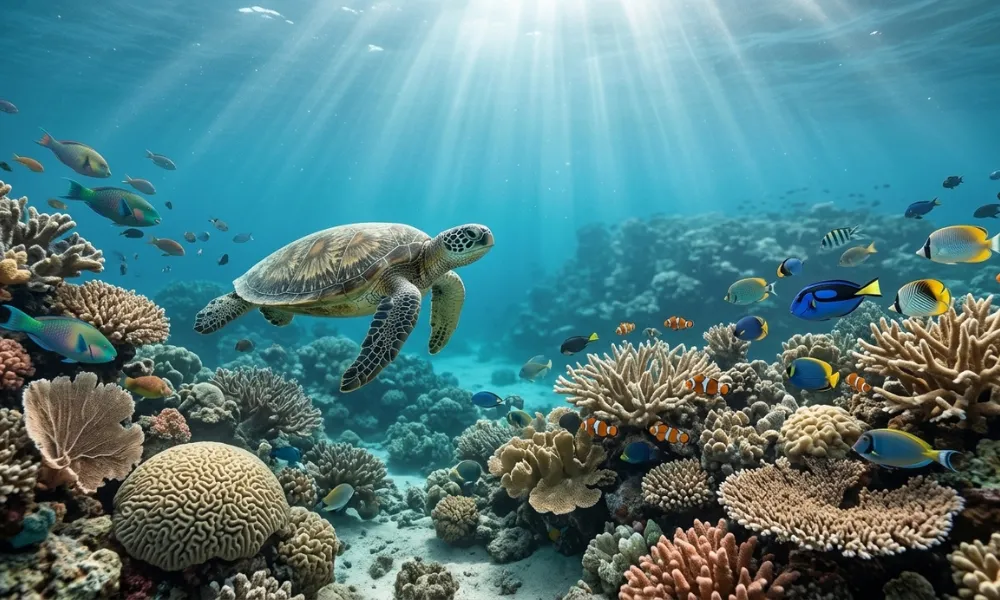
The Great Barrier Reef is one of the world’s most famous marine destinations and a remarkable choice for snorkeling enthusiasts. Located off the coast of Queensland, Australia, this enormous reef system stretches for more than 2,300 kilometers and contains an extraordinary variety of coral and marine life.
Snorkelers can explore shallow reef areas filled with colorful fish, sea turtles, rays, and different coral formations. Popular departure points include Cairns, Port Douglas, and the Whitsunday Islands, where guided boat trips take visitors to selected reef locations.
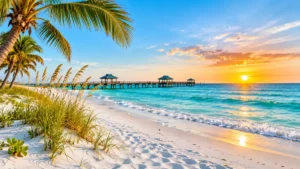
The reef offers experiences for beginners and experienced snorkelers alike. Many tour operators provide equipment, safety instructions, and guided excursions, making it easier for first-time visitors to enjoy the underwater scenery. Travelers exploring other coastal destinations can also discover some of the best beaches along Florida’s Gulf Coast.
What makes it special:
- Extensive coral reef ecosystems.
- Opportunities to see tropical fish and sea turtles.
- Guided snorkeling tours for different experience levels.
- Multiple access points along Queensland’s coastline.
Best time to visit: Generally June to October, when conditions are often favorable and visibility can be excellent.
2. Hanauma Bay – Oahu, Hawaii
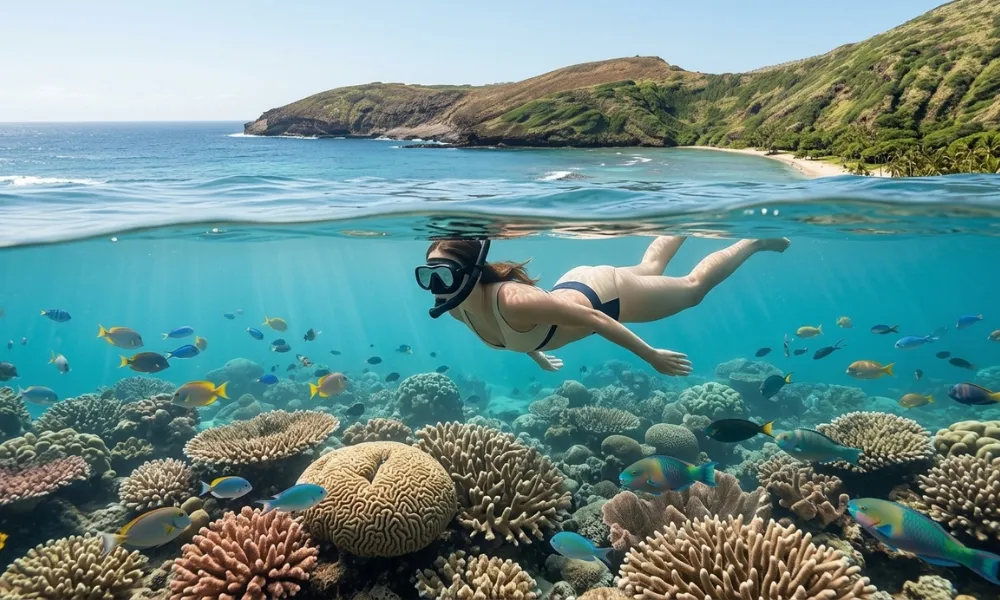
Hanauma Bay is one of Hawaii’s best-known snorkeling locations, celebrated for its clear water, sheltered setting, and colorful marine life. Located on the southeastern coast of Oahu, this protected nature preserve sits inside a volcanic crater that forms a naturally curved bay.
The relatively shallow reef areas make Hanauma Bay appealing to beginners who want to experience snorkeling in a scenic and protected environment. Visitors may encounter parrotfish, butterflyfish, tangs, and other tropical species moving around the coral reef.
Because the bay is a protected marine conservation area, visitors must follow local rules designed to protect the ecosystem. Reservations, entry requirements, and visitor access arrangements can change, so check the official Hanauma Bay website before planning your visit.
What makes it special:
- Sheltered coastal waters.
- Colorful tropical fish and coral formations.
- Scenic volcanic surroundings.
- A popular location for beginner-friendly snorkeling.
Best time to visit: Spring and early autumn often offer pleasant conditions, although ocean conditions should always be checked before entering the water.
3. Maldives – Indian Ocean
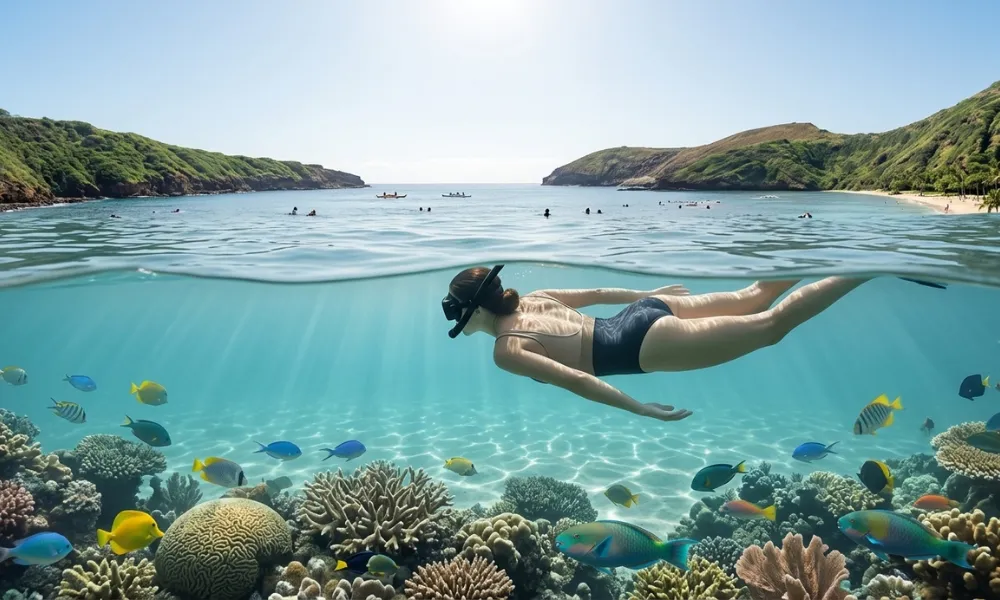
The Maldives is a dream destination for anyone interested in tropical marine life. This island nation in the Indian Ocean is surrounded by warm waters, coral reefs, and beautiful lagoons that provide excellent snorkeling opportunities.
Many resorts have house reefs that can be reached directly from the beach or a nearby jetty. These reefs allow visitors to explore underwater landscapes without taking a long boat trip. Depending on the location and conditions, snorkelers may see reef fish, sea turtles, rays, and even reef sharks.
Some of the most memorable experiences take place around coral gardens and shallow lagoons, where sunlight illuminates the colorful marine environment. Guided excursions can also take visitors to nearby reefs and suitable marine-life viewing areas.
The Maldives offers options for different budgets, from private island resorts to local island guesthouses. Before booking, check whether your accommodation has easy access to a suitable house reef, especially if you’re considering the best places to visit in spring for a relaxing tropical getaway.
What makes it special:
- Warm, clear tropical waters.
- House reefs at many island resorts.
- Opportunities to encounter turtles, rays, and reef fish.
- Beautiful lagoons and coral gardens.
Best time to visit: November to April is generally the drier season, although snorkeling conditions vary by atoll and local weather.
4. Raja Ampat – Indonesia
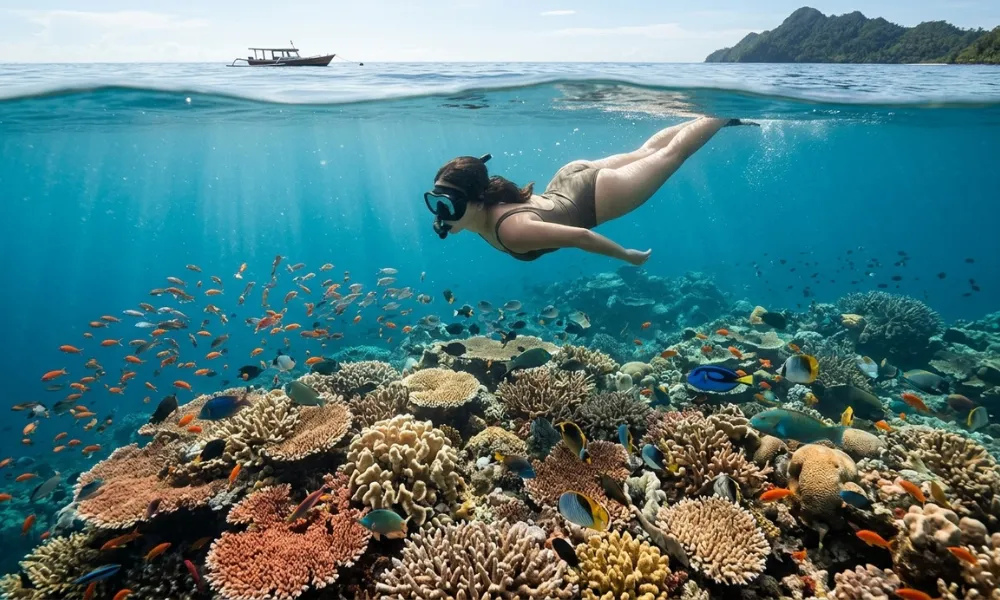
Raja Ampat is widely recognized as one of the world’s richest marine biodiversity regions. Located in Indonesia’s West Papua region, this remote archipelago features hundreds of islands, turquoise lagoons, limestone formations, and remarkable coral reef systems.
Its underwater environment is particularly impressive because of the variety of marine species found throughout the region. Snorkelers can discover colorful reef fish, sea turtles, soft corals, and impressive coral gardens. Some locations have shallow reefs that make the marine scenery accessible without scuba equipment.
Popular areas include the islands around Waigeo, Misool, and Dampier Strait. However, conditions and accessibility vary, so local guides can help visitors choose appropriate snorkeling locations based on their experience and the weather.
Raja Ampat is also an important conservation destination. Responsible tourism is essential to protect its fragile marine ecosystems, especially its coral reefs.
What makes it special:
- Exceptional marine biodiversity.
- Extensive coral reef systems.
- Beautiful tropical islands and lagoons.
- Opportunities to explore relatively undisturbed marine environments.
Best time to visit: October to April is commonly considered a favorable period, although local sea conditions differ throughout the archipelago.
5. Great Blue Hole and Hol Chan Marine Reserve – Belize
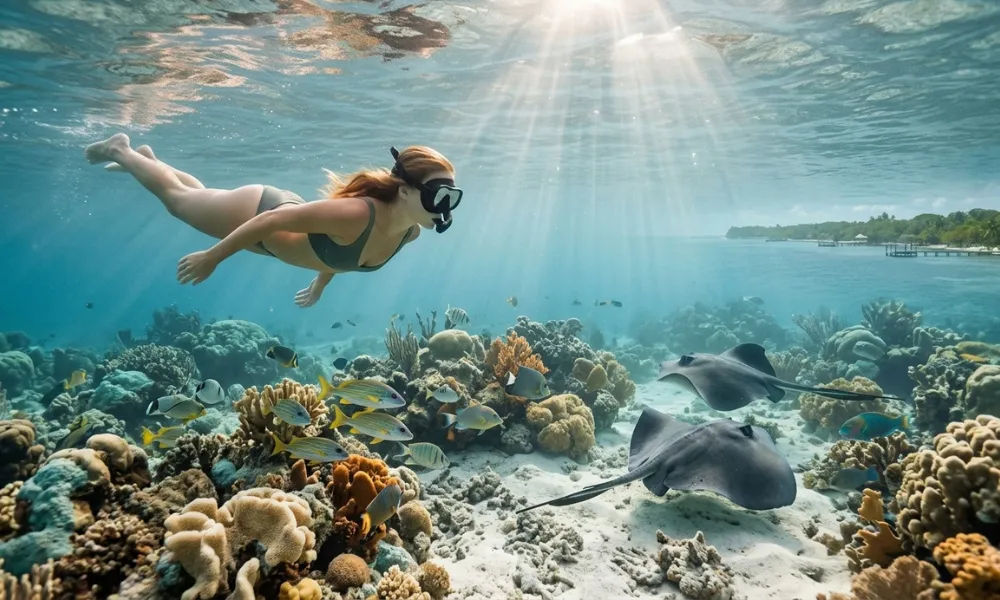 Belize is a fantastic destination for underwater exploration, especially for travelers interested in coral reefs and Caribbean marine life. Its coastline is home to part of the Belize Barrier Reef, one of the largest reef systems in the world.
Hol Chan Marine Reserve, near Ambergris Caye, is among the country’s most popular snorkeling areas. Its shallow reef sections provide opportunities to observe tropical fish, rays, sea turtles, and coral formations. Nearby Shark Ray Alley is also well known for encounters with nurse sharks and southern stingrays under guided supervision.
The Great Blue Hole is another famous marine landmark in Belize. However, it is a deep marine sinkhole primarily known for scuba diving rather than beginner snorkeling. Travelers interested in snorkeling should focus on the surrounding barrier reef and shallower marine reserves instead, especially when exploring the top places to visit in 2027.
Belize offers a mix of accessible snorkeling excursions, island experiences, and opportunities to explore protected marine habitats.
What makes it special:
- Access to the Belize Barrier Reef.
- Colorful marine life at Hol Chan Marine Reserve.
- Guided wildlife encounters near Shark Ray Alley.
- Beautiful Caribbean waters and island scenery.
Best time to visit: Generally December to May, when the weather is often drier and sea conditions can be favorable.
Tips for a Safe and Enjoyable Snorkeling Experience
Before exploring any of these destinations, keep a few practical points in mind:
- Choose suitable equipment: Use a comfortable, well-fitting mask and snorkel. Fins can help you move through the water more efficiently.
- Check ocean conditions: Avoid snorkeling during strong currents, rough seas, or poor visibility.
- Never snorkel alone: Go with a companion or a qualified guide, especially in unfamiliar locations.
- Protect marine life: Never touch, stand on, or remove coral. Keep a respectful distance from turtles, rays, and other animals.
- Use reef-safe sun protection: Wear a rash guard or sun-protective clothing and follow local guidance on sunscreen.
- Know your limits: Choose shallow, calm areas if you are a beginner, and use a flotation aid if needed.
- Follow local regulations: Marine reserves may have restrictions, entry requirements, or designated snorkeling areas.
Frequently Asked Questions
1. What are the best places to snorkel in the world?
Some of the best places to snorkel include Australia’s Great Barrier Reef, Hanauma Bay in Hawaii, the Maldives, Raja Ampat in Indonesia, and Hol Chan Marine Reserve in Belize.
2. Where is the best place for beginner snorkeling?
Hanauma Bay in Hawaii and selected shallow reef areas in the Maldives can be suitable for beginners when conditions are calm and local safety guidance is followed.
3. What is the best time of year to go snorkeling?
The best time depends on the destination. Many tropical locations have seasonal weather patterns that affect water visibility, currents, and sea conditions. Check local forecasts before your trip.
4. Do you need to know how to swim to snorkel?
Basic swimming ability is strongly recommended. Beginners should consider using a properly fitted flotation aid, staying in shallow water, and snorkeling with a qualified guide or companion.
5. What marine animals can you see while snorkeling?
Depending on the destination, you may see tropical fish, sea turtles, rays, reef sharks, and many types of coral. Wildlife sightings are never guaranteed, and animals should always be observed from a respectful distance.
Conclusion
The best places to snorkel offer more than beautiful beaches. They provide opportunities to discover vibrant coral reefs, observe fascinating marine life, and experience the ocean from a completely different perspective.
The Great Barrier Reef is an outstanding choice for exploring a vast reef system, while Hanauma Bay offers a sheltered snorkeling experience in Hawaii. The Maldives combines tropical lagoons with accessible house reefs, Raja Ampat stands out for its extraordinary marine biodiversity, and Belize provides memorable Caribbean reef adventures.
Whichever destination you choose, responsible snorkeling helps protect these underwater environments for future generations. Respect marine life, follow local safety guidance, and enjoy the experience without disturbing the natural ecosystem.