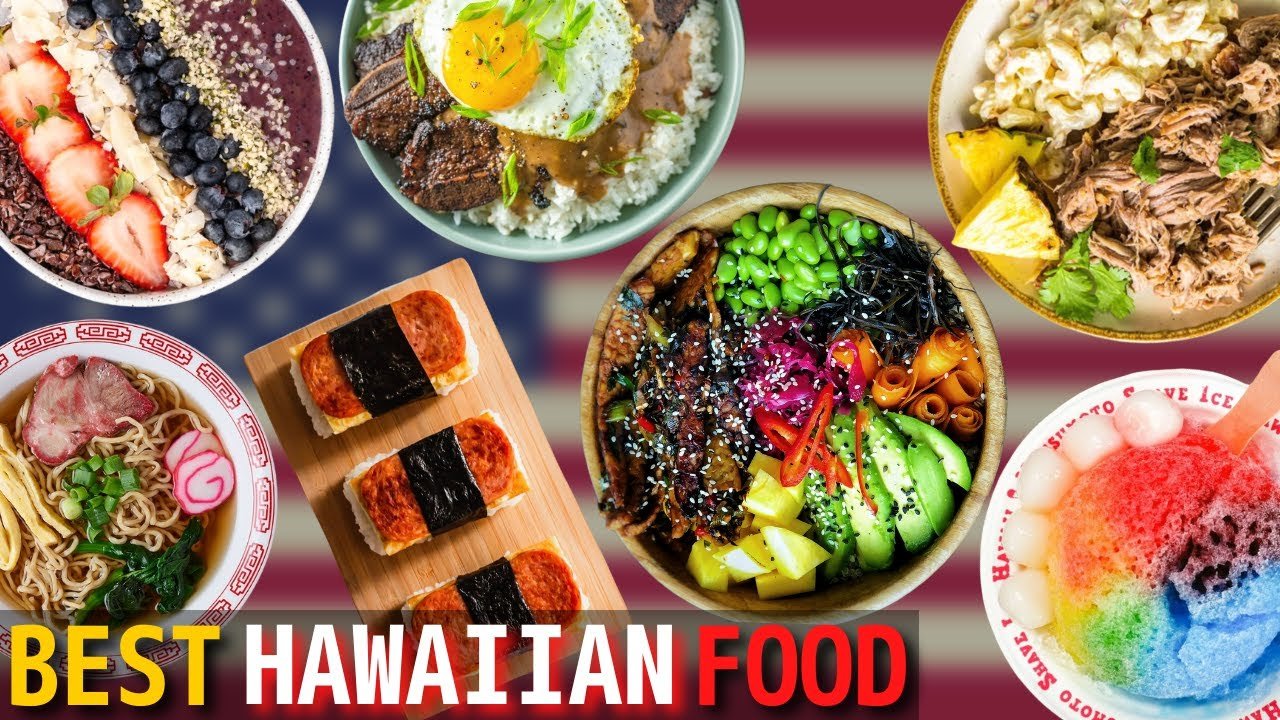
Planning your first Hawaiian vacation? Focus on experiencing authentic local flavors rather than only tourist hotspots. This guide highlights traditional Hawaiian dishes like poi, lau lau, and kalua pig, alongside modern favorites such as poke, garlic shrimp, and loco moco. It also covers the best desserts, seafood, breakfast options, dining etiquette, and practical tips for exploring Oahu’s vibrant food scene. Following these recommendations will help you enjoy a richer and more authentic Hawaiian culinary experience.
Visiting Hawaii is exciting, but the food often becomes the most memorable part of the trip. This hawaii food guide helps first-time visitors discover the dishes locals truly love. Every island offers fresh seafood, tropical fruits, and comforting meals that reflect generations of cultural influence. Hawaiian food tells stories through simple ingredients, family traditions, and flavors that feel both familiar and completely new.
Why Hawaiian Cuisine Is Unlike Anywhere Else
Hawaiian cuisine is much more than tropical fruits and seafood. It represents centuries of cultural exchange that shaped the islands into one of the world’s most unique food destinations. Every meal reflects a blend of Native Hawaiian traditions and immigrant influences. That diversity makes eating in Hawaii an experience rather than simply having a meal, much like the layered flavors found in these Belizean food recipes, which also reflect generations of cultural blending.
The Cultural Influences Behind Hawaiian Food
Hawaiian cuisine developed through the meeting of Native Hawaiian, Japanese, Chinese, Filipino, Portuguese, Korean, and American traditions. These communities introduced cooking techniques and ingredients that blended naturally over time. Local food culture continues evolving while respecting its historical roots. Today, one plate may feature flavors from several cultures working perfectly together,, not unlike the creative pairings found in these Indian fusion food recipes.
Traditional vs. Modern Hawaiian Cuisine
Traditional Hawaiian food focuses on ingredients that Native Hawaiians relied on for centuries. Taro, pork, fish, sweet potatoes, coconut, and seaweed formed the foundation of everyday meals. Ancient cooking methods emphasized natural flavors and slow preparation. Many of these traditions continue through family recipes and cultural events.
Must Eat Foods in Hawaii
No first trip feels complete without trying the island’s signature dishes. These meals introduce travelers to authentic flavors while showcasing Hawaii’s multicultural identity. Some recipes have existed for centuries, while others became local classics through immigration. Each dish offers a different story about the islands and their people.
Poke
Poke is one of Hawaii’s most famous dishes for good reason. Fresh ahi tuna is cut into cubes and mixed with soy sauce, sesame oil, onions, and seaweed. High-quality fish creates an unforgettable eating experience. First-time visitors should begin with a classic shoyu poke before exploring spicy variations.
Kalua Pig
Kalua pig is slow-cooked until the meat becomes incredibly tender and smoky. Traditionally, it is prepared inside an underground oven called an imu. Slow cooking creates rich flavors with very little seasoning. It is commonly served alongside rice, cabbage, or poi during traditional meals.
Lau Lau
Lau lau features pork, chicken, or fish wrapped inside taro leaves. The bundles are steamed slowly until every ingredient becomes soft and flavorful. Taro leaves add earthy notes to the finished dish. It remains one of the most authentic local Hawaiian dishes available today.
Poi
Poi is made by pounding cooked taro root into a smooth paste. The flavor is mild with a slightly tangy finish that surprises many visitors. This traditional staple has nourished Hawaiian communities for generations. Pairing it with savory dishes helps appreciate its unique taste.
Lomi Salmon
Lomi salmon combines salted salmon with chopped tomatoes and sweet onions. The refreshing mixture is served chilled beside traditional Hawaiian meals. Fresh vegetables balance the salty richness of the fish. It provides a bright contrast to heavier meat dishes.
Plate Lunch
A plate lunch represents everyday comfort food throughout Hawaii. Most versions include two scoops of rice, macaroni salad, and a choice of grilled meat or seafood. Large portions make this meal excellent value for travelers. It perfectly reflects the multicultural history behind local Hawaiian dishes, a comfort-food spirit you’ll also find in these Belize food recipes, built around rice, beans, and slow-cooked meats.
Spam Musubi
Spam musubi has become one of Hawaii’s most recognizable grab-and-go snacks. Grilled Spam sits on seasoned rice and is wrapped with seaweed. Simple ingredients create a surprisingly satisfying meal. Convenience stores and local cafés sell fresh versions throughout the islands.
Loco Moco
Loco moco is hearty comfort food that satisfies even the biggest appetite. Rice is topped with a hamburger patty, brown gravy, and a fried egg. Rich flavors make every bite deeply satisfying. Many locals enjoy it for breakfast, lunch, or even dinner.
Garlic Shrimp
Garlic shrimp became internationally famous thanks to Oahu’s legendary shrimp trucks. Fresh shrimp cook quickly in butter, garlic, and local seasonings. The aroma alone attracts hungry travelers nearby. Serve it with steamed rice for the perfect island lunch, if you love bold, garlicky seafood, you’ll also enjoy the Vida Mariscos menu, known for its coastal Mexican shrimp and seafood dishes.
Huli Huli Chicken
Huli huli chicken is marinated before being grilled over an open flame. The sweet and savory sauce caramelizes beautifully during cooking. Smoky flavors make this dish incredibly popular at local events. It pairs wonderfully with rice and fresh pineapple.
Popular Hawaiian Foods at a Glance
| Food | Main Ingredients | Best Meal | Beginner Friendly |
|---|---|---|---|
| Poke | Fresh ahi tuna | Lunch | yes |
| Kalua Pig | Slow-roasted pork | Lunch/Dinner | Yes |
| Lau Lau | Meat wrapped in taro leaves | Dinner | Yes |
| Poi | Taro root | Side Dish | Yes |
| Lomi Salmon | Salmon, tomatoes, onions | Side Dish | Yes |
| Plate Lunch | Rice, macaroni salad, protein | Lunch | yes |
| Spam Musubi | Spam, rice, seaweed | Snack | Yes |
| Loco Moco | Rice, beef, egg, gravy | Breakfast/Lunch | Yes |
| Garlic Shrimp | Shrimp, garlic, butter | Lunch | Yes |
| Huli Huli Chicken | Marinated grilled chicken | Lunch/Dinner | Yes |
Best Hawaiian Desserts and Sweet Treats
A trip to Hawaii should always include room for dessert. The islands offer tropical sweets that blend local ingredients with international baking traditions. Many desserts have become cultural icons loved by locals and tourists alike. They provide the perfect ending after a flavorful Hawaiian meal.
Shave Ice
Shave ice is softer and lighter than a traditional snow cone. Finely shaved ice absorbs colorful fruit syrups without becoming crunchy. Many shops also add ice cream or sweet beans underneath. It is the perfect refreshment on a sunny Hawaiian afternoon.
Malasadas
Portuguese immigrants introduced malasadas to Hawaii many generations ago. These fluffy fried doughnuts are coated with sugar and sometimes filled with custard or chocolate. Fresh malasadas taste best while still warm. Their light texture keeps visitors coming back for more.
Haupia
Haupia is a creamy coconut dessert with a pudding-like consistency. Coconut milk creates a naturally sweet tropical flavor without becoming overwhelming. It appears at celebrations, restaurants, and local bakeries throughout Hawaii. Many pies also feature haupia as a delicious filling.
Butter Mochi
Butter mochi combines Japanese mochi with buttery cake ingredients. The chewy texture makes it different from ordinary cakes or cookies. Families often prepare this dessert for holidays and celebrations. It is an excellent introduction to Hawaii’s multicultural dessert traditions.
Local Hawaiian Dishes Every Visitor Should Try
Beyond the famous tourist favorites, Hawaii offers many traditional meals worth discovering. Exploring authentic local food creates a stronger connection with the islands and their history. These dishes highlight simple ingredients prepared with care and respect. First-time visitors often discover unexpected favorites through local recommendations.
Native Hawaiian Specialties
Traditional Native Hawaiian meals emphasize ingredients gathered from the land and sea. Fish, taro, pork, breadfruit, and seaweed have sustained island communities for centuries. These foods preserve important cultural traditions through every generation. Trying them offers a deeper appreciation of Hawaii’s culinary heritage, especially through Go Hawaii’s guide to Hawaii culinary experiences, which covers everything from farm-to-table dining to traditional lūʻau feasts.
Family-Style Favorites
Many local meals are designed to bring people together around one table. Large portions encourage sharing among friends and family members. Community remains central to everyday dining across the islands. Restaurants serving family-style meals often provide generous value and authentic flavors.
Festival Foods
Local festivals are excellent places to experience authentic island cooking. Food stalls feature grilled meats, seafood, tropical desserts, and traditional specialties in one location. The lively atmosphere makes sampling several dishes especially enjoyable. If your trip includes a community festival, arrive with an empty stomach.
Oahu Food Guide for First-Time Visitors
Oahu is often the first island travelers visit, making it the perfect place to explore Hawaii’s diverse food scene. From neighborhood diners to beachfront cafés, the island offers something for every budget and taste. You can enjoy traditional meals alongside modern fusion dishes within the same neighborhood. Exploring local eateries instead of tourist-only restaurants often leads to the most memorable experiences.

Best Neighborhoods for Food
Honolulu is home to many excellent restaurants serving fresh seafood, Japanese-inspired dishes, and local comfort food. Chinatown offers hidden gems featuring noodles, dumplings, and creative fusion cuisine. The North Shore is famous for its shrimp trucks and laid-back atmosphere. Every neighborhood introduces visitors to a different side of island dining.
Food Trucks Worth Visiting
Food trucks have become an important part of Hawaii’s dining culture. Many specialize in one signature dish prepared with fresh local ingredients. Garlic shrimp, tacos, barbecue, and smoothie bowls remain visitor favorites. Eating from food trucks is affordable while supporting many local small businesses.
Farmers Markets
Farmers markets showcase Hawaii’s freshest produce and handmade foods. You’ll discover tropical fruits, homemade jams, fresh pastries, and local coffee in one place. Vendors happily explain unfamiliar ingredients to curious visitors. Morning visits provide the widest selection and the freshest products.
Local Restaurants
Family-owned restaurants often deliver the most authentic dining experience. Their recipes have been passed down through generations and reflect true island flavors. Portions are generous, and the atmosphere feels warm and welcoming. Don’t hesitate to ask staff for their personal recommendations.
Hawaii Food Etiquette and Ordering Tips
Understanding local dining customs makes every meal more enjoyable. Hawaii values kindness, patience, and respect in restaurants and community gatherings. Small gestures of appreciation often leave a positive impression. Visitors who embrace local customs usually enjoy warmer interactions.
How Plate Lunches Work
Plate lunches typically include two scoops of rice, macaroni salad, and your chosen protein. Portions are generous enough to satisfy most travelers. Sharing is perfectly acceptable for lighter appetites. Many restaurants also offer combination plates.
Common Hawaiian Food Terms
Learning a few local food terms makes ordering much easier. Words like “ono” mean delicious, while “pau” means finished. Locals appreciate visitors who show interest in island culture. Even simple phrases create friendly conversations.
Tipping Expectations
Tipping is customary in Hawaii, just as it is across the United States. A tip of 15–20% is generally appreciated for good service. Food trucks may have tip jars for optional contributions. Showing appreciation supports hardworking local staff.
Local Dining Customs
Respect the environment by cleaning up after yourself when dining outdoors. Wait patiently during busy periods because many popular spots become crowded. Supporting family-owned businesses benefits the local economy. Always approach island culture with curiosity and respect.
One-Day Hawaii Food Itinerary for First-Time Visitors
If you only have one day to explore Hawaii through food, this simple itinerary covers many local favorites while giving you a balanced taste of the islands.
| Meal | Recommended Food |
|---|---|
| Breakfast | Portuguese sausage with eggs or an acai bowl |
| Morning Snack | Fresh pineapple or mango from a farmers market |
| Lunch | Garlic shrimp or a classic plate lunch |
| Afternoon Treat | Shave ice |
| Dinner | Kalua pig with poi and lomi salmon |
| Dessert | Warm malasadas or haupia pie |
Common Mistakes Tourists Make When Exploring Hawaiian Food
Many visitors miss amazing experiences because they stay within tourist areas. A little planning helps you enjoy more authentic meals during your trip.
- Eating only at hotel restaurants.
- Skipping traditional Hawaiian dishes.
- Ignoring local food trucks.
- Missing weekend farmers markets.
- Ordering only familiar international foods.
- Not trying fresh seafood.
- Assuming every restaurant serves identical island cuisine.
Key Takeaways
- Hawaiian food reflects centuries of cultural influence and local traditions.
- Traditional dishes and modern favorites are equally worth trying.
- Food trucks and family-owned restaurants often provide the most authentic experiences.
- Oahu offers an excellent introduction to Hawaii’s diverse food culture.
- Fresh seafood, tropical fruits, and local desserts should all be part of your itinerary.
- Respecting local dining customs enhances your overall travel experience.
Conclusion
Your first visit to Hawaii becomes even more memorable when you explore its incredible food culture. From fresh poke and smoky kalua pig to sweet malasadas and colorful shave ice, every meal tells a story about the islands and the people who call them home.
We hope this guide helps you confidently plan your culinary adventure and discover the true taste of Hawaii. At Samppy, we believe that great travel begins with unforgettable local experiences, and food is one of the best ways to connect with a destination.
Frequently Asked Questions
1. What food is Hawaii most famous for?
Hawaii is best known for poke, kalua pig, plate lunches, spam musubi, shave ice, garlic shrimp, and fresh tropical fruits.
2. What are the must eat foods in Hawaii for first-time visitors?
First-time visitors should try poke, kalua pig, loco moco, garlic shrimp, malasadas, shave ice, poi, and huli huli chicken.
3. Where can I find authentic local Hawaiian dishes?
Family-owned restaurants, neighborhood diners, farmers markets, and food trucks usually offer more authentic local meals than tourist-focused restaurants.
4. Is Oahu the best island for food lovers?
Oahu is an excellent choice because it offers traditional Hawaiian cuisine, international fusion, famous food trucks, seafood restaurants, and vibrant local markets.
5. Is Hawaiian food suitable for vegetarians?
Yes. While many traditional dishes include meat or seafood, Hawaii also offers vegetarian options featuring taro, tropical fruits, vegetables, coconut-based desserts, tofu dishes, and fresh island produce.

Surbhi
@Surbhi | Surbhiithapaa@gmail.com