
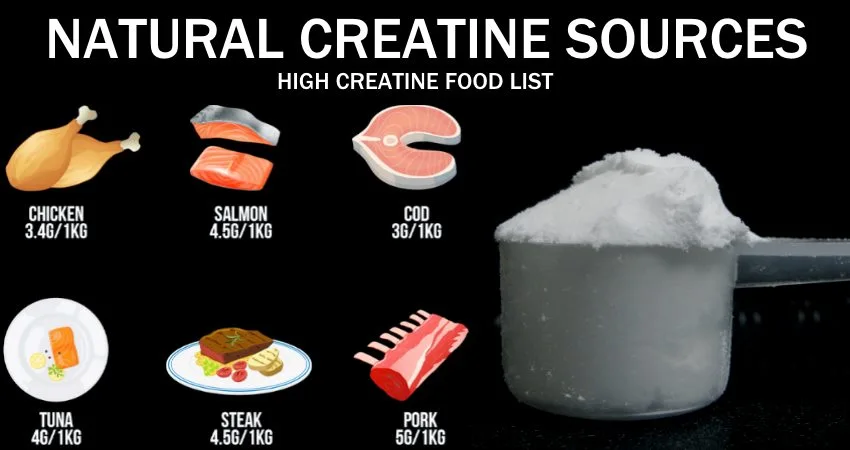
Creatine has become one of the most talked-about nutrients in fitness. While many people use powders, more Americans are now choosing natural food sources. This shift is driven by cleaner eating habits and a stronger focus on whole-food nutrition. Knowing where creatine naturally exists can help you build muscle, recover faster, and improve strength without depending on supplements.
What Is Creatine and Why Does Your Body Need It?
Creatine is a natural compound found in muscle cells. It helps your body produce quick energy during heavy lifting and intense movement. Your body makes some creatine on its own, but food adds extra support. This makes it important for strength, endurance, and recovery.
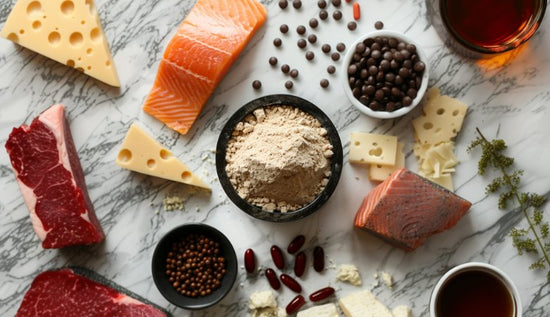
Creatine plays a big role in athletic performance. It helps refill ATP, which is your body’s main energy source. Without enough ATP, muscles get tired faster. That is why creatine matters so much.
How Creatine Supports Muscle Growth
Creatine helps muscles work harder for longer periods. This can improve workout quality over time. Better training often leads to better muscle growth. That’s why lifters care about it.
It also helps muscles hold more water. This can make muscles look fuller and support protein synthesis. More protein building means faster recovery. Recovery is key for muscle gains.
Can You Get Enough Creatine Without Supplements?
Yes, but it depends on your diet. People who eat meat and fish regularly get natural creatine foods daily. However, hitting high performance levels through food alone takes planning. This is where diet quality matters.
Athletes usually need around three to five grams daily. Reaching that through food is possible but harder. It requires larger portions of creatine-rich foods. Consistency makes the difference.
Best Creatine in Food Sources for Natural Intake
If you want creatine without supplements, whole foods are your best option. Animal-based foods contain the highest amounts. They also provide protein and essential nutrients together. This makes them powerful muscle building foods in the USA.
Choosing the right foods can improve your fitness naturally. Here are the best options to focus on.
Beef – The Highest Natural Creatine Food
Beef is one of the richest creatine sources available. It offers around two grams per pound. It also gives iron, zinc, and protein. That combination supports strength and energy.
Steak is a favorite among gym-goers for good reason. The beef creatine content is high and easy to absorb. Grass-fed beef may also provide better nutrient density. It remains a top choice for muscle building.
Pork and Lamb for Creatine Intake
Pork is another strong creatine source. It usually contains about 1.5 grams per pound. It is also rich in B vitamins. These support energy production.
Lamb offers similar benefits with a richer nutrient profile. It works well for people wanting variety. Many athletes rotate pork and lamb in meal plans. This keeps meals balanced and interesting.
Salmon and Tuna as Seafood Creatine Sources
Seafood is excellent for creatine and healthy fats. Salmon provides about one gram per pound. Tuna offers similar levels with lean protein. Both are great for recovery.
Omega-3 fats help reduce inflammation. This supports faster healing after training. Seafood also feels lighter than red meat. That makes it easier for some people.
Chicken and Turkey for Lean Creatine Intake
Chicken has less creatine than beef but still helps. It gives around 0.9 grams per pound. Turkey is slightly better in some cuts. Both are common in fitness diets.
They are easy to cook and budget-friendly. Lean meats also fit fat-loss plans. That makes them practical for daily meals. Many Americans already eat them regularly.
Herring and Sardines for High Creatine Density
Herring is one of the most underrated natural creatine foods. It contains almost two grams per pound. Sardines are slightly lower but still strong. They are packed with nutrients.
These fish also offer vitamin D and omega-3s. That makes them valuable beyond creatine alone. They are affordable and easy to store. Canned options work well too.
Creatine Content Table in Common Foods
Understanding food values makes planning easier. Here is a simple breakdown of creatine in food sources.
| Food | Creatine per Pound | Protein Content | Best For |
|---|---|---|---|
| Beef | 2g | High | Muscle gain |
| Herring | 1.8–2g | High | Recovery |
| Pork | 1.5g | High | Strength |
| Salmon | 1g | High | Lean muscle |
| Tuna | 1g | High | Fat loss |
| Chicken | 0.9g | High | Daily meals |
| Turkey | 1g | High | Meal prep |
| Sardines | 1.2g | Medium | Budget diets |
This table shows why beef creatine remains popular. It gives the highest value with protein.
Natural Creatine Foods vs Supplements
Many people wonder if food is enough. The answer depends on goals. Whole foods offer more than just creatine. They bring complete nutrition.
Supplements are concentrated and easier. But food has its own advantages.

Pros of Getting Creatine from Food
Whole foods offer multiple nutrients together. This creates better overall health support. Food digestion is natural and steady. That feels better for many people.
Benefits include:
- Better protein intake
- More vitamins and minerals
- Natural eating habits
- Better long-term diet quality
When Supplements May Be Better
Supplements help when intake needs are high. Bodybuilders often use them for convenience. Eating pounds of meat daily is not realistic. That is where powders help.
Vegetarians may also struggle with low creatine intake. Vegetarians can still build strength by focusing on plant-based protein foods alongside a creatine supplement if needed. Since plant foods have little creatine, supplements fill the gap. It depends on lifestyle.
How Americans Are Adding Creatine Foods to Their Diet
Fitness culture in the USA is changing. More people now prefer food-first nutrition. This has increased interest in creatine-rich meals. It feels cleaner and easier to trust.
Meal prep culture has helped this trend grow. Social media also plays a role.
High-Protein Breakfast Ideas
Breakfast can include creatine-rich foods easily. Ground beef with eggs is becoming popular. Turkey sausage is another strong option. Protein-rich mornings improve recovery. These ideas pair well with other high protein snacks throughout the day to keep muscle recovery on track.
Simple ideas include:
- Beef and eggs
- Turkey omelet
- Sardine toast
Meal Prep for Gym-Goers
Meal prep makes consistency easier. Many lifters cook beef, chicken, and rice together. Adding salmon once or twice weekly helps too. This keeps meals balanced.
Prepared meals save time and money. They also improve nutrition tracking. That is important for progress.
Creatine-Rich Dinner Options
Dinner is often the best time for heavier proteins. Steak, lamb, and pork fit well here. Pairing them with potatoes helps recovery. Carbs improve glycogen refill.
A balanced dinner supports overnight repair. That makes next-day workouts better. This kind of protein-carb pairing is also central to the best post-workout meals for faster recovery.
How Much Creatine Do You Need Daily?
Most people need one to three grams daily. Athletes often need more for performance. This depends on body size and training intensity. Harder training means higher demand.
Natural food intake can cover basic needs. Performance goals may need more focus.
For Beginners
Beginners can start with normal food intake. One serving of beef or fish helps. This builds a strong base. No supplements are needed at first.
Consistency matters more than quantity. Small steps build better habits.
For Athletes and Bodybuilders
Athletes need more creatine for high output. They often aim for five grams daily. This improves strength and power. Food can help but takes planning.
Heavy training increases creatine use. That is why athletes monitor intake closely.
Can Diet Alone Meet Your Needs?
For average people, yes. For advanced lifters, maybe not always. It depends on food quality and portions. Diet can cover most basics.
Supplements simply make it easier. But food should always come first.
Best Tips to Maximize Creatine from Food
Getting the most from creatine-rich foods is simple. Small habits can improve absorption and results. Smart eating matters.
Helpful tips:
- Avoid overcooking meat
- Stay hydrated daily
- Pair protein with carbs
- Eat consistently after workouts
- Rotate food sources for variety
These habits improve muscle recovery. They also support better gym performance. Staying hydrated matters even more during intense training, which is where good electrolyte drinks come in
Final Thoughts on Creatine in Food Sources
Natural creatine foods are making a strong comeback in American diets. They offer a practical and nutrient-rich way to support muscle growth, energy, and recovery without relying fully on supplements. From beef creatine to seafood options, there are plenty of choices to fit different lifestyles and budgets.
As Samppy often highlights in modern fitness nutrition discussions, building strength starts with smart food choices. If your goal is long-term muscle growth, better recovery, and sustainable eating habits, focusing on creatine in food sources is one of the smartest moves you can make.
Key Takeaways
- Beef is the highest natural creatine food
- Fish like herring and salmon are strong sources
- Whole foods offer creatine plus extra nutrients
- Supplements are helpful but not always necessary
- Consistency matters most for muscle growth
FAQs
What food has the highest creatine?
Beef and herring are among the highest natural sources. Both provide nearly two grams per pound.
Can I build muscle using natural creatine foods?
Yes, many people build muscle using food alone. Consistent protein and creatine intake help greatly.
Is beef better than creatine supplements?
Beef gives creatine plus protein and minerals. Supplements are more concentrated but less complete.
How much creatine is in chicken?
Chicken contains around 0.9 grams per pound. It is lower than beef but still useful.
Are eggs a good source of creatine?
Eggs contain very little creatine. They are better for protein than creatine intake.