This comprehensive guide explores diverse, high-protein alternatives to tofu for American consumers looking to reduce their meat consumption. It highlights the nutritional profiles and everyday culinary uses of five rich options—tempeh, lentils, chickpeas, seitan, and nutrient-dense seeds—while demonstrating how easily they can replace ground beef, chicken, or snacks in classic American meals. By offering a quick-reference chart and practical, budget-friendly meal-swap advice, the article shows readers how to achieve a balanced, flavorful, and protein-packed lifestyle effortlessly.
Best Plant-Based Protein Foods for Americans (Not Just Tofu)
When someone mentions switching to a meatless diet, the first image that usually pops into an American’s mind is a bland, jiggly block of bean curd. But let’s be honest: while tofu is incredibly versatile, it shouldn’t be the only star of your plate. The dietary landscape in the United States is shifting rapidly, and millions of people are looking to diversify their plates with high-quality plant based protein foods usa options without sacrificing flavor, texture, or satisfaction. Whether you are aiming to lower your cholesterol, cut down on your grocery bill, or simply try a “Meatless Monday,” stepping outside the tofu box reveals a whole world of culinary possibilities.
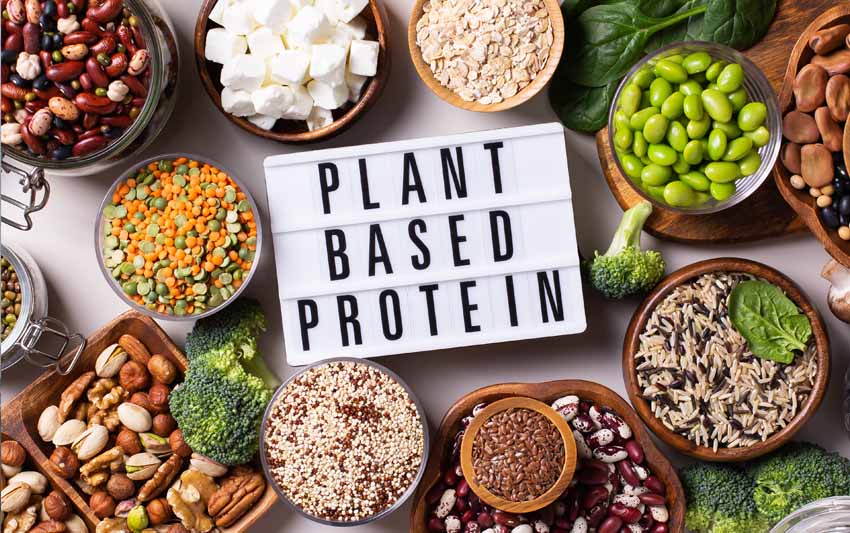
Eating a diet rich in vegan protein sources isn’t just a passing health trend; it’s a delicious lifestyle choice that fits perfectly into the fast-paced American routine. From hearty legumes to quick-and-easy grains, getting your daily macros from plants has never been more accessible or exciting.
Let’s dive into this ultimate plant protein guide to explore the best, most satisfying ways to get your protein without meat—minus the tofu boredom.
1. Tempeh: The Hearty, Nutty Upgrade
If you want something with a firmer bite than tofu, tempeh is your go-to. Made from fermented soybeans, tempeh has a dense, cake-like texture and a rich, nutty flavor profile. Because it is less processed and utilizes the whole bean, it’s an absolute powerhouse of nutrition.
-
Protein Content: Roughly 20 grams per 3-ounce serving.
-
How to Enjoy It: Slice it thin, marinate it in smoky BBQ sauce, and bake it to make a killer vegan BLT (a “TLT”). It absorbs flavors beautifully and holds up incredibly well on an outdoor grill.
2. Lentils: The Fast-Cooking Pantry Staple
Lentils are the unsung heroes of the modern American pantry. Unlike dried beans, they don’t require overnight soaking and cook up in just 15 to 20 minutes. Available in brown, green, red, and black varieties, they can seamlessly mimic the texture of ground meat.
-
Protein Content: About 18 grams per cooked cup.
-
How to Enjoy It: Use brown or green lentils as a 1:1 substitute for ground beef in taco fillings, sloppy Joes, and traditional Shepherd’s pie. Red lentils melt down into beautifully creamy soups and comforting stews.
3. Chickpeas (Garbanzo Beans): Ultimate Versatility
From coastal California cafes to classic Midwestern potlucks, chickpeas are everywhere. They are cheap, incredibly shelf-stable, and provide an excellent balance of complex carbohydrates, fiber, and clean protein.
-
Protein Content: Around 14.5 grams per cooked cup.
-
How to Enjoy It: Roast them with olive oil, sea salt, and smoked paprika for a crunchy, potato-chip alternative. You can also mash them with vegan mayo, celery, and dill to create a classic “chickpea salad sandwich” that rivals any traditional tuna salad.
4. Seitan: The Ultimate Meat Mimic
If you truly miss the chewy texture of chicken, beef, or pork, seitan is a game-changer. Made entirely from wheat gluten (the main protein in wheat), it is highly savory and boasts a remarkably meat-like texture when cooked. It’s why so many top-tier restaurants use it for plant-based wings and ribs.
-
Protein Content: A staggering 25 grams per 3-ounce serving.
-
How to Enjoy It: Stir-fry it with broccoli and a savory garlic-soy sauce, or slice it thin for a plant-based Philly cheesesteak. Note: Skip this one if you have celiac disease or a gluten sensitivity!
5. Hemp Seeds and Chia Seeds: Tiny But Mighty
Don’t underestimate the power of seeds. Adding these to your morning routine is one of the easiest ways to sneak high-quality vegan protein sources into your diet without altering the volume of your meals.
-
Protein Content: Hemp seeds offer about 10 grams per 3 tablespoons; Chia seeds offer about 5 grams per 2 tablespoons.
-
How to Enjoy It: Sprinkle hemp hearts over your avocado toast or blend them into your post-workout smoothies. Chia seeds can be soaked in almond milk overnight with a touch of maple syrup to create a thick, decadent pudding.
Your Quick Plant-Based Protein Cheat Sheet
To help you navigate your grocery aisle, use this quick reference overview as your personal, compact plant protein guide:
| Food Source | Serving Size | Protein Content | Best American Culinary Match |
| Seitan | 3 oz | ~25g | BBQ Strips, Stir-fries, Sandwiches |
| Tempeh | 3 oz | ~20g | Smoky Bacon Substitute, Grain Bowls |
| Lentils | 1 cup (cooked) | ~18g | Tacos, Sloppy Joes, Chili |
| Chickpeas | 1 cup (cooked) | ~14.5g | Crunchy Snacks, Mock Tuna Salads |
| Hemp Seeds | 3 tbsp | ~10g | Smoothies, Oatmeal, Avocado Toast |
Simple Swaps: Getting Your Protein Without Meat
Transitioning to plant-based eating doesn’t mean you have to learn entirely new recipes. It’s all about making smart, familiar upgrades.
Instead of traditional beef chili, load up a slow cooker with black beans, kidney beans, and a cup of quinoa. Quinoa is a complete protein, meaning it contains all nine essential amino acids your body cannot make on its own. Instead of whey protein powder, look for American-made pea protein isolates to blend into your shakes. By choosing these vibrant plant based protein foods usa staples, you feed your muscles, protect your heart, and keep your meals genuinely exciting.

Conclusion
Embracing a lifestyle centered around protein without meat doesn’t mean your culinary world has to shrink. In fact, it expands. By looking beyond the tofu block, you open your kitchen to rich textures, earthy flavors, and incredible health benefits. Here at Samppy, we believe that food should be both incredibly nourishing and a joy to eat. Incorporating these varied, wholesome ingredients into your weekly meal prep ensures you stay fueled, satisfied, and energized for everything your day throws at you.
For more mouthwatering recipes, deep-dive nutritional breakdowns, and practical cooking tips tailored for modern food lovers, keep exploring Samppy!
Frequently Asked Questions (FAQs)
1. Can I get enough protein on a plant-based diet without eating tofu?
Absolutely! Tofu is just one option among hundreds. Foods like seitan, tempeh, lentils, chickpeas, black beans, and wild rice are loaded with protein and can easily help you meet your daily nutritional requirements.
2. Is plant-based protein as effective for building muscle as animal protein?
Yes, it is. As long as you consume a diverse variety of plant proteins throughout the day to ensure you get a full spectrum of amino acids, and you maintain an adequate total caloric intake, you can effectively build and maintain muscle mass.
3. What is the highest protein alternative to meat?
Seitan (vital wheat gluten) is widely considered one of the highest protein plant sources available, yielding around 25 grams of protein per 3-ounce serving, which is comparable to or higher than many animal meats.
4. Do I need to combine specific plant foods in every single meal to get “complete” proteins?
No, modern nutritional science shows that you do not need to complement proteins at every individual meal. As long as you eat a varied diet containing different grains, legumes, seeds, and nuts over the course of the day, your body will naturally combine them.
5. Are these plant-based options expensive to buy in the US?
Generally, no! While branded, heavily processed mock meats can be pricey, whole plant foods like dried or canned lentils, chickpeas, and beans are some of the most budget-friendly, cost-effective ingredients in the entire grocery store.