
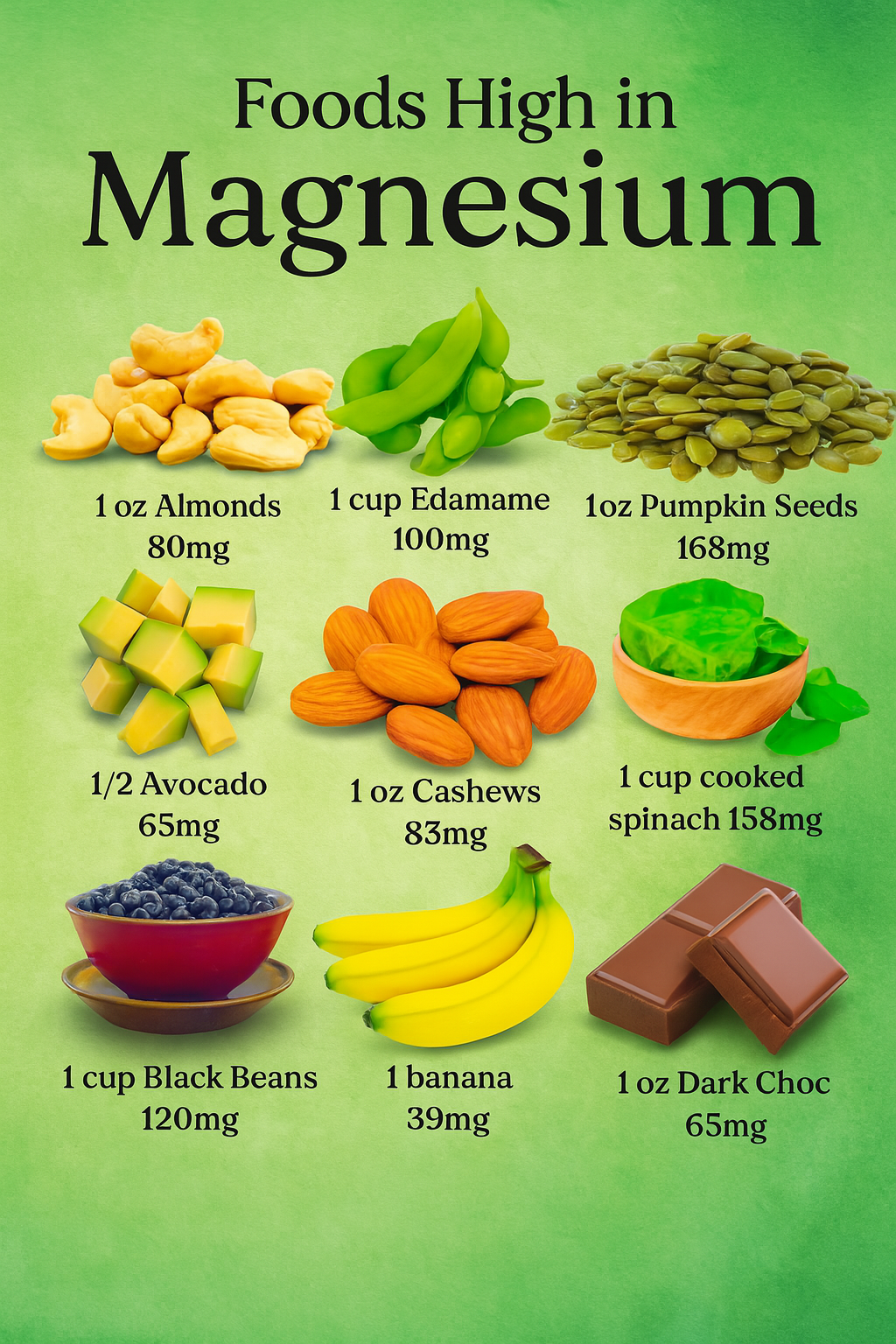
Magnesium supports sleep, energy, muscles, and heart health. Many Americans are falling short because of processed diets and stress. Foods like pumpkin seeds, spinach, almonds, black beans, and salmon are excellent natural magnesium sources. Building a food-first plan is the best long-term strategy for better health.
Many people focus on protein and vitamins every day. But magnesium often gets ignored, even though the body needs it for hundreds of functions. From better sleep to stronger muscles, this mineral does a lot. Sadly, many Americans are not getting enough from daily meals.

Magnesium supports energy, nerves, and heart rhythm. It matters more than people think. If your diet is full of processed foods, your intake may already be low. That is why understanding magnesium rich foods usa diets often miss is so important.
Why Magnesium Matters More Than Most Americans Realize
Magnesium is involved in over 300 body reactions. It helps control muscles, supports nerves, and keeps the heartbeat stable. Without enough magnesium, your body struggles to perform basic tasks. This mineral works quietly but powerfully.
It also helps produce energy from food. Your cells rely on it daily. Magnesium supports better sleep quality and lowers stress levels too. Many people feel better after improving their intake.
How Magnesium Supports Daily Health
Your muscles need magnesium to relax properly. That is why low levels can cause cramps. It also supports bone health alongside calcium and vitamin D. Strong bones need balance.
Magnesium helps the brain stay calm. It may reduce tension and improve focus. People dealing with stress often burn through magnesium faster. Stress changes everything.
Why Magnesium Deficiency Is Increasing in the USA
Modern diets have changed a lot over the years. Processed meals now replace many whole foods. This shift has reduced natural mineral intake in many homes. That is a big problem.
Many Americans eat foods high in sugar and low in nutrients. These foods fill the stomach but not the body. The result is poor mineral balance. Nutrition gaps keep growing.
Processed Foods Are Replacing Whole Foods
Packaged foods dominate grocery carts today. They are fast, easy, and cheap. But they often contain little magnesium compared to fresh options. Convenience comes with a cost.
Common items like chips, frozen meals, and soda do not help much. They can actually make deficiencies worse over time. Whole foods are the better choice. Simple changes matter.
Stress Is Draining Magnesium Faster
Stress affects the body in many ways. It increases magnesium use quickly. This means your body loses more during hard times. Modern life feels demanding.
Poor sleep, long work hours, and anxiety add pressure. This makes magnesium needs even higher. Many people do not realize this connection. It is easy to overlook.
Signs You May Need More Magnesium
Low magnesium can show up in subtle ways. Many people miss the warning signs. Symptoms often build slowly over time. Your body sends signals.
Feeling tired all the time is common. Muscle cramps are another strong sign. Poor sleep may also point to low magnesium levels. Sleep problems are frustrating.
Muscle Cramps and Tightness
Cramps can happen without warning. They may strike during sleep or exercise. Magnesium helps muscles relax after movement. Tight muscles need support. Along with magnesium, staying on top of electrolyte intake can also help prevent cramping during workouts.
If cramps happen often, diet could be the reason. It is worth checking your food choices. Mineral balance matters more than most think. The body keeps score.
Fatigue and Low Energy
Energy production depends on magnesium. Without it, cells struggle to create fuel. This can lead to constant tiredness. Fatigue feels endless.
People often blame stress or age. Sometimes the issue is nutritional. Adding better magnesium food sources can help improve energy naturally. Food can heal.
Poor Sleep and Anxiety
Magnesium helps calm the nervous system. That makes it important for sleep. Low levels can make falling asleep harder. Sleep affects everything.
It may also increase feelings of tension. Anxiety can feel stronger when magnesium is low. Many magnesium deficiency diet plans focus on calming foods. Balance helps recovery.
15 Best Magnesium Rich Foods USA Diets Need More Of
The best way to increase magnesium is through food. Whole foods provide more than one benefit. They offer fiber, vitamins, and minerals together. Nature works smart.

These foods are easy to find in America. Most are affordable and simple to add into meals. Small steps can improve intake fast. Consistency matters most.
Pumpkin Seeds
Pumpkin seeds are one of the best magnesium food sources. A small serving gives a huge amount. They are easy to snack on. Tiny but powerful. Many of these foods, like almonds and edamame, also double as high protein snacks you can grab straight from the pantry
Spinach
Spinach is rich in magnesium and iron. It works well in salads or smoothies. It is one of the best minerals food choices. Greens are powerful.
Almonds
Almonds are simple and filling. They provide magnesium, healthy fats, and protein. A handful goes a long way. Great for snacks.
Black Beans
Beans are affordable and packed with minerals. They fit into many meals easily. Black beans are excellent for magnesium deficiency diets. Cheap and effective.
Avocados
Avocados provide healthy fats and magnesium together. They also support heart health. This makes them a smart choice daily. Nutrients work together.
Dark Chocolate
Dark chocolate offers magnesium and antioxidants. Choose high cocoa content for better benefits. It can be a healthier treat. Smart indulgence works.
Bananas
Bananas are known for potassium, but they also contain magnesium. They are easy to carry and eat. Simple foods can be powerful.
Chia Seeds
Chia seeds are tiny nutrition bombs. They contain fiber, omega-3s, and magnesium. Add them to yogurt or smoothies. Small additions matter.
Yogurt
Yogurt supports gut health and offers magnesium too. Choose plain options for better nutrition. Added sugar reduces benefits. Keep it simple. Beyond magnesium, plain yogurt is also one of the top gut-friendly foods worth adding to your weekly diet.
Salmon
Salmon offers healthy fats and minerals. It supports the heart and brain. This fish is nutrient-dense and satisfying. Quality matters.
Cashews
Cashews are rich in magnesium and iron. They work well as snacks or toppings. They are easy to enjoy. Nuts are convenient.
Tofu
Tofu is a great plant-based magnesium source. It absorbs flavor well in cooking. It is versatile and affordable. Plant foods work. Tofu is also one of the best plant-based protein options if you’re trying to cut back on meat.
Edamame
Edamame is high in protein and magnesium. It makes a strong snack or side dish. It is easy to prepare. Quick nutrition helps.
Oats
Oats support digestion and mineral intake. They are perfect for breakfast. Add seeds for even more magnesium. Breakfast sets the tone.
Quinoa
Quinoa is a complete protein. It also provides magnesium and fiber. It works well as a rice replacement. Smart swaps matter.
Magnesium Content Table
| Food | Magnesium (mg) | Serving Size |
|---|---|---|
| Pumpkin Seeds | 168 mg | 1 oz |
| Spinach | 157 mg | 1 cup cooked |
| Almonds | 80 mg | 1 oz |
| Black Beans | 120 mg | 1 cup |
| Avocado | 58 mg | 1 medium |
| Dark Chocolate | 64 mg | 1 oz |
| Banana | 32 mg | 1 medium |
| Quinoa | 118 mg | 1 cup cooked |
How Much Magnesium Do Americans Actually Need?
Adults need different amounts depending on age and gender. Men usually need around 400–420 mg daily. Women often need 310–320 mg each day. Needs can vary.
Athletes and stressed individuals may need more. Pregnant women also have higher demands. Food should be the first source whenever possible. Food comes first.
Daily Intake by Group
- Men: 400–420 mg
- Women: 310–320 mg
- Pregnant women: 350–360 mg
- Teens: 360–410 mg
These numbers give a useful target. Reaching them through food is realistic with planning. Small changes build strong habits. These recommended intake levels are consistent with figures published by federal nutrition health authorities.
How to Build a Magnesium Deficiency Diet
A good magnesium deficiency diet starts with simple swaps. Add more whole foods into each meal. Build your plate around real ingredients. Keep it practical.
Breakfast can include oats, chia seeds, and bananas. Lunch can have spinach salad with avocado. Dinner can include salmon and quinoa. Meals should stay balanced.
Easy Meal Ideas
Breakfast: Oats + banana + chia seeds
Lunch: Spinach salad + black beans + avocado
Snack: Almonds + yogurt
Dinner: Salmon + quinoa + edamame
These meals are simple to make. They fit into busy schedules. Healthy eating does not need to be hard. Keep it realistic.
Foods That Block Magnesium Absorption
Some foods make it harder to absorb magnesium. Too much sugar is one example. Heavy alcohol use can also reduce levels. Hidden habits matter.
Highly processed foods often create imbalance. Excess calcium supplements may interfere too. Balance is always important in nutrition. More is not always better.
Common Intake Blockers
Watch out for:
- Sugary drinks
- Excess alcohol
- Processed snacks
- High sodium foods
Cutting these back helps magnesium work better. Small reductions can make a difference. Better choices create better results.
Should You Get Magnesium From Food or Supplements?
Food is usually the best option. It gives other nutrients along with magnesium. This makes absorption more natural. Whole foods win.
Supplements can help in some cases. People with severe deficiency may need extra support. But food should always come first when possible. Start with diet.
Food vs Supplement Comparison
| Source | Benefits | Best For |
| Food | Natural, balanced nutrients | Daily health |
| Supplements | Fast correction | Severe deficiency |
Key Takeaways
Magnesium is essential for sleep, energy, muscles, and heart health. Many Americans are not eating enough magnesium-rich foods. Whole foods like seeds, nuts, greens, and beans can improve levels naturally. Simple diet changes can make a big difference.
Final Thoughts
Magnesium is one of the most overlooked nutrients today. Yet it affects nearly every system in the body. From sleep to stress to muscle health, it plays a huge role. Better food choices can change a lot.
At samppy, we believe good health starts with simple knowledge. Understanding the right magnesium-rich foods can help you build a stronger, more balanced life. Start with one food today. Small steps create lasting health.
FAQs
What food has the highest magnesium?
Pumpkin seeds are among the richest natural magnesium sources. A small serving provides a large amount.
Are bananas high in magnesium?
Bananas contain moderate magnesium. They are helpful but not the highest source.
How can I fix magnesium deficiency naturally?
Eat more whole foods like nuts, seeds, beans, and leafy greens regularly.
Is dark chocolate a good magnesium source?
Yes, dark chocolate contains magnesium and antioxidants, making it a smart option.
Can I get enough magnesium without supplements?
Yes, most people can meet needs through a balanced diet with proper planning.