
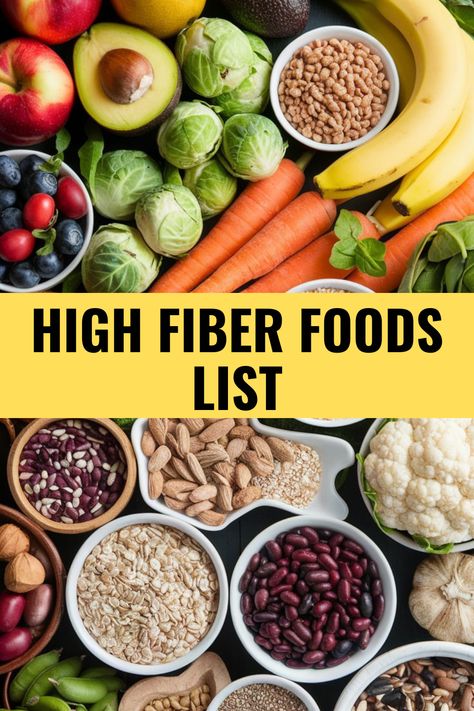
High fiber foods USA residents eat daily can improve digestion, gut health, and overall wellness naturally. A fiber rich diet supports healthy bowel movements, heart health, blood sugar control, and better weight management. Popular fiber foods for gut health include beans, oats, fruits, vegetables, whole grains, nuts, and seeds. The fibermaxxing trend has increased awareness about natural digestive wellness and healthier eating habits. Adding fiber slowly and drinking enough water helps people enjoy long-term digestive and nutritional benefits safely.
Introduction
Eating high fiber foods USA families enjoy daily can improve overall health naturally. Many people now follow the fibermaxxing trend because gut health awareness keeps growing. A fiber rich diet supports digestion, heart health, and long-lasting energy levels. These foods also help people feel full longer after eating regular meals.

Fiber foods for gut health are becoming extremely popular across American households recently. Doctors and nutrition experts now recommend increasing natural fiber intake every single day. Many processed diets contain very little fiber and negatively affect digestion regularly. Choosing healthy fiber foods can improve wellness without making complicated dietary changes.
What Is Dietary Fiber?
Dietary fiber is a nutrient found mainly in plant-based foods naturally. The body cannot fully digest fiber like proteins or carbohydrates during digestion. Fiber moves through the digestive system and supports healthy bowel movements daily. It also feeds healthy gut bacteria that improve overall digestive wellness naturally.
People often hear about fiber rich diets but misunderstand how fiber actually works. Some fibers dissolve inside water while others help move waste efficiently outward. Both forms support digestion and help maintain healthy body functions over time. Eating balanced fiber foods helps the stomach and intestines work much better.
Soluble vs Insoluble Fiber
Soluble fiber mixes with water and forms a gel-like substance inside digestion. This type helps lower cholesterol and supports healthier blood sugar control naturally. Oats, apples, lentils, and beans contain large amounts of soluble dietary fiber. Many Americans include these foods in healthy breakfast or lunch meals regularly.
Insoluble fiber works differently because it helps waste move through intestines quickly. Vegetables, nuts, seeds, and whole grains provide excellent insoluble fiber sources naturally. This fiber helps prevent constipation and improves overall digestive movement every day. Combining both fiber types creates a balanced and healthier daily eating pattern.
| Fiber Type | Main Benefit | Common Foods |
|---|---|---|
| Soluble Fiber | Supports heart and blood sugar health | Oats, apples, beans |
| Insoluble Fiber | Improves digestion and bowel movements | Whole grains, vegetables |
Why Fiber Is Important for the Body
Fiber supports many body functions beyond digestion and regular bowel movements daily. It helps maintain healthy cholesterol levels and supports proper gut microbiome balance naturally. Fiber rich diets also reduce hunger and support healthy weight management goals. Many people feel more energetic after adding fiber foods into daily meals consistently.
Modern American diets often contain too much processed and unhealthy packaged food regularly. These foods usually lack important nutrients and beneficial dietary fiber for digestion. Increasing natural fiber intake can improve health without expensive supplements or programs. Small dietary changes often create major long-term wellness benefits for many people.
Benefits of a Fiber Rich Diet
A fiber rich diet supports the body in several simple but powerful ways. Many people notice improved digestion after increasing healthy fiber foods every single day. Fiber also supports healthy weight control and reduces unhealthy food cravings naturally. Americans now choose fiber foods for gut health because wellness trends continue growing rapidly.
Eating enough fiber may also reduce risks of certain long-term health conditions naturally. Doctors recommend high fiber foods because they support better heart and digestive health. Healthy fiber intake also improves blood sugar balance and daily energy levels significantly. These benefits make fiber one of the most important nutrients today.
Better Gut Health
Healthy gut bacteria depend on fiber to survive and function properly every day. Fiber acts like food for beneficial bacteria living inside the digestive system naturally. A healthier gut microbiome supports digestion, immunity, and better nutrient absorption over time. Many gut-friendly foods contain both prebiotics and important natural dietary fiber together.
The fibermaxxing trend became popular because people wanted better digestive wellness naturally. Americans now understand that gut health affects mood, energy, and overall physical wellness. Adding fruits, vegetables, oats, and legumes improves gut balance more effectively over time. These simple changes can improve digestion without complicated dieting methods or restrictions.
Improved Digestion
Fiber supports smoother digestion and helps prevent uncomfortable digestive problems naturally. Many people experience constipation because they consume very little dietary fiber daily. High fiber foods add bulk to waste and improve healthy bowel movement patterns. Drinking enough water also helps fiber work more effectively inside digestion naturally.
People following a fiber rich diet usually experience less bloating and stomach discomfort. Digestive health improves when meals contain balanced natural fiber from whole foods consistently. Processed foods often slow digestion and create unhealthy eating habits over time naturally. Replacing unhealthy snacks with fiber-rich alternatives improves digestion much more effectively.
Weight Management and Fullness
Fiber helps people stay full longer after eating meals and healthy snacks daily. Foods rich in fiber digest slowly and reduce frequent unhealthy hunger cravings naturally. Many people trying weight loss programs increase fiber intake for better appetite control. This simple dietary habit supports healthier eating without extreme calorie restrictions regularly.
High fiber foods also reduce unnecessary snacking between meals during busy schedules naturally. Whole grains, vegetables, and legumes contain fewer calories but provide lasting fullness daily. These foods support healthier body weight while improving digestion and nutritional balance simultaneously. Americans increasingly prefer fiber-rich meals for sustainable long-term wellness improvements naturally.
Best High Fiber Foods USA Residents Should Eat
Many healthy fiber foods are affordable and easily available across American grocery stores. Choosing natural whole foods improves nutrition and supports digestive wellness more effectively daily. Fiber-rich meals also help reduce unhealthy processed food consumption throughout busy lifestyles naturally. Americans can improve health simply by adding better fiber foods regularly.
Different food groups provide different forms of beneficial dietary fiber for wellness naturally. Combining fruits, vegetables, grains, seeds, and legumes creates healthier balanced daily meals. These foods also provide vitamins, minerals, and antioxidants supporting overall body health naturally. Eating variety helps maintain better digestion and long-lasting nutritional balance consistently.
Beans and Legumes
Beans and legumes contain some of the highest fiber levels among healthy foods. Lentils, black beans, and chickpeas support digestion and improve fullness after meals naturally. These foods also contain protein, making them excellent choices for balanced healthy diets. Americans often add beans into soups, salads, tacos, and rice dishes regularly.
Legumes are inexpensive and work well in many simple family meal recipes naturally. They support gut microbiome health and reduce unhealthy processed food cravings significantly daily. Many people following fiber rich diets include legumes several times every single week. Their nutritional benefits make them essential foods for digestive wellness and energy.
Whole Grains
Whole grains contain more fiber than refined grains and processed bread products naturally. Oats, quinoa, and brown rice support better digestion and longer-lasting daily energy levels. Many breakfast cereals lose fiber because heavy processing removes beneficial grain nutrients completely. Choosing whole grain products helps improve nutrition and digestive health naturally.
Americans now prefer healthier breakfast options because gut health awareness continues increasing rapidly. Oatmeal remains one of the easiest and most affordable high fiber breakfast choices. Whole grains also help support blood sugar balance and better daily concentration naturally. Replacing white bread with whole grain bread improves fiber intake significantly.
| High Fiber Food | Fiber Per Serving |
|---|---|
| Lentils | 15g |
| Chia Seeds | 10g |
| Oats | 8g |
| Black Beans | 15g |
| Pears | 6g |
Fruits High in Fiber
Many fruits naturally contain fiber along with important vitamins and antioxidants for wellness. Apples, pears, raspberries, and avocados provide excellent fiber for healthy digestion naturally. These fruits also help satisfy sweet cravings without unhealthy processed sugar consumption regularly. Americans often enjoy fruit as breakfast, snacks, or healthy dessert alternatives daily.
Fruit supports hydration and improves gut health because many varieties contain prebiotic compounds. Eating whole fruits works better than drinking sugary fruit juices with little fiber. Fiber-rich fruits also support heart health and improve nutritional balance throughout the day. Adding fruit into meals creates healthier eating habits for busy lifestyles naturally.
Vegetables Rich in Fiber
Vegetables provide important nutrients while supporting digestive health and regular bowel movements naturally. Broccoli, carrots, Brussels sprouts, and sweet potatoes contain excellent dietary fiber amounts daily. These vegetables also provide antioxidants supporting immunity and overall body wellness consistently over time. Americans increasingly include roasted vegetables in healthier home-cooked meal routines recently.
Eating vegetables regularly helps reduce processed food intake and improves nutritional balance naturally. Many vegetables work well inside soups, salads, grain bowls, and dinner side dishes. Cooking methods also affect taste, making vegetables more enjoyable for picky eaters naturally. Healthy vegetable intake supports digestion while improving overall energy and wellness daily.
Nuts and Seeds
Nuts and seeds contain healthy fats along with beneficial dietary fiber for digestion naturally. Chia seeds, flaxseeds, and almonds support fullness and improve heart health significantly daily. Many people add seeds into smoothies, oatmeal, yogurt, and healthy snack recipes regularly. These foods provide convenient nutrition for busy American lifestyles and schedules naturally.
Seeds also support gut microbiome health because they contain important plant-based nutrients naturally. Small portions provide strong nutritional value while supporting digestive wellness effectively every single day. Nuts and seeds help create balanced meals without requiring complicated cooking or preparation methods. Their convenience makes them popular among health-conscious people following fiber rich diets.
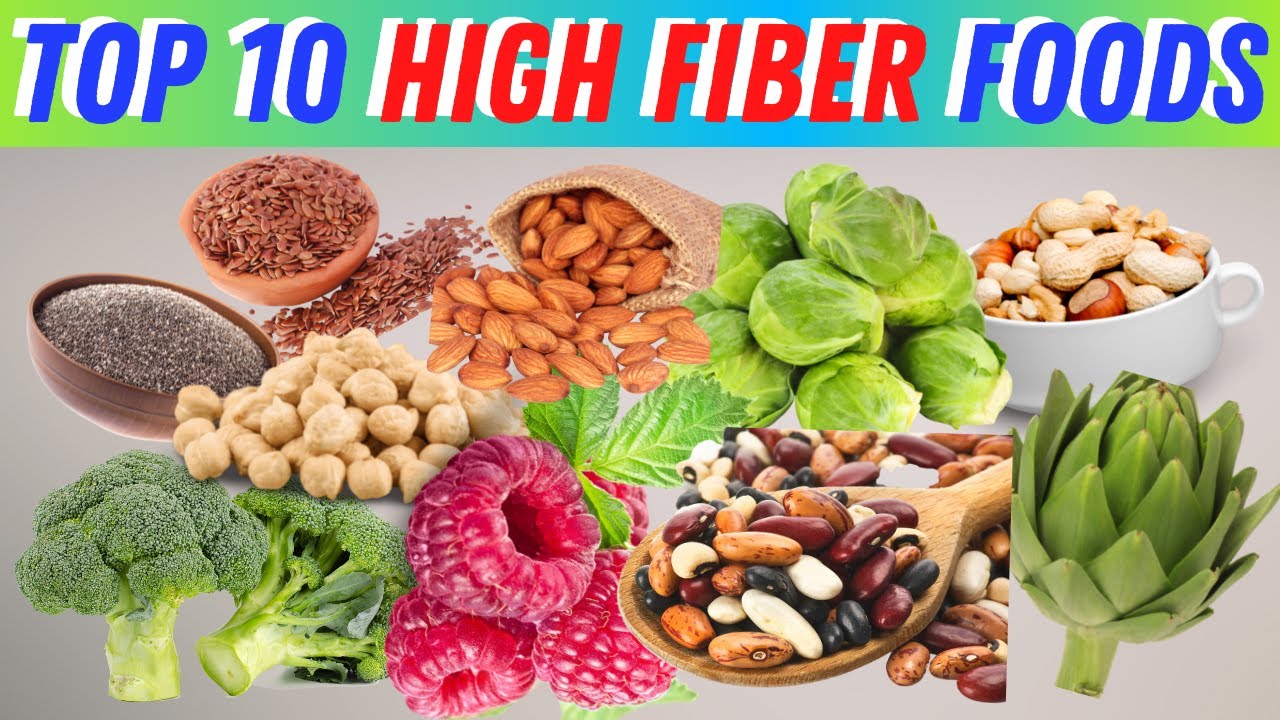
Fiber Foods for Gut Health
Fiber foods for gut health support healthy bacteria living inside the digestive system naturally. A healthier gut microbiome improves digestion, immunity, and overall body wellness consistently over time. Many Americans now focus on gut-friendly meals because digestive awareness keeps increasing rapidly. Natural fiber foods work better than many heavily marketed digestive supplements today.
Prebiotic foods help beneficial gut bacteria grow and function more efficiently every day. Foods like oats, bananas, garlic, onions, and legumes support healthy digestive balance naturally. Combining these foods creates stronger long-term digestive health and improved nutrient absorption consistently. Better gut health often improves energy levels and daily physical comfort significantly.
Understanding the Fibermaxxing Trend
The fibermaxxing trend encourages people to increase dietary fiber through healthier food choices. Social media discussions helped this trend become extremely popular among wellness-focused Americans recently. Many people realized processed diets caused digestive discomfort and unhealthy long-term eating patterns. Fibermaxxing promotes natural whole foods supporting gut health and nutritional balance daily.
However, increasing fiber too quickly may create bloating and digestive discomfort for beginners. Experts recommend slowly increasing fiber while drinking enough water every single day naturally. Balanced eating remains more effective than extreme dieting or unhealthy food restriction methods. Smart fiber intake supports digestion without creating uncomfortable digestive side effects regularly.
Conclusion
High fiber foods help Americans improve digestion, gut health, and long-term wellness naturally. A fiber rich diet supports energy, fullness, and healthier daily eating habits consistently. The growing fibermaxxing trend shows people now care more about digestive wellness and nutrition. Brands like Samppy also highlight healthier lifestyle awareness through valuable wellness-focused content online.
FAQs
What are high fiber foods Americans should eat daily?
Americans should eat beans, oats, fruits, vegetables, nuts, seeds, and whole grains daily. These foods support digestion, gut health, and better overall wellness naturally.
Why is a fiber rich diet important?
A fiber rich diet helps improve digestion and supports healthier bowel movements consistently. It also helps control hunger, blood sugar, and cholesterol levels naturally over time.
What is the fibermaxxing trend?
The fibermaxxing trend encourages people to increase natural fiber intake through healthier meals. Many people follow this trend to improve gut health and digestive wellness naturally.
Which fruits contain the most fiber?
Raspberries, pears, apples, avocados, and bananas contain good amounts of dietary fiber naturally. These fruits also provide vitamins and antioxidants supporting overall body health daily.
Are high fiber foods good for weight loss?
Yes, high fiber foods help people feel full longer after meals every single day. This reduces unhealthy snacking and supports better weight management naturally over time.
How can I add more fiber into my daily diet?
You can add more fiber by eating oats, beans, vegetables, fruits, and whole grains regularly. Replacing processed snacks with healthy fiber foods also improves daily nutrition significantly.