
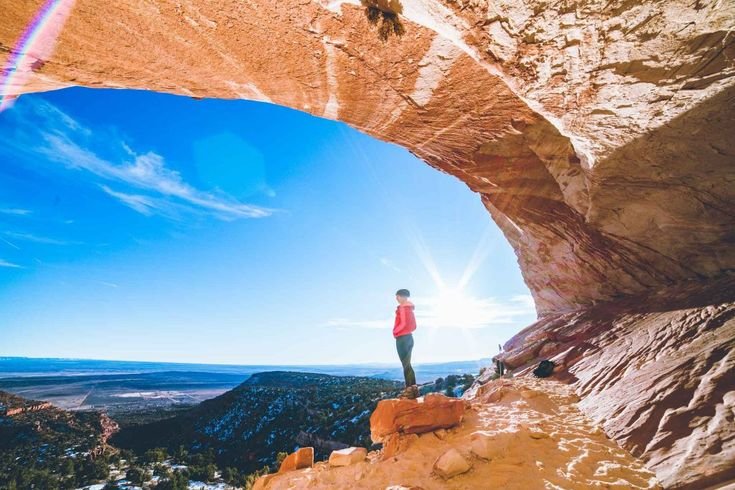
Utah is an excellent destination for outdoor adventures, scenic road trips, national parks, cultural attractions, and relaxing escapes. The top highlights include Zion, Bryce Canyon, Arches, Canyonlands, Capitol Reef, Moab, Salt Lake City, Park City, the Great Salt Lake, and several unique state parks. Spring and fall are generally ideal for desert exploration, while winter is excellent for skiing. Travelers should plan around regional distances, weather, permits, and seasonal conditions. A well-planned itinerary combining major Utah attractions with lesser-known experiences can create an unforgettable vacation.
Utah is packed with dramatic landscapes, lively cities, and unforgettable outdoor experiences. From red-rock canyons to snowy mountain towns, every region offers something different. If you are planning a vacation, this guide makes choosing easier. These things to do in Utah combine famous attractions with memorable experiences.

25 Best Things to Do in Utah
Utah’s attractions range from massive national parks to peaceful scenic areas. The best itinerary usually combines outdoor adventures with cultural and relaxing experiences. You do not need to visit everything to enjoy the state. Choose experiences that match your interests, available time, and travel style.
1. Hike Through Zion National Park
Zion National Park is one of Utah’s most spectacular destinations. Its towering cliffs, narrow canyons, and scenic trails attract travelers worldwide. Try popular hikes such as Angels Landing if conditions and permits allow — the National Park Service now requires a lottery-based permit for the full hike, so check permits before you go. Less demanding trails also provide beautiful views for casual hikers.
2. Admire Bryce Canyon’s Hoodoos
Bryce Canyon is famous for its incredible collection of orange hoodoos. Walk along the rim before exploring trails through the amphitheater. Sunrise and sunset create especially beautiful colors across these unusual rock formations. The park is also excellent for photography and stargazing.
3. See Delicate Arch
Delicate Arch is perhaps Utah’s most recognizable natural landmark. The famous formation sits inside Arches National Park near Moab. Hikers can reach the viewpoint through a moderately challenging desert trail. Start early because summer temperatures can become uncomfortable later.
4. Explore Canyonlands National Park
Canyonlands offers enormous landscapes shaped by rivers and geological forces. Island in the Sky provides some of the park’s easiest viewpoints. Scenic drives make this destination accessible even without long hikes. Adventurous visitors can explore backcountry trails and remote canyon areas.
5. Discover Capitol Reef National Park
Capitol Reef combines colorful cliffs, domes, canyons, and historic orchards. Drive scenic roads or explore shorter trails around Fruita. The park feels quieter than Utah’s more famous national parks. Its peaceful atmosphere makes it perfect for slower exploration.
6. Experience the Great Salt Lake
The Great Salt Lake creates one of Utah’s most distinctive landscapes. Visitors can enjoy sunsets, birdwatching, photography, and expansive lake views. Antelope Island offers another excellent way to experience the region. Check seasonal conditions before planning water-based activities.
7. Visit Dead Horse Point State Park
Dead Horse Point delivers dramatic views over the Colorado River. The overlook is especially impressive during sunrise and sunset. Several trails let visitors enjoy the surrounding high-desert scenery. It also makes an easy addition to a Moab itinerary.
8. Explore Goblin Valley State Park
Goblin Valley looks almost otherworldly because of its strange rock formations. Visitors can wander among hoodoos without following a traditional trail. Families often enjoy exploring the open landscape at their own pace. Bring water because shade can be limited.
9. Drive Scenic Highway 12
Utah’s Scenic Highway 12 connects several remarkable landscapes and communities. The route passes red cliffs, forests, valleys, and unforgettable viewpoints. It is ideal for travelers who enjoy scenic road trips. Allow extra time because frequent stops make the journey worthwhile.
10. Explore Grand Staircase–Escalante
Grand Staircase–Escalante offers some of Utah’s most rugged scenery. The region includes slot canyons, plateaus, arches, and remote desert landscapes. Some routes require careful preparation and navigation skills. Always check weather conditions because flash flooding can occur in canyons.
11. Visit Monument Valley
Monument Valley’s towering sandstone formations create an instantly recognizable Southwestern landscape. Its scenery has appeared in countless movies, photographs, and travel campaigns. Guided experiences can provide deeper insight into the area’s cultural significance. Remember that Monument Valley sits across the Utah-Arizona border.
12. Explore Salt Lake City
Salt Lake City blends urban attractions with easy access to mountains. Visitors can explore museums, restaurant finder apps can help you find historic sites, and nearby outdoor areas. The city also works well as a starting point for road trips. Winter visitors can quickly reach several renowned ski destinations.
13. Visit Temple Square
Temple Square is an important cultural and architectural landmark in Salt Lake City. Its gardens, historic buildings, and surrounding attractions offer an interesting city experience. Visitors can also explore nearby museums and downtown streets. Check current visitor information before planning a detailed visit.
14. Ski Utah’s Mountain Resorts
Utah’s mountains attract skiers and snowboarders throughout the winter season. The region is known for frequent snowfall and impressive mountain terrain. Park City and nearby resorts offer options for different experience levels. Winter travelers should reserve lodging and activities early.
15. Explore Park City
Park City combines mountain recreation with a charming historic downtown. Visitors can ski, shop, dine, hike, or simply explore Main Street. The town works beautifully for both winter and summer vacations. Its relaxed atmosphere makes it popular with couples and families.
16. Visit Dinosaur National Monument
Dinosaur National Monument offers a fascinating look into prehistoric Utah. Visitors can see preserved dinosaur fossils embedded within exposed rock. Hiking trails and scenic drives add more reasons to explore. It is particularly appealing to families and curious history lovers.
17. Soak in a Utah Hot Spring
A Utah hot spring offers a relaxing break from outdoor adventures. Homestead Crater is one of the state’s most unusual soaking experiences. Natural mineral-rich waters can make a road trip feel more refreshing. Always check reservation rules, operating conditions, and safety requirements beforehand.
18. Mountain Bike in Moab
Moab is a major destination for mountain biking and outdoor recreation. Its desert trails range from approachable routes to technically demanding terrain. Beginners should choose trails matching their experience and equipment. Spring and fall often provide comfortable conditions for longer rides.
19. Explore a Slot Canyon
Slot canyons showcase some of Utah’s most fascinating geological formations. Narrow passages create dramatic textures, shadows, and photography opportunities. Some routes are suitable for casual visitors, while others require technical skills. Consider a professional guide for unfamiliar or challenging canyon routes.
20. Go Stargazing
Utah’s wide-open landscapes provide exceptional opportunities for viewing the night sky. Several destinations are recognized for their dark-sky qualities and low light pollution. Stargazing becomes especially memorable away from major cities. Bring warm layers because desert temperatures can fall quickly after sunset.
21. Visit Antelope Island State Park
Antelope Island combines wildlife viewing with striking Great Salt Lake scenery. Bison, hiking trails, beaches, and mountain views create a varied experience. The island is particularly enjoyable for photographers and nature lovers. Plan around weather because exposed areas can become windy.
22. Explore Kanab
Kanab is an excellent base for exploring southern Utah’s red-rock country. Its location provides access to several famous parks and scenic attractions. Travelers can also find guided tours and outdoor adventures nearby. Staying here can reduce driving between multiple southern destinations.
23. Visit the Natural History Museum of Utah
This museum provides an engaging introduction to Utah’s natural and geological history. Exhibits cover dinosaurs, fossils, ecosystems, minerals, and regional science. It is a useful rainy-day option for travelers visiting Salt Lake City. Families can easily combine the museum with other city attractions.
24. Explore Coral Pink Sand Dunes
Coral Pink Sand Dunes State Park offers a striking change of scenery. Its colorful dunes are excellent for hiking, photography, and sandboarding. The landscape feels completely different from Utah’s rocky national parks. Visit during cooler hours for a more comfortable experience.
25. Take a Utah Scenic Road Trip
A scenic road trip is one of the best ways to experience Utah. You can connect national parks, small towns, viewpoints, and unusual attractions. Build your route around realistic driving times rather than packing every day. Leave flexibility for unexpected viewpoints and weather-related changes.
Best Places to Visit in Utah by Region
Utah becomes easier to plan when you divide it into regions. Northern Utah offers cities, mountains, skiing, and the Great Salt Lake. Southern and eastern Utah provide the state’s most famous red-rock landscapes and national parks.

Northern Utah
Northern Utah is ideal for travelers wanting culture and mountain scenery. Salt Lake City, Park City, and Antelope Island make strong additions. The Wasatch Mountains also provide hiking and winter recreation. This region works well for shorter vacations.
Central Utah
Central Utah rewards travelers who prefer quieter landscapes and scenic drives. Capitol Reef and surrounding areas provide hiking, geology, orchards, and dramatic views. Fish Lake and nearby communities add peaceful outdoor experiences. It is a great choice for avoiding crowds.
Southern Utah
Southern Utah is the heart of many first-time Utah trips. Zion, Bryce Canyon, Kanab, and Grand Staircase–Escalante dominate the region. Red-rock scenery appears around almost every major route. Allow several days if you want to explore comfortably.
Eastern Utah
Eastern Utah is perfect for adventure travelers and road-trip enthusiasts. Moab provides easy access to Arches, Canyonlands, and Dead Horse Point. Dinosaur National Monument offers a completely different experience farther north. This region combines dramatic scenery with outdoor activities.
| Region | Best For | Top Attractions |
|---|---|---|
| Northern Utah | Cities and skiing | Salt Lake City, Park City |
| Central Utah | Scenic landscapes | Capitol Reef, Fish Lake |
| Southern Utah | Hiking and red rocks | Zion, Bryce Canyon, Kanab |
| Eastern Utah | Adventure and road trips | Moab, Arches, Canyonlands |
When Is the Best Time to Visit Utah?
The best travel season depends heavily on your planned activities. Spring and fall generally provide comfortable conditions for southern Utah adventures. Summer works well for mountain destinations but can become extremely hot in desert areas. Winter is especially attractive for skiing and snowboarding.
Spring
Spring brings pleasant temperatures and renewed color across many landscapes. Waterfalls and flowing streams can make some areas particularly scenic. Crowds may also be lighter than during peak summer. Always check trail conditions before heading into higher elevations.
Summer
Summer is popular because many roads and mountain areas are accessible. However, desert temperatures can become dangerously hot during the afternoon. Start hikes early and carry sufficient water for outdoor activities. Mountain destinations offer cooler alternatives during the hottest periods.
Fall
Fall is one of the most enjoyable seasons for a Utah road trip. Cooler weather makes hiking and sightseeing more comfortable. Higher elevations can also showcase beautiful autumn colors. Popular parks may remain busy, so advance planning is still useful.
Winter
Winter transforms Utah’s mountains into major destinations for snow sports. Park City and other resorts attract skiers and snowboarders from around the world. Southern Utah can offer quieter sightseeing during colder months. Check road conditions before driving through mountainous areas.
How Many Days Do You Need in Utah?
The ideal trip length depends on how much of the state you want. A short vacation should focus on one geographic area rather than everything. Longer trips allow you to combine national parks, cities, and scenic drives. A flexible itinerary usually creates a more enjoyable experience.
3–4 Days
Focus on one area during a three- or four-day trip. Southern Utah works well if national parks are your priority. Alternatively, combine Salt Lake City with nearby mountain destinations. Avoid spending most of your vacation driving between distant attractions.
5–7 Days
Five to seven days provide enough time for a focused road trip. You can explore several southern Utah parks without rushing every trail. Another option is combining Salt Lake City, Park City, and nearby attractions. Keep daily driving realistic and allow time for unexpected stops.
8–10+ Days
A longer vacation gives you room to explore Utah more deeply. Consider combining Zion, Bryce Canyon, Capitol Reef, Moab, and Salt Lake City. You can also add scenic Highway 12 or lesser-known state parks. This approach creates a balanced Utah travel guide experience.
Tips for Planning a Utah Trip
Good preparation can make your Utah vacation significantly easier and safer. Popular parks may require reservations, permits, or timed-entry arrangements. Weather can change quickly, particularly around mountains and desert canyons. Check official park information before leaving for each destination.
Rent a Car
A car gives travelers much greater freedom across Utah’s spread-out attractions. Public transportation cannot easily connect many national parks and remote areas. Choose a vehicle suitable for your planned roads and activities. Download offline maps before traveling through areas with limited service.
Check Park Conditions and Permits
Always check current conditions before visiting popular parks and trails. Some hikes require permits, reservations, or specific transportation arrangements. Seasonal closures can also affect roads and facilities. Planning ahead helps prevent disappointing changes during your trip.
Plan Around Heat and Elevation
Utah’s desert heat and mountain elevation can affect travelers differently. Drink plenty of water and gradually adjust to demanding conditions. Avoid strenuous hiking during the hottest part of summer afternoons. Weather forecasts should influence your daily outdoor plans.
Reserve Popular Experiences Early
Hotels, tours, campsites, and popular activities can fill quickly during busy seasons. Booking ahead is especially useful for national parks and ski destinations. Keep some flexibility for weather changes and unexpected discoveries. A balanced itinerary gives you structure without making travel stressful.
Key Takeaway
Utah offers far more than its famous national parks and red-rock scenery. The state’s cities, ski resorts, hot springs, wildlife areas, scenic highways, and hidden landscapes add tremendous variety. Choose experiences based on your interests instead of trying to check every attraction. That approach will make your trip more memorable and much easier to enjoy.
Conclusion
Utah brings together dramatic deserts, mountain towns, national parks, wildlife, and memorable road-trip experiences. From Zion’s towering cliffs to Moab’s red-rock adventures, the state offers something for almost every traveler. The key is choosing destinations that fit your time, interests, and comfort level. Samppy can help travelers turn these ideas into a clearer, more useful trip plan without making the journey feel overwhelming.
Frequently Asked Questions
What are the best things to do in Utah for first-time visitors?
First-time visitors should prioritize Zion, Bryce Canyon, Arches, and Canyonlands. These destinations showcase Utah’s most iconic landscapes and outdoor experiences. Add Salt Lake City or Moab depending on your available time. A focused itinerary is better than rushing across the entire state.
How many days are enough for a Utah vacation?
Seven days is a good starting point for a Utah road trip. It provides enough time to explore several major attractions without constant driving. Longer trips are better for combining all five national parks. Your ideal duration ultimately depends on your chosen regions.
What is the most beautiful place in Utah?
There is no single answer because Utah has remarkably diverse scenery. Zion’s towering cliffs, Bryce’s hoodoos, and Arches’ sandstone formations are especially impressive. Scenic Highway 12 also provides extraordinary views throughout its route. Personal preference ultimately determines which landscape feels most beautiful.
Is Utah good for a family vacation?
Yes, Utah offers many family-friendly attractions and outdoor experiences. Goblin Valley, Dinosaur National Monument, Antelope Island, and several national parks work well for families. Choose activities based on children’s ages and hiking abilities. Always prepare for heat, sun exposure, and long driving distances.
What should you not miss on a Utah road trip?
Do not miss Zion, Bryce Canyon, Arches, Canyonlands, and Capitol Reef. These five national parks form Utah’s famous Mighty 5 experience. Scenic Highway 12 and Moab can make the journey even better. Leave enough time to enjoy each destination rather than simply driving through.