The Healthy American Food Options for Daily Diet 2026 Guide serves as a practical roadmap for navigating the latest 2025–2030 U.S. Dietary Guidelines, emphasizing a shift from restrictive dieting to the “eat real food” philosophy. By focusing on a balanced plate of colorful vegetables, whole grains, and high-quality proteins specifically highlighting plant-based options like lentils over processed meats the guide provides a sustainable framework for a healthy usa diet. It bridges the gap between nutritional science and busy modern lifestyles by offering easy-to-implement low calorie american meals and simple ingredient swaps that promote clean eating america style. Ultimately, the guide reinforces that achieving long-term wellness in 2026 isn’t about perfection, but rather making consistent, mindful choices that prioritize whole, minimally processed healthy american food.
Healthy American Food Options for Daily Diet 2026 Guide
Finding the right healthy american food in 2026 feels a bit like trying to solve a puzzle with missing pieces. We are busier than ever, and the grocery aisles are packed with “health” claims that often lead to more confusion than clarity. If you’ve felt overwhelmed by shifting trends, you aren’t alone. The fresh 2025–2030 U.S. Dietary Guidelines have simplified the message: “eat real food.” This guide is a practical, friendly way to bring healthy american food back to your kitchen table without the stress or the high price tag.

Why Your Daily Diet Matters More Than Ever in 2026
It’s no secret that many of us struggle to keep up with nutrition goals. According to recent CDC data, a large portion of the U.S. population still finds it hard to meet basic fruit and vegetable targets. In 2026, the focus has shifted away from “dieting” and toward a sustainable healthy usa diet.
The latest guidelines emphasize cutting back on highly processed foods and hidden sugars that drain our energy. The good news? Eating well doesn’t mean spending hours in the kitchen or buying expensive “superfoods.” A healthy usa diet is built on simple, everyday ingredients that fuel your body for work, family, and everything in between. It’s about progress, not being perfect.
The Foundation: What Goes on a Healthy American Plate?
When you look down at your dinner plate, what do you see? To keep things simple, many experts point to the “Healthy Eating Plate” as a visual cheat sheet for healthy american food. Here is the basic breakdown for a balanced meal:
-
Half the Plate: Vegetables and Fruits. Aim for variety. Whether it’s crunchy carrots, leafy spinach, or frozen berries, getting a mix of colors ensures you get different vitamins.
-
A Quarter: Whole Grains. Choose grains that haven’t been stripped of their nutrients. Think brown rice, oats, or 100% whole-wheat bread. Try to limit “white” carbs like white bread or sugary cereals.
-
A Quarter: Lean Protein. This is your muscle fuel. Fish, chicken, beans, lentils, and nuts are your best friends here.
-
Healthy Fats: Use plant-based oils like olive or canola oil for cooking. Adding half an avocado to your toast or salad is a great way to get daily healthy fats.
-
The Drink: Make water your #1 choice. Coffee and tea are great too, just try to skip the heaps of sugar and heavy creamers.
Low Calorie American Meals You Can Make This Week
Eating light doesn’t have to mean eating bland food. You can enjoy low calorie american meals that actually taste good and keep you full until your next meal. Here are a few simple ideas to get you started:
Breakfast: Berry & Nut Oatmeal
-
The Meal: 1/2 cup oats cooked with water or low-fat milk, topped with fresh berries and a boiled egg on the side.
-
Why it works: It’s about 300 calories, has zero added sugar, and the fiber in the oats keeps you full for hours.
Lunch: The “Big Green” Chicken Salad
-
The Meal: Grilled chicken breast over mixed greens, half a cup of chickpeas, cucumbers, and a drizzle of olive oil and vinegar.
-
Why it works: At roughly 400 calories, this is a powerhouse of protein and crunch.
Dinner: Sheet-Pan Salmon and Broccoli
-
The Meal: A salmon fillet baked on a tray with plenty of broccoli and a side of quinoa.
-
Why it works: This 450-calorie meal is packed with heart-healthy fats and takes very little cleanup.
Quick Tip: To make these low calorie american meals even easier, try “batch cooking.” Roast a large tray of veggies and a pack of chicken on Sunday so your lunches are ready to grab and go all week long.
Clean Eating in America — Simple Swaps That Make a Big Difference
The idea of clean eating america style isn’t about a restrictive detox. It’s about making smarter swaps in your daily routine. By choosing less processed options, you naturally lower your intake of sodium and chemicals.
Part of clean eating america involves a quick look at the back of the box. If an item has more than 10 ingredients or lists “sugar” as one of the first three items, see if there is a simpler version available. Even making two or three of these swaps a week adds up to big health changes over time.

Protein in 2026 Quality Over Quantity
There is a lot of talk about protein right now. While we do need it, the 2026 focus is on the quality of the protein “package.” For a long-term healthy food diet routine, plant proteins and fish are the real winners.
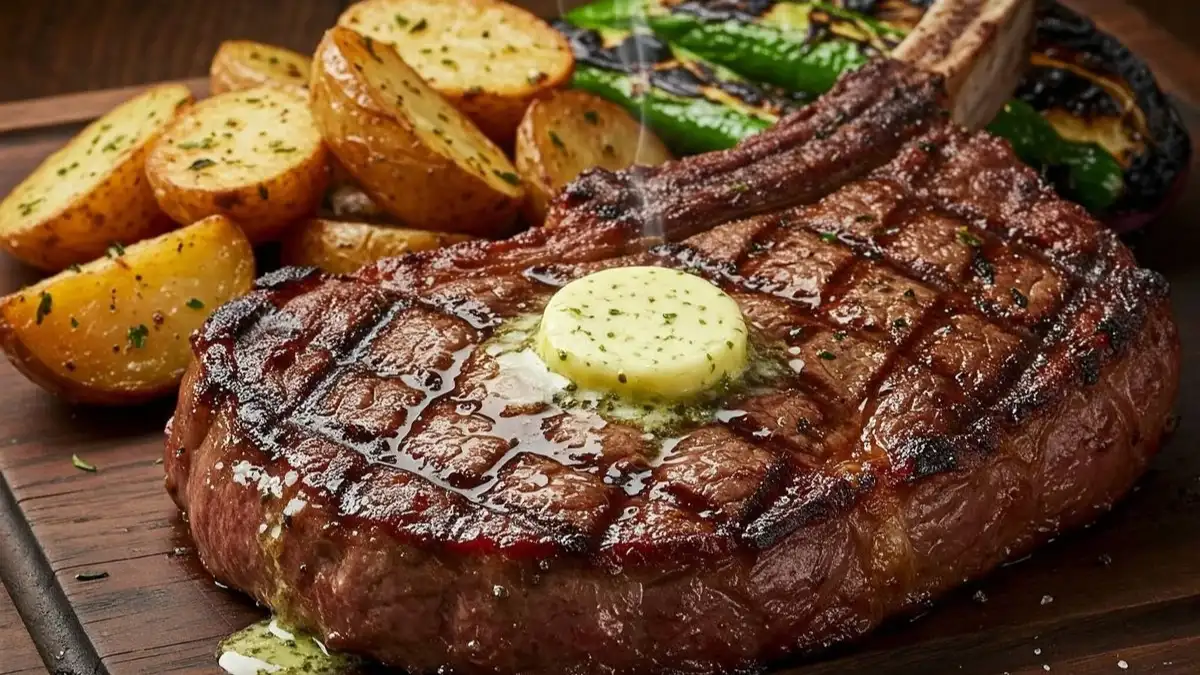
Consider the difference between a steak and a bowl of lentils. A steak has plenty of protein but also brings saturated fat. On the other hand, one cup of cooked lentils offers about 18g of protein and 15g of fiber with almost no saturated fat. Mixing in more beans, peas, and seafood helps protect your heart while keeping your energy high.
What to Limit (Without Stressing About It)
A sustainable healthy usa diet isn’t about “never” eating certain foods; it’s about “less often.”
-
Added Sugar: The new guidelines suggest keeping added sugar to about 10g per meal. Watch out for “hidden” sugars in pasta sauces and yogurts.
-
Processed Meats: Try to keep bacon, sausage, and deli meats as an occasional treat rather than a daily staple.
-
Alcohol: The latest advice is simple: “less is better.” There’s no need to stress over a glass of wine, but water is always the better daily choice.
Remember, your healthy usa diet is defined by what you eat most of the time, not what you eat at a birthday party or on a holiday.
Your Path Forward
Starting a journey toward clean eating america style doesn’t mean you have to change everything overnight. In fact, the people who find the most success are those who make small, consistent choices. Whether it’s swapping your afternoon soda for water or trying one of our low calorie american meals this Tuesday, every bit counts.
You don’t have to give up the flavors you love to live a healthier life. Pick just one change to try this week and see how you feel. For more recipe ideas and tips on low calorie american meals, check out our latest guides at samppy.com/food/.
Frequently Asked Questions
What exactly is considered “healthy american food” in 2026?
In 2026, the definition has shifted away from restrictive dieting toward “real food.” It focuses on traditional American staples that are minimally processed—think roasted turkey, wild-caught fish, corn on the cob, potatoes (baked, not fried), and plenty of regional fruits and vegetables. The goal is to eat foods that look like they did when they came out of the ground or off the farm.
Are “low calorie american meals” actually filling?
Yes, if you focus on volume and fiber. The secret to feeling full on fewer calories is eating foods with high water and fiber content. For example, a large bowl of vegetable soup or a massive salad with lean chicken will fill your stomach much more effectively than a small, calorie-dense cheeseburger.
Is “clean eating america” just a trend, or is it here to stay?
While the term has evolved, the core principle of clean eating america—choosing whole foods over ultra-processed ones—is the backbone of the 2025–2030 Dietary Guidelines. It’s less of a fad and more of a return to basics to combat the rise in lifestyle-related health issues.
Can I still eat out while following a healthy usa diet?
Absolutely! Most American restaurants now offer “power bowls,” grilled options, or the ability to swap fries for a side salad or steamed veggies. The key is to watch the “hidden” calories in dressings, sauces, and large soda refills.
How much protein do I really need daily?
While the 2026 guidelines suggest a slight increase in protein for active adults, the source is what matters. Aiming for about 0.8 to 1.2 grams of protein per kilogram of body weight is a general rule of thumb, but try to get at least half of that from plant-based sources like beans, nuts, and seeds.