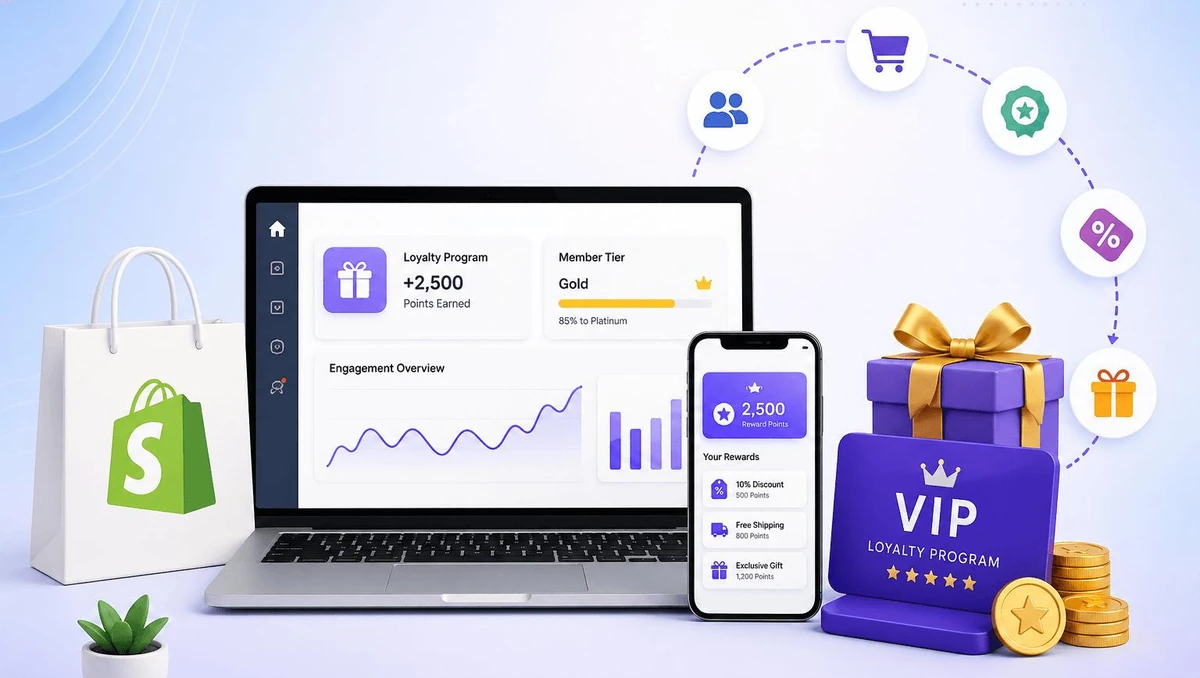
Getting someone to buy from your online store once is one thing. Giving them a good reason to come back is a different challenge. Customers have plenty of choices, and if another brand offers a better deal or a more enjoyable shopping experience, they may not think twice about switching.
That’s where loyalty programs can help. They give customers something extra for staying connected with a brand, whether that’s reward points, exclusive discounts, birthday offers or early access to new products.
The best loyalty program software for direct-to-consumer brands helps businesses create these experiences without managing every reward manually. Platforms such as Smile.io, LoyaltyLion, Yotpo and Rivo offer different ways to reward customers, encourage referrals and understand shopping behavior.
But which one should you choose? It depends on your store size, ecommerce platform, budget and the kind of relationship you want to build with customers. Let’s look at seven options and what makes each one useful.
Key Takeaways
-
Smile.io is a sensible starting point for smaller Shopify stores.
-
LoyaltyLion offers more customization for growing ecommerce brands.
-
Yotpo connects loyalty with reviews and referral marketing.
-
Rivo suits Shopify businesses looking for connected retention features.
-
Okendo combines loyalty with customer reviews and feedback.
-
Stamped is worth considering for Shopify stores that want reviews and rewards.
-
Antavo is designed for more complex, enterprise-level loyalty programs.
The best choice depends on your store’s size, platform, budget and customer retention goals. Start with the features you genuinely need rather than paying for an entire marketing system you may never use.
What Is Loyalty Program Software for DTC Brands?
Loyalty program software is a platform that helps an online brand reward customers for shopping, referring friends or interacting with its business. Instead of tracking rewards in spreadsheets, the software handles points, discounts, customer accounts and reward activity automatically.
For example, imagine someone buys skincare products from your store. They receive 100 points after checkout. Later, they can use those points to get a discount on their next order. If they recommend the store to a friend, they may earn additional rewards.
This creates a simple reason to return. The brand also gets a better understanding of which customers shop regularly, which rewards people actually use and what encourages another purchase. Businesses can also explore useful digital tools, such as the best code editor for Mac, best photo editing software and best AI humanizer to support different parts of their online operations.
For direct-to-consumer businesses, this can be useful because they own the relationship with customers instead of depending entirely on third-party retailers. A well-planned loyalty program can support repeat purchases, referrals and long-term customer relationships.
7 Best Loyalty Program Software for Direct-to-Consumer Brands
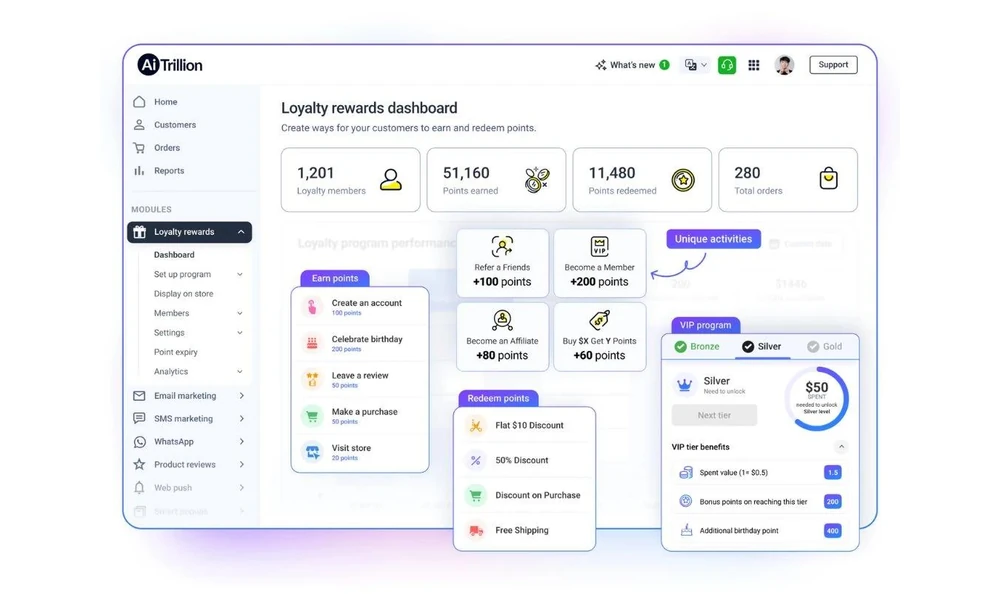
There isn’t one platform that suits every DTC business. A small Shopify store may need a simple points system, while a growing brand might want VIP memberships, advanced customer data and connections with its email marketing platform.
Here are seven platforms worth considering.
1. Smile.io
Smile.io is a practical starting point for brands that want to launch a customer rewards program without building one from scratch. It helps Shopify and BigCommerce stores reward customers through points, referrals and VIP tiers.
Customers can earn points for purchases and other activities, then exchange them for discounts or other rewards. Brands can also create VIP levels to give their most active shoppers extra benefits.
Key features:
-
Points-based rewards for purchases and engagement.
-
Referral programs to encourage customer recommendations.
-
VIP tiers with different benefits.
-
Customizable rewards pages and customer experiences.
-
Integrations with popular ecommerce and marketing tools.
Why consider it?
Smile.io makes sense for small and medium-sized DTC brands that want a familiar loyalty setup. Its features are relatively easy to understand, which helps when a business is launching its first rewards program.
However, businesses with complex customer journeys or highly customized loyalty requirements may eventually need a more flexible platform. Pricing also depends on the plan and order volume.
2. LoyaltyLion
LoyaltyLion is designed for ecommerce businesses that want more control over how they reward and engage customers. It goes beyond giving points for purchases by allowing brands to build different earning rules and customer experiences.
For example, a clothing brand could reward shoppers for placing orders, creating accounts, leaving reviews or referring friends. It can also use VIP tiers to give regular customers access to additional benefits.
Key features:
-
Customizable points and rewards programs.
-
VIP tiers and customer segmentation.
-
Referral and engagement rewards.
-
Ecommerce and email marketing integrations.
-
Loyalty reporting and performance insights.
Why consider it?
LoyaltyLion is worth exploring when a brand has moved beyond a basic rewards system and wants more control over customer engagement. Its integrations can also help connect loyalty activity with wider marketing campaigns.
The main drawback is that its advanced features may be more than a new or small store needs. Businesses should check the pricing and order limits before committing.
3. Yotpo Loyalty
Yotpo Loyalty is a useful option for brands that want to connect customer rewards with their wider marketing activities. Its loyalty platform supports points, referrals and VIP programs, while the wider Yotpo ecosystem includes product reviews and other customer marketing tools.
This can be helpful for a beauty or skincare brand that wants to reward customers for purchases and referrals while also encouraging shoppers to share product reviews.
Key features:
-
Points-based customer rewards.
-
Referral campaigns.
-
VIP programs and exclusive benefits.
-
Loyalty campaign management.
-
Connections with other Yotpo products and ecommerce tools.
Why consider it?
Yotpo is particularly worth considering if your business already uses its review products or wants several customer marketing features under one provider. Having connected tools can make campaign management easier.
However, buying several products from one provider can increase overall costs. A brand that only needs basic loyalty features should compare standalone alternatives first.
4. Rivo
Rivo is built around customer retention, with tools for loyalty, referrals, memberships and personalized customer accounts. It’s particularly interesting for Shopify brands that want more than a traditional points program.
A brand can reward customers for purchases, offer cashback or store credit, create VIP levels and run referral campaigns. Customers can also access their rewards through a branded account experience.
Key features:
-
Points and cashback rewards.
-
Custom earning rules and VIP tiers.
-
Referral campaigns with rewards for both sides.
-
Paid and free membership options.
-
Shopify checkout and customer account integrations.
-
Loyalty reporting and analytics.
Why consider it?
Rivo is a strong option for growing Shopify businesses that want to bring several retention activities together. Its pricing page lists Scale plans starting at $49 per month, with higher plans offering additional capabilities. Some features and usage limits depend on the selected plan.
The main thing to remember is that Rivo is focused on Shopify. Brands using other ecommerce platforms should check compatibility before considering it.
5. Okendo
Okendo is an ecommerce customer marketing platform that brings together tools such as reviews, loyalty, referrals and customer surveys. This makes it worth considering for DTC brands that want to build stronger customer relationships through more than discounts.
For example, a skincare company could reward a customer for making a purchase, leaving a product review or referring a friend. These activities can help the brand encourage repeat shopping while collecting useful customer feedback.
Key features:
-
Points-based loyalty programs.
-
Customer referrals and VIP rewards.
-
Product reviews and user-generated content.
-
Customer surveys and feedback collection.
-
Integrations with ecommerce and marketing platforms.
Why consider it?
Okendo is worth looking at if customer reviews and loyalty are both important parts of your marketing strategy. Connecting these activities can make it easier to reward customers for sharing their experiences.
However, businesses should compare the available products and pricing carefully. Not every feature may be included in every plan, and a smaller store may not need the complete platform.
6. Stamped
Stamped combines customer loyalty, reviews and repeat-purchase tools. Its loyalty product allows brands to reward shoppers through points, referrals and VIP programs.
Think about a customer who buys from a fashion store and later shares a review with photos. A brand can use a loyalty program to reward that activity, giving the customer another reason to stay involved.
Key features:
-
Points and reward management.
-
Customer referral programs.
-
VIP loyalty tiers.
-
Product reviews and photo content.
-
Loyalty performance analytics.
Why consider it?
Stamped can be useful for brands that want reviews and loyalty to work together. Its separate products also give businesses the option to select the tools they actually need.
One limitation is platform compatibility. Stamped’s current loyalty development is focused on Shopify, while merchants using other platforms may need a custom API implementation. Its pricing also depends on the products selected.
7. Antavo
Antavo is a more advanced loyalty management platform for businesses that need flexibility across different customer channels and markets. Rather than focusing only on simple points and discounts, it supports more complex loyalty strategies.
For example, an international fashion brand might want different membership levels, personalized campaigns and rewards that work across its online store and physical locations. An enterprise loyalty platform can help manage these activities in one system.
Key features:
-
Customizable loyalty program structures.
-
Points, rewards and membership tiers.
-
Customer engagement campaigns.
-
Gamification and personalized experiences.
-
Integrations with business systems and marketing tools.
-
Multi-channel loyalty management.
Why consider it?
Antavo is worth exploring when a DTC business has a large customer base and needs a more tailored loyalty setup. Its flexibility can be useful for brands with complicated reward rules or multiple markets.
However, it may be too much for a small ecommerce store. Enterprise platforms usually require more planning, implementation work and budget than straightforward Shopify loyalty apps.
Quick Comparison: Which Loyalty Software Should You Choose?
Each platform serves a slightly different purpose. Here’s a simple comparison to help narrow down the options.
| Software | Best for | Main strength |
|---|---|---|
| Smile.io | Small and growing Shopify stores | Points, referrals and VIP tiers |
| LoyaltyLion | Growing DTC brands | Customization and integrations |
| Yotpo | Brands using customer reviews | Loyalty and referral marketing |
| Rivo | Shopify Plus businesses | Loyalty, cashback and memberships |
| Okendo | Customer engagement | Reviews, referrals and rewards |
| Stamped | Shopify ecommerce stores | Reviews and loyalty together |
| Antavo | Enterprise brands | Advanced loyalty management |
This comparison is based on publicly described product capabilities, platform focus and published pricing information. It is not a hands-on performance test or a claim that one platform produces better retention results than another.
How Do You Choose the Right Loyalty Program Software?
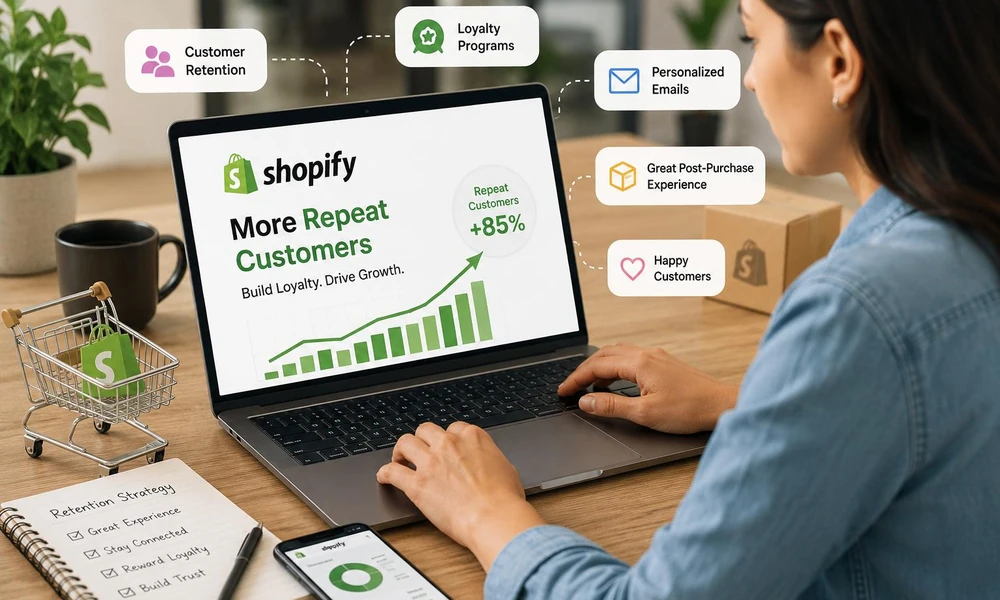
Choosing software isn’t just about finding the platform with the longest feature list. You need something that fits the way your customers shop and the way your team works.
Before making a decision, look at these points.
1. Check Your Ecommerce Platform
Start with your existing store setup. If you use Shopify, check whether the loyalty software supports Shopify checkout, customer accounts and POS. If you use BigCommerce or a custom ecommerce website, make sure the platform supports your setup.
An integration that doesn’t work properly can create extra work for your team and confusion for customers.
2. Look at Reward Options
Points are useful, but they aren’t the only way to encourage repeat purchases. Consider whether you need:
-
Discounts and free shipping.
-
Cashback or store credit.
-
VIP membership levels.
-
Birthday and anniversary rewards.
-
Referral bonuses.
-
Exclusive products or early access.
Choose rewards that make sense for your products and profit margins. Offering a large discount isn’t always the best way to build customer loyalty.
3. Compare Pricing and Order Limits
Some platforms charge based on monthly orders, while others offer custom pricing for larger businesses. A free plan might be enough for a new store, but costs can increase as your customer base grows.
Check the subscription fee, order limits, extra integration charges and implementation costs before signing up.
4. Check Integrations and Reporting
Your loyalty software should work with the tools you already use, especially email marketing, SMS, customer support and subscription platforms.
Reporting is equally important. Look for information about reward redemptions, repeat purchases, referral activity and program costs. These details help you understand whether your loyalty strategy is actually working.
How Can DTC Brands Measure Loyalty Program Performance?
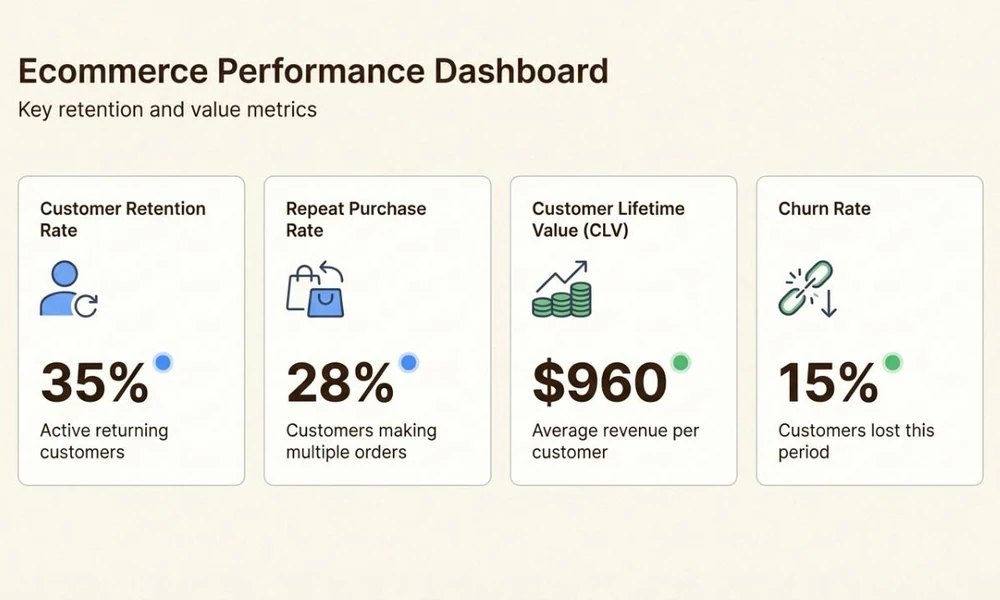
Launching a rewards program is only the beginning. You also need to understand whether customers are using it and whether it contributes to better business results.
Here are four useful metrics to monitor:
-
Repeat purchase rate: Shows how many customers return to place another order.
-
Customer lifetime value (CLV): Estimates the total revenue a business can expect from a customer over their relationship with the brand.
-
Reward redemption rate: Measures how many earned rewards customers actually use.
-
Referral conversion rate: Shows how many referred visitors become paying customers.
Compare these figures before and after launching your program. Also compare loyalty members with similar non-members, where possible. Members may already be more active shoppers, so higher spending alone doesn’t prove that the program caused the difference.
Frequently Asked Questions
What is the best loyalty program software for direct-to-consumer brands?
Smile.io is a good starting point for Shopify stores that need points, referrals and VIP rewards. Growing brands may prefer LoyaltyLion or Rivo, while enterprise businesses can explore Antavo.
How much does DTC loyalty program software cost?
Pricing depends on the platform, features and monthly order volume. Some tools offer free plans, while paid options can start around $15 per month. Advanced and enterprise solutions may require custom pricing.
Can loyalty software increase repeat purchases?
It can encourage repeat purchases by giving customers rewards for shopping again. However, results depend on the quality of the rewards, customer experience and how well the program is managed.
Are loyalty programs useful for small ecommerce businesses?
Yes. Small businesses can start with simple points or referral programs. They don’t need complicated membership levels or expensive software from the beginning.
What is the difference between a loyalty program and a referral program?
A loyalty program rewards existing customers for purchases and engagement. A referral program encourages customers to recommend a brand to other people, usually in exchange for a reward.
Final Thoughts
A good loyalty program gives customers a reason to return without making every purchase depend on another discount. The right software also makes it easier for brands to understand customer behavior and improve their retention strategy.
At Samppy, we believe the best approach is to start with a clear goal, choose software that fits your existing store and measure the results before adding more features. A simple program that customers actually use is more valuable than a complicated one that looks impressive but gets ignored.
Disclaimer: This article is for informational purposes only. Software features, integrations and prices can change. Check each provider’s official website for current details before purchasing. Platform descriptions are based on publicly available product information, not independent hands-on testing.