This guide introduced first-time diners to Ethiopian cuisine by explaining its history, unique dining traditions, and the role of injera bread. It recommended beginner-friendly dishes like Doro Wat, Tibs, Shiro, Misir Wat, and Gomen while covering spice levels, vegetarian options, and Ethiopian coffee culture. Readers also learned helpful restaurant etiquette, ordering tips, and common mistakes to avoid, making them well prepared to enjoy an authentic Ethiopian dining experience in the United States.
Trying Ethiopian food guide usa for the first time can feel exciting, especially when the menu includes unfamiliar names and flavors. Many first-time visitors wonder what to order, how meals are served, and whether the food will be too spicy. This guide answers those questions in simple language while introducing the rich traditions behind Ethiopian cuisine. By the end, you’ll feel confident walking into an Ethiopian restaurant anywhere in the United States.

Ethiopian Food Guide USA: Everything Beginners Should Know
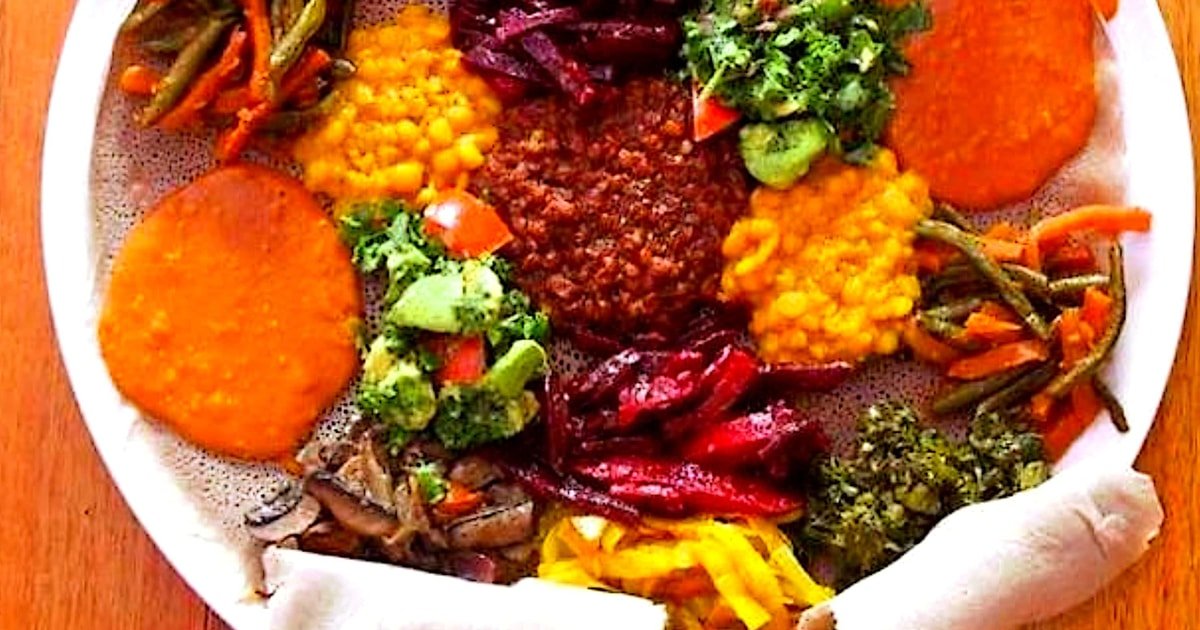
Ethiopian cuisine is one of the most unique dining experiences you’ll find in America. Instead of individual plates, meals are often served on a large shared platter with different stews, vegetables, and meats arranged over soft, fermented injera bread. Every bite combines bold spices, comforting textures, and centuries of culinary tradition. Whether you’re dining with friends or family, sharing the meal becomes part of the experience.
A Rich Culinary Tradition
Ethiopian food reflects generations of cultural heritage and regional ingredients. Recipes often use lentils, chickpeas, beef, chicken, vegetables, and aromatic spice blends that create deep, satisfying flavors. Many dishes are naturally gluten-free or plant-based, making Ethiopian cuisine welcoming for different dietary preferences. This combination of tradition and variety has helped Ethiopian restaurants grow across major American cities.
Why Ethiopian Food Stands Out
Unlike many cuisines that serve separate side dishes, Ethiopian meals are designed for sharing. The combination of colorful stews served on injera encourages conversation and creates a relaxed dining atmosphere. Instead of forks and knives, diners traditionally use pieces of injera to scoop up each dish. This interactive style makes every meal memorable for first-time visitors.
What Makes Ethiopian Cuisine Unique?
One of the biggest reasons people fall in love with Ethiopian food is its balance of bold spices and comforting ingredients. While some dishes are spicy, many others are mild and flavorful, allowing beginners to explore without feeling overwhelmed. The cuisine also celebrates fresh vegetables, slow-cooked meats, and carefully blended seasonings. Every dish tells a story rooted in Ethiopian culture and hospitality.
History and Cultural Influences
Ethiopian cuisine has developed over thousands of years through farming traditions and cultural exchange. Highlands rich in grains, legumes, and livestock shaped many classic recipes enjoyed today. Religious fasting traditions also inspired an impressive selection of vegetarian and vegan dishes that remain popular throughout the year. These influences give Ethiopian food remarkable variety and depth.
Ethiopian Cuisine Compared with Other East African Foods
Although Ethiopian food belongs to the wider East African culinary family, it has its own distinct identity. Countries across East Africa share ingredients like lentils, beef, and fresh vegetables, yet Ethiopian cooking relies heavily on fermented injera and signature spice blends. Berbere seasoning adds warmth and complexity that differs from neighboring cuisines. This unique flavor profile keeps diners coming back for more. Exploring how different regions build their signature flavors is fascinating, and this look at unique regional foods across America shows the same idea closer to home.
Understanding Injera Bread
No Ethiopian meal is complete without injera, the soft, slightly sour flatbread that replaces plates and utensils. It serves as the foundation of nearly every traditional meal and complements both spicy and mild dishes beautifully. Learning about injera helps first-time diners enjoy Ethiopian food with confidence.
What Is Injera?
Injera is a fermented flatbread traditionally made from teff, one of the world’s oldest grains. The fermentation process gives it a pleasantly tangy taste and a soft, spongy texture. Tiny air pockets absorb flavorful sauces from stews, creating delicious bites every time. Its unique texture makes eating Ethiopian food both practical and enjoyable. For readers who want to go deeper into its origins, this detailed background on injera’s history and fermentation process covers the science and cultural context in full.
How Injera Is Made
Making injera begins by mixing teff flour with water before allowing the batter to ferment naturally for several days. Once ready, the batter is poured onto a hot griddle where it cooks from one side only. Steam creates its signature bubbles while keeping the bread soft and flexible. This traditional preparation method has remained largely unchanged for generations.
How to Eat with Injera
Using injera is surprisingly simple for first-time diners. Tear off a small piece of bread and use it to scoop up your chosen stew or vegetables. The bread absorbs sauces beautifully, making every bite rich and flavorful. After a few bites, eating with your hands feels completely natural.
What to Order at an Ethiopian Restaurant
A combination platter is usually the best choice for beginners because it offers several dishes in one meal. You’ll experience different flavors without committing to a single entrée. Most Ethiopian restaurants in the United States offer mixed platters featuring meats, vegetables, or both. This approach lets you discover personal favorites during your first visit.
Best Chicken Dishes
Doro Wat is widely considered Ethiopia’s national dish and a must-try for newcomers. This slow-cooked chicken stew combines onions, garlic, ginger, butter, and berbere spice into a rich, flavorful sauce. A boiled egg is traditionally served with the stew, adding extra texture and richness. Although spicy, many restaurants can adjust the heat level for beginners.
Best Beef Dishes
If you enjoy beef, Tibs is an excellent starting point. Tender beef cubes are sautéed with onions, peppers, tomatoes, and mild spices for a satisfying meal. Another well-known dish is Kitfo, made from finely minced beef seasoned with spiced clarified butter and herbs. Some restaurants prepare it fully cooked for guests who prefer traditional flavors without raw meat.
Best Vegetarian Dishes
Vegetarian Ethiopian cuisine is famous even among meat lovers because of its incredible variety. Shiro is a creamy chickpea stew that’s smooth, comforting, and mildly spiced. Misir Wat features red lentils simmered with onions, garlic, and berbere seasoning for a rich taste. Gomen, made from slow-cooked collard greens, adds freshness and balances stronger flavors perfectly.
Beginner-Friendly Ethiopian Combination Platters
Ordering a combination platter removes the stress of choosing individual dishes. You’ll sample several traditional recipes while learning which flavors suit your taste. It’s also the best option for sharing with friends or family, making the dining experience more interactive.

| Dish | Flavor Profile | Spice Level | Beginner Friendly | Vegetarian |
|---|---|---|---|---|
| Doro Wat | Rich chicken stew | Medium–High | Yes | No |
| Tibs | Savory sautéed beef | Mild–Medium | Yes | No |
| Shiro | Creamy chickpea stew | Mild | Excellent | Yes |
| Misir Wat | Spiced red lentils | Medium | Yes | Yes |
| Gomen | Seasoned collard greens | Mild | Excellent | Yes |
| Atakilt Wat | Cabbage, carrots, potatoes | Mild | Excellent | Yes |
A balanced platter gives you an authentic introduction to Ethiopian cuisine without feeling overwhelming. Pair it with extra injera so every flavorful sauce can be enjoyed until the last bite.
Ethiopian Dining Etiquette
Dining at an Ethiopian restaurant is about more than enjoying delicious food. The meal encourages conversation, sharing, and spending quality time with family or friends. Understanding a few simple customs helps first-time visitors feel comfortable and appreciate the culture behind every dish.
Eating with Your Hands
Traditional Ethiopian meals are eaten using pieces of injera instead of forks or spoons. Tear off a small piece of bread, wrap it around your chosen dish, and enjoy it in one bite. This method connects diners more closely with the food while creating a relaxed atmosphere. Most restaurants will happily provide utensils if you prefer them.
Sharing Food Together
Communal dining is an important part of Ethiopian hospitality. A large platter is placed in the center of the table so everyone can enjoy different dishes together. Sharing encourages conversation and allows diners to taste a wider variety of flavors. It also makes the meal feel warm and welcoming.
Understanding Gursha
One beautiful Ethiopian tradition is gursha, where someone offers another person a bite of food by hand. It represents friendship, respect, and affection between family members or close friends. Visitors are never expected to participate, but knowing its meaning helps you appreciate Ethiopian culture even more.
Ethiopian Coffee Ceremony
Coffee plays an important role in Ethiopian culture because the country is widely recognized as the birthplace of coffee. Many traditional restaurants offer a coffee ceremony that turns an ordinary drink into a memorable experience. Watching fresh beans roasted before brewing adds a special touch to your visit.
Why Coffee Matters
The Ethiopian coffee ceremony symbolizes hospitality, respect, and community. Freshly roasted beans produce a rich aroma that fills the room before the coffee is brewed. Drinking coffee together often marks the perfect ending to a shared meal.
What to Expect
The ceremony usually includes roasting green coffee beans, grinding them by hand, and brewing them in a traditional clay pot called a jebena. The coffee is served slowly in small cups, allowing guests to relax and enjoy meaningful conversations. Even if you are not a regular coffee drinker, the experience is worth trying.
Is Ethiopian Food Spicy?
Many first-time diners worry that every Ethiopian dish is extremely spicy. Fortunately, Ethiopian cuisine offers options for every preference, from mild vegetable dishes to richly spiced meat stews. Most restaurants are happy to recommend beginner-friendly meals or adjust spice levels when possible.
Mild vs. Spicy Dishes
If you enjoy gentle flavors, start with Shiro, Atakilt Wat, Gomen, or Tibs. These dishes highlight natural ingredients without overwhelming heat. Once you become familiar with Ethiopian flavors, you can explore classics like Doro Wat or Misir Wat, which offer a deeper spice profile.
Berbere Spice Explained
Berbere is Ethiopia’s signature spice blend and one of the country’s most famous ingredients. It typically combines chili peppers with garlic, ginger, paprika, fenugreek, coriander, cinnamon, and several other spices. Rather than creating intense heat alone, berbere delivers warmth, complexity, and a rich aroma that defines many Ethiopian recipes.
Vegetarian and Vegan Ethiopian Cuisine
Ethiopian cuisine is an excellent choice for vegetarians and vegans because many traditional recipes naturally avoid meat and dairy. Religious fasting traditions inspired countless plant-based dishes that remain everyday favorites across Ethiopia. These meals are nutritious, colorful, and packed with flavor. If plant-based dining is your thing, it’s worth checking out some of the best vegan and plant-based restaurants across the US for more inspiration beyond Ethiopian menus.
Popular Plant-Based Favorites
Vegetarian combination platters often include Shiro, Misir Wat, Gomen, Atakilt Wat, and seasoned lentils or cabbage dishes. Together, they create a balanced meal filled with protein, fiber, and vegetables. Even dedicated meat lovers are often surprised by how satisfying these dishes can be.
Healthy Dining Choices
Most Ethiopian meals include legumes, leafy greens, fresh vegetables, and whole grains. Many dishes are slow-cooked using simple ingredients instead of heavily processed foods. This makes Ethiopian cuisine a wholesome option for anyone seeking flavorful yet nourishing meals. For more ways to build meals around fresh produce at home, these healthy vegetable recipes follow a similar wholesome, ingredient-first approach.
Tips for Ordering Ethiopian Food in the USA
Your first Ethiopian restaurant visit becomes much easier with a little planning. Instead of ordering several individual entrées, begin with a combination platter that includes both meat and vegetarian selections. This gives you a broad introduction to the menu while keeping the experience simple.
Helpful tips include:
- Start with a combination platter.
- Ask your server about spice levels.
- Order extra injera if you’re sharing.
- Try one vegetarian dish alongside a meat entrée.
- Finish your meal with traditional Ethiopian coffee if available.
These simple choices help first-time diners enjoy an authentic and stress-free experience.
Key Takeaways
- Ethiopian cuisine is perfect for sharing with family and friends.
- Injera is both the plate and the utensil.
- Combination platters are ideal for beginners.
- Vegetarian dishes are among Ethiopia’s greatest culinary strengths.
- Spice levels vary, so everyone can find suitable options.
- The coffee ceremony adds cultural value to the dining experience.
Conclusion
Trying Ethiopian food for the first time is about discovering new flavors, traditions, and a unique way of sharing meals. From soft injera bread to rich stews, fresh vegetables, and aromatic spices, every dish offers something memorable. Whether you prefer meat, vegetarian, or vegan options, Ethiopian restaurants across the United States provide welcoming experiences for every type of diner. At Samppy, we believe exploring global cuisines is one of the best ways to appreciate different cultures, and Ethiopian food is an unforgettable place to begin.
Frequently Asked Questions
1. What is the best Ethiopian dish for beginners?
A combination platter is the best choice because it lets you sample several dishes, including Doro Wat, Tibs, Shiro, and Misir Wat.
2. Is injera bread gluten-free?
Traditional injera made entirely from teff flour is naturally gluten-free. However, many restaurants blend teff with wheat flour, so ask before ordering if you have dietary restrictions.
3. Is Ethiopian food very spicy?
Not always. Many vegetable dishes and beef preparations are mild, while recipes using berbere seasoning offer a moderate to spicy flavor.
4. Do I have to eat with my hands?
No. Eating with injera is traditional, but most Ethiopian restaurants gladly provide forks and spoons if requested.
5. Are Ethiopian restaurants good for vegetarians?
Yes. Ethiopian cuisine offers one of the widest selections of naturally vegetarian and vegan dishes, making it an excellent choice for plant-based diners.