

Losing weight can feel overwhelming, especially when your goal is 30 pounds. If you’re wondering how long to lose 30 lbs, it’s important to set realistic expectations. Many people rush their weight loss journey, risking health and frustration. Understanding the factors that affect progress, combined with safe strategies, makes your journey easier and more successful.
Whether your goal is for better health, appearance, or fitness, a planned approach ensures long lasting results. This guide will help you understand safe timelines, influencing factors, and practical methods to achieve your weight loss goals efficiently.
On average, losing 30 pounds safely takes about 4–8 months. Diet, exercise, metabolism, and consistency affect the timeframe. Gradual weight loss promotes sustainable habits and prevents health risks.
How Long to Lose 30 lbs: Weight Loss Basics
Caloric Deficit and How Long to Lose 30 lbs
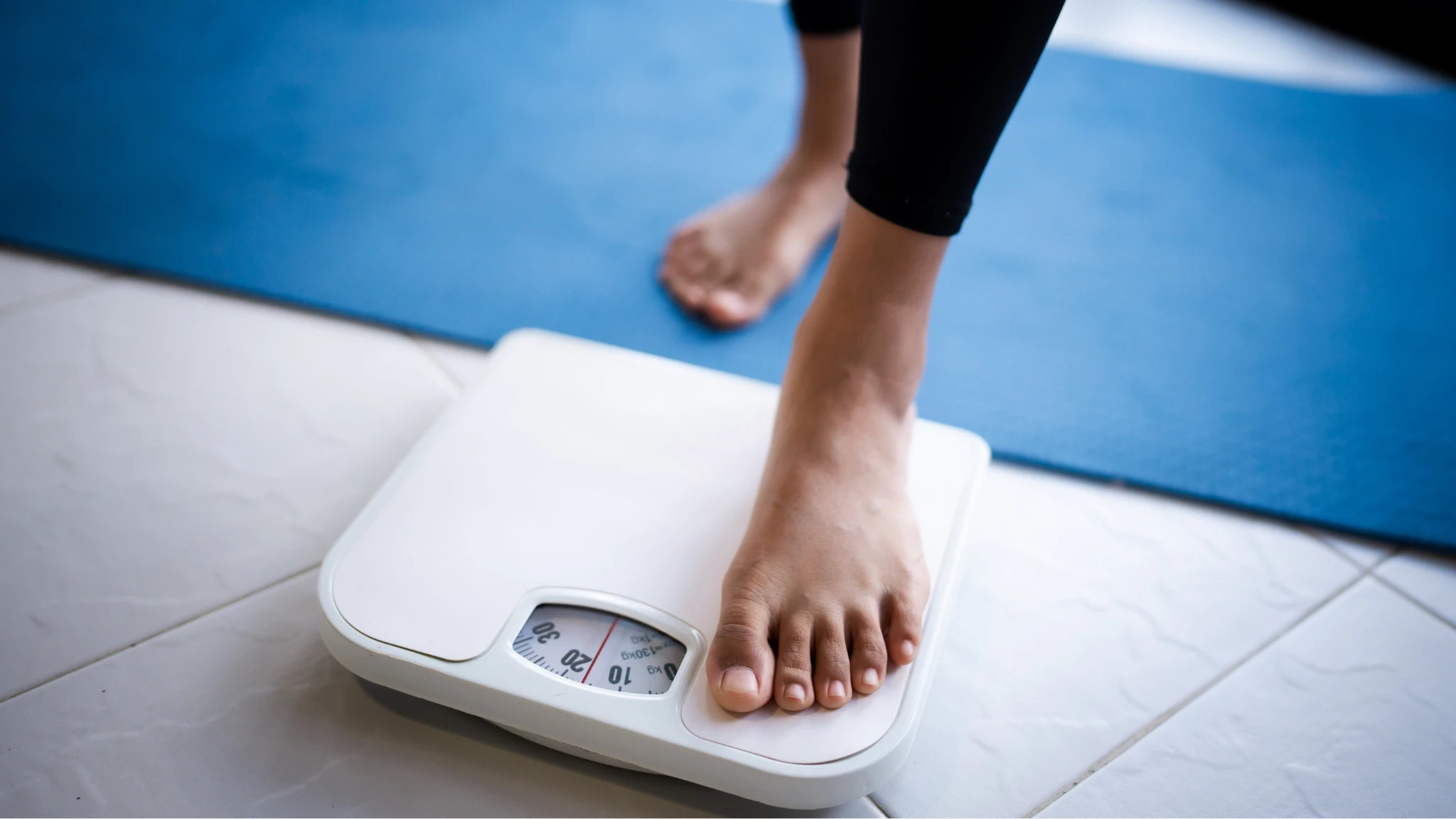
A caloric deficit occurs when you burn more calories than you consume daily. It is the foundation of all weight loss efforts. To lose weight safely, aim for a moderate deficit, usually 500–1000 calories per day.
Tracking meals and daily activity helps maintain the right balance. For instance, apps, journals, or simple logs can ensure you don’t accidentally eat more than you burn. Consequently, a consistent deficit ensures steady fat loss while avoiding muscle loss or low energy levels.
Metabolism’s Role in How Long to Lose 30 lbs
Metabolism determines how your body uses energy from food. People with higher metabolic rates burn calories faster, which can speed up weight loss. Factors like age, gender, muscle mass, and genetics all affect metabolism.
As we age, metabolism tends to slow, therefore making gradual weight loss essential. Additionally, incorporating strength training increases muscle mass, which in turn boosts metabolism. Consequently, understanding your metabolic rate helps set realistic expectations for losing 30 pounds safely.
Diet and Exercise for Losing 30 lbs
A combination of diet and exercise is crucial for effective weight loss. Diet provides the nutrients your body needs while maintaining a caloric deficit. Exercise increases calorie expenditure and improves overall fitness.
Cardio exercises, like walking or cycling, burn fat effectively. Strength training preserves lean muscle mass, which is vital for long term metabolism. Together, diet and exercise create a sustainable approach that supports safe weight loss.
Factors Affecting How Long to Lose 30 lbs
Age and Gender Impact on Weight Loss
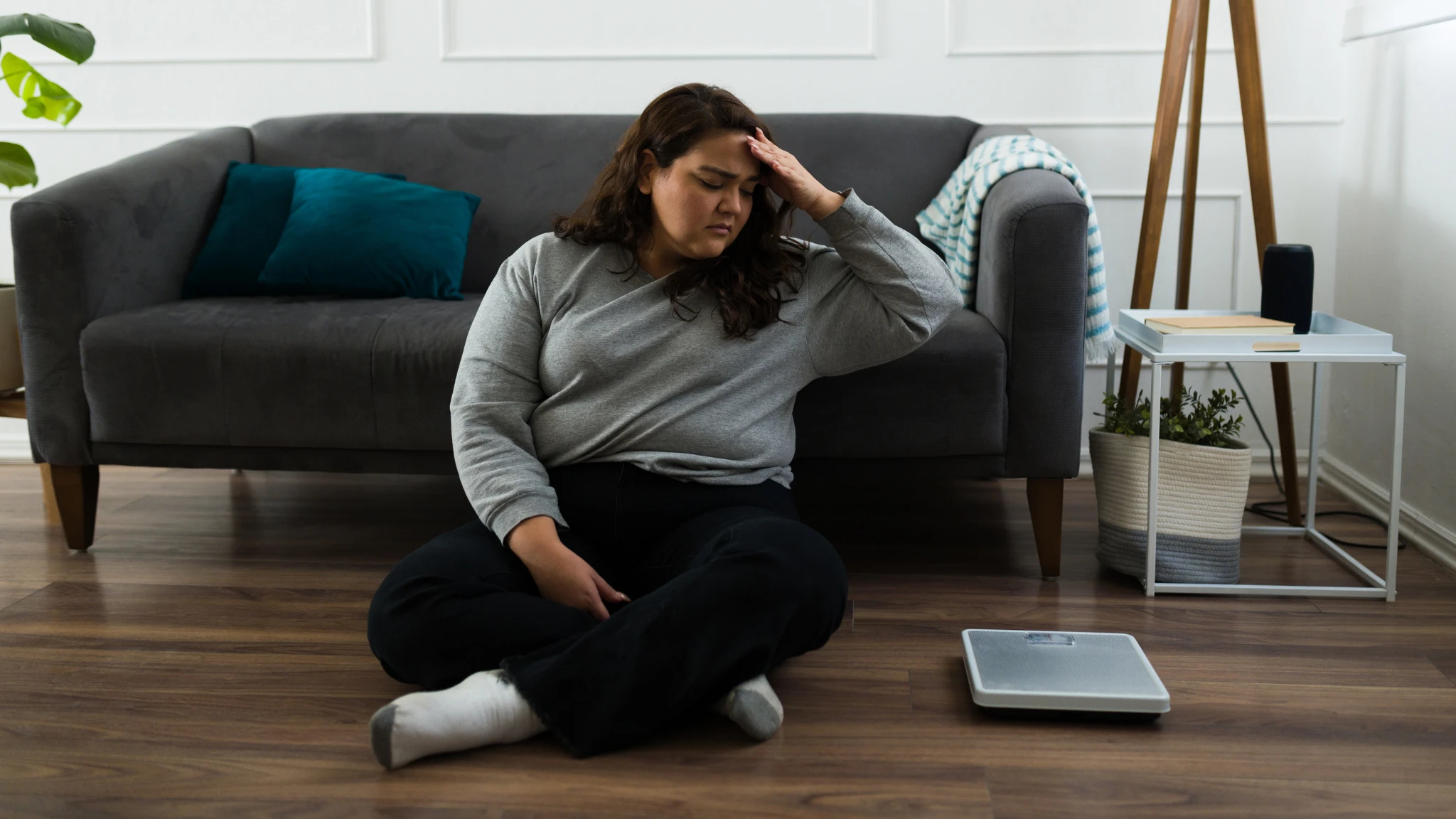
Gender also plays a role. Men tend to lose weight faster due to higher muscle mass and resting metabolic rate. Women may experience slower progress, especially during hormonal changes or life stages such as pregnancy or menopause.
Starting Weight and Body Composition Effects
Your starting weight influences the initial pace of weight loss. People with higher body fat often lose weight faster at first, while those closer to their goal may see slower progress.
Muscle mass affects how many calories your body burns daily. Those with more muscle burn calories efficiently, even at rest. Understanding your body composition can help predict a realistic timeline for losing 30 pounds.
Medical Conditions That Slow Weight Loss
Certain medical conditions, such as thyroid disorders, insulin resistance, or hormonal imbalances, can slow weight loss. Medications like steroids or antidepressants may also affect metabolism.
Consulting a healthcare professional ensures you follow safe strategies tailored to your needs. Managing medical factors allows you to achieve weight loss without compromising health.
Safe Timeline to Lose 30 lbs

Recommended Weekly Weight Loss
Experts recommend losing 1–2 pounds per week to ensure safety and sustainability. Faster rates may result in muscle loss, nutrient deficiencies, or metabolic slowdown.
Slow and steady weight loss allows your body to adjust to changes, reducing the likelihood of regaining weight. A consistent, moderate approach helps establish long-term habits that support continued progress.
Estimated Duration to Lose 30 lbs
At a rate of 1–2 pounds per week, losing 30 pounds generally takes 4–8 months. Individual timelines vary depending on diet, exercise intensity, and lifestyle consistency.
For example, someone losing 1 pound weekly would take 30 weeks, while losing 2 pounds weekly would take about 15 weeks. Setting a realistic schedule prevents disappointment and helps maintain motivation throughout the journey.
Consistency and Patience Tips
Consistency is more important than speed when losing 30 pounds. Missing workouts or overeating occasionally does not ruin progress if you return to your plan promptly.
Patience is key to long-term success. Weight loss is not linear; some weeks may show slower progress. Staying focused on daily habits ensures steady, sustainable results.
Tips to Lose 30 lbs Faster Safely
Incorporating Regular Exercise
Exercise increases calorie burn, improves cardiovascular health, and strengthens muscles. Aim for at least 150 minutes of moderate-intensity exercise weekly.
Include both cardio and strength training to maximize fat loss and preserve lean mass. Activities like walking, swimming, or resistance training support gradual, safe weight reduction.
Making Sustainable Dietary Changes
Focus on whole foods, including vegetables, lean proteins, and whole grains. Reduce sugar, processed foods, and excessive fats.
Smaller, frequent meals can help maintain energy and control hunger. Staying hydrated supports metabolism and helps prevent overeating.
Monitoring Progress and Adjusting Plans
Track your weight, measurements, and energy levels weekly. Adjust diet and exercise routines if progress slows or plateaus occur.
Using a journal or app helps identify patterns and maintain motivation. Regular monitoring ensures your plan remains realistic and effective for losing 30 pounds.
Common Mistakes That Prolong How Long to Lose 30 lbs
-
Fad diets: Rapid weight loss plans often cause nutrient deficiencies.
-
Skipping meals: Can slow metabolism and increase cravings.
-
Overtraining: Excessive exercise can lead to injuries and burnout.
-
Ignoring sleep: Poor rest affects hormones and weight loss efficiency.
-
Unrealistic expectations: Setting overly aggressive goals leads to frustration.
Avoiding these mistakes ensures a healthy, consistent weight loss journey. Sustainable strategies are far more effective than extreme approaches.
Example Weight Loss Timeline
| Weekly Loss | Weeks Needed | Notes |
|---|---|---|
| 1 lb/week | 30 weeks | Slow but sustainable |
| 1.5 lb/week | 20 weeks | Moderate, manageable |
| 2 lb/week | 15 weeks | Fast but safe if consistent |
This table helps visualize timelines and plan expectations based on your pace. Consistency, diet, and exercise remain the most important factors.
Motivation and Mindset for Weight Loss
H3: Setting Realistic Goals
Break the 30 pound goal into smaller milestones. Celebrate each milestone with non food rewards, like new clothes or a fitness activity.
Building Sustainable Habits
Focus on gradual changes that you can maintain long term. Habits like meal prepping, daily walks, and mindful eating create lasting results.
Staying Accountable
Track progress publicly or with a friend. Accountability increases motivation and makes it easier to stick to healthy routines.
Conclusion
Losing 30 pounds safely typically takes about 4–8 months, depending on metabolism, diet, exercise, and consistency. Moreover, gradual weight loss ensures long-term results while minimizing health risks. Therefore, focus on sustainable habits, regularly monitor your progress, and always maintain patience.
Start your journey today for a healthier, fitter, and more confident you. Celebrate small milestones to stay motivated—CDC’s guide can help. Persistence leads to lasting success, and tools like MyFitnessPal make tracking easier. For specific goals, see how long to lose 30 pounds.