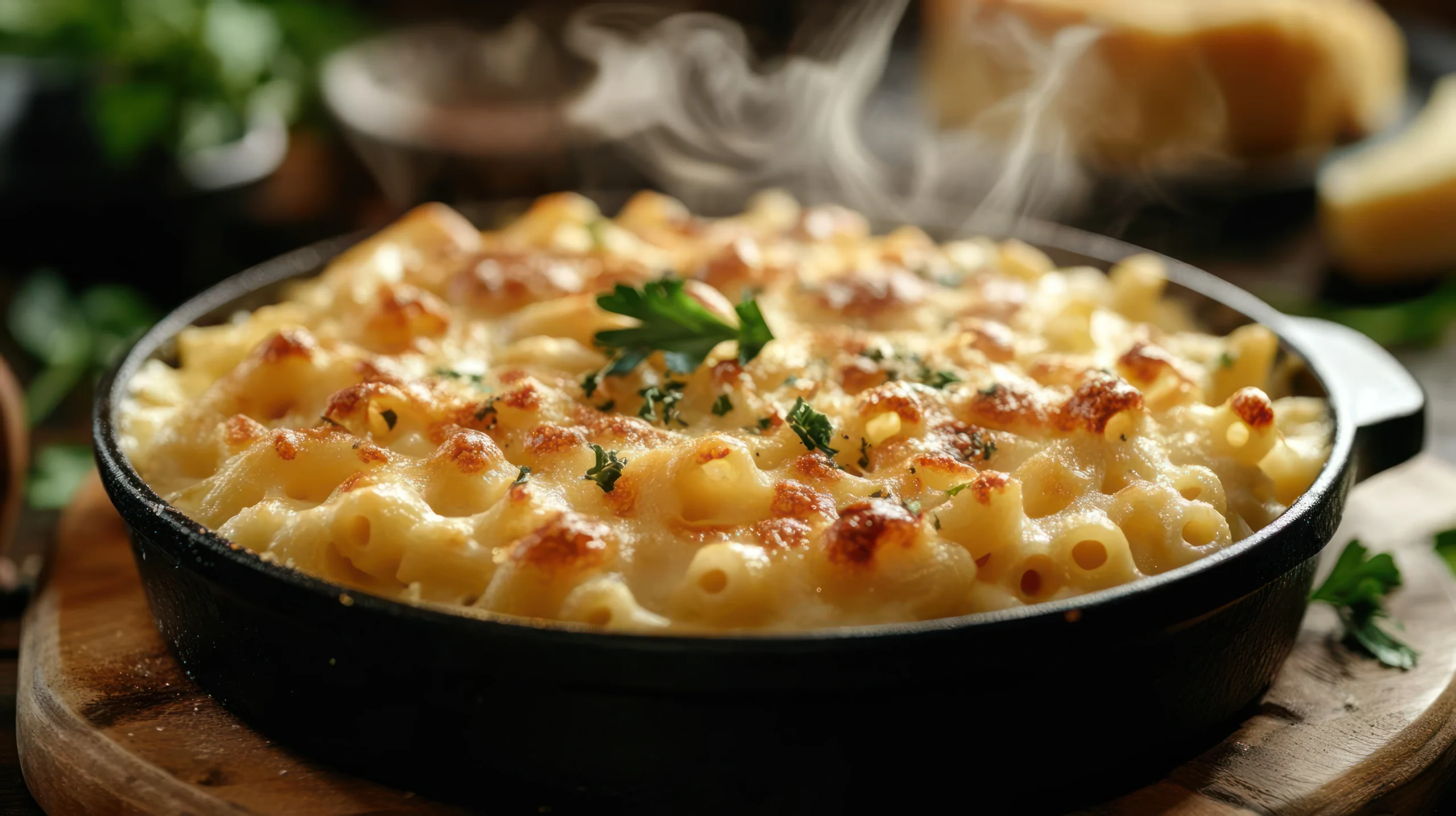
Let’s be completely honest about holiday spreads and Sunday dinners: there is standard macaroni and cheese, and then there is Southern-style baked soul food mac and cheese. If your recipe yields a loose, watery sauce or relies on pre-bagged cheese blends that melt into an oily film, Google isn’t the only one flags your content your dinner guests will notice too.
The absolute pinnacle of this culinary tradition lives inside the heritage of the late Sylvia Woods, globally revered as the “Queen of Soul Food.” Emerging out of her historic restaurant in Harlem, New York, Sylvia’s approach transformed macaroni and cheese from a simple side into a structured, custard-bound work of art.
To help you move past the “thin content” recipes dominating the web, this complete guide breaks down the science of the soul food bake, analyzes the exact texture layers, evaluates current ingredient costs, and gives you actionable kitchen hacks to achieve a perfect result every single time.
Why Sylvia’s Soul Food Recipes Macaroni and Cheese Is So Special
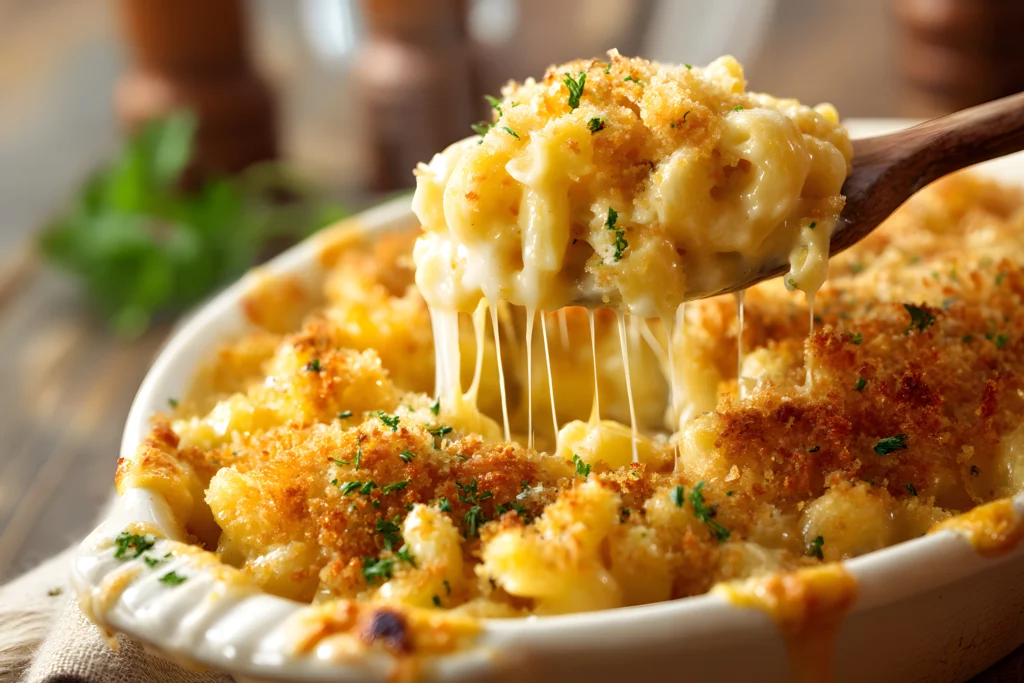
There are many mac and cheese recipes, but these recipes stand out for their heartwarming authenticity. It’s not just a side, it’s the star of the plate. Made with layers of real cheese, butter, and love, it defines soul food elegance.
What sets it apart is the balance between creamy and firm textures, the seasoning that hits just right, and the use of real ingredients. It’s a recipe that has fed families, healed bad days, and turned any regular meal into a celebration. You’re not just eating, you’re experiencing a flavorful story passed down through Sylvia’s Harlem kitchen. To understand the full history and cultural roots behind this dish, read our guide on what soul food is and its comfort cuisine history.
Key Ingredients and 2026 Grocery Cost Analysis
To achieve a true Harlem-quality dish, you cannot take shortcuts with your ingredients. To keep your shopping trip completely transparent, here is a breakdown of what you need alongside realistic 2026 average grocery store pricing, with cheese-aging and sharpness classifications explained further on the Wisconsin Milk Marketing Board’s official cheese guide.
| Core Ingredient | Role in the Dish | Estimated 2026 Price Tier (USD) |
| Elbow Macaroni (16 oz) | The ridged vehicle that catches the melted cheese. | $1.25 – $1.95 |
| Block Sharp Cheddar (16 oz) | Provides the sharp, tangy bite that cuts through the fat. | $4.50 – $6.50 |
| Evaporated Milk (12 oz can) | Concentrated milk proteins add deep, creamy richness. | $1.50 – $2.25 |
| Unsalted Sweet Cream Butter | Injected for clean silkiness and traditional flavor depth. | $3.50 – $4.75 (per lb) |
| Fresh Grade A Large Eggs (2) | The structural binder responsible for the custard finish. | $0.40 – $0.60 (pro-rata) |
| Paprika & Ground White Pepper | Adds earthiness, visual contrast, and a subtle warmth. | Miniscule cost |
Cooking Sylvia’s Classic Mac and Cheese
Cooking this food recipe is both an art and a joyful ritual. It’s about layering flavors and textures, paying attention to every step, and cooking with heart.
This dish is often baked instead of stovetop, creating a crispy top and tender, creamy middle. The baking step also brings out a deeper, roasted cheese flavor that defines soul food mac and cheese.
Step-by-Step Culinary Sequence
To prevent the common mistake of overcooking your pasta into mush, follow this precise chronological sequence exactly as intended.
Taste Profile of Sylvia’s Mac and Cheese
Sylvia’s soul food recipes macaroni and cheese is rich, savory, and deeply satisfying. The use of real dairy and seasoning builds layers of flavor that dance across your tastebuds.
Sylvia’s Soul Food Recipes Macaroni and Cheese: Flavor and Texture Breakdown
The sharpness of cheddar cuts through the creamy base, while the eggs create a velvety texture. You’ll notice hints of butter and spice without overwhelming the cheese. The top layer becomes crispy and caramelized, offering a contrast to the smooth center.
It’s this balance of flavor and texture that turns a humble dish into something memorable—deep, cozy, and timeless.
Best Side Dishes to Serve with Sylvia’s Mac
Sylvia’s soul food recipes macaroni and cheese pairs well with a variety of sides. Whether you’re serving it for Sunday dinner or a holiday feast, the right companions can elevate your plate.
Sylvia’s Soul Food Recipes Macaroni and Cheese: Southern-Style Collard Greens
Slow-simmered collard greens seasoned with smoked meat add a touch of bitterness that cuts through the richness of the mac and cheese. They’re hearty and earthy, making the meal feel complete. If you want to build out a full soul food spread, our Southern food guide to must-try USA dishes covers the classics that pair perfectly with this mac and cheese.
Fried Chicken or Smothered Pork Chops
For protein, fried chicken or pork chops offer a crispy contrast. Sylvia’s mac and cheese balances the flavors beautifully, making each bite feel indulgent yet balanced. For the crispiest homemade version to pair alongside it, try our KFC-style crispy fried chicken recipe.
Tips for Making It Just Like Sylvia
Want to master Sylvia’s soul food recipes macaroni and cheese in your own kitchen? Here are a few secrets that make a big difference in taste and texture.
- Use freshly shredded cheese—pre-shredded has added starch
- Don’t skip the eggs—they bind and add richness
- Let it rest before serving—this sets the texture
- Layer, don’t mix—layering macaroni and cheese separately adds richness
- Bake uncovered for a crispy top
These small details turn a good recipe into a legendary one, keeping you true to Sylvia’s soulful tradition.
Variations on Sylvia’s Soul Mac & Cheese
Sylvia’s base recipe is perfect as-is, but there’s room for personalization while keeping the soul intact. Here are a few tasty twists:
Sylvia’s Soul Food Recipes Macaroni and Cheese: Extra Cheesy Version
Use a cheese blend: mix sharp cheddar, mozzarella, gouda, and a touch of cream cheese. This will give your mac a stringy, gooey pull and even deeper flavor.
Spicy Mac Twist
Add cayenne pepper or diced jalapeños into the milk mixture. It adds a gentle kick that pairs beautifully with the richness of the cheese. Perfect for spice lovers!
Making Sylvia’s Mac and Cheese for Holidays
Sylvia’s soul food recipes macaroni and cheese is a holiday table must-have. Whether it’s Thanksgiving, Christmas, or a family reunion, this dish brings everyone together.
It’s easy to prepare in large batches and even better when made ahead. Bake it, cover with foil, and warm it right before serving. The aroma alone will bring everyone to the table.
It also complements heavier holiday mains like ham, roast turkey, or ribs. Its nostalgic flavor turns any gathering into a soulful celebration.
Healthier Swaps Without Losing Soul
If you’re looking to lighten up Sylvia’s soul food recipes macaroni and cheese, there are ways to do so without losing the heart of the dish.
Sylvia’s Soul Food Recipes Macaroni and Cheese: Healthy Ingredient Swaps
- Use reduced-fat cheese or part-skim mozzarella
- Swap whole milk for unsweetened almond or oat milk
- Use whole grain or chickpea pasta for fiber
- Try ghee instead of butter for a cleaner fat
These swaps still give you a delicious, cheesy experience but with less fat and more nutrients. It’s a great option for everyday eating or dietary preferences.
Conclusion: Honoring Heritage in the Modern Kitchen
Perfecting this historic Harlem recipe is about far more than throwing pasta and dairy into a pan. It requires respecting the precise culinary chemistry of egg binders, hand-shredding real block cheeses, and maintaining a layered texture balance that has brought families together for generations. When you commit to using real ingredients and following proper baking structure, the results speak completely for themselves.
For more deeply researched comfort food recipes, authentic culinary guides, and kitchen wisdom, keep exploring the food section here at Samppy, where we break down the science of home cooking to make your culinary journey straightforward and rewarding.
Frequently Asked Questions (FAQs)
Q1: Why does this soul food recipe require eggs while other mac and cheese recipes do not?
Standard fast-casual macaroni recipes rely on a starch-based flour roux to stabilize a runny cheese sauce. True Southern soul food recipes utilize eggs to create a baked custard. The egg proteins bind the milk and real melted cheese together during the baking process, giving the final dish its iconic, firm, sliceable texture rather than a loose, liquid consistency.
Q2: Can I prepare Sylvia’s soul food macaroni and cheese ahead of time?
Absolutely. You can fully assemble the layers of pasta and cheese and pour the egg-milk mixture over the dish up to 24 hours in advance. Wrap the baking dish tightly in foil and keep it stored in your refrigerator. When you are ready to cook, let it sit on your counter for 20 minutes to drop the chill before placing it directly into the hot oven.
Q3: How do I fix a baked macaroni and cheese that turned out dry?
Dryness usually happens if the pasta was overcooked before baking (meaning the noodles soaked up all the moisture) or if you used standard pre-shredded cheese bags containing drying starches. To prevent this, ensure your liquid level reaches roughly three-quarters of the way up your pasta layers before baking, and stick exclusively to freshly grated cheese blocks.
Q4: What is the best alternative to whole milk if I want a richer texture?
For a highly indulgent, restaurant-grade texture, replace standard whole milk entirely with canned evaporated milk or a 50/50 mix of heavy whipping cream and half-and-half. Evaporated milk has roughly 60% of its water content removed, leaving behind a highly concentrated distribution of dairy solids that resist curdling under high heat.
Q5: Can this specific recipe be successfully frozen and reheated?
Yes, it freezes exceptionally well because of the structural egg binder. Bake the dish fully and allow it to cool completely to room temperature. Wrap the casserole tightly in plastic wrap, followed by a heavy layer of aluminum foil, and store it in the freezer for up to two months. Thaw completely in the refrigerator before reheating at 350°F.
Q6: Why did my cheese turn oily and separate during the baking phase?
Cheese separates when it is exposed to excessive heat for too long, causing the dairy fats to break away from the proteins. This can happen if you use high-moisture processed cheeses or bake at an excessively high temperature. Stick to sharp block cheddars, keep your oven steady at 350°F, and avoid leaving it in past the 40-minute mark.