
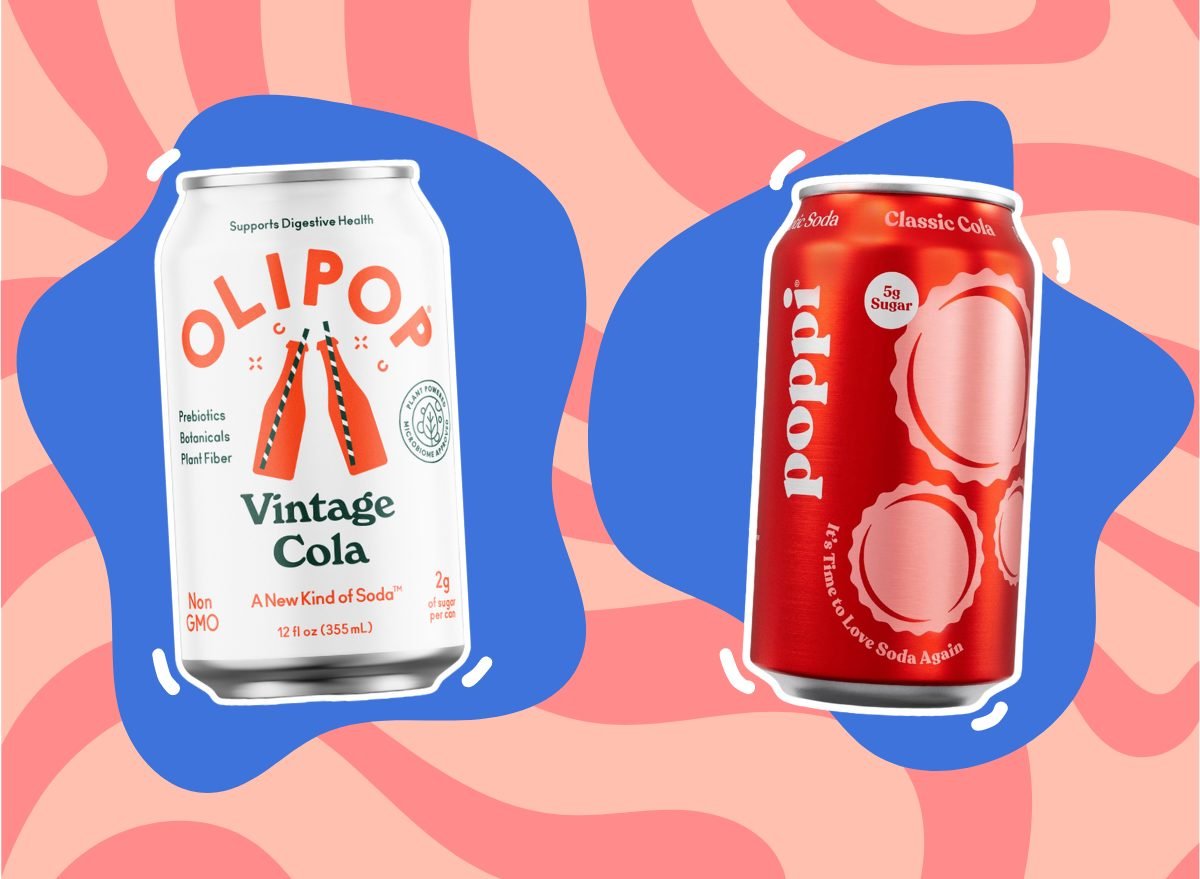
If you’re deciding between Olipop vs Poppi comparision the right choice depends on your health priorities. Olipop offers significantly more prebiotic fiber, making it the stronger option for people interested in digestive wellness and a functional beverage. Poppi focuses on lower calories and refreshing fruit flavors, making it an excellent healthy soda alternative for casual enjoyment. Both brands are healthier than traditional soda, but Olipop provides more nutritional value for those specifically looking to support gut health.
The soda aisle in the United States has changed dramatically over the past few years. Many shoppers now want drinks that taste good while offering something beyond sugar and carbonation. That demand has fueled the rise of prebiotic soda USA brands like Olipop and Poppi, both of which promise a healthier way to enjoy a fizzy beverage.
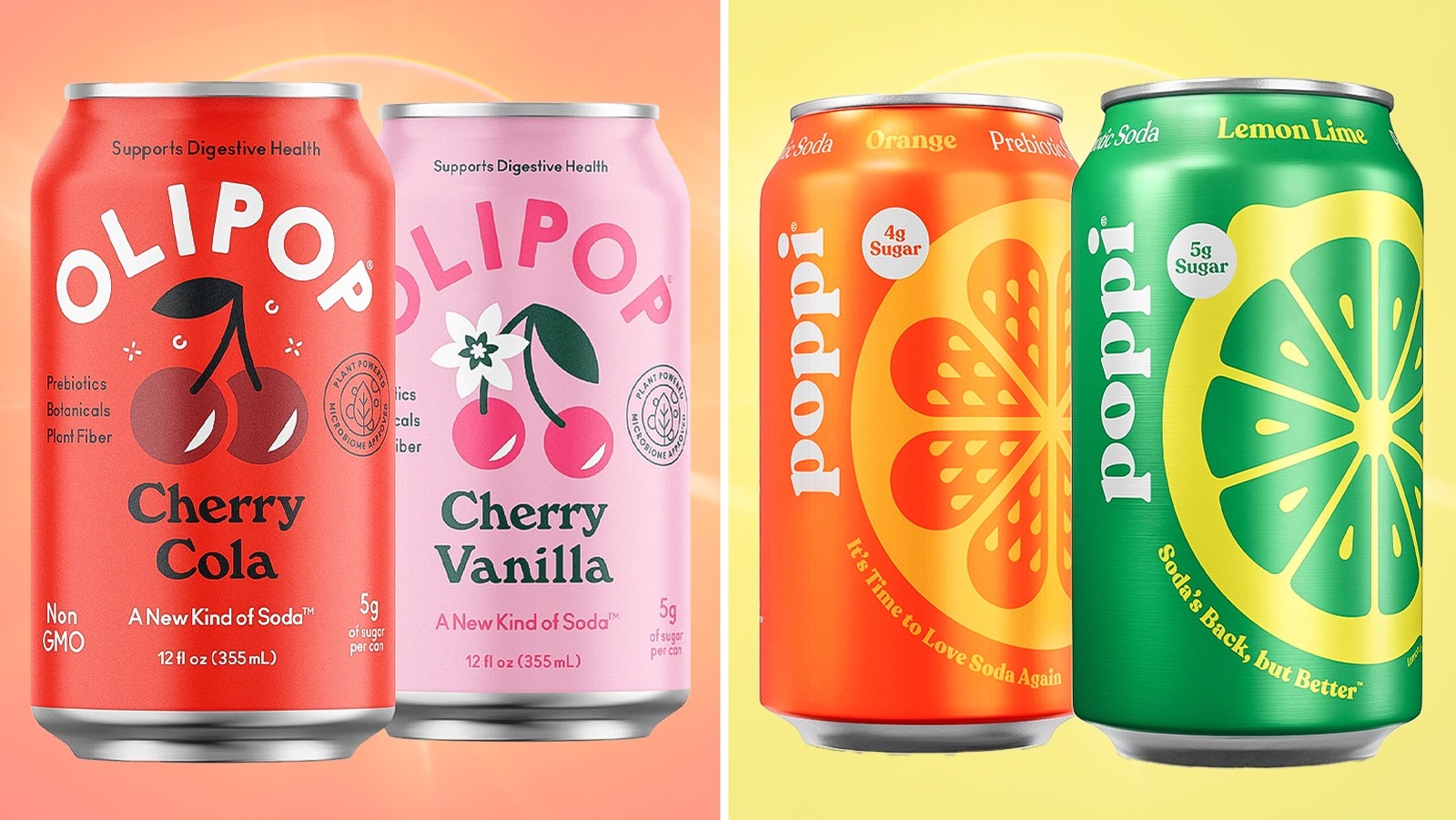
If you’re trying to decide which one deserves a place in your refrigerator, this guide is for you. Instead of repeating marketing claims, this article compares ingredients, nutrition, taste, fiber, and overall value. By the end, you’ll know which drink is the better healthy soda alternative for your personal health goals.
What Is a Prebiotic Soda?
Prebiotic soda is a carbonated drink made with ingredients that help feed beneficial bacteria in your gut. Unlike traditional soft drinks, these beverages contain dietary fiber and plant-based ingredients instead of large amounts of sugar. Their goal is to provide a refreshing taste while supporting digestive wellness.
How Prebiotic Sodas Differ from Regular Soda
Regular soda mainly contains carbonated water, sweeteners, flavorings, and very little nutritional value. Prebiotic sodas include functional ingredients such as chicory root fiber, cassava root fiber, or apple cider vinegar. These additions increase fiber intake while reducing added sugar, making them a smarter choice for many consumers.
Why Functional Sodas Are Growing in the USA
American consumers are becoming more aware of digestive health and balanced nutrition. Many people want beverages that fit healthier lifestyles without giving up the enjoyment of soda. This trend has made functional beverages one of the fastest-growing categories in grocery stores.
Do Prebiotics Really Support Gut Health?
Prebiotics are non-digestible fibers that nourish beneficial gut bacteria. Research suggests that eating enough prebiotic fiber may support digestive health as part of a balanced diet. However, no soda should replace fiber-rich foods like fruits, vegetables, legumes, and whole grains.
Olipop vs Poppi Comparison at a Glance
Before diving deeper, here’s a quick overview of both brands.
| Feature | Olipop | Poppi |
|---|---|---|
| Main Focus | High-fiber prebiotic soda | Low-calorie prebiotic soda |
| Calories | Around 35–50 | Around 20–30 |
| Sugar | 2–5g | About 5g |
| Fiber | 8–9g | Around 2g |
| Main Functional Ingredients | Prebiotic fiber blend, botanicals | Apple cider vinegar, prebiotics |
| Flavor Variety | Wide selection of classic sodas | Fruity and refreshing flavors |
| Best For | Higher fiber intake | Lower-calorie refreshment |
Both products are healthier than traditional soft drinks, but they serve different purposes. Olipop focuses on fiber and digestive support, while Poppi emphasizes a lighter, low-calorie drinking experience. Understanding these differences makes choosing the right product much easier.
Olipop vs Poppi Comparison: Ingredients Breakdown
Ingredients tell a much bigger story than calories alone. Looking closely at what goes into each drink helps explain why they perform differently in terms of nutrition and gut health.

Olipop Ingredient Profile
Olipop contains a blend of prebiotic fibers sourced from ingredients like cassava root, chicory root, Jerusalem artichoke, marshmallow root, and nopal cactus. These ingredients provide significant dietary fiber while maintaining a familiar soda flavor. Botanical extracts are also included to create unique taste profiles without relying on excessive sugar.
One major advantage of Olipop is its focus on fiber diversity. Different plant fibers may help nourish a broader range of beneficial gut bacteria than a single fiber source.
Poppi Ingredient Profile
Poppi takes a simpler approach by combining sparkling water, fruit juice, apple cider vinegar, natural flavors, and a smaller amount of prebiotic fiber. The drink contains fewer functional ingredients but offers a cleaner ingredient list that many consumers appreciate.
Apple cider vinegar has become a popular wellness ingredient, although current scientific evidence suggests its digestive benefits are modest. Poppi’s formula is designed more for refreshment than maximizing daily fiber intake.
Which Ingredients Are Better Supported by Science?
Both brands include ingredients commonly associated with digestive wellness, but their strengths differ. Prebiotic fibers such as inulin and chicory root have stronger scientific support for feeding beneficial gut bacteria. Apple cider vinegar may offer certain health benefits, but evidence remains less consistent compared with established dietary fibers.
For consumers specifically looking for a gut health drink comparison, Olipop offers a more comprehensive fiber-focused formula.
Nutrition Comparison
Nutrition labels often reveal which drink best fits different health goals. Looking beyond calories gives a clearer understanding of overall value.
Calories
Poppi generally contains fewer calories per can than Olipop. This makes it attractive for people focusing on calorie reduction while still enjoying flavored beverages. However, calories alone should not determine whether a drink is healthier.
Sugar
Both brands contain much less sugar than traditional soda. Instead of relying on high-fructose corn syrup, they use smaller amounts of natural sweeteners and alternative sweetening ingredients. This significantly reduces sugar intake without sacrificing flavor.
Fiber
Fiber is where Olipop clearly stands apart. A single can provides around eight to nine grams of dietary fiber, which represents a meaningful contribution toward daily fiber recommendations. Poppi contains considerably less fiber, making it a lighter beverage rather than a significant fiber source.
Sweeteners
Neither brand depends on large amounts of refined sugar. Instead, they combine natural sweeteners with carefully selected ingredients to maintain sweetness while keeping sugar levels relatively low. This approach supports consumers looking for a more balanced beverage choice.
Gut Health Drink Comparison
Digestive wellness has become one of the biggest reasons consumers purchase functional beverages. Understanding how these drinks support the gut helps separate marketing claims from practical benefits.
How Prebiotics Support Digestive Health
Prebiotics act as food for beneficial bacteria already living in the digestive system. When these bacteria ferment fiber, they produce compounds that help maintain a healthy gut environment. Consistently eating a fiber-rich diet remains far more important than relying on any single beverage.
Which Drink Offers More Prebiotic Fiber?
Olipop provides considerably more prebiotic fiber per serving than Poppi. This higher fiber content may make it a better option for people who struggle to meet daily fiber recommendations. However, individuals who are new to high-fiber products should increase their intake gradually to avoid digestive discomfort.
Can These Drinks Replace Fiber-Rich Foods?
The simple answer is no. While both beverages can complement a balanced eating pattern, whole foods remain the best source of vitamins, minerals, antioxidants, and natural fiber. Think of prebiotic soda as a healthier swap for traditional soda—not a replacement for nutritious meals.
Taste and Flavor Comparison
Taste is often the deciding factor when choosing a soda. Even the healthiest drink will not become part of your routine if you don’t enjoy its flavor. Both Olipop and Poppi offer a wide variety of options, but they appeal to different preferences.
Olipop Flavor Experience
Olipop recreates classic soda flavors such as Vintage Cola, Root Beer, Cream Soda, and Orange Squeeze. Its higher fiber content gives it a slightly richer mouthfeel than traditional soft drinks. If you enjoy nostalgic soda flavors with a healthier twist, Olipop is likely to meet your expectations.
Poppi Flavor Experience
Poppi focuses on bright, fruit-forward flavors like Strawberry Lemon, Raspberry Rose, Cherry Limeade, and Watermelon. It has a lighter texture and a crisp finish, making it refreshing on hot days or after workouts. People who prefer sparkling fruit drinks often enjoy Poppi more than classic soda-inspired flavors.
Which Brand Tastes Better?
Taste is subjective, but the choice usually comes down to personal preference. If you miss the flavor of traditional soda, Olipop fe
els more familiar. If you want something lighter and fruitier, Poppi is the better fit.
Healthy Soda Alternative Comparison
Replacing sugary soft drinks is one of the easiest ways to reduce daily sugar intake. Both brands offer a better option than regular soda, but they serve different health goals.
Best for Weight Management
Poppi’s lower calorie count makes it appealing for people who are managing calorie intake. It delivers a refreshing soda experience without adding many calories to your daily diet.
Best for Increasing Fiber Intake
Olipop stands out because of its significantly higher fiber content. Many adults struggle to consume enough fiber, so this beverage can help supplement a balanced diet.
Best for Everyday Drinking
Both drinks can fit into a healthy lifestyle when consumed in moderation. However, if you’re sensitive to fiber, starting with smaller amounts of Olipop may help your digestive system adjust comfortably.
Price and Value Comparison
Price matters, especially if you plan to drink these beverages regularly. While both brands are premium sodas, their value depends on what you’re looking for.
Cost Per Can
Olipop and Poppi are similarly priced in most U.S. grocery stores, although prices vary by retailer and promotions. Buying multipacks often reduces the cost per can.
Availability
Both brands are widely available at major grocery chains, health food stores, and online retailers. Their growing popularity has made them easier to find than ever before.
Which Offers Better Value?
If your priority is getting more functional ingredients and dietary fiber, Olipop provides greater nutritional value. If you’re mainly looking for a refreshing, low-calorie soda replacement, Poppi offers excellent value for everyday enjoyment.
Pros and Cons
Choosing between these brands becomes easier when their strengths and limitations are viewed side by side.
Olipop Pros
- High in prebiotic fiber
- Lower sugar than traditional soda
- Classic soda-inspired flavors
- Strong focus on digestive wellness
Olipop Cons
- Higher calorie content than Poppi
- Rich texture may not appeal to everyone
- High fiber may cause mild digestive discomfort for some people
Poppi Pros
- Lower calories
- Light and refreshing taste
- Fruit-forward flavor selection
- Easy transition from sparkling water
Poppi Cons
- Much lower fiber content
- Apple cider vinegar flavor may not suit everyone
- Offers fewer digestive-support ingredients than Olipop
Who Should Choose Olipop?
Olipop is a great choice for people who want more than just a soda replacement. Its fiber-rich formula makes it suitable for consumers looking to support digestive health while reducing sugar intake.
Best User Profile
Choose Olipop if you:
- Want higher daily fiber intake.
- Enjoy classic soda flavors.
- Prefer functional beverages with multiple prebiotic ingredients.
- Want a more filling drink between meals.
Who Should Choose Poppi?
Poppi is ideal for consumers who value simplicity, lightness, and refreshing flavors. It fits well into active lifestyles where hydration and low calories are priorities.
Best User Profile
Choose Poppi if you:
- Prefer fruity sparkling beverages.
- Want fewer calories.
- Are new to prebiotic sodas.
- Like a lighter drinking experience.
Expert Verdict
Both beverages are healthier than traditional sugary soft drinks, but they excel in different areas. Your decision should depend on your nutrition goals rather than marketing claims.
Which Is Healthier?
From a nutritional perspective, Olipop vs Poppi comparison favors Olipop for people prioritizing dietary fiber and gut health support. Its diverse prebiotic ingredients and higher fiber content provide greater functional value.
Which Should You Buy?
Choose Olipop if digestive wellness and fiber intake are your priorities. Choose Poppi if you want a lighter, lower-calorie soda that still feels refreshing. Neither drink replaces a balanced diet, but both are better alternatives to conventional soft drinks.
Key Takeaways
| Goal | Best Choice |
|---|---|
| Higher Fiber | Olipop |
| Lower Calories | Poppi |
| Classic Soda Taste | Olipop |
| Fruity Flavors | Poppi |
| Gut Health Support | Olipop |
| Everyday Refreshment | Poppi |
| Overall Winner | Olipop |
Conclusion
Choosing between Olipop and Poppi isn’t about finding one perfect drink it’s about finding the one that matches your lifestyle. Olipop stands out with its higher fiber content, diverse prebiotic ingredients, and classic soda-inspired flavors, while Poppi appeals to those seeking a lighter, low-calorie refreshment. Both are smarter choices than traditional sugary sodas, but if gut health and nutritional value are your top priorities, Olipop has a slight edge. At Samppy, we believe the healthiest beverage is the one that supports your goals while fitting naturally into a balanced diet and everyday routine.
Frequently Asked Questions
1. Is Olipop healthier than Poppi?
Olipop generally contains more dietary fiber and a broader blend of prebiotic ingredients, making it the stronger option for gut health support.
2. Does Poppi contain probiotics?
No. Poppi contains prebiotics, not probiotics. Prebiotics help feed beneficial bacteria already present in your digestive system.
3. Can I drink prebiotic soda every day?
Most healthy adults can enjoy prebiotic soda in moderation. If you’re increasing fiber intake, start slowly and drink plenty of water.
4. Which prebiotic soda has less sugar?
Both brands contain much less sugar than regular soda, although exact amounts vary by flavor.
5. Is prebiotic soda a replacement for fruits and vegetables?
No. Prebiotic sodas can complement a balanced diet, but they should never replace whole foods that naturally provide fiber, vitamins, and minerals.