
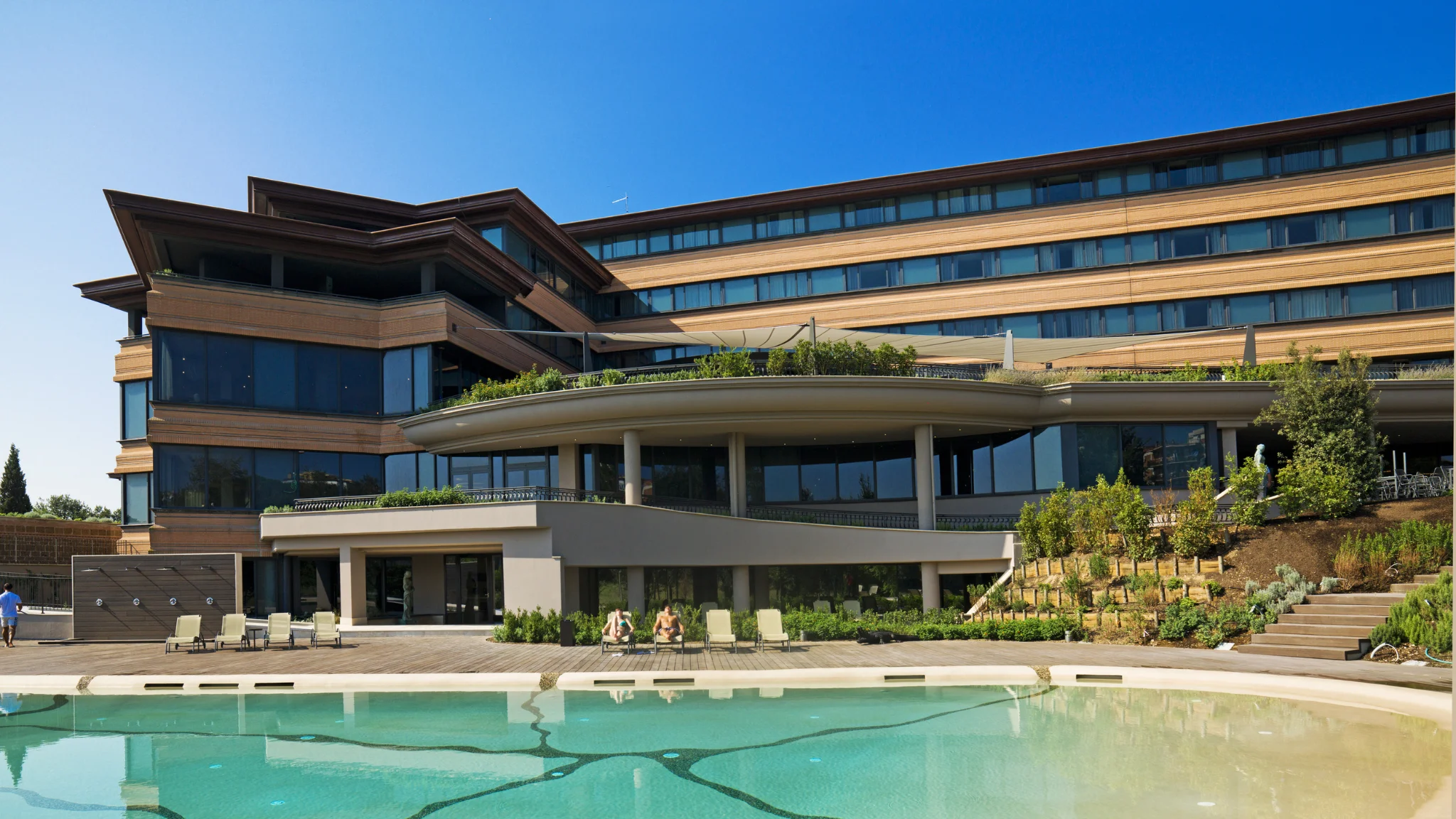
The global hospitality sector is undergoing a profound paradigm shift. Modern travelers are no longer just looking for a room and a bed; they are seeking immersive environments that reflect their personal values, digital lifestyles, and wellness goals. Lifestyle hotel news highlights these rapid changes, acting as a crucial map for both experiential travelers and real estate investors navigating the booming boutique lodging sector.
By blending localized architecture, curated wellness programs, and hyper-personalized guest services, lifestyle hotels have evolved from a niche market segment into a dominant force driving hospitality innovation. This comprehensive market report breaks down the key openings, investment trends, technological developments, and regional trajectories reshaping the hospitality ecosystem.
New Openings and Brand Expansions
Historically, boutique and lifestyle lodging was confined to tier-1 global hubs like New York, London, and Tokyo. However, a major trend in lifestyle hotel news is the aggressive decentralization of these properties into secondary and tertiary markets. As remote work patterns stabilize and regional tourism spikes, major global operators are moving quickly to fill the boutique deficit in smaller cities.
Hilton and Marriott Expand Into Smaller Cities
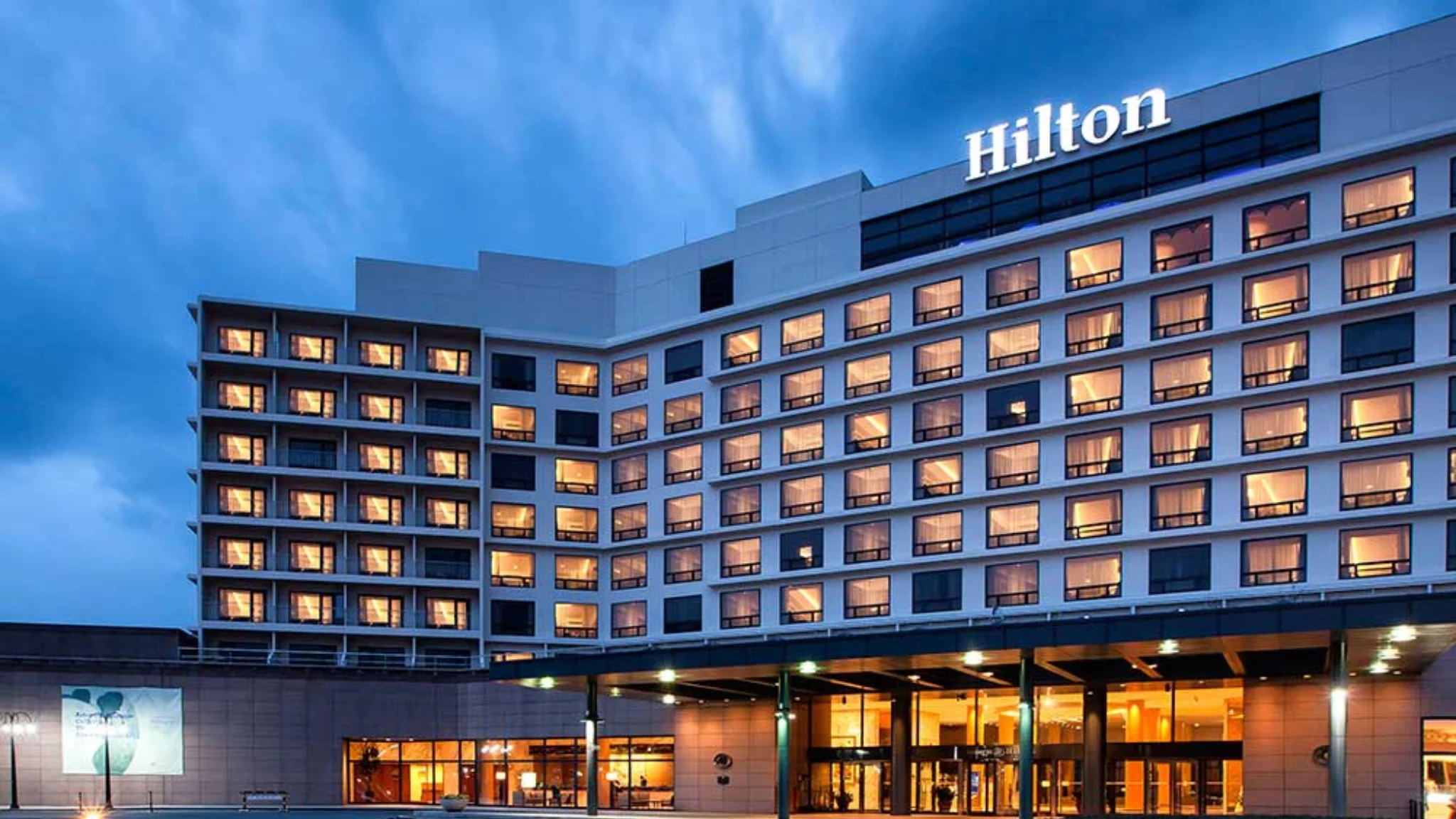
Hospitality giants Hilton and Marriott are rewriting their development playbooks by taking their lifestyle banners into high-growth, secondary urban centers. This mirrors a broader shift toward hidden gem travel destinations in the USA, where travelers increasingly bypass tier-1 cities in favor of authentic, lesser-known locations. This strategy allows them to capture a highly lucrative mix of upscale business travelers, local staycationers, and experiential tourists who expect premium amenities without the tier-1 price tag.
The physical execution of these properties centers heavily on cultural integration and holistic wellness. Instead of cookie-cutter floor plans, these hotels are designed to function as an extension of the surrounding neighborhood.
-
Recent Openings to Watch:
-
Hilton Garden Inn Pune & Hilton Jaipur (India): These properties feature architecture that respects local heritage while incorporating state-of-the-art wellness centers and locally sourced, farm-to-table dining concepts.
-
AC Hotels by Marriott (Kolkata & Hyderabad, India): Tailored specifically for the modern creative professional, these hotels combine clean, European-inspired minimalist design with curated exhibitions of regional art and interactive public co-working spaces.
-
TUI Launches First Lifestyle Hotel in Japan
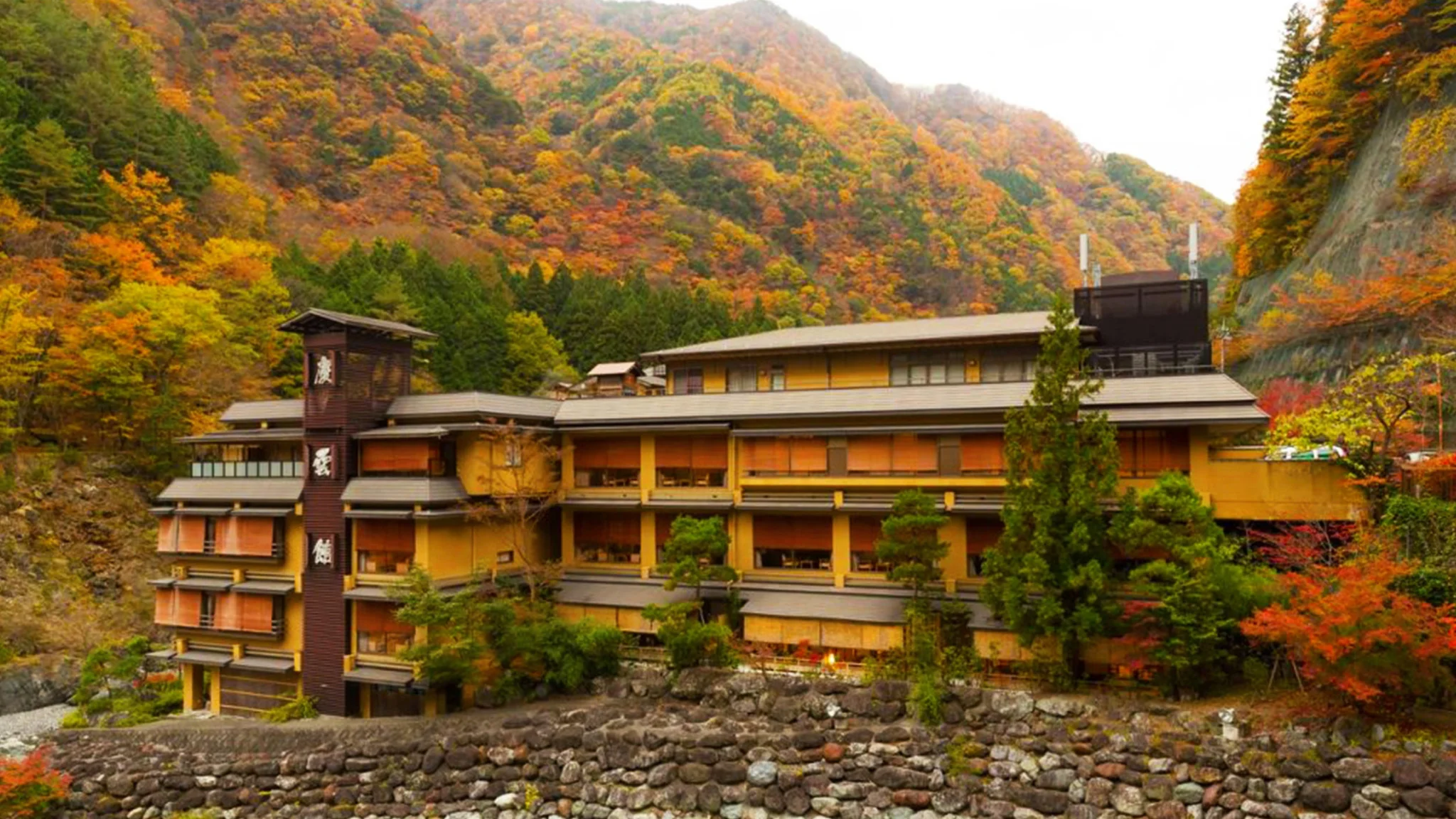
Expanding the geographical footprint of lifestyle hospitality, travel operator TUI has officially launched its first lifestyle-centric property in Japan: the TUI Suneo Otaru, located in Hokkaido. If international boutique stays interest you, our international travel tips guide covers practical advice for navigating destinations like this smoothly. This opening marks a pivotal moment for the Asia-Pacific boutique market, establishing a fresh benchmark for eco-friendly, experiential lodging.
TUI Suneo Otaru is consciously built to appeal to millennial and Gen Z travelers who demand both sustainability and digital convenience. The property features fully immersive local cultural tours, zero-waste dining options, and community-driven social spaces. By deeply integrating localized art and native culinary experiences into the everyday guest journey, the property demonstrates how cross-border brands can successfully adapt to distinct regional identities.
Industry Trends and Innovations
The modern guest checks into a lifestyle hotel expecting an ecosystem that active supports their daily routine. To meet these demands, hoteliers are radically modifying hotel architecture and interior amenities.
Rise of Lifestyle Hospitality and Fitness Amenities
According to recent lifestyle hotel news, health and fitness are no longer optional add-ons hidden away in dark hotel basements. This wellness-first mindset extends beyond hotel stays too — many of our readers pair boutique travel with the same healthy lifestyle habits they maintain at home. Today’s lifestyle hotels treat well-being as a core design element. Travelers look for seamless integrations of mental relaxation, physical fitness, and nutritional care throughout their stays.
This shift has created highly sophisticated guest programs:
-
Scandic Hotels (Europe): This brand has rolled out a highly successful on-demand fitness concept, featuring in-room workout modules, smart mirrors with live coaching, and private yoga spaces tailored for immediate post-flight recovery.
-
Hyatt Centric (North America): By partnering with premium fitness brands and clean-eating nutritional concepts, Hyatt Centric locations now offer hyper-localized workout classes alongside specialized menus packed with organic, functional ingredients designed to boost energy and cognitive focus.
Hotels Reinvent Windowless Rooms
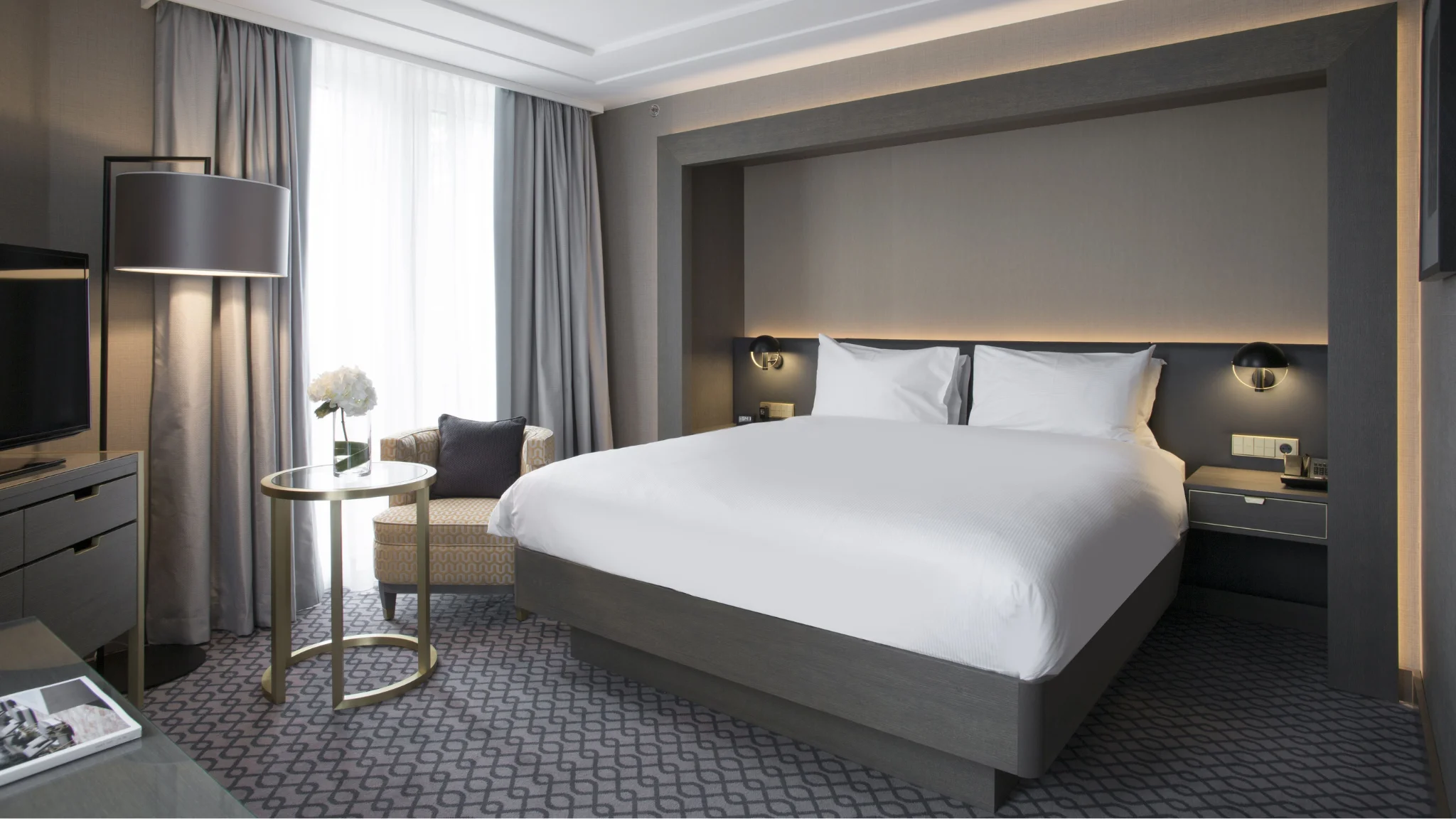
Hotels are redesigning windowless rooms for comfort. Artificial lighting and colors mimic natural daylight. As a result, vibrant interiors make spaces feel open and relaxing.
These designs help hotels maximize small spaces effectively, creating visually appealing rooms. Moreover, this trend improves overall guest perception of boutique hotels.
Examples include citizenM Amsterdam and Zoku Hotel. Guests enjoy tech-enabled compact luxury. Windowless rooms now combine style with comfort successfully.
Innovative designs attract guests who value aesthetics and function, boosting positive reviews. Similarly, hotels can now offer compact rooms without compromising quality.
Acquisitions and Investments in Lifestyle hotel news
The strong consumer demand for lifestyle hospitality has triggered substantial capital investments and consolidation from institutional investors and multi-national hotel groups.
Marriott Acquires citizenM for $355 Million
In a definitive move to scale its urban boutique footprint, Marriott completed the acquisition of citizenM for $355 million. Known for its affordable luxury framework and highly optimized, tech-forward micro-rooms, citizenM has built a deeply loyal following among corporate travelers, digital nomads, and urban explorers.
This acquisition gives Marriott an established turnkey solution to capture the rapidly growing market of cross-border remote workers. Furthermore, it highlights a widespread consensus among institutional investors: lifestyle assets are highly resilient, high-growth properties capable of delivering superior revenue per available room (RevPAR) compared to traditional mid-scale hotels.
Hilton Hits 1,000th Lifestyle Hotel Milestone
Hilton recently celebrated a monumental industry milestone with the opening of its 1,000th lifestyle hotel globally. This massive footprint is distributed across its highly successful curated sub-brands, including Canopy by Hilton, Curio Collection, and Tapestry Collection.
Each banner targets distinct buyer personas, yet all share a foundational commitment to unique local designs, highly attentive personal services, and bespoke neighborhood curation. This milestone cements Hilton’s market authority and clearly demonstrates that the global demand for authentic, localized guest experiences has achieved massive commercial scale.
Lifestyle hotel news Trends by Region
-
Asia Pacific: Wellness and boutique-focused hotels grow rapidly. Demand continues to rise steadily, attracting regional investors. In addition, local governments also support tourism development.
-
Europe: Sustainability and local culture dominate openings. Travelers prefer eco-conscious options, supporting green tourism. Moreover, boutique hotels emphasize local experiences.
-
North America: Tech and wellness drive guest satisfaction. Boutique hotels innovate regularly, providing unique experiences. Similarly, guest loyalty programs are expanding.
-
Middle East: Luxury boutique hotels attract leisure travelers. Designs highlight culture and luxury, emphasizing exclusivity. Additionally, hotels increasingly integrate wellness and tech amenities.
Regional lifestyle hotel news reflects traveler demand for wellness stays. Guests seek personal touches and unique offerings. The market shows continuous growth in boutique accommodations, inspiring global expansion strategies. Consequently, investors and hospitality analysts monitor these trends carefully.
| Region | Primary Growth Drivers | Key Design & Service Innovations | Market Outlook |
| Asia-Pacific | Rising middle-class wealth & domestic wellness tourism | Native cultural integration, eco-tours, holistic spas | Rapid expansion in secondary and tertiary tech hubs |
| Europe | Strict green building regulations & eco-conscious travelers | Net-zero emissions, hyper-local historic preservation | Steady demand for authentic boutique heritage properties |
| North America | Premium tech integration & digital nomad lifestyle needs | Circadian lighting, automated app ecosystems, flexible workspaces | High capital investment in high-density urban nodes |
| Middle East | High-net-worth leisure travel & premium real estate diversification | Ultra-luxury boutique designs, high-end exclusive wellness | Strong shift toward exclusive, non-standard resort formats |
Why Lifestyle Hotels Matter for Travelers and Investors
-
Travelers seek personal experiences and wellness amenities. Short stays must feel memorable, enhancing loyalty. For travelers planning their next stay around these boutique concepts, choosing the right luxury travel destination matters just as much as the hotel brand itself.
-
Investors benefit from lifestyle hotel growth globally. Profits come from boutique niche markets and high-demand locations. Additionally, lifestyle hotels provide strong ROI potential.
-
Boutique designs, local culture, and wellness drive demand. Hotels integrating culture attract long-term loyalty, encouraging repeat visits. Similarly, these elements create memorable guest experiences.
-
Lifestyle hotel news shows long-term market potential. Trends indicate future expansion opportunities, highlighting growth segments. Consequently, hotels adopting new trends gain competitive advantage.
Lifestyle hotel news indicates growth in boutique and wellness-focused accommodations. Travelers prefer hotels that combine culture, luxury, and comfort. Market expansion is strongest in Asia Pacific and Europe. Moreover, demand for personalized experiences continues to rise steadily, shaping hospitality trends further.
Conclusion
The global lifestyle hotel ecosystem is moving through a period of historic transformation. As detailed throughout this comprehensive market breakdown, the ongoing waves of regional expansions, smart architectural re-engineering, and high-value capital investments show a bright future for the sector.
Whether you are an ambitious investor tracking high-growth commercial real estate or an experiential traveler mapping out your next deeply authentic getaway, keeping up with lifestyle hotel news is essential for making smart, strategic decisions. At Samppy, we remain committed to tracking these shifts closely, ensuring our community stays informed at the intersection of modern travel, smart real estate development, and authentic hospitality innovation.
FAQs
1. What exactly defines a lifestyle hotel compared to a traditional hotel?
A lifestyle hotel combines the personalized service, unique design, and local character of a boutique property with the reliable operational support and loyalty benefits of an established global hospitality brand. Unlike traditional hotels, they focus on wellness, localized community spaces, and cultural immersion.
2. How are lifestyle hotels integrating sustainable practices in 2026?
Modern properties focus on net-zero carbon operations, plastic-free guest journeys, smart energy management grids, and locally sourced building materials. Brands like TUI Suneo are leading this shift by matching eco-friendly building designs with zero-waste dining options.
3. Why are major hotel chains expanding into secondary and tertiary cities?
Operators are moving to secondary cities to capture growing regional travel markets, benefit from lower real estate acquisition costs, and serve a rising demographic of remote professionals and travelers who demand premium, tech-forward boutique experiences outside of major capital cities.
4. How do windowless rooms in lifestyle hotels simulate natural daylight?
Lifestyle hoteliers deploy advanced circadian lighting systems featuring programmable LED panels. These installations gradually adjust color temperatures and light intensity throughout the day to mirror natural sunlight cycles, significantly improving guest comfort and sleep quality.
5. Why do institutional real estate investors prefer lifestyle hotels over standard formats?
Lifestyle hotels deliver optimized revenue per square foot via compact room designs and generate healthy secondary revenue streams through public co-working spaces, wellness programs, and popular local dining venues, yielding a higher overall ROI.