
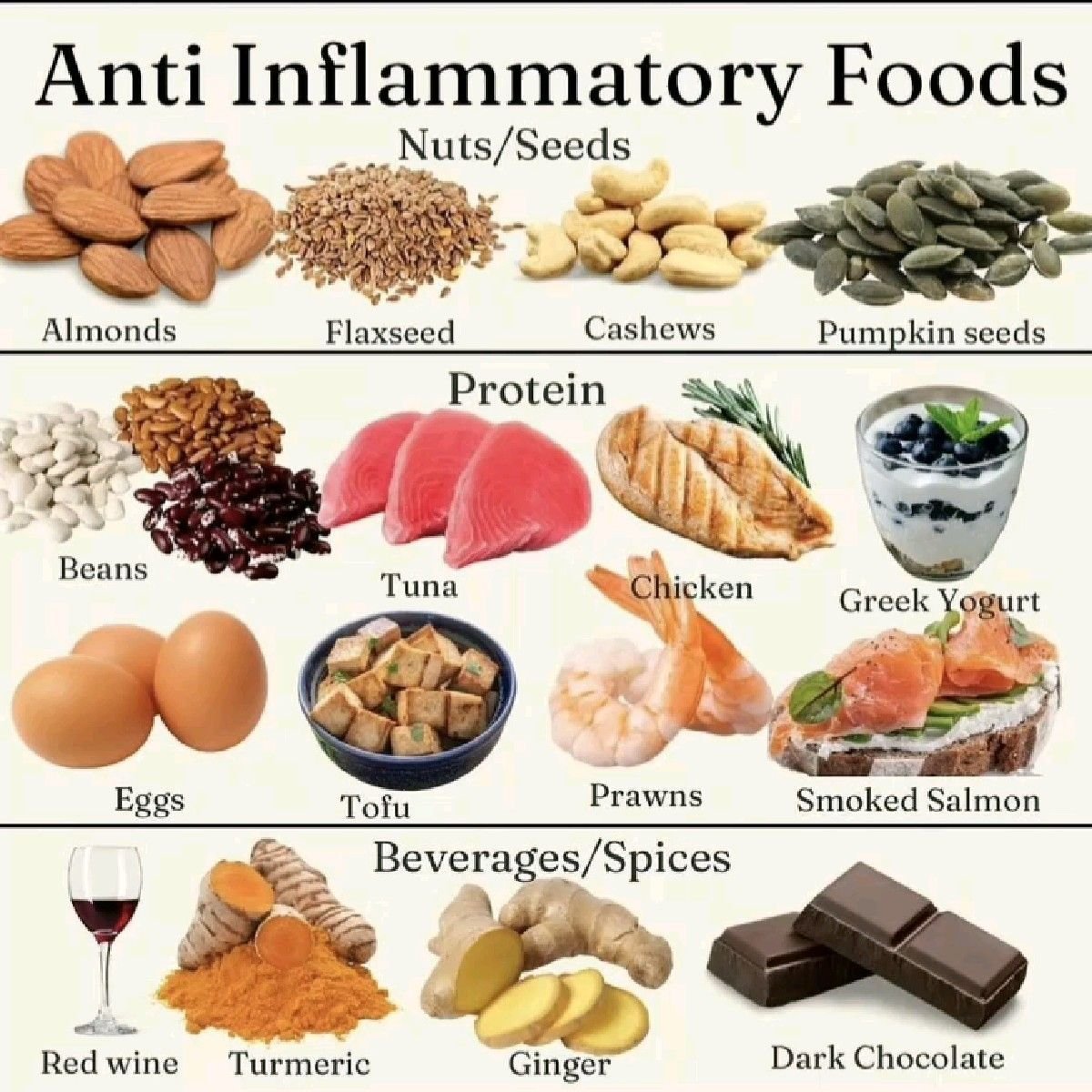
The best anti-inflammatory foods include salmon, berries, greens, olive oil, walnuts, turmeric, and chia seeds. These foods help lower chronic inflammation, support digestion, and improve heart health. A smart weekly eating plan can reduce pain, improve energy, and protect long-term wellness. Focus on consistency, whole foods, and simple meals.
Inflammation is your body’s natural way of protecting itself. But when it stays for too long, it can quietly damage your health. Many people in the United States deal with chronic inflammation because of poor food choices, stress, and inactive lifestyles. Choosing the right anti inflammatory foods USA shoppers can easily find may help lower that risk and support better long-term wellness.

The good news is that food can be powerful medicine. A smart diet can reduce swelling, improve digestion, support heart health, and even ease joint pain. This guide covers practical foods, simple meal ideas, and expert-backed advice to help you build better eating habits every week.
What Is Inflammation and Why Does It Matter?
Inflammation is how the body reacts to injury, infection, or harmful toxins. It helps the immune system heal and protect you. But when inflammation becomes chronic, it starts causing harm instead of healing. This hidden issue often affects energy, weight, and overall health.
Many everyday foods can trigger inflammation without you realizing it. Highly processed meals, sugary drinks, and fried snacks are common causes. Over time, this may increase the risk of serious health problems. Your weekly food choices matter more than most people think.
Acute vs Chronic Inflammation
Acute inflammation happens for a short time and usually heals quickly. For example, if you cut your finger, your body sends immune cells to repair it. That is a healthy response. It is short, focused, and necessary.
Chronic inflammation is very different. It can stay in your body for months or years. This often happens because of poor diet, obesity, stress, or lack of sleep. Chronic inflammation is linked to heart disease, diabetes, and arthritis.
Signs Your Diet May Be Increasing Inflammation
Some warning signs are easy to miss. Feeling tired all day can be one clue. Joint stiffness, bloating, headaches, and skin breakouts can also point to inflammation. These signs often build slowly over time.
Your food habits play a huge role here. Eating too much sugar and refined carbs can trigger internal stress. Making better choices can help calm your body naturally. That is where anti-inflammatory foods become important.
Best Anti Inflammatory Foods USA Shoppers Can Easily Buy
The best part about these foods is accessibility. Most are easy to find in American grocery stores. They fit into regular meals without much effort. Adding them weekly can support a strong reduce inflammation diet.

These foods work because they contain antioxidants, fiber, healthy fats, and vitamins. Together, they help fight oxidative stress. They also support gut health and immune balance. That combination makes them powerful.
| Food | Main Benefit | Best Frequency |
|---|---|---|
| Salmon | Rich in omega-3 fats | 2–3 times weekly |
| Blueberries | High antioxidants | Daily |
| Spinach | Vitamin-rich greens | 4–5 times weekly |
| Olive oil | Healthy fat support | Daily |
| Walnuts | Omega-3 and fiber | 3–4 times weekly |
Fatty Fish (Omega 3 Foods)
Fatty fish like salmon, sardines, and mackerel are top omega 3 foods. They are loaded with EPA and DHA, which reduce inflammation markers. Studies often connect fish intake with lower heart disease risk. Two servings a week can make a real difference.
These healthy fats also support brain function. They may improve mood and memory. If fresh fish is expensive, canned options work too. Consistency matters most.
Blueberries and Berries
Berries are packed with antioxidants called anthocyanins. These compounds help lower inflammation naturally. Blueberries, strawberries, and raspberries are all strong choices. They also support healthy skin and digestion.
They are easy to add into breakfast. Mix them into yogurt or oatmeal. You can also freeze them for smoothies. Small daily servings go a long way.
Leafy Greens
Spinach, kale, and arugula are nutrient-dense foods. They contain vitamin C, vitamin K, and plant compounds that protect cells. These greens help fight oxidative damage. They also improve gut and heart health.
Try adding them to salads, soups, or wraps. They are low in calories but high in benefits. Fresh or frozen both work well. Weekly intake builds long-term results. If you want an easy way to add more greens to your plate, this kale salad recipe combines leafy greens, olive oil, and antioxidant-rich toppings in one simple dish.
Extra Virgin Olive Oil
Olive oil is one of the most trusted anti-inflammatory foods. It contains oleocanthal, a compound known for reducing inflammation. It works in a way similar to mild pain relievers. That makes it useful for joint support.
Use it for cooking or salad dressing. It is a simple swap from processed oils. Choose extra virgin for the highest quality. Quality matters here.
Avocados
Avocados offer healthy fats, fiber, and potassium. They help support heart health and reduce inflammation. Their nutrients also improve skin and digestion. Many people enjoy them because they are easy to use.
Spread them on toast or add them to salads. They make meals more filling. Their creamy texture is satisfying. One avocado a few times weekly is enough.
Turmeric
Turmeric contains curcumin, a natural anti-inflammatory compound. It has been studied for joint pain and brain health. Many people use it in warm drinks or curries. It works best when paired with black pepper.
Even small amounts can help over time. You do not need a lot. Use it consistently in cooking. Natural healing often takes patience. For a nutrient-dense way to use turmeric, try a turmeric-spiced stir-fry with cumin and ginger, a combination known for its anti-inflammatory twist.
Ginger
Ginger helps calm inflammation and supports digestion. It has been used for centuries in natural medicine. It may also reduce nausea and muscle soreness. Fresh ginger works best.
Add it to tea, stir-fries, or smoothies. Its strong flavor adds warmth to meals. A little goes a long way. It is easy to keep at home.
Walnuts
Walnuts are among the best foods that fight inflammation. They contain healthy fats, fiber, and antioxidants. Regular intake supports brain and heart health. They are one of the easiest anti-inflammatory snacks.
Keep a small handful for daily use. Add them to yogurt or salads. Avoid sweetened versions. Raw walnuts are usually best.
Chia Seeds
Chia seeds are tiny but powerful. They are rich in fiber, protein, and omega-3 fats. They help improve digestion and reduce inflammation. They also keep you full longer.
Mix them into smoothies or overnight oats. They absorb liquid and become soft. That makes them easy to eat. They are affordable and effective.
Broccoli
Broccoli contains sulforaphane, a compound linked to lower inflammation. It also supports liver detox and gut health. This vegetable is highly nutritious. It works well in many meals.
Steam it lightly to keep nutrients strong. Avoid overcooking it. Pair it with olive oil for extra benefit. Simple cooking is enough.
Tomatoes
Tomatoes are rich in lycopene. This antioxidant may reduce inflammation and protect the heart. Cooked tomatoes often have even more lycopene. That makes sauces and soups useful.
Choose fresh when possible. Add them to salads or sandwiches. They are simple and versatile. They fit any anti inflammatory meal plan.
Anti Inflammatory Meal Plan for a Week
A good anti inflammatory meal plan does not need to be complicated. The goal is balance, not perfection. Focus on whole foods, healthy fats, and colorful vegetables. Keep meals simple and repeatable.
Planning meals ahead saves time and reduces unhealthy choices. It also helps you stay consistent. Weekly structure makes healthy eating easier. Small habits build strong results.
Breakfast Ideas
Start your day with foods that fuel your body. Oatmeal with berries and chia seeds is a great option. Greek yogurt with walnuts also works well. These meals support energy and digestion.
Avoid sugary cereals and pastries. They can spike blood sugar fast. Balanced breakfasts improve focus and mood. Mornings shape the rest of your day.
Lunch Ideas
A salmon salad with spinach, avocado, and olive oil is excellent. It combines protein, fiber, and healthy fats. This keeps you full and supports recovery. Lunch should feel satisfying, not heavy.
Soup with beans and vegetables is another strong choice. It is affordable and filling. Meal prep can make lunch easier. Simplicity helps consistency.
Dinner Ideas
Dinner can stay light but nourishing. Grilled chicken with broccoli and quinoa works well. A turkey and vegetable stir-fry is another option. Focus on lean protein and whole foods.
Avoid heavy fried meals at night. They can slow digestion and increase inflammation. Better dinners improve sleep quality. Recovery starts while you sleep.
Healthy Snacks
Smart snacks can support your reduce inflammation diet. Good choices include almonds, walnuts, fruit, or dark chocolate. These keep hunger under control. They also provide nutrients.
Avoid chips and candy when possible. Processed snacks add sugar and unhealthy fats. Better snacks improve energy between meals. Small swaps matter.
Foods That Increase Inflammation and Should Be Limited
Just as some foods heal, others can make inflammation worse. Many common American foods fall into this category. Reducing them can improve results quickly. Balance is key.
You do not have to avoid them forever. But limiting them helps your body recover. Think of it as reducing stress from the inside. Your body responds fast.
Processed Sugar
Sugar is one of the biggest triggers. It increases blood sugar spikes and stress in the body. This can lead to weight gain and fatigue. Too much sugar also affects gut health.
Fried Foods
Fried foods contain unhealthy fats and oxidation compounds. These may increase inflammation and damage cells. Fast food often falls here. Limiting it helps.
Refined Carbs
White bread, pastries, and sugary cereals break down quickly. They spike blood sugar and offer little nutrition. Whole grains are a better option. They digest slower.
Processed Meat
Hot dogs, bacon, and sausages often contain preservatives. These can increase inflammation over time. Fresh protein sources are healthier. Choose quality over convenience.
How to Start a Reduce Inflammation Diet
Starting can feel overwhelming, but it does not have to be. Begin with one or two changes. Replace processed foods with whole foods. Keep it realistic.
Building better habits takes time. Focus on progress, not perfection. A few strong habits beat short-term diets. Consistency always wins.
Grocery Shopping Tips
Shop the outer aisles first. That is where fresh foods usually are. Buy vegetables, fruits, fish, nuts, and yogurt. Read labels carefully.
Meal Prep Strategies
Cook proteins in bulk. Chop vegetables ahead of time. Store healthy snacks in easy-to-grab containers. This reduces unhealthy decisions.
Weekly Eating Habits
Try to eat more home-cooked meals. Drink more water and reduce sugary drinks. Sleep better and stay active too. Lifestyle matters with diet.
Benefits of Eating Anti Inflammatory Foods Every Week
Eating better every week creates long-term change. Your body responds faster than you think. Energy improves, digestion gets stronger, and pain may reduce. The benefits are real.
Food is one of the strongest daily tools you have. It shapes your future health. Better choices now create better results later. That is powerful.
Better Heart Health
Omega-3 fats and fiber help protect your heart. They improve cholesterol and blood pressure. This lowers long-term disease risk.
Reduced Joint Pain
Foods like turmeric and salmon may ease stiffness. This helps people with arthritis or muscle soreness. Less inflammation means less pain.
Improved Digestion
Fiber-rich foods support healthy gut bacteria. A balanced gut reduces internal stress. Digestion often improves quickly.
Better Energy Levels
Stable blood sugar means better energy. Whole foods prevent crashes. That keeps you productive longer.
Weight Management
Anti-inflammatory foods are often filling and nutrient-rich. This supports healthy weight control. Better weight lowers inflammation too. Understanding how long it takes to lose weight safely can help you set realistic expectations while your anti-inflammatory eating habits take effect.
Key Takeaways
- Chronic inflammation can harm your health over time
- Whole foods help reduce inflammation naturally
- Omega-3 foods are especially powerful
- Processed foods often make inflammation worse
- Meal planning makes healthy eating easier
- Weekly consistency matters more than perfection
Conclusion
Building healthier habits does not have to be hard. Small food changes can create big health improvements over time. The right anti-inflammatory choices can improve energy, reduce pain, and support better living. At samppy, we believe smart eating starts with simple weekly decisions, and choosing the right foods is one of the best places to begin.
FAQs
What are the best anti-inflammatory foods in the USA?
Salmon, blueberries, spinach, walnuts, olive oil, and turmeric are some of the best options. They are easy to find and highly effective.
How fast can diet reduce inflammation?
Some people notice changes within a few weeks. Long-term improvement usually takes consistent healthy eating.
Are eggs inflammatory?
Eggs are generally not inflammatory for most people. In fact, they provide protein and important nutrients.
Is coffee anti-inflammatory?
Coffee contains antioxidants and may help reduce inflammation. Moderate intake is usually beneficial.
What foods should I avoid for inflammation?
Limit processed sugar, fried foods, refined carbs, and processed meats. These can increase inflammation levels.