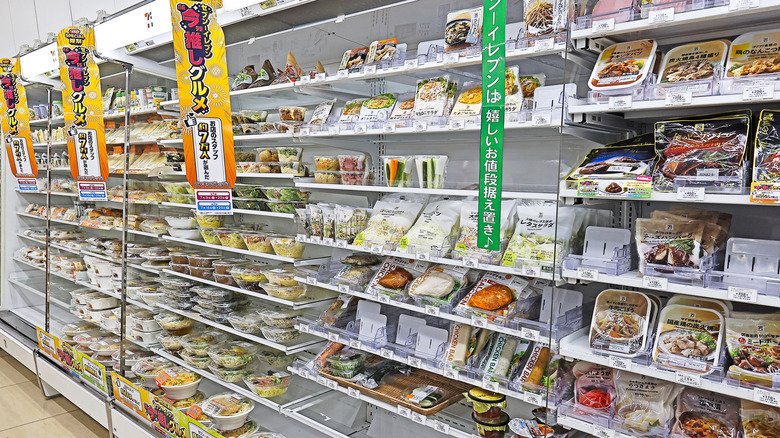
Japanese convenience stores have become a global food phenomenon because they combine affordability, freshness, quality, and convenience in ways many travelers never expect. Viral social media videos have introduced millions of Americans to konbini culture, while products like onigiri, egg sandwiches, bento boxes, and premium desserts continue building international popularity. Although similar foods are becoming easier to find in the United States, Japan’s attention to detail, customer service, and daily freshness still set the global standard.
Japanese convenience stores, known as konbini, have become a global food sensation. Travelers return home talking about fresh rice balls, restaurant-quality sandwiches, and affordable bento meals that seem impossible to find elsewhere. Social media has only fueled the excitement, making millions of Americans curious about what makes these stores so special. If you’ve wondered why people rave about Japanese convenience stores, you’re about to discover the answer.
Why Japanese Convenience Store Food USA Searches Are Growing Fast
Interest in japanese convenience store food usa has exploded because more Americans are traveling to Japan and sharing their experiences online. TikTok creators, YouTubers, and travel bloggers regularly showcase affordable meals that look surprisingly gourmet. These videos often receive millions of views, encouraging viewers to add Japanese convenience stores to their travel bucket lists. Many people now consider visiting a konbini just as important as seeing famous tourist attractions.
How TikTok Started the Obsession
TikTok changed how people discover food around the world. Short videos featuring perfectly wrapped rice balls, fluffy sandwiches, and colorful desserts quickly captured attention. Viewers were amazed that convenience store meals could look fresher than restaurant dishes. The platform transformed ordinary shopping trips into viral food experiences.
Why Travelers Keep Recommending Konbini
Many tourists arrive expecting basic snacks but leave impressed by the variety. Every visit offers freshly prepared meals, seasonal products, and local specialties at reasonable prices. Travelers appreciate the convenience because stores remain open long hours and maintain consistent quality. Their recommendations continue inspiring first-time visitors to experience konbini culture themselves.
Best Japanese 7-Eleven Food Everyone Should Try
Among Japan’s major convenience store chains, 7-Eleven often receives the most international attention. Its menu combines traditional Japanese flavors with modern convenience, creating meals suitable for breakfast, lunch, dinner, or late-night cravings. Seasonal products also encourage customers to return frequently because new items appear throughout the year.
Onigiri
Onigiri remains the most recognizable convenience store food in Japan. These rice balls contain delicious fillings such as grilled salmon, tuna mayonnaise, spicy cod roe, or pickled plum. Special packaging keeps the seaweed crispy until opening, creating an enjoyable texture every time. Many travelers wish similar products were widely available after returning home.
Tamago Sando (Japanese Egg Sandwich)
The famous Japanese egg sandwich continues attracting food lovers worldwide. Soft milk bread surrounds creamy egg filling with a rich yet delicate flavor. The simple ingredients demonstrate how careful preparation creates exceptional taste. Many visitors rank this sandwich among Japan’s best affordable meals.
Bento Boxes
Bento boxes offer complete meals inside compact packaging. Customers can enjoy grilled fish, fried chicken, rice, vegetables, and pickles without visiting a restaurant. Portions remain satisfying while providing excellent variety for busy schedules. Fresh ingredients make these meals surprisingly nutritious and filling.
Instant Ramen and Noodle Meals
Japanese convenience stores elevate instant noodles far beyond ordinary expectations. Premium ramen, udon, and soba options feature rich broths and quality toppings. Some stores even provide hot water stations for immediate preparation. This makes quick meals both convenient and comforting.
Desserts Everyone Talks About
Desserts have become another reason tourists visit Japanese 7-Eleven repeatedly. Cream-filled pastries, puddings, cheesecakes, and matcha sweets regularly receive praise from food reviewers. Seasonal desserts featuring strawberries, chestnuts, or sakura flavors create excitement throughout the year. Even simple pudding often surprises visitors with its smooth texture and balanced sweetness.
| Food Item | Average Price | Why It’s Popular | Best Store |
|---|---|---|---|
| Onigiri | $1–2 | Fresh, portable, delicious | 7-Eleven |
| Tamago Sando | $2–3 | Soft bread and creamy filling | 7-Eleven |
| Bento Box | $4–7 | Complete balanced meal | FamilyMart |
| Famichiki | $2–3 | Crispy fried chicken | FamilyMart |
| Premium Desserts | $2–4 | High quality and seasonal flavors | Lawson |
Best Ready Meals
Ready meals are another reason Japanese convenience stores stand out worldwide. Whether you want curry rice, pasta, grilled fish, or yakisoba, there is something for every taste. Meals are easy to heat in-store, making them perfect for busy workers, students, and travelers. The combination of convenience and quality keeps customers coming back.
| Store | Best Ready Meal | Why People Love It |
|---|---|---|
| 7-Eleven | Chicken Curry Rice | Rich flavor and balanced portion |
| FamilyMart | Teriyaki Chicken Bento | Fresh ingredients and filling meal |
| Lawson | Pork Cutlet Bento | Crispy texture with quality sides |
Why Americans Love Japanese Convenience Store Food
The popularity of Japanese convenience stores goes beyond delicious meals. Americans often compare them with convenience stores back home and notice major differences in freshness, cleanliness, and food variety. Instead of viewing them as places for quick snacks only, visitors see them as affordable restaurants with reliable quality.
Better Food Quality
Japanese stores follow strict quality standards throughout the supply chain. Fresh ingredients, careful packaging, and regular restocking help maintain excellent taste every day. Even simple meals receive attention to presentation and balance. Customers appreciate knowing they can expect consistent quality at every location.
Healthier Choices
Healthy eating becomes much easier inside a Japanese konbini. Customers can choose salads, grilled fish, fruit cups, yogurt, soups, and nutritious rice bowls instead of relying on heavily processed fast food. Portion sizes also encourage balanced eating without excessive calories. This variety appeals to health-conscious travelers. If you’re trying to eat well without spending hours in the kitchen, these quick and healthy meal prep ideas for busy days can help you build the same kind of balanced routine at home
Affordable Meals
Eating well in Japan does not always require an expensive restaurant. Convenience store meals often cost less than many fast-food options while delivering impressive freshness and flavor. Budget-conscious travelers appreciate saving money without sacrificing quality. This value makes konbini an important part of everyday Japanese life. For anyone comparing costs closer to home, it’s worth checking which food delivery apps in the US actually offer the best value before ordering in.
Unique Flavors
Many products feature flavors rarely found outside Japan. Seasonal ingredients, regional specialties, and creative recipes encourage customers to try something new. Limited-edition desserts and drinks also create excitement throughout the year. Every visit feels like discovering another hidden favorite. This same love for bold, ever-changing flavors is exactly why so many people keep hunting down the most popular street food across America too.
Can You Find Onigiri USA?
Many Americans return from Japan hoping to find authentic rice balls locally. While options are growing, they still remain less common than in Japan. Fortunately, Japanese grocery stores and Asian supermarkets continue expanding their prepared food selections. Interest from younger consumers is encouraging more businesses to introduce traditional Japanese meals.
Japanese Grocery Stores
Specialty grocery stores often prepare fresh onigiri each day. Customers can usually choose salmon, tuna mayonnaise, seaweed, or spicy fillings similar to those found in Japan. Quality depends on the store, but many offer authentic flavors using imported ingredients. Larger cities provide the best selection. For those curious about recreating this at home, this onigiri shaping and filling guide breaks down the classic techniques step by step.
Asian Markets
Asian supermarkets are another excellent place to discover Japanese prepared foods. Besides rice balls, shoppers can find sushi, bento boxes, desserts, instant noodles, and frozen meals. These stores help introduce Japanese cuisine to people who have never traveled abroad. Prices are also reasonable compared with restaurants.
Convenience Stores Expanding Japanese Foods
Some American convenience stores have started adding Japanese-inspired products. Although the selection remains smaller, consumer demand continues growing every year. Imported snacks, sandwiches, and rice meals are becoming easier to find. The growing interest suggests this trend is only beginning.
Japanese Snacks America Is Obsessed With
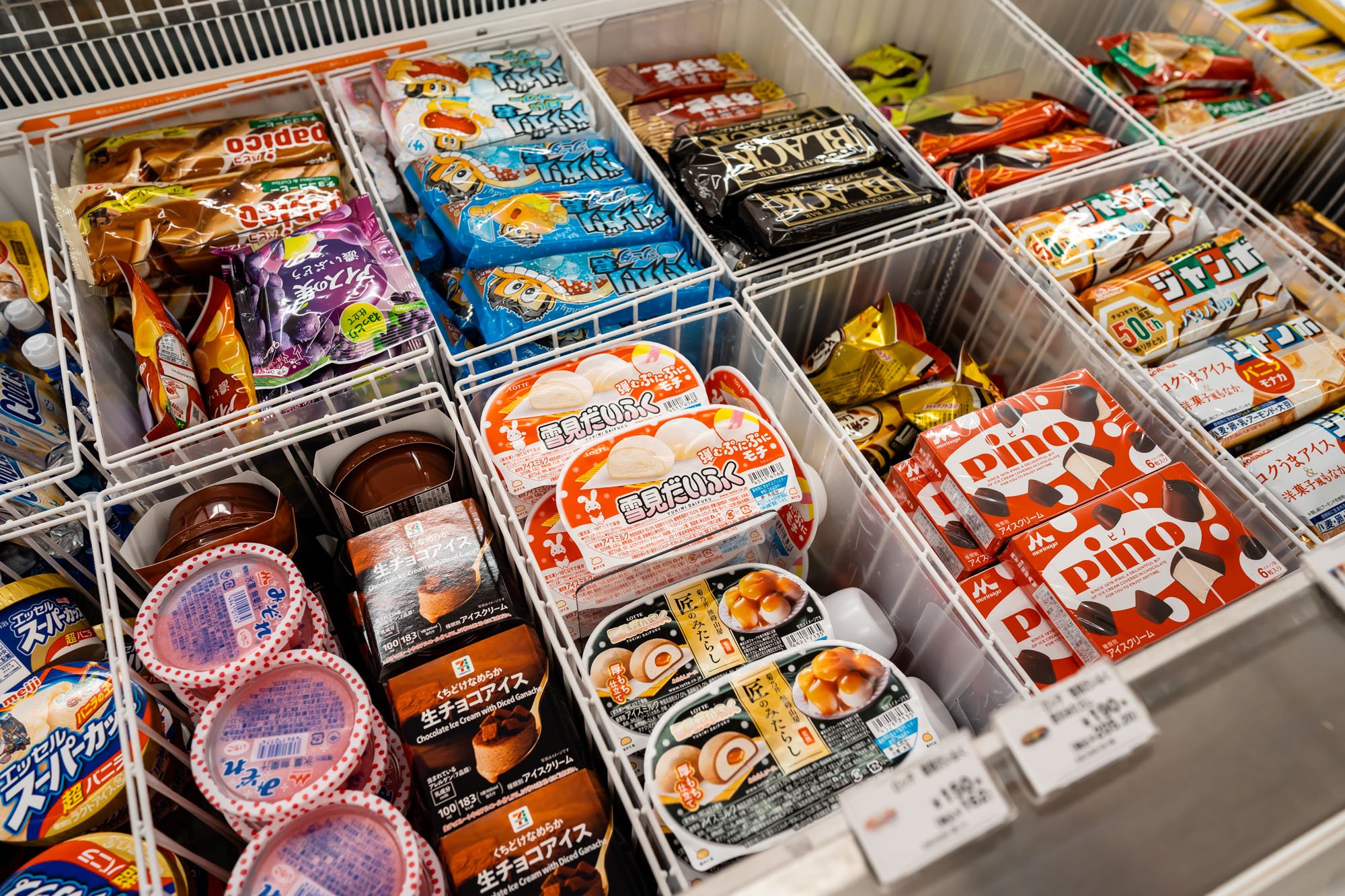
Japanese snacks have developed a loyal following across the United States because they combine unique flavors with creative packaging. Travelers often fill their luggage with treats before returning home. Many specialty stores now import popular products because demand continues increasing. Social media has also introduced these snacks to millions of first-time buyers.
Matcha Treats
Matcha-flavored chocolates, cookies, cakes, and biscuits offer a rich green tea taste that many Americans now enjoy. Their slightly bitter flavor balances sweetness beautifully. They also represent traditional Japanese ingredients in modern desserts. Matcha remains one of Japan’s most recognizable food trends.
Pocky and KitKat
Japan produces dozens of exclusive Pocky and KitKat flavors unavailable elsewhere. Strawberry, melon, matcha, cheesecake, and sweet potato varieties encourage collectors to try something different. Limited editions create excitement among snack lovers. Many travelers buy these products as gifts for family and friends.
Rice Crackers and Traditional Snacks
Rice crackers remain a classic Japanese snack enjoyed for generations. Some varieties are sweet, while others feature soy sauce, seaweed, or spicy seasoning. Their crunchy texture makes them ideal for everyday snacking. They also introduce international visitors to traditional Japanese flavors.
Japan Konbini Food Trend Explained
The growing fascination with Japanese convenience stores reflects more than good food. It represents a lifestyle focused on quality, efficiency, and thoughtful customer service. People admire how ordinary shopping becomes an enjoyable experience rather than a routine task. That cultural difference explains why the trend continues spreading worldwide.
Social Media’s Influence
TikTok, YouTube, and Instagram have introduced millions of viewers to Japanese convenience store culture. Short videos highlighting colorful desserts, fresh sandwiches, and creative packaging often go viral within hours. These visual experiences inspire curiosity long before people book flights. Digital creators have become unofficial ambassadors for konbini culture.
Travel Influencers
Travel influencers regularly include convenience store visits in their Japan itineraries. Instead of focusing only on luxury restaurants, they demonstrate how affordable meals can still be memorable. Honest reviews help build trust among viewers planning future trips. This authentic storytelling has strengthened the popularity of konbini worldwide.
Food Reviews Build Trust
Independent food reviewers consistently praise the freshness and consistency found across different convenience store chains. Positive experiences from thousands of travelers reinforce the reputation of Japanese stores. When multiple reviewers recommend the same products, new visitors feel confident trying them. Word-of-mouth remains one of the strongest drivers behind this trend.
Is Japanese Convenience Store Food Really Better Than America’s?
Comparisons between Japanese and American convenience stores appear frequently online. While both serve different markets, Japanese stores generally emphasize freshly prepared meals, presentation, and customer experience. American stores continue improving their food offerings, but Japan still sets a high benchmark for convenience dining. The comparison explains why so many visitors return home impressed.
Food Quality
Japanese meals are prepared with freshness and consistency in mind. Better ingredient selection and frequent restocking help maintain reliable standards. Customers rarely worry about stale products or poor presentation. Quality remains a defining strength.
Freshness
Fresh deliveries throughout the day keep shelves stocked with recently prepared meals. Products nearing expiration are removed quickly to maintain customer confidence. This system helps preserve taste and food safety. Freshness becomes part of the overall shopping experience.
Price Comparison
Japanese convenience meals deliver exceptional value for money. Customers receive balanced meals at affordable prices without sacrificing quality. In comparison, similarly priced options elsewhere may not offer the same freshness. Value remains one of konbini’s greatest advantages.
Customer Experience
Clean stores, organized shelves, helpful employees, and fast checkout create a pleasant shopping environment. Small details such as neatly packaged food and reliable service improve every visit. Many travelers remember the experience as much as the food itself. Excellent customer care completes the konbini experience.
| Feature | Japan | United States |
| Fresh Meals | Excellent | Improving |
| Variety | Very High | Moderate |
| Food Quality | Restaurant-like | Varies by location |
| Healthy Choices | Wide Selection | Limited in many stores |
| Overall Experience | Outstanding | Good but inconsistent |
Conclusion
Japanese convenience stores prove that quick meals do not have to compromise on taste or quality. Their commitment to fresh ingredients, affordable pricing, and exceptional customer experience has earned admiration from travelers across the world. As more Americans discover these stores through travel and social media, the fascination continues to grow. If you enjoy exploring global food trends, Samppy is a great place to discover more unique food guides, travel insights, and fascinating culinary stories from around the world.
Frequently Asked Questions
1. Why is Japanese convenience store food so popular?
It is popular because the food is fresh, affordable, delicious, and available throughout the day. Many meals are comparable to restaurant-quality dishes.
2. What is the best food to buy at a Japanese convenience store?
Onigiri, egg sandwiches, bento boxes, fried chicken, ramen, and seasonal desserts are among the most recommended choices.
3. Can I find Japanese convenience store food in the USA?
Yes. Many Japanese grocery stores and Asian supermarkets now sell products such as onigiri, sushi, bento meals, and imported snacks.
4. Which Japanese convenience store is considered the best?
7-Eleven, FamilyMart, and Lawson are all excellent choices. Each chain offers different signature products and maintains high food quality.
5. Why are Japanese convenience stores different from American ones?
Japanese convenience stores focus on freshness, quality control, customer service, and balanced ready-to-eat meals, creating a more enjoyable shopping and dining experience.

Surbhi
@Surbhi | Surbhiithapaa@gmail.com