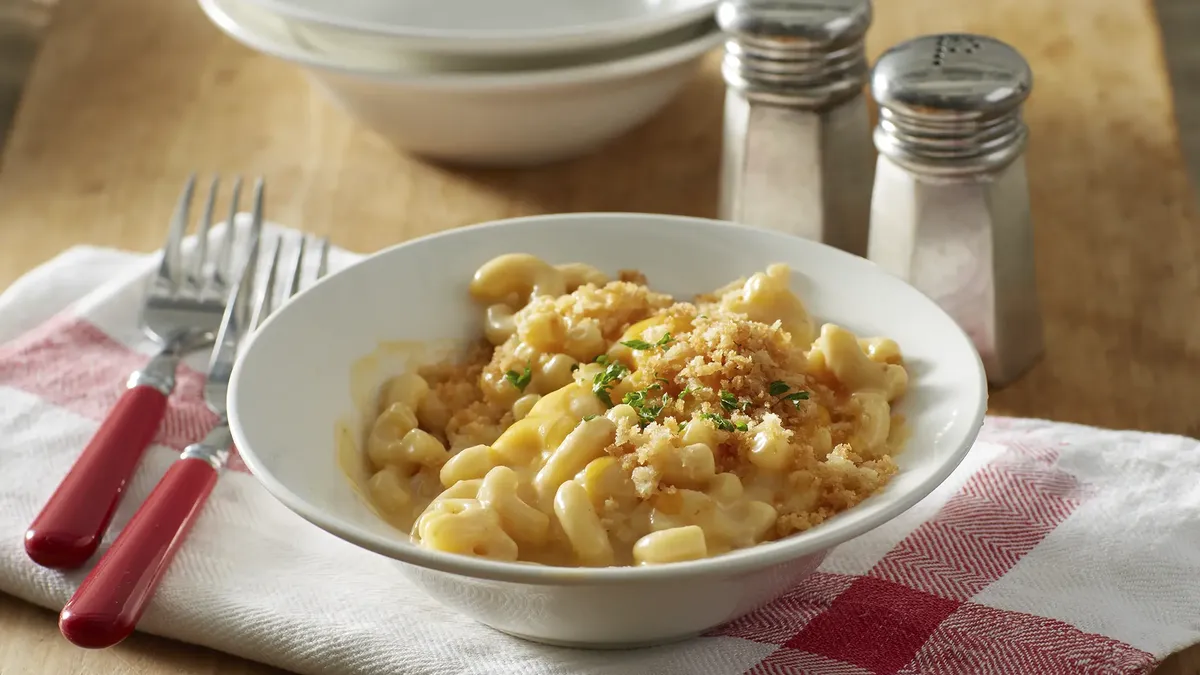
Few dishes can turn a simple handful of ingredients into something this comforting. Mac and cheese is warm, cheesy, creamy, and wonderfully familiar—the kind of meal that makes you want to grab a second bowl before you’ve even finished the first.
And while a boxed version can certainly save time, homemade mac and cheese has a completely different charm. You get to choose the cheese, control the creaminess, add your favorite seasonings, and decide whether you want a silky stovetop sauce or a golden baked topping.
From classic family-style recipes to creative twists, these mac and cheese ideas are made for cozy dinners, casual gatherings, and those evenings when you simply want something comforting.
A great mac and cheese starts with two things: properly cooked pasta and a smooth, flavorful cheese sauce. From there, you can keep it simple or take it in a completely different direction.
Stovetop versions are quick and silky, while baked mac and cheese develops a golden crust and slightly firmer texture. You can also add crispy bacon, roasted vegetables, chicken, jalapeños, herbs, or different cheese combinations to give the dish its own personality.
The secret is not using dozens of ingredients. It’s getting the basic elements right and giving each one a chance to shine.
Key Takeaways
- Cook the pasta just until tender so it doesn’t become mushy later.
- A homemade cheese sauce gives mac and cheese its signature creamy texture.
- Grating cheese yourself can help it melt more smoothly.
- Use a blend of cheeses when you want more depth of flavor.
- Baked mac and cheese is ideal when you want a golden, crispy top.
- Don’t overbake the dish or the sauce can become dry.
- Let the mac and cheese sit for a few minutes before serving.
What Makes Homemade Mac and Cheese So Good?
There is something satisfying about making the entire dish yourself. You start with ordinary pasta. Then comes the sauce a simple combination of butter, flour, milk, and cheese. Once everything comes together, those basic ingredients become a rich sauce that coats every piece of pasta.
That’s the magic A good homemade mac and cheese shouldn’t feel like pasta swimming in cheese sauce. The sauce should cling to the noodles, creating a creamy bite without becoming excessively heavy. And because you’re making it yourself, you can adjust everything. More cheese? Absolutely. A little heat? Go for it. Crispy topping? Put it in the oven.
Classic Creamy Mac and Cheese
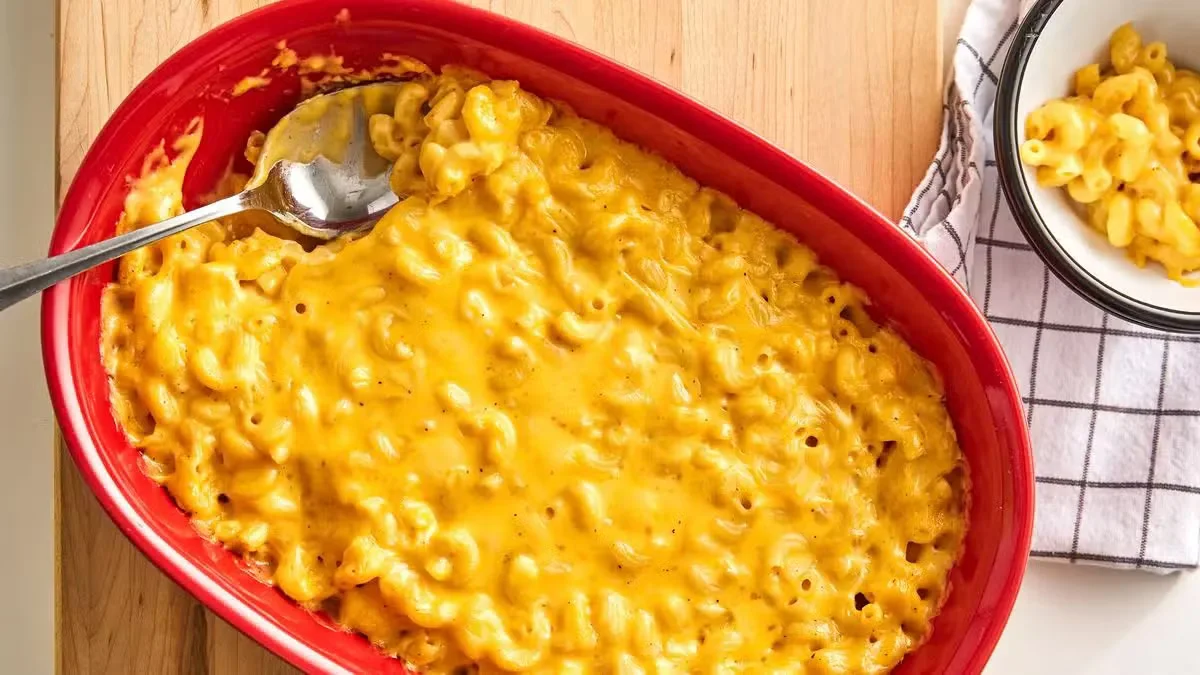
This is the version to keep in your back pocket when you want something comforting without making dinner complicated.
Ingredients
- 12 ounces elbow macaroni
- 3 tablespoons butter
- 3 tablespoons all-purpose flour
- 2½ cups milk
- 1 cup shredded cheddar cheese
- 1 cup shredded mozzarella cheese
- ½ cup Parmesan cheese
- ½ teaspoon garlic powder
- ½ teaspoon mustard powder
- Salt and black pepper, to taste
How to Make It
Start by cooking the macaroni according to the package directions. Cook it just until tender rather than letting it become overly soft. While the pasta cooks, melt the butter in a saucepan over medium heat. Whisk in the flour and cook for about a minute. This creates the base for your sauce. Gradually pour in the milk while whisking continuously. Keep stirring until the mixture begins to thicken.
Lower the heat and add the cheddar, mozzarella, and Parmesan gradually. Stir until the cheese melts into a smooth sauce. Season with garlic powder, mustard powder, salt, and black pepper. Drain the pasta and add it directly to the cheese sauce. Stir gently until every piece is coated. Serve immediately for the creamiest texture.
How Do You Make Mac and Cheese Extra Creamy?
The secret isn’t simply adding more cheese. In fact, too much cheese can sometimes make the sauce greasy or heavy. Instead, focus on building a smooth sauce. Keep the heat moderate when adding the cheese. Extremely high heat can cause some cheeses to separate rather than melt smoothly.
Adding the cheese gradually also helps it blend into the sauce instead of forming clumps. And don’t forget the pasta. If the noodles are overcooked, they’ll absorb too much sauce and can make the finished dish feel softer and heavier. For especially creamy mac and cheese, serve it shortly after combining the pasta and sauce rather than letting it sit for a long time.
Baked Mac and Cheese With a Golden Top
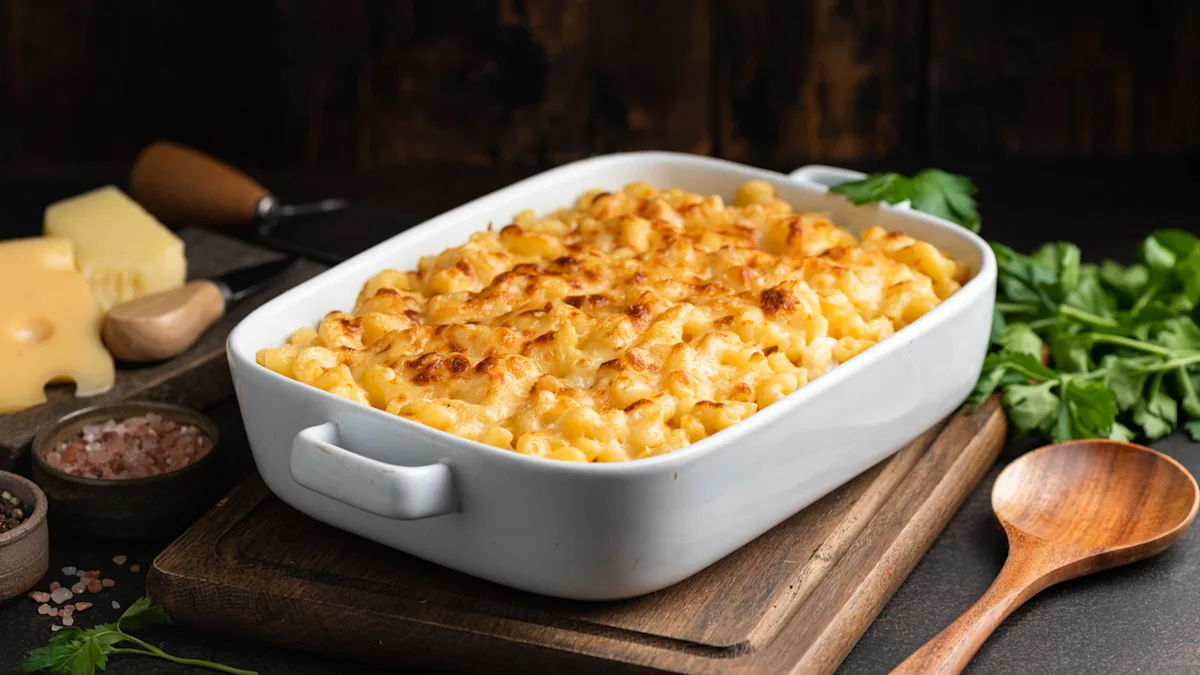
If you love a crispy, golden layer of cheese, baked mac and cheese is the version for you. Prepare the creamy cheese sauce and pasta as usual, then transfer everything to a greased baking dish. Top it with shredded cheddar, Parmesan, or a mixture of your favorite cheeses.
For extra crunch, sprinkle breadcrumbs over the top before baking. Bake until the cheese is melted and the surface turns golden. The contrast is what makes this version special: creamy pasta underneath, crisp and cheesy on top.
A Small Baking Tip
Don’t leave the dish in the oven for too long. The goal is to brown the top not bake all the moisture out of the sauce. Once the cheese is bubbling and golden, it’s usually time to take it out.
Three-Cheese Mac and Cheese
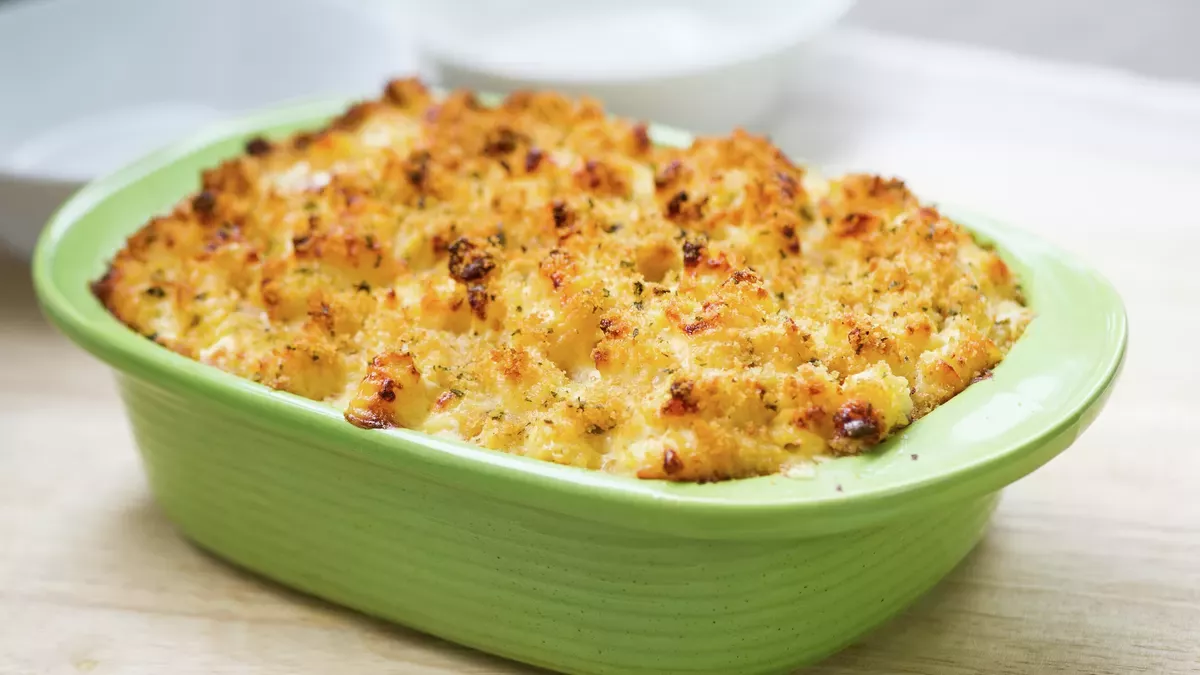
Why settle for one cheese when three can create a more interesting flavor?
Try combining:
Cheddar for sharpness and classic mac and cheese flavor.
Mozzarella for a stretchy, mild texture.
Parmesan for a salty, nutty finish.
You can also replace one of these with Gruyère, Monterey Jack, Gouda, or another good melting cheese. The important thing is to choose cheeses that complement each other rather than adding several strong flavors at once.
One-Pot Mac and Cheese for Busy Nights
Sometimes you want comfort food without creating a pile of dishes. A one-pot approach can make that possible. Cook the pasta with milk or another liquid in a large pot, stirring regularly so the noodles don’t stick. Once the pasta is tender, add butter and your chosen cheeses.
The starch released from the pasta can help give the sauce a naturally creamy consistency. This version is particularly useful on busy weeknights because everything comes together in one pot. Just keep an eye on the heat and stir frequently.
Add a Little Heat
Classic mac and cheese is delicious, but a little spice can completely change it.
Try adding:
- Diced jalapeños
- Crushed red pepper
- Smoked paprika
- Hot sauce
- Pepper jack cheese
- A pinch of cayenne
You don’t need all of them. Even a small amount of heat can cut through the richness of the cheese and make each bite more interesting.
Mac and Cheese With Crispy Bacon
For a smoky, savory variation, crispy bacon is an easy addition. Cook the bacon until crisp, crumble it, and stir some into the finished mac and cheese. Reserve a little for sprinkling over the top.
If you’re making baked mac and cheese, add the bacon along with the cheese topping before it goes into the oven. The combination of creamy cheese, tender pasta, and crispy bacon gives the dish plenty of texture.
Can You Add Vegetables to Mac and Cheese?
Absolutely.
Vegetables can add color, texture, and a fresh contrast to the rich cheese sauce.
Good options include:
- Broccoli
- Spinach
- Peas
- Roasted cauliflower
- Sweet corn
- Roasted bell peppers
- Caramelized onions
Roasting vegetables first is particularly useful because it concentrates their flavor and prevents them from releasing too much water into the sauce. Broccoli and cauliflower also pair naturally with cheddar-based sauces.
Chicken Mac and Cheese
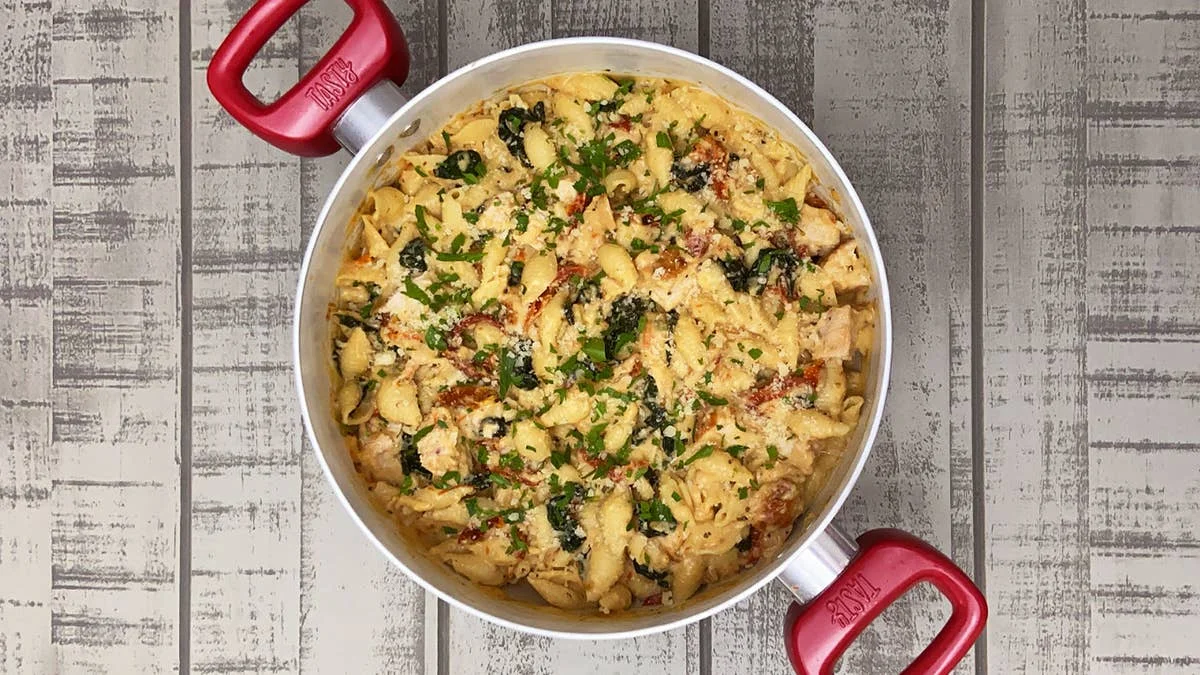
If you’re looking for something more substantial, add cooked chicken. Shredded roasted chicken works particularly well because it blends easily into the sauce without overpowering the cheese.
For extra flavor, season the chicken with garlic, paprika, black pepper, or Italian herbs before mixing it into the pasta. You can keep this version stovetop-style or turn it into baked mac and cheese with a crispy cheese topping. It’s an easy way to transform a side dish into a complete dinner.
What Cheese Is Best for Mac and Cheese?
There isn’t one perfect cheese. Cheddar is a classic because it provides plenty of flavor and melts well. But combining it with other cheeses can make the sauce even more interesting.
Here are some good choices:
| Cheese | What It Adds |
|---|---|
| Cheddar | Sharp, familiar flavor |
| Mozzarella | Stretchy, mild texture |
| Parmesan | Salty and nutty flavor |
| Gouda | Smooth and slightly sweet |
| Gruyère | Rich and sophisticated flavor |
| Monterey Jack | Mild and creamy |
| Pepper Jack | Creaminess with a little heat |
A combination is often more interesting than relying on just one cheese.
How Do You Keep Mac and Cheese From Getting Dry?
Dry mac and cheese usually comes down to two things: too little sauce or too much time in the oven.
When making baked mac and cheese, remember that the pasta will continue absorbing some of the sauce while it bakes. That means your mixture should look slightly creamier than you want the final dish to be before it goes into the oven. Also, don’t bake it for longer than necessary.
Once the top is bubbling and golden, take it out and let it rest for a few minutes. If you’re reheating leftovers, add a small splash of milk before warming them. This can help loosen the sauce and bring back some of its creaminess.
What Should You Serve With Mac and Cheese?
Mac and cheese is rich enough to stand on its own, but a few simple sides can turn it into a complete meal. A crisp green salad provides freshness and crunch. Roasted vegetables work well if you want something warm alongside the pasta.
For a heartier dinner, serve it with grilled chicken, roasted meat, or crispy vegetables. And if you’re serving baked mac and cheese at a gathering, you can keep the sides simple. The bubbling dish will probably be the first thing everyone notices anyway.
5 FAQs About Mac and Cheese Recipes
1. How do I make homemade mac and cheese creamy?
Make a smooth cheese sauce using butter, flour, milk, and gradually added cheese. Keep the heat moderate when melting the cheese and avoid overcooking the pasta.
2. What is the best cheese for mac and cheese?
Cheddar is a classic choice, but combining cheddar with mozzarella, Parmesan, Gouda, Gruyère, or Monterey Jack can create a richer flavor and texture.
3. Why is my baked mac and cheese dry?
It may have been baked for too long or started with too little sauce. The pasta continues absorbing liquid in the oven, so the mixture should be quite creamy before baking.
4. Can I prepare mac and cheese ahead of time?
Yes. You can assemble baked mac and cheese ahead of time and refrigerate it until you’re ready to bake. You may need to add a little extra sauce or milk if it looks dry before baking.
5. Can I freeze mac and cheese?
Yes, although the texture can change slightly after freezing and reheating. For the best result, use a creamy sauce and reheat gently with a splash of milk.
Final Thoughts
Mac and cheese doesn’t need to be complicated to be memorable. Sometimes the best version is simply tender pasta coated in a silky cheddar sauce. Other nights call for crispy bacon, spicy jalapeños, roasted vegetables, or a golden baked topping.
That’s what makes this dish so easy to love. You can keep it classic when you’re craving comfort or change it completely when you want something new.
So whether you’re making a quick stovetop dinner or putting together a bubbling dish of baked mac and cheese for the whole family, focus on one thing: a sauce that’s rich, smooth, and generous enough to coat every noodle.
Once you’ve got that right, you’re already halfway to a great mac and cheese dinner.