Cajun and Creole cuisines both come from Louisiana, but their roots are different. Cajun food is rustic, spicy, and simple, shaped by Acadian settlers. Creole food is urban, refined, and influenced by many cultures in New Orleans. The biggest differences are ingredients, cooking methods, and seasoning styles. Both are essential parts of Louisiana food culture.
Introduction to Louisiana Cuisine Guide
When people talk about food in Louisiana, two names often come up: Cajun and Creole. At first glance, they can look similar because both use bold flavors, rice, seafood, and rich spices. But the truth is, their roots and cooking styles are quite different. Understanding cajun vs creole food helps you enjoy the culture behind every dish.

Louisiana’s food history is deeply shaped by French, Spanish, African, and Native American traditions. Over time, these influences created two distinct food identities. One grew from the countryside, while the other developed in the city. That difference still shapes how the food tastes today.
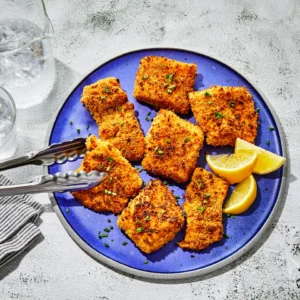
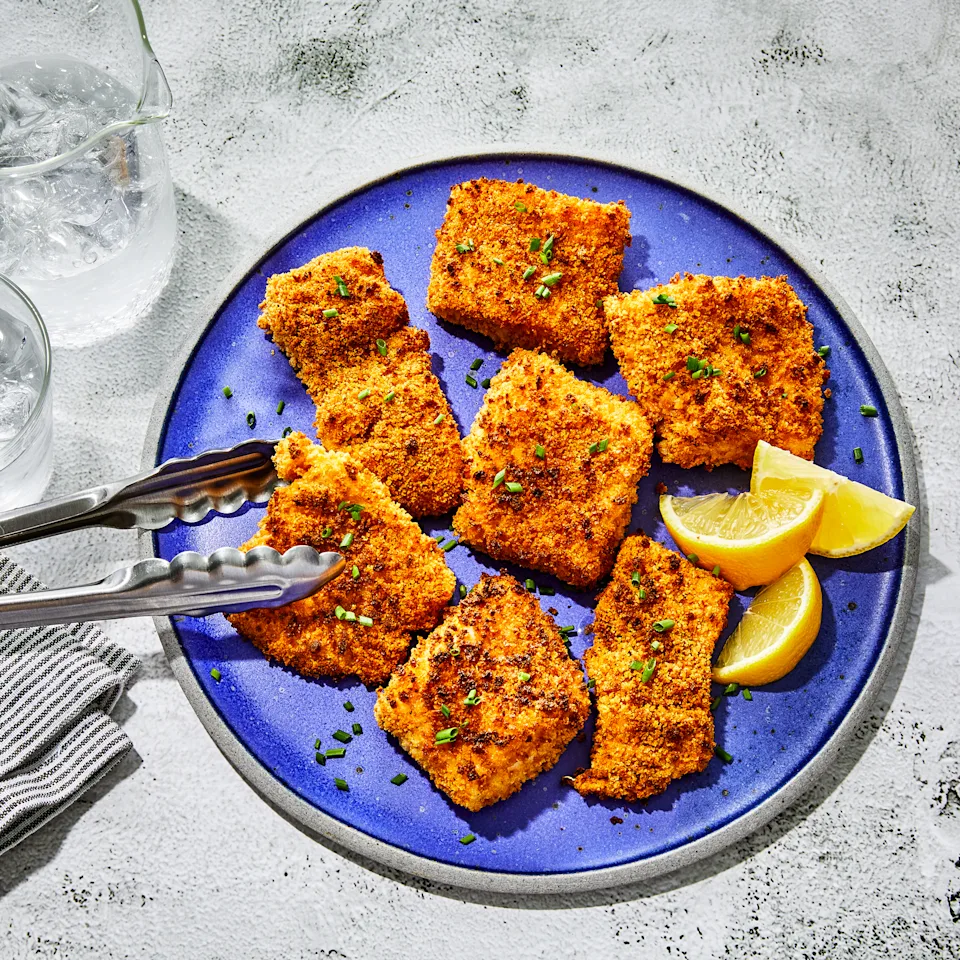
Louisiana’s culinary identity doesn’t stand alone, its neighboring states share the same Southern roots, and these Arkansas food recipes show how fried catfish, dumplings, and cornbread carry that same Southern DNA across state lines.
What Is Cajun Food?
Cajun food comes from the Acadians, French settlers who moved to southern Louisiana after being expelled from Canada. They adapted their cooking to the local land and ingredients. This created food that was practical, hearty, and full of flavor. Cajun cooking is often called rustic and simple.
The heart of Cajun cuisine is resourcefulness. Families cooked with what they could hunt, fish, or grow. That made every meal feel grounded and authentic. It remains one of the strongest food traditions in the American South.
The History of Cajun Cooking
The Acadians arrived in Louisiana during the 18th century. They settled in bayou areas where life was tough. Their food became a reflection of survival and creativity. Every ingredient had a purpose.
Cajun culture stayed close to family traditions. Recipes were passed down through generations. This kept the cooking style pure and deeply connected to heritage. That history still matters today.
Traditional Cajun Ingredients
Cajun dishes often begin with the “holy trinity” of onions, celery, and bell peppers. This mix forms the base of many recipes. Unlike Creole cooking, tomatoes are rarely the focus. The flavors lean earthy, smoky, and spicy.
Proteins are also important in Cajun kitchens. Crawfish, sausage, chicken, and catfish are common choices. Rice is often served on the side or cooked in the dish. These simple ingredients create powerful meals.
Popular Cajun Dishes
Some of the most famous Cajun dishes are known across America. They reflect the bold spirit of southern Louisiana dishes. These meals are rich, spicy, and filling.
Popular Cajun foods include:
- Boudin
- Crawfish boil
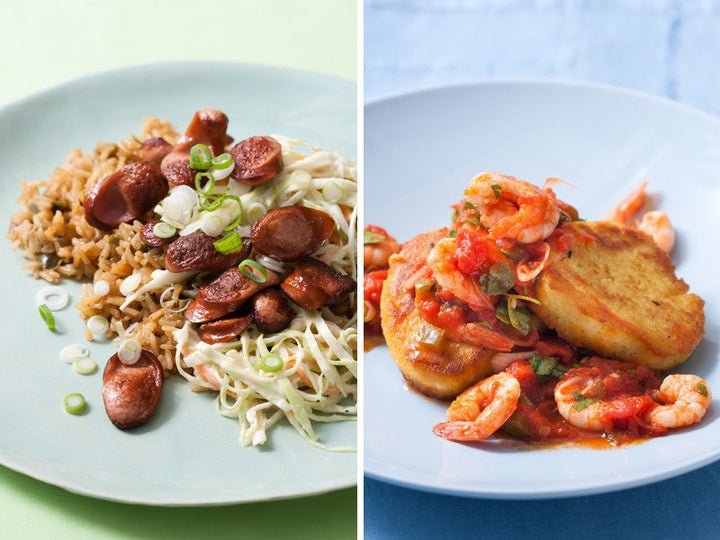
- Dirty rice Dirty rice
- Chicken and sausage gumbo Gumbo
Each dish tells a story of tradition. They are built on strong seasoning and slow cooking.
What Is Creole Food?
Creole food has a different story. It developed in urban Louisiana, especially in New Orleans. This cuisine mixes French, Spanish, African, Caribbean, and Italian influences. It feels more refined and layered.
Creole cooking is often seen as city food. It uses more ingredients and complex sauces. This style is elegant but still comforting. Many people call it the soul of New Orleans food.
The Origins of Creole Cuisine
Creole culture was born in multicultural city life. Wealthy families and local communities shaped the cuisine together. This created a rich blend of techniques and flavors. It was less about survival and more about creativity.
Unlike Cajun cooking, Creole dishes often used imported ingredients. That gave cooks more flexibility. It also made the food feel more diverse. This is why Creole meals often taste more layered.
Classic Creole Ingredients
Creole kitchens use the same holy trinity, but tomatoes play a bigger role. Tomato-based sauces are common in many classic dishes. Butter, herbs, and seafood are also key parts. This makes the flavor smoother and deeper.
Shrimp, crab, oysters, and crawfish are widely used. Rice remains important here too. But the cooking style feels more polished. It’s rich without being too heavy. Creole cooking’s African and Caribbean influences run deep, much like the tradition-rich soul food mac and cheese recipe that reflects the same layered, multicultural heritage found across Southern kitchens.
Famous Creole Dishes
Creole dishes are famous for their depth and color. Many are linked closely to New Orleans traditions. These meals often blend seafood with thick sauces.
Popular Creole dishes include:
- Shrimp Creole
- Seafood gumbo Gumbo
- Red beans and rice Red beans and rice
- Crawfish étouffée Étouffée
These dishes are rich and layered. They show the elegance of Creole cooking.
Cajun vs Creole Food: Key Differences
This is where things become clear. While both cuisines share Louisiana roots, their styles are not the same. The biggest differences come from culture, ingredients, and cooking methods. Knowing this helps you choose what fits your taste.

The debate around cajun vs creole food is really about tradition versus fusion. One is country-born and simple. The other is city-grown and complex. Both are essential to Louisiana food culture.
Ingredients Comparison
Ingredients tell the biggest story. Cajun food keeps things simple and local. Creole food adds more variety and outside influence. That creates different flavor experiences.
| Category | Cajun | Creole |
|---|---|---|
| Origin | Rural Louisiana | New Orleans city |
| Tomatoes | Rarely used | Commonly used |
| Flavor | Smoky and bold | Rich and layered |
| Cooking Style | Rustic | Refined |
| Seafood | Moderate | Heavy use |
Cooking Techniques
Cajun cooking focuses on one-pot meals. This makes food practical and filling. Slow simmering builds strong flavor. It is simple but powerful.
Creole cooking uses sauces and multiple cooking steps. It often feels more planned and layered. The final result can taste more balanced. That extra effort changes the experience.
Flavor Profiles
Cajun food usually feels hotter and smokier. Spice plays a stronger role here. The flavors are direct and bold. There is little hiding behind sauce.
Creole food is more balanced. Herbs, butter, and tomatoes soften the spice. This creates complexity without too much heat. It feels richer in texture.
Rural vs Urban Influence
Cajun food belongs to the bayou and countryside. It reflects farming, fishing, and hunting life. That makes it deeply local and grounded. Its identity is tied to survival.
Creole food belongs to the city. It reflects trade, wealth, and cultural mixing. This gives it a wider flavor range. That urban influence changed everything.
Cajun Seasoning vs Creole Seasoning
A big part of this debate is seasoning. Many people confuse the spice blends, but they are different. The contrast between cajun seasoning vs creole comes down to herbs and balance. Both are flavorful, but not identical.
Seasoning shapes the entire dish. Even small changes affect the final taste. That is why understanding the blend matters.
Spice Blend Ingredients
Cajun seasoning usually includes paprika, cayenne, garlic powder, onion powder, and black pepper. It is heavy on heat. The goal is strong flavor and spice. It feels bold immediately.
Creole seasoning includes similar spices but adds oregano, thyme, and basil. These herbs soften the heat. The blend becomes more rounded. It tastes more layered.
Flavor Differences
Cajun seasoning is sharper and hotter. It works well with grilled meats and fried foods. The spice hits quickly. It stays bold.
Creole seasoning feels deeper and more balanced. It fits soups, sauces, and seafood. The herbs create complexity. This makes it smoother.
Best Uses for Each
Use Cajun seasoning for:
- Blackened fish
- Fried chicken
- Grilled sausage
Use Creole seasoning for:
- Gumbo
- Jambalaya Jambalaya
- Shrimp sauces
The choice depends on the dish.
Must-Try Southern Louisiana Dishes
If you want to understand Louisiana cuisine, tasting the food is the best way. Some dishes represent Cajun roots, while others show Creole influence. A few even blend both worlds. That mix is what makes Louisiana special.
Food here is more than taste. It is history on a plate. No Cajun or Creole spread feels complete without bread on the side, and this Southern-style cornbread recipe makes the perfect moist, golden pairing for gumbo or red beans and rice.
Best Cajun Dishes
Cajun classics are simple but unforgettable. Crawfish boils are social events across Louisiana. Boudin is a local favorite. Dirty rice is full of flavor.
These dishes show how Cajun cooking values boldness. Every bite feels hearty and real.
Best Creole Dishes
Creole dishes feel richer and more layered. Shrimp Creole is one of the best examples. Étouffée is thick, buttery, and comforting. Seafood gumbo is another icon.
These meals reflect city influence. They feel polished and deeply flavorful.
Shared Louisiana Classics
Some dishes cross both traditions. Gumbo is the best example. Different families make it differently. That’s what keeps it alive.
Jambalaya also exists in both styles. The difference often comes down to tomatoes. This is where the lines blur.
Exploring New Orleans Food Culture
New Orleans is where many of these traditions meet. The city blends old recipes with modern creativity. Walking through its streets feels like a food journey. Every corner offers history.
This makes New Orleans food one of America’s strongest culinary identities. It keeps evolving while protecting tradition. Organizations like the Southern Foodways Alliance have spent decades documenting exactly this kind of regional food history, tracing how Cajun and Creole traditions evolved within Louisiana’s broader culinary identity.
Best Places for Cajun Food
Outside the city, small family spots often serve the best Cajun meals. These places focus on authenticity. The flavors are strong and traditional. They stay true to the roots.
Best Places for Creole Food
In New Orleans, Creole restaurants are everywhere. Many serve dishes based on recipes over a hundred years old. These meals feel elegant and classic. They capture the city’s heart.
Modern Fusion Cuisine in New Orleans
Today, chefs mix both styles freely. They create dishes that honor the past while adding something new. This keeps Louisiana food exciting. Tradition still leads the way.
Which Is Better: Cajun or Creole?
There is no real winner here. It depends on your taste. If you love bold spice and rustic meals, Cajun might suit you. If you enjoy rich sauces and layered flavors, Creole may be your pick.
The beauty of cajun vs creole food is that both offer something special. Together, they define Louisiana’s food identity. That’s why people keep coming back.
Final Thoughts on Cajun vs Creole Food
Understanding these cuisines makes every Louisiana meal more meaningful. Cajun food gives you rustic heat and simple strength. Creole food gives you depth, elegance, and history. Together, they create one of America’s richest food cultures.
At Samppy, exploring food stories like these helps uncover what makes regional cuisine special. Whether you start with gumbo or jambalaya, you’re stepping into a tradition built over centuries.
FAQs
Is Cajun food always spicy?
Not always, but it often uses more heat than Creole food. Spice is a major part of its flavor identity.
Is gumbo Cajun or Creole?
It can be both. Cajun gumbo usually skips tomatoes, while Creole gumbo often includes them.
What makes Creole food unique?
Its multicultural roots and use of richer ingredients make it unique. It blends many traditions into one style.
Is jambalaya the same in both cuisines?
No. Creole jambalaya usually has tomatoes, while Cajun jambalaya does not.
Which seasoning is better for beginners?
Creole seasoning is usually easier for beginners. It is more balanced and less intense.