
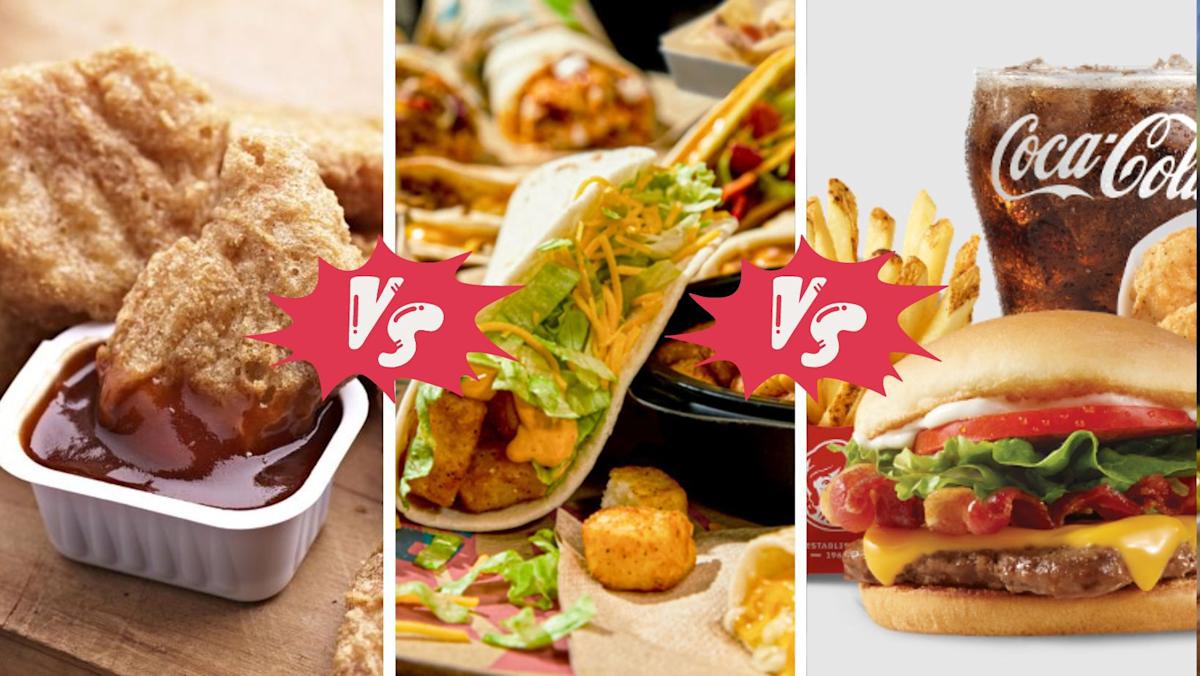
Food culture usa, the debate between american street food vs fast food highlights a major shift in how we eat. While fast food offers unmatched speed and a consistent flavor you can find in any city, street food provides a fresh, hand-crafted alternative that celebrates local diversity. This fast food comparison shows that modern diners are increasingly looking for authenticity and real ingredients over mass-produced meals. Whether you are grabbing a quick taco from a truck or a classic burger from a drive-thru, both play a role in the American lifestyle, but street food remains the heart of local culinary innovation. At Samppy, we help you navigate these delicious choices so you can find the best flavors in your neighborhood.
American Street Food vs Fast Food: What’s the Real Difference?
Picture this: You’re walking down a busy city sidewalk, and the smell of grilled onions and seasoned meat hits you. You see a colorful truck with a line of people waiting for fresh tacos. On the next corner, the familiar golden arches of a McDonald’s glow under the streetlights. Both offer a quick meal, but when it comes to american street food vs fast food, the experience couldn’t be more different.

American food culture usa has changed a lot over the years. We used to only think of “quick food” as something from a drive-thru window. Today, street food has exploded in popularity, giving us a choice between the speed of a big chain and the soul of a local vendor. Are they really the same thing just because they’re both fast? Not even close. Let’s break it down and see which one deserves a spot on your plate.
What Is American Street Food?
When we talk about street food usa, we’re talking about food with a pulse. This is food sold from colorful trucks, small carts, or sidewalk stalls. It’s the kind of meal you eat standing up or sitting on a park bench. Think about the iconic NYC hot dog, a steaming Philly cheesesteak, or the legendary taco trucks of Los Angeles.
What makes street food special is that it’s usually made right in front of you. It often uses fresh, local ingredients and carries the personal touch of the person cooking it. In fact, street food is a huge part of the melting pot that is food culture usa. For example, in New York City, over 80% of street vendors are immigrants representing more than 20 different countries. When you buy a gyro or a tamale from a cart, you’re tasting a piece of someone’s heritage. It’s warm, it’s vivid, and it smells like home.
What Is Fast Food?
Fast food is a different beast entirely. It’s built for one thing: efficiency. These are the giant chains we all know, like Burger King, Taco Bell, or Chick-fil-A. Everything about fast food is standardized. This means a burger you buy in a small town in Ohio will taste exactly like the one you get in downtown Houston.
The key traits here are consistency and speed. The menus are the same everywhere, and the food is often prepared in large batches using timed machines and heat lamps. While a fast food comparison shows that these chains are incredibly reliable, they lack the “personality” of a local vendor. It’s a corporate system designed to get you fed and back on the road as quickly as possible.
American Street Food vs Fast Food: The Key Differences
When we put american street food vs fast food head-to-head, the differences become very clear. Here is how they stack up in the areas that matter most to your stomach:
Freshness
Street food is almost always made to order. You watch the cook flip the meat or chop the onions right there. Fast food, on the other hand, follows a strict factory formula. Much of the food is pre-cooked or frozen and then reheated to meet a specific time goal.
Variety & Culture
Street food reflects the neighborhood it’s in. You might find Korean-Mexican fusion in one spot and lobster rolls in another. In a fast food comparison, you’ll notice that chains offer the same five or six categories of food coast to coast. Street food celebrates diversity; fast food celebrates sameness.
Price and Value
Both are generally easy on the wallet, usually costing between $8 and $15 for a full meal. However, street food often offers better value. Because you’re buying directly from a small business owner, you’re often getting higher-quality ingredients and larger portions for the same price you’d pay for a processed “value meal” at a chain.
The Experience
Buying street food is an event. You chat with the vendor, hear the sizzle of the grill, and soak in the city atmosphere. Fast food is purely a transaction. You talk to a speaker box or a touch screen, grab a bag, and leave.
Nutrition
While neither is exactly “diet food,” street food tends to be the healthier pick. Many vendors use fresh vegetables, grilled meats, and fewer preservatives. Fast food is famous for being high in sodium, refined fats, and sugar to make sure it tastes the same after being shipped across the country.

How Street Food Shapes Food Culture USA
The rise of food truck culture has completely changed how Americans eat. We now have entire “food truck parks” and festivals dedicated to street food usa. It’s no longer just a “cheap snack” for people on their lunch break; it’s become a gourmet experience. Even celebrity chefs are ditching fancy kitchens to start their own mobile carts.
This shift tells us a lot about food culture usa today. Modern diners are moving away from boring, processed meals. We want authenticity. We want to know who made our food and where it came from. While big chains still win on convenience, street food is winning our hearts because it offers a story with every bite.
Which One Should You Choose?
There is no “wrong” choice here—both have a place in our busy lives.
-
Choose Fast Food when you’re on a long road trip, having a stressful weeknight, or just need something familiar and cheap that you can eat in your car.
-
Choose Street Food when you want an adventure. It’s perfect for a weekend outing, supporting a local business, or trying a flavor you’ve never had before.
We encourage you to go out and explore the street food usa scene in your own town. Next time you’re hungry, skip the drive-thru and look for a local truck. You might just find your new favorite meal.
Conclusion
At the end of the day, both options are part of the rich tapestry of food culture usa, but they tell very different stories. Fast food is about speed and consistency—it’s the “safe” choice when you’re in a rush. Street food is about soul, flavor, and the people who make it.
When comparing american street food vs fast food, remember that food is personal. One fills your stomach, but the other feeds your curiosity. Here at Samppy, we believe that every meal should be an experience, whether it’s a quick bite or a gourmet feast. Next time you see a local vendor with a line out the door, jump in! You’ll get a taste of the real America that you just can’t find at a drive-thru window.
Frequently Asked Questions (FAQs)
Is street food the same as fast food?
No. While both are quick and affordable, they are very different. Street food is usually made by hand, uses fresher ingredients, and reflects local culture. Fast food is mass-produced by big chains to taste the same everywhere.
Is street food healthier than fast food?
Often, yes. Many street vendors use fresh, local produce and simpler cooking methods. Fast food is typically higher in sodium, processed fats, and preservatives to keep it “shelf-stable” for longer.
What is the most popular street food in the USA?
Hot dogs, tacos, and pretzels are the classic champions. However, in a recent fast food comparison, tacos and “fusion” eats (like Korean BBQ sliders) are currently the fastest-growing trends in the street food usa scene.
Where can I find the best street food?
You can find great carts in almost every major city, but for the best recommendations and deep dives into food culture usa, be sure to check out more guides on Samppy. We love helping you discover the best local eats!