
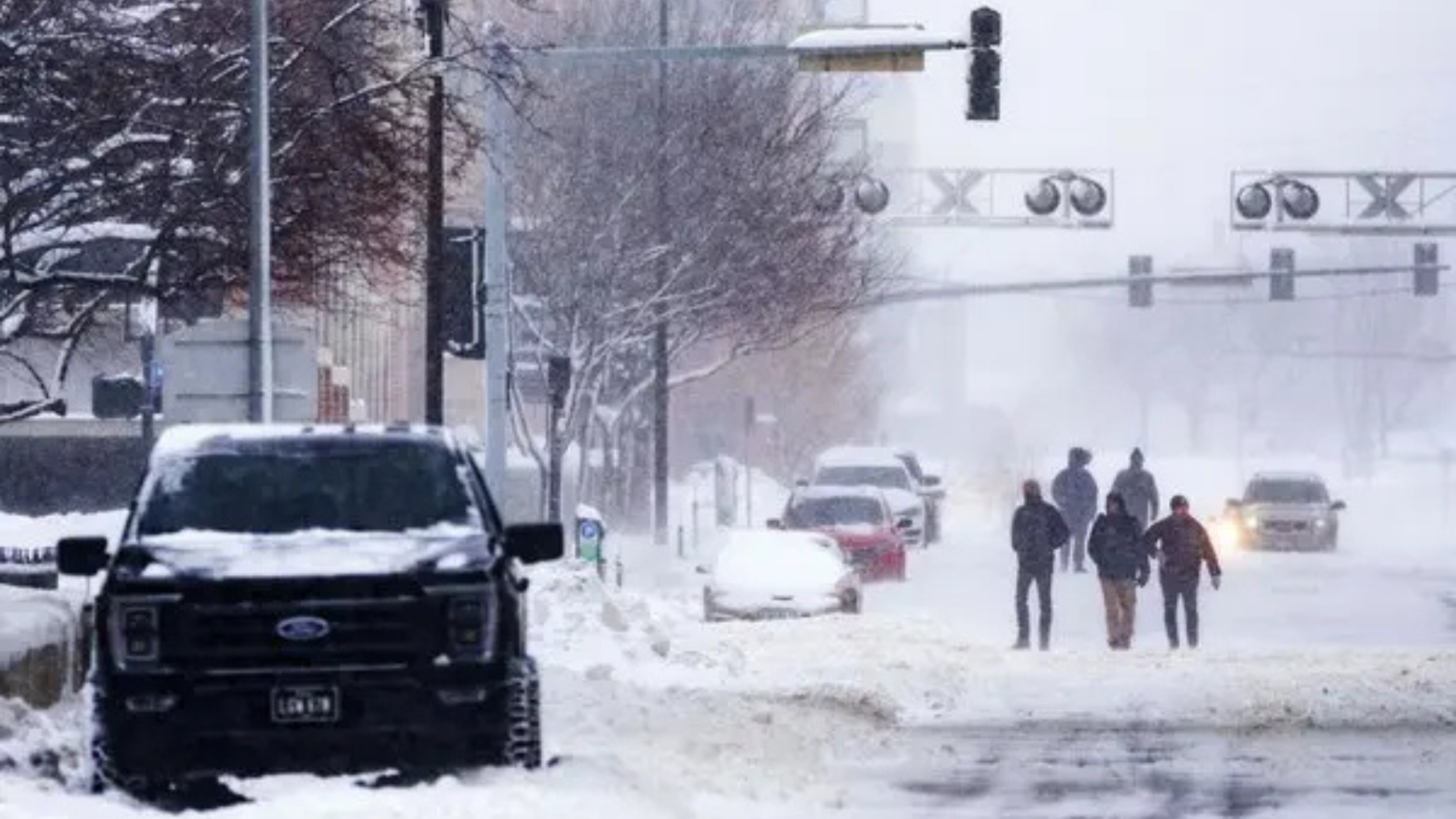
When severe winter weather strikes, dangerous conditions force millions of residents to hit pause on their daily routines. Extreme sub-zero temperatures dropping between -35°F and -40°F can cause frostbite on exposed skin within just 5 to 10 minutes, making rapid safety protocols and event closures absolute necessities.
To help families navigate the sudden logistical chaos of heavy snowfall, ice storms, and sub-zero freeze events, this comprehensive Samppy regional guide tracks real-time emergency infrastructure responses, school closure systems, and supply chain updates across the Northeast corridor.
Storm Paralyzes Northeast Transportation Networks
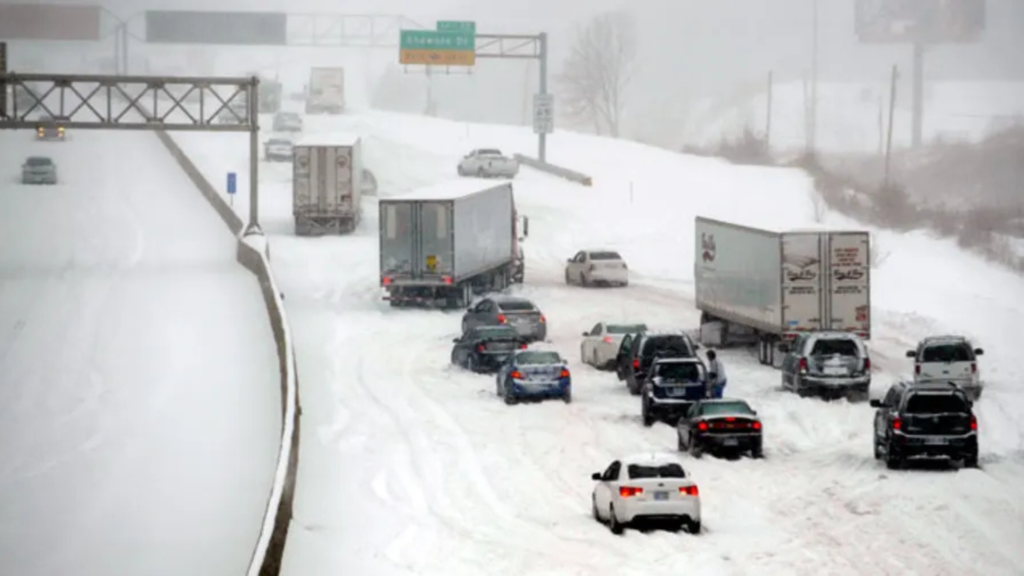
A powerful winter storm system has thrown regional transportation networks into chaos, leaving thousands of travelers stranded. State transportation authorities have enacted emergency safety protocols as heavy snow and ice accumulate across major travel hubs.
Airports Ground Hundreds of Flights
Freezing wind gusts and low visibility have hit air travel hard, forcing over 527 flight cancellations and 1,600 delays nationwide.
-
Philadelphia International (PHL): Leading the disruptions with 16% of its daily flight schedule completely cancelled.
-
Ronald Reagan Washington National (DCA): Reporting an 11% schedule cancellation rate.
-
LaGuardia Airport (LGA): Experiencing an 8% flight drop-off.
To assist stranded passengers, major carriers including American Airlines, Delta Air Lines, United Airlines, and JetBlue Airways have issued flexible travel waivers covering dozens of major airports across the Midwest and Northeast corridors.
Major Highways Face Widespread Closures
Road conditions have deteriorated rapidly due to a quarter-inch thick layer of sheet ice and blinding wind gusts reaching 70 miles per hour.
The Massachusetts Department of Transportation has reduced speed limits to a strict 40 mph on Interstate 90, while Boston’s Public Works Department deployed over 400 pieces of heavy snow-clearing equipment to treat gridlocked city streets. Blizzard warnings remain active across the Allegheny Mountains, and transportation officials have restricted commercial vehicle travel on major interstates including I-76, I-80, I-81, and I-90.
State Officials Announce Emergency Response Measures
As the storm system intensifies, several East Coast governors have declared official states of emergency to mobilize critical recovery resources and protect affected communities.
State-Level Directives: In New York, a statewide disaster emergency declaration has immediately activated comprehensive emergency management plans, allowing residents to access early prescription medication refills ahead of the hard freeze. Similarly, New Jersey Governor Phil Murphy announced sweeping emergency steps across multiple vulnerable counties facing a volatile mix of heavy snow and freezing rain.
To ensure safety during these weather-related event closings, state agencies have deployed significant emergency resources:
-
1,100 National Guard Soldiers and Airmen deployed across the Northeast to assist with search-and-rescue and critical transport.
-
97 specialized emergency vehicles, including 75 high-axle trucks and Humvees, positioned for deep-snow operations.
-
Over 5,500 utility line workers mobilized statewide to assess grid damage and restore power rapidly during sub-zero drops.
Weather Related Event Closings: Emergency Services Deploy Additional Resources
The harsh weather conditions have triggered an unprecedented emergency response:
- 1,100 Soldiers and Airmen from the National Guard now serve across Northeast states
- State agencies have positioned 97 pieces of emergency equipment, with 75 high-axle trucks and Humvees ready to go
- Response teams have four front-end loaders, seven small skid-steer loaders, and 12 dump trucks standing by
The Division of Emergency Management stays in constant touch with local authorities and coordinates resources through active state emergency operations centers. More State Police patrols now cover affected areas, while 5,500 utility workers stand ready statewide to assess damage and make repairs.
Shelters Open Across Region
The Red Cross has opened emergency shelters throughout the affected region to help displaced residents. These locations provide:
Safe places to sleep, meals, and water supplies. The shelters also give health support for storm-related issues, emotional care, and help people reconnect with their families. Families with children, seniors, and people with disabilities get priority assistance.
Local emergency management agencies can request any public facility to serve as a shelter. This includes schools, community colleges, and state universities. Emergency shelter hotlines run daily from 8:00 AM to 11:30 PM to help residents find available shelters and transportation.
Schools Rush to Implement Closure Protocols
Northeast school districts rush to put emergency plans into action as the winter storm grows stronger. Chicago Public Schools and nearby districts have stopped in-person classes, starting a wave of closures that has spread through multiple states.
Districts Notify Parents of Schedule Changes
School administrators use several ways to tell families about schedule changes.
Note that most districts want to decide about closures by 6:00 AM so families can find alternative care. Some districts don’t wait until morning and announce closures the night before when the weather looks bad enough.
Communication methods include:
- Direct email and text messages to parent contact information
- Updates on district and school websites
- Social media announcements
- Local television and radio broadcasts
- Emergency notification systems
Dozens of school districts in Connecticut and New Jersey have announced they will close or delay opening.
Schools in Virginia and West Virginia shut down early to stay ahead of the worsening weather. These closures affect millions of students and their families in the affected regions.
Weather Related Event Closings: Remote Learning Plans Activate
New York City, the nation’s largest school district, moved its 915,000 students to remote learning.
However, problems came up when students couldn’t log into the online learning system. PS 112 in East Harlem started well with a schoolwide read-aloud until technical issues disrupted virtual classrooms.
Schools have seen mixed results with remote learning. Some districts ran practice sessions to get ready for these situations. System capacity and access became the biggest problems when IBM’s authentication services hit snags during New York City’s remote learning rollout.
School officials now work with technology providers to solve the problems of connectivity and keep education going. The Department of Education Chancellor said the public school system is “more than prepared” to move to online learning. The focus remains on keeping students learning despite the weather disruptions.
Local Businesses Adapt to Weather Crisis: Weather Related Event Closings
Winter storms are creating major operational challenges for businesses across the Northeast. Small businesses report 30% drops in operations. Weekend revenue, a lifeline for local establishments, has taken the biggest hit.
Essential Services Maintain Operations
Emergency protocols help critical service providers stay open. Emergency management teams work with businesses to keep services running smoothly.
Healthcare facilities and pharmacies continue operations with adjusted staff schedules. Utility companies have positioned 5,500 workers statewide ready to respond. Business owners even sleep at their facilities to keep services running.
Retailers Modify Hours
Safety concerns have pushed major retailers to change their operating hours. Store changes include:
- H-E-B stores: Close at 10 PM and reopen at 10 AM
- Publix locations: Early closure at 7 PM with next-day opening at 8 AM
- Central Market outlets: Modified hours from 10 PM to 10 AM
Small businesses now run with fewer staff members to keep essential services going. Many places operate with minimal crews to balance safety and business needs.
Weather Related Event Closings: Supply Chains Face Disruption
Winter storms have severely disrupted supply chains. More than 1,000 flights remain grounded, while over 3,000 face delays.
This situation has hit air cargo operations and time-sensitive deliveries hard. Businesses that rely on just-in-time inventory systems might soon face stock shortages.
Road closures, especially on Interstate 70 and northeastern Kansas highways, have brought new challenges. Trucking, vital for moving freight, faces major delays in delivering essential goods, from perishables to industrial supplies. These delays could create bottlenecks soon, as warehouses and distribution centers struggle with worker shortages.
Problems have spread to loading and unloading at logistics facilities. Bad road conditions keep employees from reaching warehouses. This creates backlogs that might take weeks to clear. Businesses now face pressure to handle delayed shipments while working with fewer staff.
Communities Rally to Support Vulnerable Residents
Communities in the Northeast have come together to protect their vulnerable members as winter conditions get worse. Neighbors help elderly residents and people with mobility issues. Support networks spring into action to meet critical needs.
Volunteers Organize Emergency Aid
The Red Cross guides coordinated relief efforts with 65,000 emergency responses each year. These initiatives help vulnerable groups right away – older adults, low-income families, and people with chronic illnesses need immediate support. Disaster Action Team volunteers provide several key services:
- Places to stay and emergency supplies
- Money for immediate needs
- Someone to talk to for emotional support
- Help finding long-term recovery resources
Mutual aid networks in affected areas also book emergency hotel rooms for people who need shelter from dangerous temperatures. The community spirit shows – Tulsa residents raised $1.50 million to help people without homes stay warm.
Weather Related Event Closings: Neighbors Help Clear Snow
People step up to clear snow, especially for elderly neighbors and those who can’t easily move around. A heartwarming example happened in Lackawaxen, PA. Veteran Lorraine needed help after back surgery, so neighbor Shawn and his teenage son showed up in 20 minutes to clear her deck.
Missouri Military Academy cadets show how young people can make a difference. Students put in about 8,000 hours of community service yearly. They clear driveways and walkways so residents can get to work, and make sure people can reach their cars.
Local groups ask everyone to check on neighbors, especially those over 70. The help goes beyond just moving snow:
- Making sure homes stay warm enough
- Bringing food and important supplies
- Helping with rides
- Keeping emergency exits clear
Greater Good Charities has sent 130 trucks with food, water, hygiene items, and crucial supplies to five states. The aid adds up to more than $7.80 million. Feed The People Dallas, Mutual Aid Houston, and Austin Mutual Aid work through local networks to get resources to people hit hardest by the severe weather.
The storm hits people on fixed incomes and those with mobility issues the hardest. Local organizations match volunteers to clear storm drains and fire hydrants, which keeps important infrastructure ready for use.
Free snow removal services like Denver Snow Angels and Snowmmatch connect volunteers with older neighbors who need help throughout winter.
Conclusion: Unity in the Face of the Freeze
This severe winter storm reminds us of both the unpredictable power of nature and the incredible resilience of our communities. While the systemic impacts are widespread—ranging from grounded commercial flights and slick interstate closures to sudden remote learning shifts and disrupted supply chains—the local response has been remarkably swift. The combination of early state emergency actions and dedicated neighbor-to-neighbor volunteer efforts shows how vital clear organization is during a crisis.
At Samppy, we believe that staying safe and prepared is a shared responsibility. By keeping an eye on real-time weather-related event closings, protecting infrastructure, and looking out for vulnerable neighbors, we can navigate the toughest winter seasons together. Stay warm, follow your local safety guidelines, and look out for one another until the freeze clears.
Frequently Asked Questions (FAQs)
Q1: What temperature thresholds typically trigger weather-related event closings?
Major closures and emergency event cancellations are usually triggered when temperatures drop between -35°F and -40°F, or when sudden heavy snowfall and freezing rain make visibility and road conditions unsafe for travel.
Q2: How do school districts choose between a full snow day and a remote learning day?
Districts look at local road conditions, building warmth, and tech readiness. If roads are unsafe but the digital setup is stable, large districts will often shift to remote learning to keep classes moving without missing school days.
Q3: Why do flights get cancelled during winter storms even if runway snow is cleared?
Flight cancellations are often caused by high wind gusts (sometimes reaching up to 70 mph), poor visibility, or dangerous ice buildup on planes and equipment. Airlines also ground flights early to keep aircraft from getting stuck in storm zones.
Q4: How can residents find open emergency warming shelters during a bad freeze?
Local emergency management offices and the Red Cross set up warming shelters in public spaces like schools and community centers. Residents can find open locations and layout details through local emergency hotlines or community updates.
Q5: What is the best way to protect household water pipes from freezing in sub-zero weather?
To prevent frozen or burst pipes during extreme cold snaps, let your indoor faucets drip slowly to keep water moving, keep cabinet doors open to let warm air reach the plumbing, and make sure your main water shut-off valve is easily accessible.