Bariatric diets have become increasingly popular as people search for effective, sustainable weight-loss strategies. Among these, the bariatric seed recipe stands out for its nutrient-dense profile and versatility. Designed specifically for individuals following bariatric diet recipes, this seed-based meal emphasizes chia, flax, pumpkin, and sunflower seeds, providing essential vitamins, minerals, and healthy fats while remaining a low-calorie option.
This recipe’s primary benefit is promoting satiety, regulating digestion, and supporting metabolic health. Seeds are naturally rich in protein and omega-3 fatty acids, aiding muscle maintenance and cardiovascular wellness. Additionally, the fiber content slows digestion, helping to maintain steady blood sugar levels. For those seeking low-calorie meals or weight loss recipes, this seed mix is practical, tasty, and aligned with post-bariatric dietary guidelines.
How Bariatric Seeds Enhance Health and Wellness
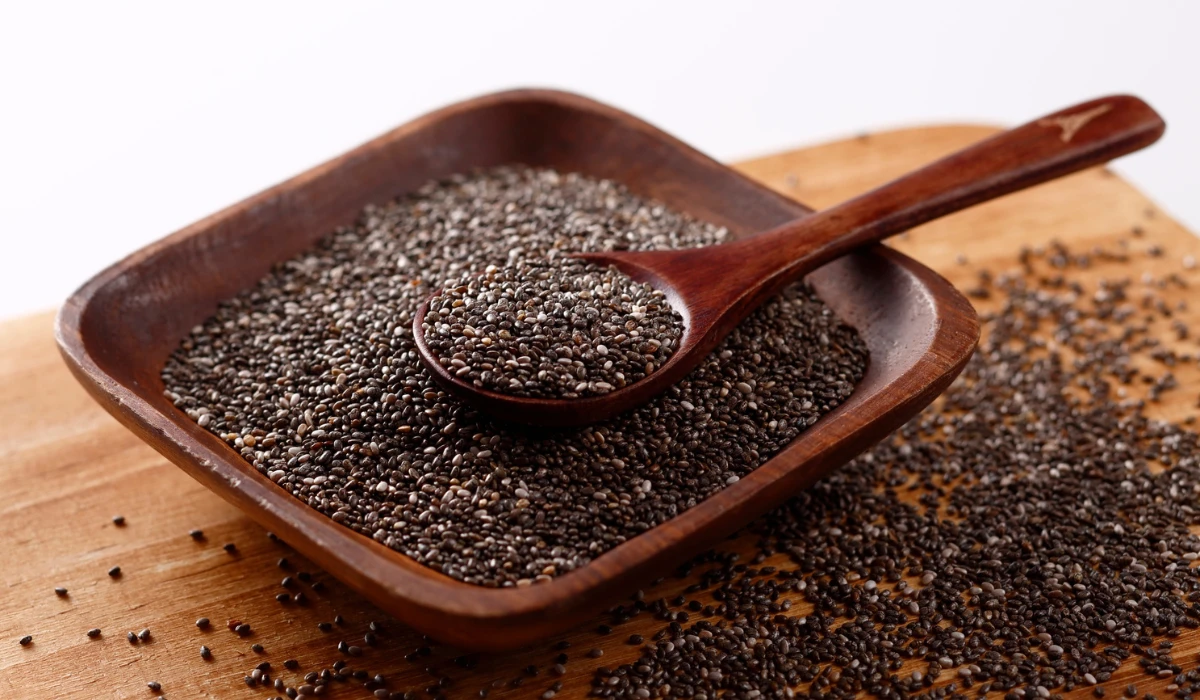
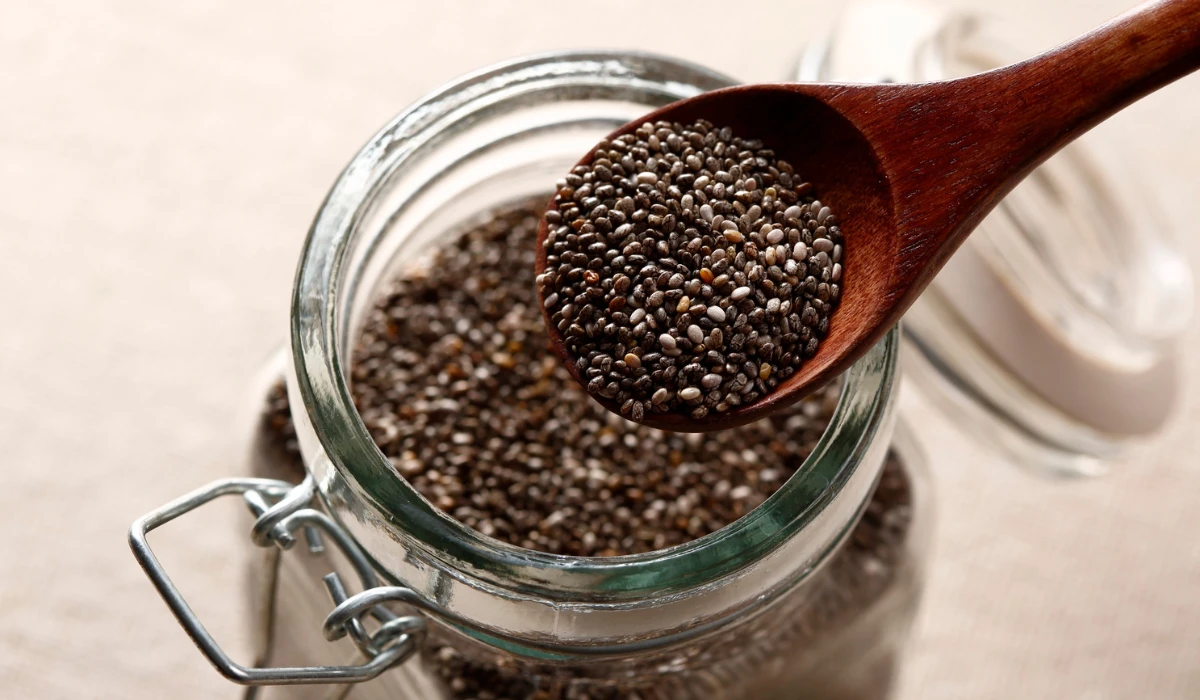
The seeds used in bariatric recipes are carefully chosen to maximize health benefits. Chia seeds absorb water and expand in the stomach, creating a feeling of fullness, while flaxseeds are loaded with lignans that have antioxidant properties, supporting overall heart and digestive health.
Pumpkin seeds provide magnesium, essential for energy production and bone health, and sunflower seeds offer additional protein and healthy fats.Beyond weight management, these seeds support heart health, improve gut microbiome, and reduce inflammation.
When incorporated into a bariatric diet recipe, they create a harmonious blend that nourishes the body while aligning with low-calorie and high-nutrition goals. Consuming these seeds regularly as part of weight loss recipes ensures that your diet remains effective, safe, and enjoyable.
Step-by-Step Preparation of the Bariatric Seed Mix
Although creating a bariatric seed recipe is simple, it still requires precision to retain nutritional value. Therefore, here’s a practical guide:
-
Ingredients: Chia seeds, flaxseeds, pumpkin seeds, sunflower seeds, optional spices (cinnamon, turmeric).
-
Measurement: Use equal parts of each seed, roughly 2 tablespoons each.
-
Mixing: Combine all seeds in a bowl. Add a pinch of cinnamon or turmeric for flavor and anti-inflammatory benefits.
-
Storage: Store in an airtight container in the refrigerator to maintain freshness and prevent rancidity.
This mix can be incorporated into smoothies, yogurt, salads, or baked goods, making it versatile for both low-calorie meals and weight loss recipes.
Creative Ways to Consume Your Bariatric Seed Recipe
By adding the seed recipe to daily meals, you can keep your diet varied and interesting. For example, some practical methods include:
-
Smoothies and shakes: Blend seeds with low-fat or plant-based milk for a filling drink.
-
Sprinkled on salads: Add a crunchy texture to leafy greens and vegetables.
-
Yogurt bowls: Mix seeds into Greek yogurt with fresh fruit for a protein-packed breakfast.
-
Baked goods: Include seeds in muffins, pancakes, or bread for fiber-rich meals.
-
Overnight oats: Combine seeds with oats, milk, and fruits for a nutrient-rich, low-calorie start to your day.
Overall, these methods make it easy to enjoy bariatric diet recipes without compromising taste or nutrition. Additionally, they help maintain variety and consistency in your meals.
Nutritional Benefits of the Bariatric Seed Recipe
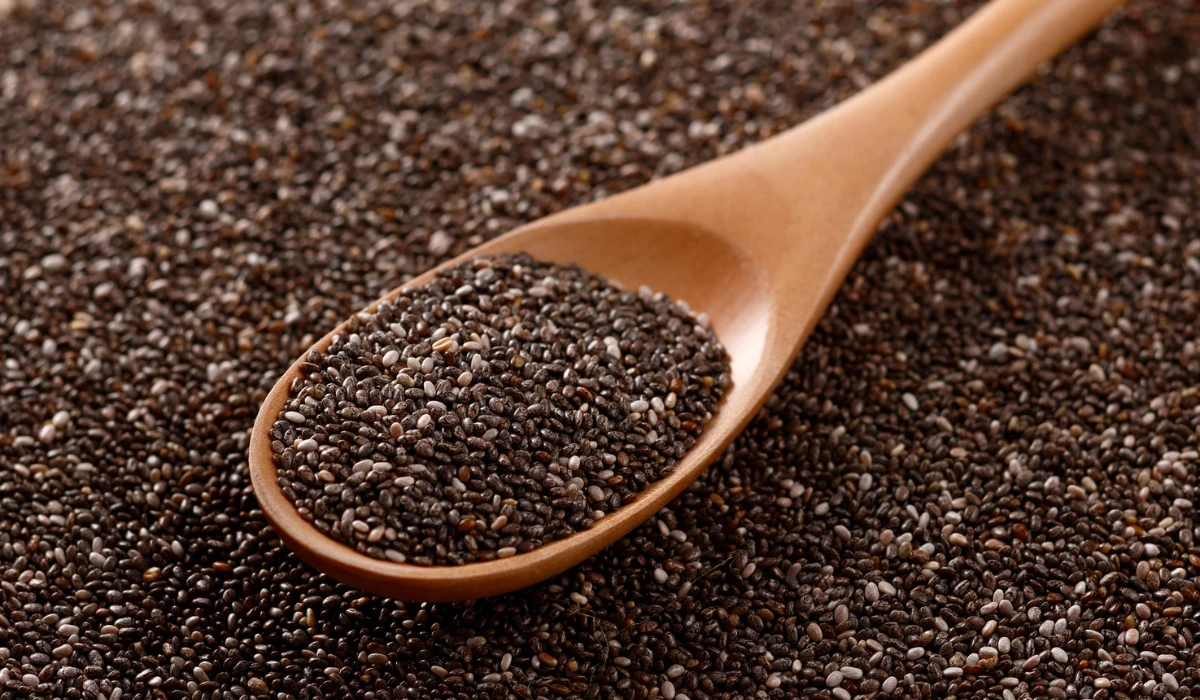
The bariatric seed recipe is nutrient-rich, aiding digestion, stabilizing blood sugar, and supporting weight management and overall health. Its fiber, protein, and healthy fats keep you full longer, while vitamins and minerals promote energy, immunity, and long-term wellness, helping you maintain a balanced and sustainable diet.
High-fiber foods aid digestion and promote a healthy gut, while seeds provide omega-3s for heart and brain health, and plant-based proteins support muscle recovery and sustained energy. Explore casual women’s essentials here to combine wellness with everyday style.
Vitamins such as E and B-complex and minerals like magnesium, zinc, and iron contribute to immunity, energy metabolism, and bone strength.Regular consumption as part of weight loss recipes or low-calorie meals can stabilize blood sugar, reduce inflammation, and support sustainable weight management without sacrificing flavor or variety.
Common Mistakes When Making Bariatric Seed Recipes
Even though bariatric diet recipes are simple, they can be less effective if done incorrectly. For example, common mistakes include:
-
Excessive portions: Too many seeds can increase calorie intake and cause digestive discomfort.
-
Skipping soaking: Chia and flax seeds need soaking to improve digestibility.
-
Improper storage: Air and heat exposure can make seeds go rancid.
-
Adding sugar or high-calorie toppings: Reduces the low-calorie benefit.
-
Neglecting portion control: Even healthy seeds contribute to weight gain if portions are ignored.
Avoiding these pitfalls ensures your low-calorie meal or weight loss recipe remains effective and safe.
Bariatric Seed Recipes for Busy Lifestyles
Preparing bariatric seed recipes for busy schedules is easy and convenient. Large batch preparation saves time while ensuring consistent nutrition.
-
Batch preparation: Mix and store seeds for a week’s use.
-
Portable snacks: Pre-portion seed packs for work, travel, or on-the-go meals.
-
Mix with other healthy snacks: Combine seeds with nuts or dried fruits in moderation.
-
Quick additions: Sprinkle seeds over ready-made meals like oatmeal or smoothie bowls.
-
Versatile cooking: Incorporate seeds into pancakes, protein bars, or baked goods for nutrient-rich, low-calorie meals.
This approach simplifies healthy eating while maintaining the nutritional integrity of your bariatric diet recipes.
Frequently Asked Questions (FAQs)
Q1: Can bariatric seeds help with weight loss?
Yes, the high fiber and protein content promote fullness, reduce overeating, and support effective weight management.
Q2: How often should I consume the seed recipe?
Typically, 1–2 tablespoons daily are recommended; however, adjust the amount according to your dietary needs and follow medical advice.
Q3: Are there any side effects?
Excessive intake may cause bloating or digestive discomfort. Gradually introduce seeds to your diet for best results.
Q4: Can I use other seeds?
Yes, seeds like sesame, hemp, or sunflower can be added based on taste and nutritional goals.
Conclusion: Transform Your Health With Bariatric Seeds
The bariatric seed recipe is a versatile, nutrient-rich addition to any bariatric diet recipe, low-calorie meal, or weight loss recipe plan. By providing essential nutrients, promoting satiety, and supporting metabolic health, it helps individuals maintain a balanced and satisfying diet.
Whether you eat them as a snack, use them as a meal supplement, or incorporate them into dishes, bariatric seeds offer both convenience and nutrition. In addition, they support weight management, boost energy, and promote healthy eating. For example, you can add seeds to smoothies, salads, baked goods, or yogurt bowls to enhance flavor and nutrition.
Regular consumption improves digestion, stabilizes blood sugar, and supports heart and brain health. They provide essential nutrients for post-bariatric diets or general wellness. Learn how diet choices affect lifestyle in our guide on alcohol on a carnivore diet. Overall, bariatric seeds make healthy eating simple and enjoyable.