This article explores the historical and culinary distinctions between Tex-Mex and authentic Mexican cuisines. It highlights how geography, immigration, and ingredient availability along the US-Mexico border shaped Tex-Mex into a unique American regional cuisine. Key differences analyzed include the use of yellow cheese vs. white cheese, flour vs. corn tortillas, and the heavy use of cumin in Tex-Mex compared to fresh herbs and diverse dried chilies in traditional Mexican cooking. The piece emphasizes that both styles hold significant value on the modern American table.
Tex-Mex vs Mexican Food: What’s the Real Difference?
For many food lovers across the United States, there is nothing quite like sitting down to a basket of warm tortilla chips, fresh salsa, and a steaming plate of enchiladas. But if you’ve ever found yourself debating whether your favorite dinner is genuinely traditional or a regional adaptation, you aren’t alone. When exploring the culinary landscape, understanding tex mex vs mexican food is essential for any true foodie looking to appreciate the rich histories behind these beloved flavors. While they share common roots, ingredients, and a deep love for spice, they represent two entirely distinct culinary traditions.

To help you navigate your next dining experience, this texmex food guide breaks down the real differences, the unique ingredients, and the shared heritage that shapes what we eat.
The Roots of the Border Food USA Story
To truly understand how these cuisines diverged, we have to look at geography and history. What we call Tex-Mex today didn’t start as a corporate trend or a fast-food invention; it began as an authentic regional style of home cooking.
For centuries, the area along the current Texas-Mexico border was a singular cultural zone. When Texas became part of the United States, the distinct style of cooking developed by the Tejanos (Texans of Mexican descent) began to blend traditional Mexican home recipes with American ingredients that were readily available through local trading posts. This unique fusion birthed a distinct category of border food usa style, which eventually spread across the nation.
For decades, this regional cooking was simply called “Mexican food” in the US. It wasn’t until food writers and culinary historians in the 1970s began drawing a line in the sand that the world started recognizing the distinction of authentic vs tex mex dishes.
The Core Ingredient Showdown
The easiest way to tell the difference between these two culinary giants is by looking closely at what is on your plate. The choice of cheeses, meats, grains, and spices tells the entire story of their geographic origins.
1. The Cheese Choice
-
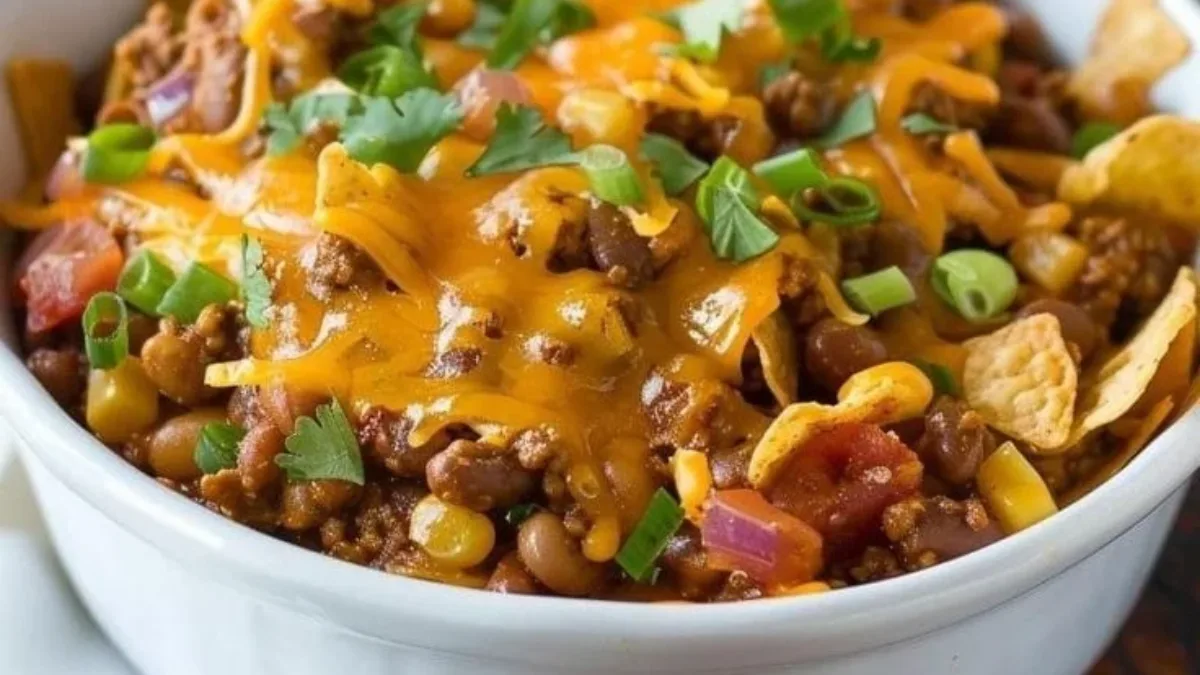
Tex-Mex: If your dish is covered in a blanket of melted yellow Cheddar, Monterey Jack, or liquid queso, you are firmly in Tex-Mex territory. Shredded yellow cheese is a signature trait of American regional adaptations.
-
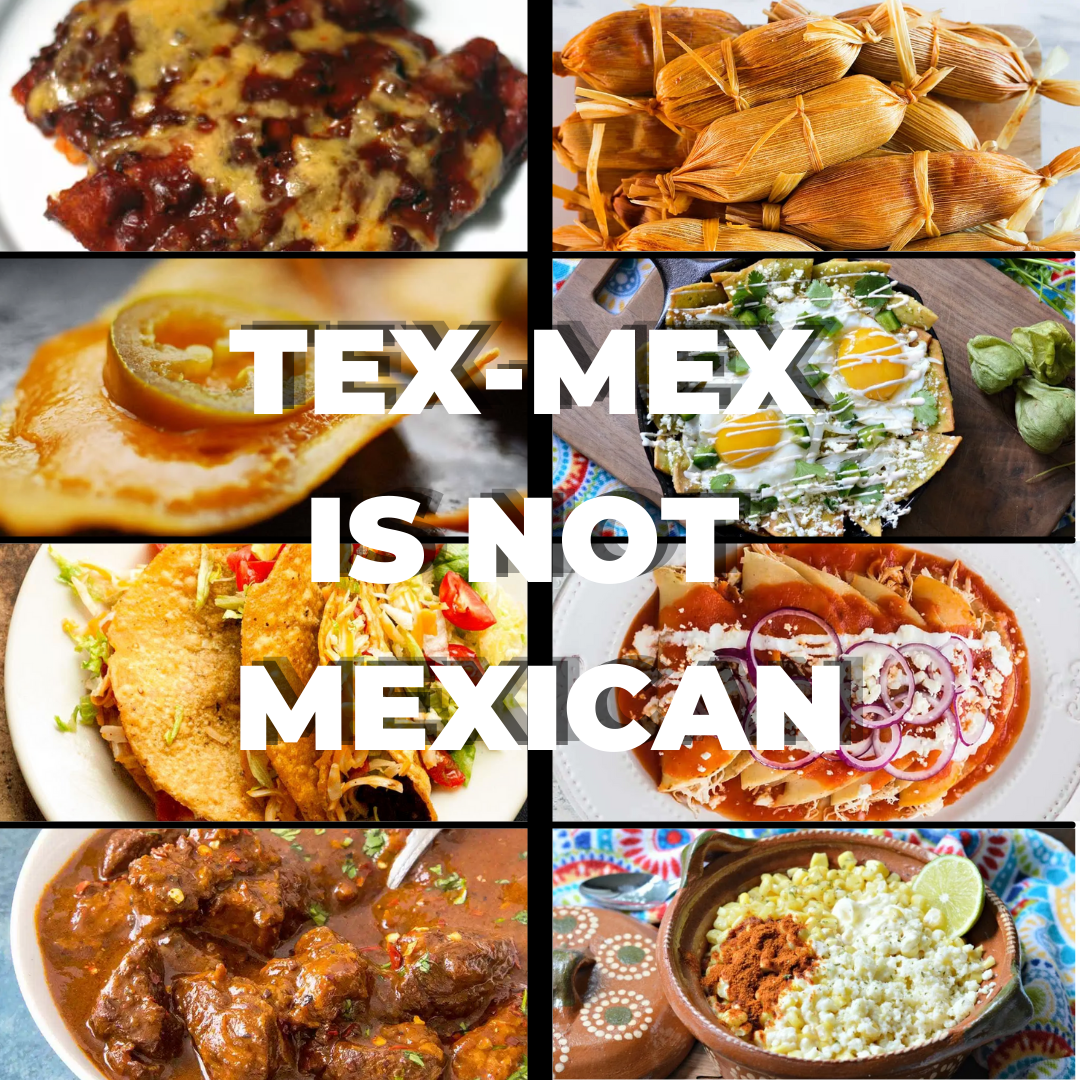
Mexican: Authentic Mexican cuisine rarely uses heavy, yellow cheeses. Instead, it relies on white, crumbly, and subtle cheeses like Queso Fresco, Cotija, Queso Oaxaca, or Asadero. These cheeses are used to complement dishes rather than overpower them.
2. Flour vs. Corn Tortillas
-
Tex-Mex: Flour tortillas are king here. Because wheat grew abundantly in the northern plains and across the Texas border, it became the staple grain for wrapping burritos, soft tacos, and fajitas.
-
Mexican: Corn is the sacred heart of traditional Mexican cuisine. Authentic dishes rely heavily on white, yellow, or blue corn masa to craft soft, fragrant corn tortillas for street tacos, tlacoyos, and tostadas.
3. Spices and Seasonings
-
Tex-Mex: Heavily relies on cumin. If you smell a strong, earthy aroma of ground cumin, you are eating Tex-Mex. Garlic powder, onion powder, and chili powder blends are also staples here.
-
Mexican: Relies heavily on fresh and dried whole herbs and chilies. Epazote, cilantro, Mexican oregano, and complex chili pastes (made from ancho, guajillo, and chipotle chilies) form the baseline of flavor. Cumin is used very sparingly, mostly in specific regional dishes from Northern Mexico.
Classic Dishes: Authentic vs Tex-Mex
Let’s look at how these differences play out in real life on the menu.
| Feature / Dish | Tex-Mex | Authentic Mexican |
| Tacos | Hard-shell tacos, ground beef, shredded cheddar, lettuce, and tomato. | Soft corn tortillas, diced cilantro, chopped white onions, and slow-cooked meats like Al Pastor or Carnitas. |
| Enchiladas | Heavily smothered in chili gravy and melted cheddar cheese. | Lightly dipped in rich mole, salsa verde, or salsa roja, topped gently with fresh crumbled queso fresco. |
| Sizzling Fajitas | Grilled skirt steak or chicken served on a sizzling iron skillet with bell peppers and onions. | A distinctly Texan invention; traditional equivalents are grilled meats like Carne Asada, usually served without the theatrical sizzle. |
When reviewing this texmex food guide, it becomes clear that neither style is superior—they simply serve different culinary purposes. One offers comfort, richness, and familiar American ingredients, while the other offers deep regional complexity, fresh herbs, and centuries of indigenous history.

Why Both Styles Belong on the American Table
There is an old misconception that Tex-Mex is just a “fake” version of Mexican food. In reality, Tex-Mex is its own legitimate, historic American regional cuisine. It deserves just as much respect as Southern BBQ, New England seafood, or Cajun cooking.
When analyzing border food usa, we are looking at the evolution of culture. As families moved, adapted, and shared meals across borders, their food changed to reflect the land they lived on. The debate over authentic vs tex mex shouldn’t be about choosing one over the other; it should be about appreciating what makes each unique. Whether you crave a slow-simmered Oaxacan mole or a comforting plate of cheesy beef enchiladas, both traditions bring incredible joy to the American dining table.
Conclusion
At Samppy, we believe that food is the ultimate way to connect cultures, share stories, and bring people together around the table. Understanding the nuances of tex mex vs mexican food allows us to be more intentional about what we eat and appreciate the incredible craftsmanship behind every kitchen tradition. Whether you are searching for the fiery kick of traditional street tacos or the ultimate comfort of a loaded burrito, recognizing these differences enriches your culinary journey. Keep exploring, keep tasting, and let Samppy guide you to your next unforgettable meal!
FAQs
1. Is Tex-Mex considered authentic Mexican food?
No, Tex-Mex is a distinct American regional cuisine that originated along the Texas-Mexico border. While it is inspired by Mexican culinary traditions, it uses different ingredients (like yellow cheese, wheat flour, and cumin) that are specific to US agricultural history.
2. What is the most famous Tex-Mex dish?
Sizzling fajitas, hard-shell ground beef tacos, chili con carne, and liquid queso dip are among the most famous Tex-Mex creations enjoyed throughout the United States.
3. Why does Tex-Mex food use so much cumin?
Cumin was brought to San Antonio, Texas, by Canary Island immigrants in the 18th century. It became a signature element of local chili recipes and Tejano home cooking, permanently setting it apart from traditional Mexican flavor profiles.
4. Are burritos Mexican or Tex-Mex?
While simple wrapped flour tortillas exist in Northern Mexico (often called burritos or flautas), the giant burritos stuffed with rice, beans, sour cream, and guacamole that are popular in the US are thoroughly a Tex-Mex and American evolution.