
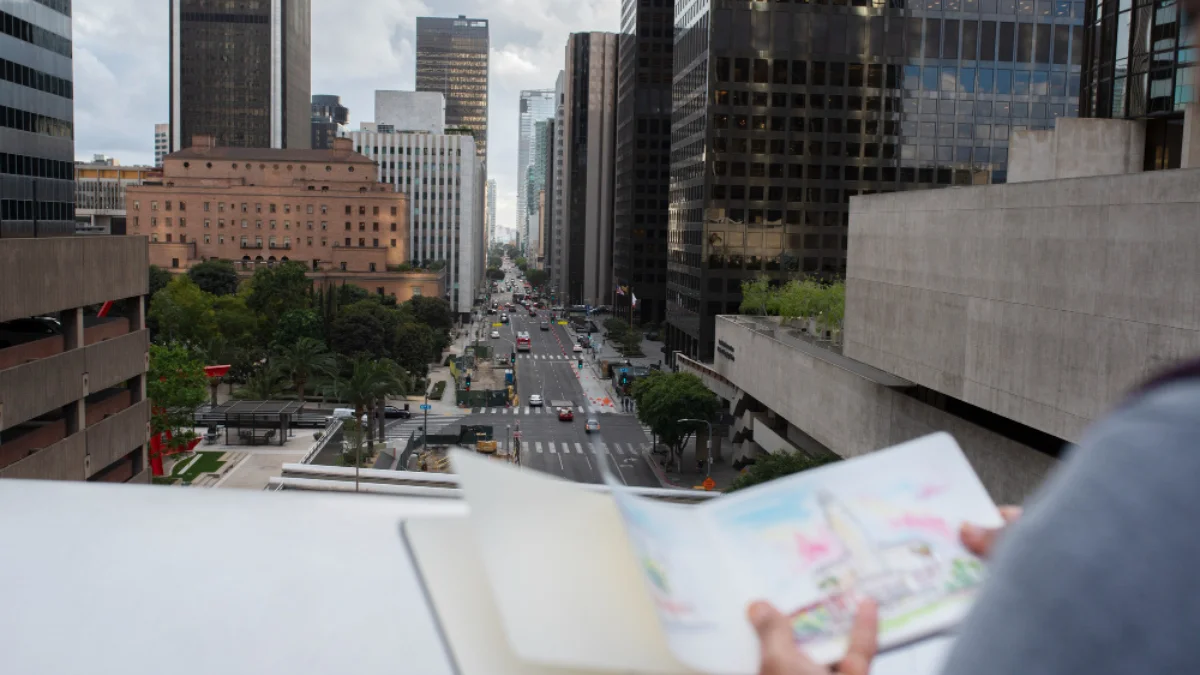
Planning a trip to New York is one of the most exhilarating adventures you can undertake, yet the sheer scale of the city can quickly feel overwhelming. As a premier global epicenter of culture, art, culinary innovation, and iconic architectural landmarks, the city changes rapidly. What worked for travelers a couple of years ago does not necessarily match the smart, tech-forward urban landscape of 2026.
To maximize your itinerary, avoid typical tourist pitfalls, and build an experience that flows seamlessly from arrival to departure, you need updated, real-world strategies. This comprehensive Samppy guide details everything you need to know about navigating transit systems, picking the perfect neighborhood base, mapping out major attractions, and stretching your budget across the five boroughs.
Planning a Trip to New York: Getting There

Getting to New York is as simple as the city has three major airports: JFK, LaGuardia, and Newark. Each serves international and domestic travellers with easy access to Manhattan and beyond. JFK remains the most popular option, especially for international arrivals.
Newark, located in New Jersey, is another hub, but further from central Manhattan. LaGuardia handles mostly domestic flights and is best if you are travelling from within the United States. Choosing the right airport often depends on where you plan to stay in the city.
JFK International Airport: The Global Gateway
For the vast majority of international and long-haul domestic travelers, JFK remains the primary destination. If you are flying into JFK, be aware that the airport is undergoing its most significant historical transformation. The stunning new Terminal 6 opens its initial boutique gates, alongside the monumental rollout of the New Terminal One (NTO). Because of these massive reconfigurations, you must double-check your airline’s specific terminal assignment before leaving home, as muscle-memory layouts have shifted.
Planning a Trip to New York: Airport Transport
Taxis are available at all airports with flat rates to Manhattan. Yellow cabs remain iconic and cost around $70 from JFK. Rideshare services such as Uber and Lyft are also widely used and may be cheaper during off-peak hours.
Public transport is the budget-friendly choice. Trains, buses, and subways connect each airport to Manhattan and Brooklyn. The AirTrain at JFK is a straightforward way to reach the subway lines without hassle.
Getting Around: Planning a Trip to New York
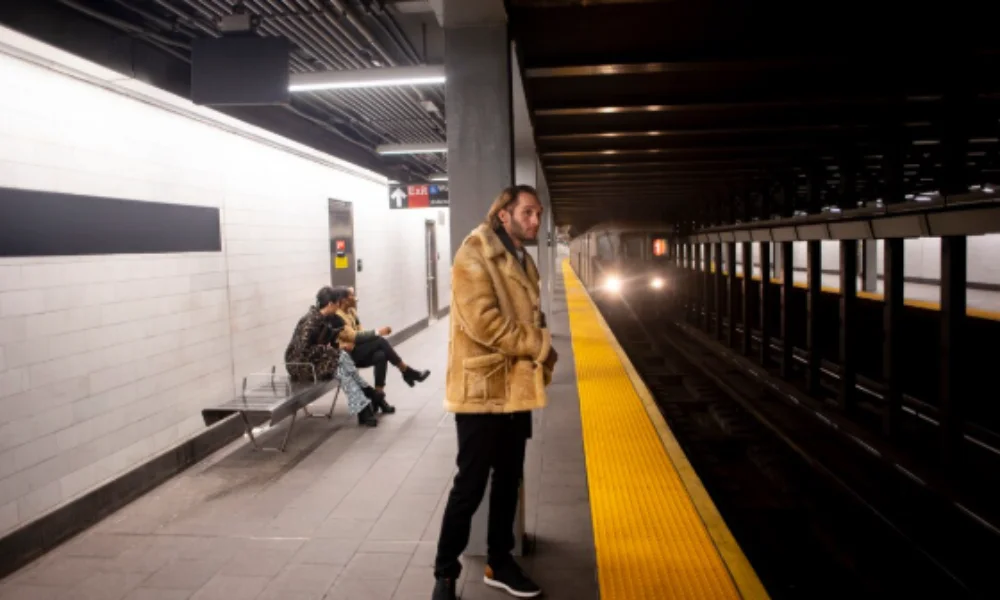
New York offers several transport options, making it easy to navigate. The subway is the fastest and most affordable way to travel between boroughs. A single ride costs under three dollars, and trains run 24 hours a day.
Taxis and rideshare apps are popular for short trips or when you are tired of walking. Walking, however, is often the best way to see the city up close. Many neighbourhoods are best explored on foot to enjoy the atmosphere.
Using the Subway in New York
The subway may look confusing at first, but it quickly becomes the easiest way to get around. Download a subway map or app to track routes in real time. Payment is simple with a MetroCard or contactless tap at the gate.
Peak times can be crowded, so try to travel outside rush hours. For first-time visitors, the subway also offers a real New York experience with diverse people and lively energy.
Alternative Ways to Explore New York
Cycling in New York has become more popular thanks to bike lanes and Citi Bike rentals. Central Park is perfect for a safe and scenic ride. Walking tours are another great option, especially in cultural neighbourhoods like Chinatown, SoHo, and Greenwich Village.
For sightseeing, hop-on-hop-off buses let you visit key attractions while enjoying guided commentary. They are more expensive than the subway, but useful if you want convenience and quick access to landmarks.
Where to Stay: Planning a Trip to New York

Accommodation in New York varies from luxury hotels to affordable hostels. Manhattan remains the top choice for first-time visitors as it is close to major attractions. Midtown is especially convenient but often busy and crowded.
Brooklyn offers a more relaxed vibe with trendy cafes and creative spaces. It is ideal for those who want culture and nightlife but at a slower pace. Areas like Williamsburg and Brooklyn Heights are popular among younger travellers.
Best Areas in Manhattan for First-Time Visitors
Midtown is packed with attractions, including Times Square, the Empire State Building, and Broadway. Hotels are plentiful, but they range widely in price. If you want convenience and excitement, Midtown is ideal.
Downtown Manhattan has neighbourhoods like SoHo and Greenwich Village. These areas are full of history, character, and stylish restaurants. Uptown, on the other hand, offers calm streets, Central Park, and cultural landmarks like museums.
Why Consider Staying in Brooklyn
Brooklyn is becoming increasingly popular for its charm and affordability. Williamsburg is full of art, music, and nightlife, while Brooklyn Heights provides stunning views of the Manhattan skyline. Staying here often gives a more local experience.
Transport links between Brooklyn and Manhattan are excellent. The subway makes commuting simple, so you can enjoy both boroughs during your stay. For many first-time visitors, Brooklyn offers the best balance of comfort and culture.
Top Attractions in New York for First-Time Visitors
New York is famous for its skyline, museums, parks, and entertainment. Each neighbourhood holds landmarks that have appeared in films, shows, and history books. Deciding where to start depends on your interests and time.
From towering skyscrapers to cultural hotspots, there is something for everyone. Buying a city pass can also save money on entry fees to popular attractions.
Iconic Landmarks Not to Miss
The Empire State Building offers panoramic views that stretch far beyond the city. Another popular viewing spot is Top of the Rock at Rockefeller Center. Both give unforgettable skyline experiences.
Walking across the Brooklyn Bridge provides breathtaking views of Lower Manhattan and the East River. Central Park, stretching across the city, is perfect for a relaxing escape. Each season brings unique beauty to its vast green spaces.
Cultural Highlights and Neighbourhoods
Times Square is a must-see for its neon lights and buzzing atmosphere. Although crowded, visiting at night is truly magical. Broadway theatres nearby host world-famous shows that capture the essence of New York entertainment.
Neighbourhoods like Chinatown and Little Italy offer vibrant food scenes. Greenwich Village provides artistic flair, while SoHo is known for shopping and galleries. Each area tells a different story about the city’s culture.
Best Museums in New York City
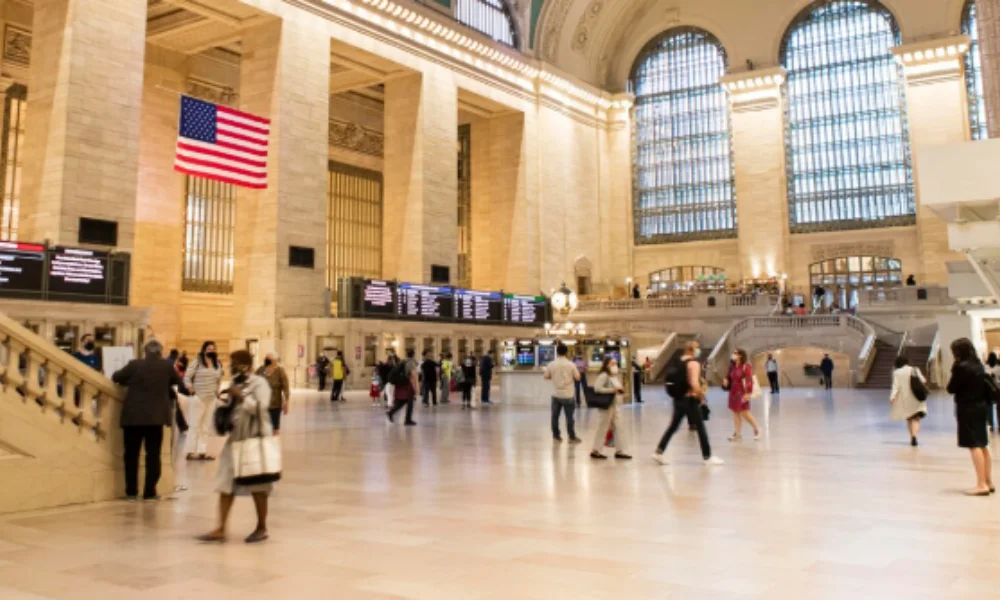
New York is home to world-class museums, making it a paradise for art and history lovers. Whether modern, classic, or cultural, there is a museum to match every interest.
The variety is immense, but certain museums are essential for first-time visitors. Each provides a different way to understand the city and its global influence.
Top Museums for First-Time Visitors
The Museum of Modern Art (MoMA) showcases a stunning collection of contemporary works. The Metropolitan Museum of Art is equally impressive, featuring thousands of years of global art.
The American Museum of Natural History is ideal for families and science lovers. Its exhibits bring the natural world to life with fascinating detail. These museums offer insight as well as entertainment.
Memorials and Unique Collections
The 9/11 Memorial and Museum is one of the most moving places in New York. It honours the victims and tells the story of the tragedy with respect and sensitivity.
The Guggenheim is another highlight, not just for its art but for its striking architecture. Even walking past the building feels like part of the experience. Together, these sites highlight the city’s cultural and historical depth.
Best Time for Planning a Trip to New York
New York is a year-round destination, but the season shapes your experience. Each time of year brings different weather, events, and crowds. Planning around the seasons ensures a smoother trip.
Spring and autumn are often the most comfortable with mild weather and fewer crowds. Summer is lively but hot, while winter is magical with festive lights and snow.
What to Expect in Each Season
Spring brings cherry blossoms to parks and pleasant outdoor conditions. Autumn offers beautiful foliage, especially in Central Park. Both seasons are ideal for sightseeing without extreme temperatures.
Summer attracts festivals, rooftop bars, and street events, but also higher hotel prices. Winter is cold but filled with holiday markets, ice skating, and the famous New Year’s Eve celebrations at Times Square.
Choosing the Right Season for Your Trip
If you prefer fewer crowds and lower prices, spring and autumn are the best times. Winter appeals to those who enjoy festive atmospheres, while summer suits those who thrive on energy and events.
Your choice depends on what experiences matter most to you. No matter the season, New York always offers something unique and memorable.
Tips for First-Time Visitors
Visiting New York for the first time requires preparation. Knowing the local customs and rules helps avoid surprises and ensures a smoother trip. From tipping to transport, a few simple tips go a long way.
Tourists should also consider time, budget, and convenience. These factors will help maximise enjoyment without stress.
Practical Travel Advice for New York
Always carry comfortable walking shoes, as you will walk more than expected. Download maps and transit apps before arriving to save time. Keep small bills for tipping in restaurants and taxis.
Book tickets for popular attractions in advance to skip long queues. Some locations, like Broadway shows and observatories, often sell out quickly.
Maximizing Value: Insider Money-Saving Tactics
While New York carries a reputation for being an expensive destination, it offers countless ways to save if you plan ahead.
-
Invest in Multi-Attraction City Passes: Bundled digital admission passes allow you to save up to 40% on collective entrance fees for major destinations like the Metropolitan Museum of Art (The Met), MoMA, and top-tier observatories.
-
Dine Locally in the Outer Boroughs: Step outside the immediate radius of major tourist corridors. Exploring the highly diverse food cultures of Jackson Heights in Queens or Sunset Park in Brooklyn yields authentic, world-class meals at a fraction of Midtown prices.
-
Utilize Regional Commuter Rails: Take advantage of the MTA’s CityTicket program, which offers flat-rate, discounted $5.25 off-peak tickets on the Long Island Rail Road (LIRR) and Metro-North for rapid travel within city limits.
Updated Insights for Planning a Trip to New York
In 2026, travel technology will have made visiting New York even easier. eSIMs are now common, letting you connect instantly without buying physical SIM cards. This saves time and ensures reliable navigation upon arrival.
Sustainability is also growing in importance. Many hotels, restaurants, and attractions now promote eco-friendly practices. Choosing green-certified options can make your trip more responsible and rewarding.
The city continues to evolve with new restaurants, cultural events, and festivals. Staying updated ensures your trip feels fresh, even if it is your first or fifth visit. With smart planning and open curiosity, New York never disappoints.
Conclusion: Crafting Unforgettable Urban Memories
Successfully planning a trip to New York requires a thoughtful balance between iconic landmarks and spontaneous local exploration. By preparing for the fully digital OMNY transit transition, keeping up with the modern terminal layout transformations at JFK, and organizing your days by distinct neighborhoods, you can experience the city confidently and efficiently.
At Samppy, we believe that the true magic of exploration lies in these precise details. Pack your most comfortable walking shoes, download your favorite digital transit apps, and prepare to immerse yourself in the unforgettable energy of the world’s most dynamic metropolis.
Frequently Asked Questions (FAQs)
Q1: Can I still buy a physical MetroCard at NYC subway stations?
No. As of 2026, the physical MetroCard system has been officially retired. You pay for all local subways and buses using the contactless OMNY system by tapping your credit card, debit card, or mobile wallet directly at the turnstiles.
Q2: What is the most cost-effective way to get from JFK Airport into Manhattan?
The most reliable budget-friendly option is taking the JFK AirTrain directly to the Jamaica Station transit hub, where you can easily transition to either the E-line subway or the Long Island Rail Road (LIRR) straight into the city center.
Q3: How does the weekly OMNY transit fare cap work for tourists?
The OMNY fare cap automatically limits your total weekly spending on local subways and buses to $35.00. Once you complete 12 individual taps using the exact same card or phone device within a 7-day period, all remaining rides are completely free.
Q4: Is it better for a first-time visitor to stay in Midtown or Brooklyn?
Midtown offers maximum convenience and walkable access to famous landmarks like Times Square and Broadway. Brooklyn provides a more relaxed lifestyle vibe, excellent local dining options, and stunning skyline views at a generally lower price point.
Q5: Should I buy tickets for Broadway shows and major observation decks in advance?
Yes, booking in advance is highly recommended. Popular Broadway performances and prime sunset viewing slots at major observatories like Summit One Vanderbilt frequently sell out weeks ahead of time.