Iceland is a dream destination featuring spectacular waterfalls, glaciers, volcanoes, black sand beaches, geothermal lagoons, and scenic road trips. This guide highlights the top attractions, exciting activities, itinerary suggestions, Northern Lights travel tips, and practical advice for first-time visitors. Whether you travel in summer or winter, Iceland offers unforgettable experiences for every kind of traveler.
Iceland is one of the world’s most breathtaking travel destinations, offering dramatic landscapes, powerful waterfalls, glaciers, volcanoes, and charming coastal villages. Whether you’re planning your first visit or returning to explore more, knowing the best places to visit in Iceland can help you create an unforgettable adventure. This guide covers iconic attractions, hidden gems, travel tips, and itinerary ideas to make your Iceland journey truly memorable.

Why Iceland Should Be on Every Traveler’s Bucket List
Iceland combines natural beauty with unforgettable outdoor experiences unlike almost anywhere else. From steaming geothermal springs to massive glaciers, every region offers something unique. Every season reveals breathtaking scenery that leaves visitors amazed and inspired forever. Whether you enjoy hiking, photography, wildlife, or road trips, Iceland promises memories that last a lifetime.
Unique Landscapes and Natural Wonders
Iceland is famous for its volcanic terrain, black sand beaches, lava fields, and sparkling ice caves. Travelers can experience waterfalls, glaciers, mountains, and geothermal pools within a single day. This incredible diversity makes it one of the world’s most photogenic destinations.
Best Seasons to Visit Iceland
Summer provides long daylight hours, making sightseeing and hiking easier. Winter attracts visitors hoping to witness the magical Northern Lights while enjoying snowy landscapes. Spring and autumn offer fewer crowds and excellent opportunities for scenic road trips.
Best Places to Visit in Iceland
The country is filled with spectacular destinations that appeal to every type of traveler. Whether you’re chasing waterfalls or exploring charming fishing villages, these locations deserve a place on your itinerary. Each destination showcases Iceland’s remarkable beauty through unforgettable landscapes and adventures together.
Reykjavik : Iceland’s Colorful Capital
Reykjavik is the perfect place to begin your Iceland adventure. The city features colorful houses, excellent museums, lively cafés, and the impressive Hallgrímskirkja Church. Don’t miss the Sun Voyager sculpture and the Harpa Concert Hall for fantastic photo opportunities.
The Golden Circle
The Golden Circle is Iceland’s most popular sightseeing route. It connects three iconic attractions that are easily accessible from Reykjavik.
Thingvellir National Park
This UNESCO World Heritage Site sits between the North American and Eurasian tectonic plates. Visitors can walk through dramatic rift valleys while learning about Iceland’s fascinating history.
Gullfoss Waterfall
Gullfoss is one of Iceland’s most powerful waterfalls. Watching the roaring water plunge into the canyon creates an unforgettable experience.
Geysir Geothermal Area
This geothermal region features bubbling hot springs and the famous Strokkur geyser. It erupts every few minutes, sending steaming water high into the air.
Blue Lagoon
The Blue Lagoon is among the country’s most famous geothermal spas. Relaxing in its warm mineral-rich waters after a day of sightseeing feels incredibly refreshing. Visitors often combine this stop with airport transfers because of its convenient location.
Seljalandsfoss Waterfall
Seljalandsfoss offers a unique opportunity to walk behind the waterfall during warmer months. The surrounding landscape creates beautiful photographs from every angle.
Skógafoss Waterfall
Skógafoss impresses visitors with its massive width and powerful cascade. On sunny days, rainbows frequently appear in the waterfall’s mist.
Reynisfjara Black Sand Beach
This famous beach features striking basalt columns and dramatic Atlantic waves. Visitors should always respect safety warnings because sneaker waves can be dangerous.
Vík Village
Vík is a charming coastal village surrounded by cliffs and volcanic landscapes. It serves as an excellent overnight stop during South Coast road trips.
Jökulsárlón Glacier Lagoon
Floating icebergs drift peacefully across this stunning glacier lagoon. Boat tours allow travelers to experience the icy landscape up close.
Diamond Beach
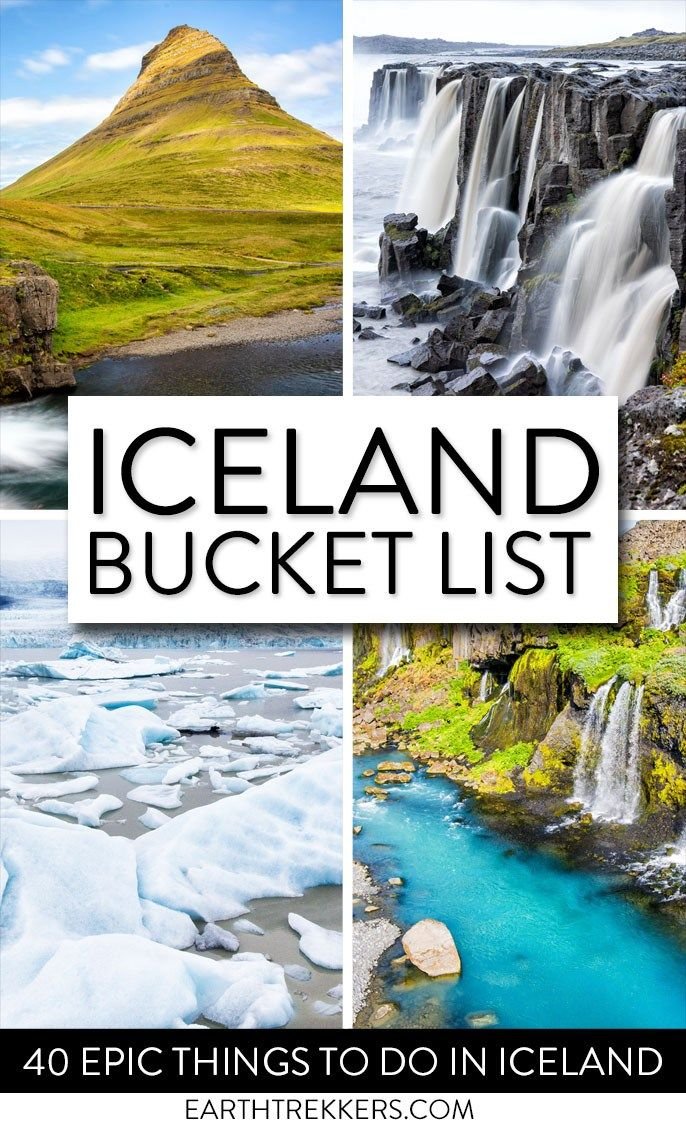
Located beside Jökulsárlón, Diamond Beach features sparkling ice chunks resting on black volcanic sand. The contrast creates one of Iceland’s most iconic photography locations.
Vatnajökull National Park
Home to Europe’s largest glacier, this national park offers glacier hiking, ice cave adventures, and breathtaking mountain scenery. Nature lovers can easily spend several days exploring its vast landscapes.
Snæfellsnes Peninsula
Often called “Iceland in Miniature,” this peninsula showcases volcanoes, lava fields, waterfalls, beaches, and charming fishing villages within one scenic region.
Kirkjufell Mountain
Kirkjufell is one of Iceland’s most photographed mountains. Combined with nearby Kirkjufellsfoss Waterfall, it creates an iconic postcard-worthy view.
Akureyri
Known as the Capital of North Iceland, Akureyri offers botanical gardens, whale-watching tours, and a relaxed atmosphere away from larger tourist crowds.
Húsavík
Húsavík is considered Iceland’s whale-watching capital. Visitors regularly spot humpback whales, minke whales, and dolphins during guided boat tours.
Westfjords
The Westfjords remain one of Iceland’s least crowded regions. Dramatic cliffs, peaceful villages, and spectacular waterfalls reward travelers willing to venture farther from popular routes.
Things to Do in Iceland
Beyond sightseeing, Iceland offers exciting outdoor experiences throughout the year. Adventure lovers and nature enthusiasts will never run out of activities to enjoy. Outdoor adventures create unforgettable memories for travelers seeking authentic Icelandic experiences together.
| Activity | Best Location | Best Season |
|---|---|---|
| Glacier Hiking | Vatnajökull | Summer & Winter |
| Ice Cave Tours | Vatnajökull | Winter |
| Whale Watching | Húsavík | Summer |
| Northern Lights Viewing | South Coast & North Iceland | September–March |
| Hot Springs | Blue Lagoon, Sky Lagoon | Year-round |
| Hiking | Landmannalaugar | Summer |
Suggested Iceland Itinerary
A well-planned Iceland itinerary helps maximize your experience while reducing unnecessary travel time. The country’s Ring Road connects many major attractions, making self-drive adventures popular. Choose an itinerary based on your available vacation days.

| Trip Length | Highlights |
|---|---|
| 3 Days | Reykjavik, Golden Circle, Blue Lagoon |
| 5 Days | South Coast, Vík, Glacier Lagoon |
| 7 Days | Complete Ring Road highlights including North Iceland |
Three-Day Adventure
Focus on Reykjavik, the Golden Circle, and the Blue Lagoon for an unforgettable short escape.
Five-Day Road Trip
Extend your journey along the South Coast to visit waterfalls, black sand beaches, and glacier lagoons.
Seven-Day Ring Road Journey
Experience Iceland’s diverse landscapes by driving the famous Ring Road around the island.
Northern Lights Iceland Travel Guide
The Northern Lights remain one of Iceland’s biggest attractions during winter. Clear skies and minimal light pollution provide the best viewing conditions. Patience and favorable weather greatly improve your chances of witnessing nature’s spectacle.
Travel between September and March for the highest chances. Popular viewing locations include Thingvellir National Park, Jökulsárlón Glacier Lagoon, and remote countryside areas away from city lights.
Iceland Travel Tips
Planning ahead makes your trip smoother and more enjoyable. Weather conditions change quickly, so flexibility is essential. Renting a vehicle gives travelers greater freedom to explore remote attractions safely.
| Travel Tip | Recommendation |
|---|---|
| Transportation | Rent a 4WD during winter |
| Clothing | Dress in waterproof layers |
| Currency | Carry a credit card for most purchases |
| Driving | Check road conditions daily |
| Packing | Bring hiking shoes and a waterproof jacket |
Best Time to Visit Iceland
Summer offers midnight sun, hiking opportunities, and easier driving conditions. Winter provides snowy scenery, ice caves, and the unforgettable Northern Lights. Spring and autumn balance pleasant weather with smaller crowds and lower accommodation prices.
Key Takeaways
- Iceland offers waterfalls, glaciers, volcanoes, beaches, and charming villages.
- The Golden Circle is ideal for first-time visitors.
- Jökulsárlón Glacier Lagoon and Diamond Beach are must-see attractions.
- A self-drive trip along the Ring Road covers Iceland’s highlights.
- Winter is perfect for Northern Lights, while summer suits hiking and road trips.
Conclusion
A trip to Iceland is much more than a vacation—it’s an opportunity to experience some of the most extraordinary natural landscapes on Earth. From the colorful streets of Reykjavik to the icy beauty of Jökulsárlón Glacier Lagoon, every destination offers unforgettable moments. Careful planning, the right itinerary, and seasonal preparation can help you make the most of your adventure. Whether you’re chasing waterfalls, relaxing in geothermal lagoons, or searching for the Northern Lights, Iceland delivers experiences that stay with you forever. At Samppy, we believe every bucket-list journey should inspire lifelong memories, and Iceland is undoubtedly one of the world’s greatest destinations to explore. For more nature-focused adventures, our guide to Switzerland follows a similar landscape-driven itinerary format.
Frequently Asked Questions
1. What are the best places to visit in Iceland?
Some of the best destinations include Reykjavik, the Golden Circle, Blue Lagoon, Seljalandsfoss, Skógafoss, Reynisfjara Beach, Jökulsárlón Glacier Lagoon, Diamond Beach, and Vatnajökull National Park.
2. How many days are enough for an Iceland trip?
Seven days are ideal for exploring the Ring Road, while three to five days are sufficient for the Golden Circle and South Coast.
3. When is the best time to visit Iceland?
Summer is excellent for hiking and sightseeing, while winter is best for viewing the Northern Lights and exploring ice caves.
4. Can I travel around Iceland without renting a car?
Yes, but renting a car offers the greatest flexibility. Guided tours are also available for major attractions.
5. Is Iceland expensive for tourists?
Yes, Iceland is generally considered an expensive destination. Planning accommodations, transportation, and meals in advance can help manage your travel budget.

Surbhi
@Surbhi | Surbhiithapaa@gmail.com