This blog post explores the rich and comforting culinary heritage of the American Midwest, highlighting how European immigrant roots shaped the region’s hearty comfort food traditions. It examines iconic regional plates like Minnesota’s tater tot hotdish and giant pork tenderloin sandwiches, while providing a closer look at the urban staples of Chicago and the unique traditions of Ohio. Ultimately, the piece showcases how community, nostalgia, and deep-rooted hospitality lie at the very heart of Midwestern dining culture.
When people think of American culinary capitals, their minds often drift straight to the coastal seafood of New England or the trendy, avant-garde eateries of California. However, if you truly want to understand the heart and soul of American comfort food, you have to look at the midwest food culture usa. Often stereotyped as just “flyover country” filled with endless cornfields, Middle America boasts a rich, diverse, and incredibly comforting culinary landscape. From bustling urban food halls to small-town diners, the food here is a reflection of history, community, and deep-rooted traditions.
So, what do people actually eat in the Heartland? Let’s dive into the flavors, history, and iconic dishes that define this unique region.
The Roots of Heartland Cuisine
To understand modern midwest food culture usa, you first have to understand its history. The region’s culinary DNA was shaped heavily by European immigrants—primarily German, Scandinavian, Polish, and Irish—who settled in the fertile plains during the 19th and 20th centuries.
These communities brought along their traditional cooking methods, adapting them to the abundant crops and livestock available in the American Midwest. The result? A food culture built around practicality, warmth, and sustenance. It’s a cuisine that doesn’t put on airs; instead, it focuses on hearty ingredients, shared meals, and portions designed to keep you satisfied through long, brutal winters.
Iconic Midwest Dishes You Need to Try
You can’t talk about Middle America without highlighting the specific, beloved midwest dishes that locals grew up eating. These aren’t just meals; they are cultural touchstones.
1. The Hotdish (Minnesota & North Dakota)
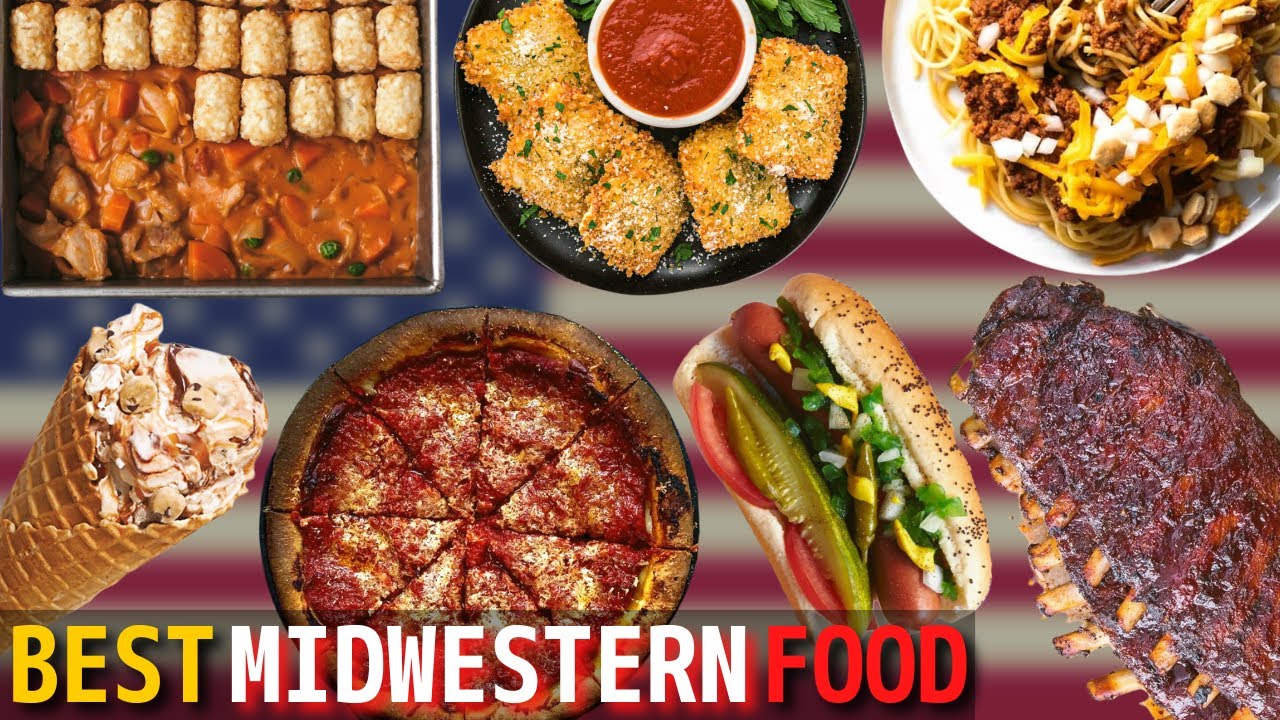
If you call it a casserole north of Iowa, you might get some funny looks. In the Upper Midwest, it’s a “hotdish.” The quintessential version is the Tater Tot Hotdish—a comforting mixture of ground beef, canned green beans or corn, and cream of mushroom soup, all topped with a neat, crispy layer of tater tots. It’s creamy, salty, and the ultimate potluck staple.
2. Pork Tenderloin Sandwiches (Indiana & Iowa)
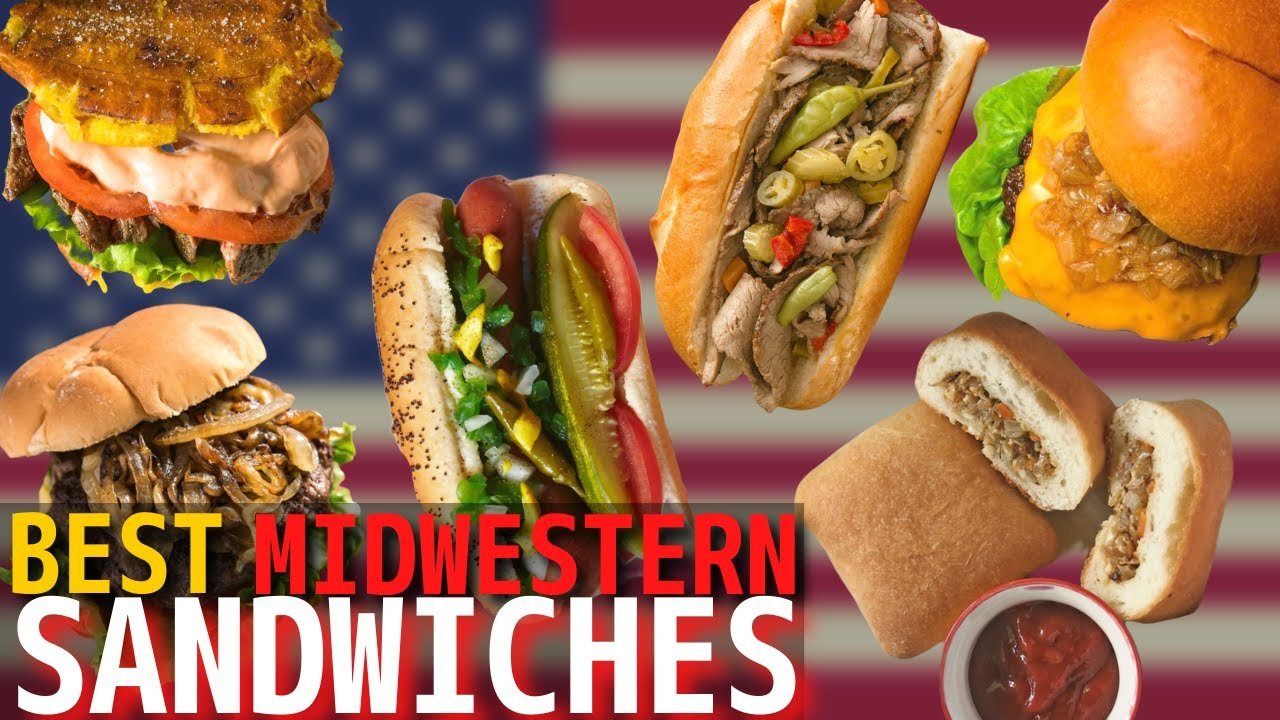
In Indiana and Iowa, size definitely matters when it comes to sandwiches. A classic pork tenderloin sandwich features a piece of pork that has been pounded out so thin and wide that it completely dwarfs the hamburger bun it sits on. It’s breaded, deep-fried to a golden crisp, and usually enjoyed with nothing more than pickles, mustard, and onions.
3. Kringle (Wisconsin)
Wisconsin’s official state pastry owes its existence to Danish immigrants. A Kringle is an oval-shaped, flaky Danish pastry filled with fruits, nuts, or cheese, and drizzled with sweet icing. It’s a mandatory addition to any holiday breakfast table or weekend morning coffee routine.
Deep-Diving Into Regional Traditions
While the region shares a love for comfort food, individual states and cities have carved out their own distinct identities. Two of the most influential hubs are Illinois and Ohio.
The Ultimate Chicago Food Guide
No exploration of the region is complete without looking at the Windy City. Chicago is a world-class culinary destination that perfectly bridges the gap between gritty comfort food and high-end dining. Any definitive chicago food guide must include these three essentials:
-
Deep-Dish Pizza: Thick, buttery crust, layers of mozzarella cheese, toppings like Italian sausage, and a vibrant tomato sauce packed on top. It’s a pie in the truest sense of the word.
-
The Chicago-Style Hot Dog: A all-beef frankfurter in a poppy seed bun, “dragged through the garden” with yellow mustard, neon green relish, chopped onions, tomato wedges, a pickle spear, sport peppers, and a dash of celery salt. (Just remember: never ask for ketchup!)
-
Italian Beef: Thinly sliced, seasoned roast beef simmered and served with au jus on a long Italian roll, typically topped with spicy giardiniera or sweet peppers. You can get it “dipped” or “wet” for the full, messy experience.
The Great Ohio Food Tradition
Moving eastward, the ohio food tradition brings its own quirky and delicious flavors to the table. Ohio’s culinary scene is a fascinating blend of Appalachian influences, German heritage, and urban innovation.
-
Cincinnati Chili: Perhaps the most famous (and debated) dish in the state. Unlike traditional Tex-Mex chili, Cincinnati chili is a Mediterranean-spiced meat sauce (featuring hints of cinnamon, allspice, and chocolate) served over spaghetti or hot dogs. Locals order it “3-Way” (spaghetti, chili, cheese), “4-Way” (adding onions or beans), or “5-Way” (adding both).
-
Buckeye Candy: Named after the state tree, Buckeyes are a beloved sweet treat consisting of peanut butter fudge partially dipped in milk chocolate to look like the buckeye nut. They are a staple at every tailgate and graduation party.
-
Barberton Chicken: Found in Northeast Ohio, this Serbian-style fried chicken is fried in lard, giving it a uniquely crisp, golden crust, and is traditionally served with a side of “hot rice” (rice cooked with tomato and spices).
Why Community Defines Midwest Dining
At its core, midwest food culture usa isn’t just about what is on the plate; it’s about how the food is shared. This is a region where the “potluck” is an art form. Whether it’s a church basement gathering, a neighborhood block party, or a backyard tailgate before a big football game, food is the ultimate social glue.
There is an inherent hospitality here. It’s the culture of offering a second helping before you’ve even finished your first, and making sure no guest ever leaves a house hungry. The flavors are nostalgic, designed to evoke a sense of home, warmth, and belonging.
Conclusion
The culinary landscape of Middle America is proof that great food doesn’t need to be overly complicated to be spectacular. From the iconic street eats found in a chicago food guide to the unique flavor profiles of the ohio food tradition, the region offers an incredibly rich tapestry of tastes. It is a cuisine rooted in history, perfected by generations, and defined by a sense of community.
Here at Samppy Food, we love celebrating the diverse culinary traditions that make American food so vibrant. Whether you are craving a massive fried pork tenderloin, a warm slice of Kringle, or a comforting plate of regional midwest dishes, there is no denying the comforting allure of the Heartland. Next time you travel through the middle of the country, skip the chain restaurants and dive straight into the local flavor—your tastebuds will thank you.
Frequently Asked Questions (FAQs)
1. What is the most famous food in the Midwest?
While it varies by state, some of the most famous foods include Chicago-style deep-dish pizza, Minnesota’s tater tot hotdish, Wisconsin cheese curds, and Indiana’s giant breaded pork tenderloin sandwich.
2. Why is Cincinnati chili served over spaghetti?
Cincinnati chili was invented by Macedonian immigrant restaurateurs in the 1920s. They adapted their traditional spiced meat stews to appeal to the local public by serving it over familiar American staples like spaghetti and hot dogs.
3. What makes a hotdish different from a casserole?
While technically similar, “hotdish” is a culturally specific term used primarily in Minnesota and North Dakota. A classic hotdish historically contains a starch, a meat, a vegetable, and a binder (like cream soup) baked together in a single pan as a main meal.
4. Are Wisconsin cheese curds eaten raw or fried?
Both! Fresh cheese curds are celebrated for their “squeak” when you bite into them and are eaten cold as a snack. However, deep-fried cheese curds—beer-battered and fried until melty—are a legendary appetizer found in pubs across the region.
5. How has immigration shaped midwest food culture usa?
German, Scandinavian, and Polish immigrants heavily influenced the region by introducing sausage-making, brewing traditions, dairy farming, and pastries. These traditions evolved over time into the classic comfort foods loved throughout Middle America today.