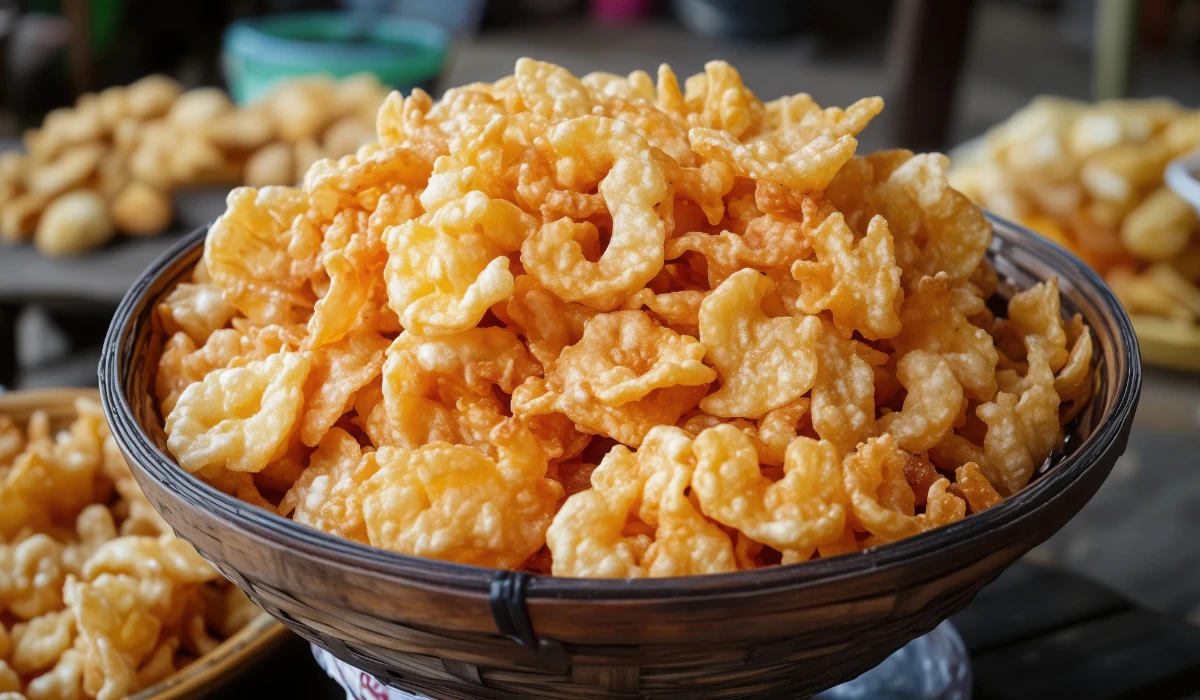
Pork rinds, also known as chicharrones, are a crunchy, savory snack loved worldwide. Making them at home not only ensures freshness but also gives you full control over flavor and texture. In this guide, we will show you how to make pork rinds recipe from scratch, creating the perfect snack whether for casual munching or gourmet serving. Food enthusiasts can also relate culinary experiences to travel, such as exploring Hamburg places to visit, combining taste and culture in one experience.
Understanding the Basics of Pork Rinds
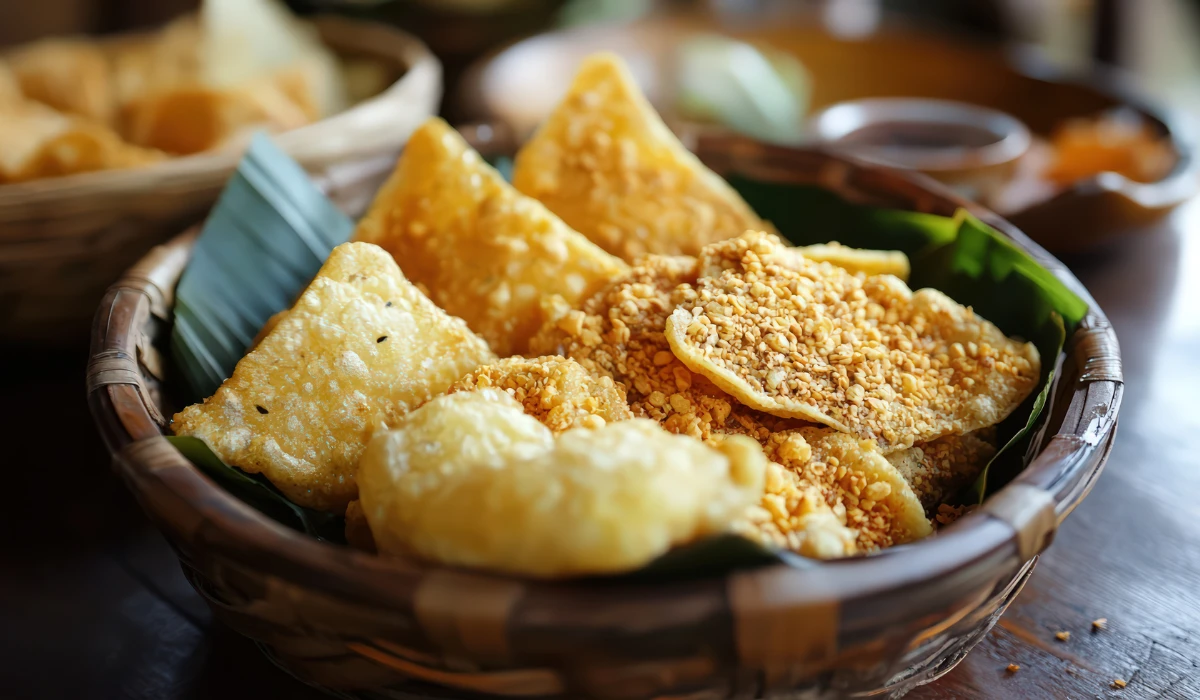
Before diving into the recipe, it’s important to understand what pork rinds are. Essentially, they are fried pieces of pork skin that puff up when cooked correctly. The goal is to achieve a texture that’s airy yet crunchy, with flavor ranging from lightly salted to richly seasoned depending on your preference.
Making pork rinds at home requires some preparation. The skin must be cleaned, trimmed, and dried, as excess fat can make the rinds greasy and prevent them from puffing properly. By mastering these basics, you are one step closer to learning how to make pork rinds recipe perfectly in your own kitchen.
Essential Ingredients for a Perfect Pork Rinds Recipe
The quality of ingredients plays a vital role in your homemade snack. Fresh pork skin is the key component, accompanied by seasonings and the right oil for frying. Using homemade seasonings rather than pre-packaged ones allows for a more flavorful and personalized experience.
Typical ingredients include fresh pork skin, salt, pepper, paprika, garlic powder, and oil with a high smoke point, such as peanut or vegetable oil. Seasoning contributes both to taste and to texture, ensuring your pork rinds are crisp, flavorful, and ideal for enjoying during a visit to Hamburg places to visit.
Preparing Pork Skin for Frying
Proper preparation of the pork skin is essential to achieve the desired crunch. Begin by cleaning and trimming the skin, removing excess fat for crispiness. Light boiling softens the skin, making it easier to cut into uniform pieces.
-
Boil pork skin for 30–40 minutes to tenderize.
-
Pat dry thoroughly to remove moisture that can cause oil splatters.
-
Cut into bite-sized pieces or strips for even cooking.
-
Optionally, season before frying to enhance flavor.
Thorough drying is especially important; well-dried skin puffs beautifully during frying, giving you the airy texture characteristic of perfect pork rinds.
Frying Techniques for Crispy Pork Rinds
Frying transforms pork skin into the signature crunchy snack. Maintaining the correct oil temperature and technique ensures even cooking, puffing, and optimal flavor.
-
Heat oil to 375°F (190°C) to maintain consistent frying temperature.
-
Fry pork skin in small batches to avoid lowering the oil temperature.
-
Stir occasionally to prevent sticking and ensure even cooking.
-
Fry until golden and puffed, about 3–5 minutes per batch.
-
Drain on paper towels and season immediately for best taste.
Using the right oil and consistent heat is vital. Overcrowding the pan can result in soggy rinds, while proper frying produces perfectly crisp, airy pork rinds. Understanding these techniques is an essential step in learning how to make pork rinds recipe like a pro.
Flavor Variations to Enhance Pork Rinds
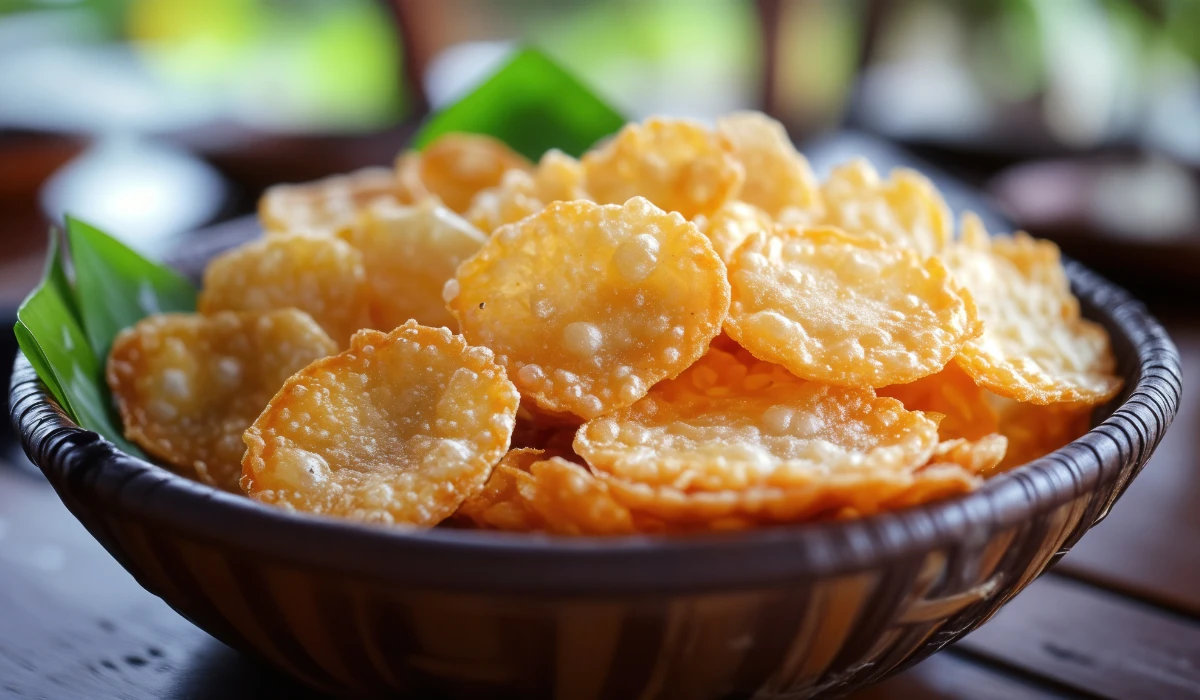
One of the joys of making pork rinds at home is experimenting with flavors. From spicy to sweet, the possibilities are endless. By creating your own seasoning blends, you can transform a simple snack into a gourmet delight, perfect for sharing with family and friends.
Popular variations include spicy Cajun with paprika and cayenne, barbecue with smoked paprika and brown sugar, or garlic-parmesan seasoning. Fusion flavors inspired by international cuisines can elevate your pork rinds, making them an exciting snack while exploring culinary culture in Hamburg places to visit.
Storing and Serving Pork Rinds
Proper storage ensures that your pork rinds remain crisp and flavorful. After frying, allow them to cool completely before storing in an airtight container to prevent moisture from ruining the crunch, keeping them fresh and ready to enjoy anytime.
Pork rinds are versatile in serving. They can be enjoyed with dips like guacamole or salsa, sprinkled over salads and soups, or used as crunchy toppings for dishes such as mac and cheese. This versatility makes homemade pork rinds ideal for casual snacking or for impressing guests.
Health Tips and Nutritional Considerations

Although pork rinds are high in protein and fat, they are calorie-dense. Consuming them in moderation is key. Homemade versions tend to be healthier than store-bought options because you control oil and seasoning. For more tips on healthy lifestyle and snacking choices, check out Indie Style Men for inspiration.
Choose lean pork skin, use healthy oils such as avocado or peanut oil, and season with herbs rather than excessive salt. With these tips, you can enjoy pork rinds responsibly while traveling or sampling local flavors, such as those found in Hamburg places to visit.
Common Mistakes When Making Pork Rinds
Even experienced cooks can encounter pitfalls when making pork rinds. Awareness of these common mistakes ensures consistent, high-quality results.
-
Overcrowding the pan: leads to uneven cooking and soggy textures.
-
Insufficient drying: moisture prevents puffing and crispiness.
-
Incorrect oil temperature: too hot burns the rinds; too cold results in greasy textures.
-
Ignoring seasoning: flavor is just as important as texture.
Avoiding these pitfalls guarantees homemade pork rinds that are perfectly crispy, flavorful, and satisfying every time. Learning these mistakes is an essential part of mastering how to make pork rinds recipe.
FAQs
Q1: Can I bake pork rinds instead of frying?
Yes, baking is possible, though results may not puff as much as frying. Ensure proper drying and use high heat.
Q2: How long do homemade pork rinds last?
Stored in an airtight container at room temperature, they last 4–7 days. Avoid refrigeration, which can make them soggy.
Q3: Are pork rinds keto-friendly?
Yes, they are high in protein and fat with minimal carbs, making them suitable for keto diets.
Conclusion
Making pork rinds at home is both satisfying and delicious. By following proper preparation, frying, seasoning, and storage techniques, you can achieve crispy, flavorful pork rinds. Experimenting with flavor variations adds excitement and allows you to customize your snack.
Pairing culinary experiences with travel enhances enjoyment. Sampling local foods while exploring destinations, such as Hamburg places to visit, allows you to immerse yourself in culture and cuisine simultaneously. For more ideas on local dining experiences, check out restaurants in Safford to discover top spots and must-try dishes.
With attention to detail, creativity in seasoning, and proper cooking methods, you can confidently make professional-quality pork rinds at home, impress family and friends, and savor every perfectly crunchy bite, while experimenting with flavors to suit your taste.