America’s culinary identity is best understood through its food rather than its landmarks, as each region reflects a blend of cultural heritage, immigrant influence, and modern innovation. From street food stalls to refined dining spaces, the country offers an unmatched diversity of flavors that tell its story in a deeply immersive way. This guide highlights how food travel in 2026 goes beyond simply finding great meals, focusing instead on discovering cities where cuisine is shaped by authenticity, local traditions, and evolving culinary trends.
A true foodie destination is defined by more than just popular restaurants; it requires a strong cultural foundation, signature dishes, vibrant markets, and a balance between accessibility and high-end experiences. While iconic cities like New York, Chicago, and New Orleans continue to dominate the culinary scene, emerging destinations such as Houston, Nashville, and Portland are redefining America’s food landscape with innovation and diversity. By combining strategic travel planning with a sense of curiosity, travelers can experience both established culinary hubs and hidden gems, gaining a richer understanding of the country’s dynamic and ever-evolving food culture.
Introduction
If you want to truly understand the soul of the United States, put down the guidebook and pick up a fork. While landmarks like the Statue of Liberty or the Grand Canyon offer a visual history, America’s real story is told on its local plates. The USA is one of the most culinarily diverse countries on Earth—a massive, simmering pot of indigenous traditions, immigrant legacies, and bold modern innovation. The best way to experience this land is not through a car window, but through the steam of a street-side taco or the refined atmosphere of a farm-to-table bistro.
This isn’t just about where to find a good meal; it’s about discovering the best foodie travel destinations in the USA for 2026. Whether you are chasing the high-low split of Michelin-starred tasting menus and historic street stalls or looking for the next big culinary “it” city, this guide has you covered. We are moving beyond the surface-level recommendations to bring you an up-to-date, practical food travel guide for 2026 that explores iconic heavyweights, rising stars, and the hidden gems currently reshaping the American palate.
What Makes a City a True Foodie Destination?
Before we pack our bags, we need a framework. A true food destination isn’t just a place with a high concentration of restaurants. In 2026, the elite tier of food cities is defined by the depth of its food culture. We look for five specific pillars: immigrant influence, signature dishes, local markets, the farm-to-table pipeline, and accessibility.
The best food cities are those where global flavors aren’t just “available” but have become part of the local DNA—think Viet-Cajun in Houston or the Polish influence in Detroit. We also prioritize cities with signature dishes that simply cannot be replicated with the same authenticity anywhere else. The presence of historic hubs like Reading Terminal or the Ferry Building acts as the city’s culinary heart, providing a bridge between the producer and the consumer. Finally, a true foodie destination offers a mix of high-end dining and a vibrant street food scene, ensuring that great flavor is accessible at every price point.
The Foodie’s Evaluation Matrix
| Pillar | What to Look For | Why It Matters |
| Immigrant Influence | Ethnic enclaves (e.g., Koreatown, Little Ethiopia) | Drives innovation and authentic global flavors. |
| Signature Dishes | Iconic “must-eats” unique to the city | Defines the city’s culinary history and pride. |
| Local Markets | Public food halls and farmers’ markets | The central nervous system of the local food scene. |
| Supply Chain | Direct farm-to-table partnerships | Guarantees freshness and supports local ecology. |
The Classic Heavyweights: Iconic Best Food Cities USA
These four cities are the pillars of American gastronomy. If you haven’t visited them lately, their 2026 iterations offer more than just the classics.
New Orleans, Louisiana: The Soul of the South
NOLA is arguably the only city in the USA with a completely unique, indigenous cuisine. While you must have gumbo and beignets, the real 2026 movement is happening in neighborhoods like the Tremé and Bywater. Here, younger chefs are deconstructing Creole traditions, focusing on heritage crops and Afro-Caribbean roots to create “New Creole” dishes. Look for menus featuring local bayou ingredients paired with modern fermentation techniques.
New York City: The Global Melting Pot
You know the pizza and the bagels, but the true best food cities USA experience in NYC requires leaving Manhattan. Head to Flushing, Queens, for the most authentic regional Chinese food outside of Asia, or wander Arthur Avenue in the Bronx for “Real Italy”—where the cannoli and handmade pasta put the tourist traps of Lower Manhattan to shame. In 2026, the outer boroughs are the real heartbeat of the city’s culinary innovation.
San Francisco: The Garden of America
The birthplace of the modern farm-to-table movement continues to lead through the Ferry Building Marketplace. Beyond the iconic sourdough, San Francisco is currently obsessed with “hyper-regionality”—restaurants dedicated solely to specific provinces in Mexico or tiny coastal villages in Japan. The proximity to Napa and Sonoma ensures that the wine pairings are just as locally sourced as the micro-greens on your plate.
Chicago: The Midwestern Powerhouse
The deep-dish debate will never die, but Chicago’s real strength lies in its diversity and its fine-dining dominance. Visit Thai Town on Argyle Street for spicy, funky Isan-style dishes, or explore the West Loop’s “Restaurant Row.” For a quick bite, the Chicago-style hot dog—dragged through the garden and never topped with ketchup—remains a must try food in the USA.
Rising Stars & Hidden Gems: Where to Eat in 2026
To differentiate your 2026 itinerary, look toward the “Rising Stars” and “Hidden Gems.” These cities are currently undergoing a culinary renaissance.
| City | The “Hook” | Must-Visit Spot / Area |
| Houston, TX | Global Diversity | Bellaire Blvd (Viet-Cajun & Dim Sum) |
| Nashville, TN | Elevated Southern | 12 South “Restaurant Row” |
| Detroit, MI | Immigrant Revival | Dearborn (Middle Eastern) |
| Santa Fe, NM | High-Desert Fusion | Canyon Road (Chile-focused) |
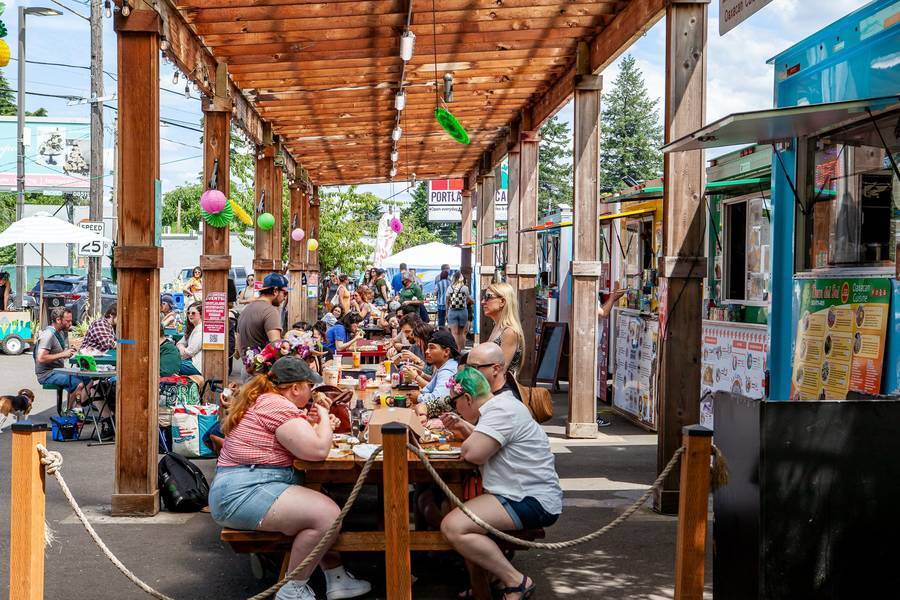
| Portland, OR | Food Cart Culture | Alder Street / Hawthorne pods |
Nashville & Portland: The New Elite
Nashville has evolved into a serious culinary contender. The 12 South neighborhood is booming, featuring James Beard nominees who are turning Southern pantry staples into high art. Meanwhile, Portland earns its spot through an obsessive food cart culture that has become a model for the rest of the country. In 2026, these carts are incubators for world-class coffee and sustainable sourcing.
Houston & Austin: The Texas Titans
Houston is arguably the most diverse food city in America—a true global destination where Vietnamese, Nigerian, Tex-Mex, and Indian cuisines coexist. Austin, conversely, goes far beyond its BBQ roots. While the central Texas brisket is still a pilgrimage-worthy experience, the city is currently exploding with a fine-dining scene that rivals New York, from sophisticated taco omakases to live-fire cooking.
Must Try Foods USA: A Signature Dish Bucket List
If you are planning a culinary travel USA trip, these are the iconic dishes that define their respective regions. You haven’t truly visited these cities until you’ve tasted these:
-
New Orleans: Crawfish Étouffée – A rich, buttery, and deeply spiced stew that captures the essence of the bayou.
-
New York City: The NY-Style Slice – Thin, foldable, and best eaten standing up on a street corner.
-
Chicago: Italian Beef Sandwich – Thinly sliced roast beef, simmered in au jus, and served “dipped” with spicy giardiniera.
-
Nashville: Hot Chicken – Fried chicken with a cayenne-heavy coating that will test your limits.
-
Houston: Breakfast Tacos – Handmade flour tortillas filled with chorizo, eggs, and fresh salsa.
-
Philadelphia: Roast Pork Sandwich – The “real” Philly sandwich, featuring slow-roasted pork and garlicky greens.
-
Kansas City: Burnt Ends – The flavorful, charred tips of a smoked beef brisket.
-
Santa Fe: Green Chile Cheeseburger – A spicy, savory twist on the American classic.
-
Detroit: Coney Island Hot Dog – Topped with a unique beanless chili, mustard, and onions.
How to Plan Your Culinary Travel USA Trip
A food-focused trip requires a different strategy than a standard vacation. Here is how to master your food travel guide 2026 itinerary:
First, research food festivals before you book. Cities like Austin, New Orleans, and Aspen host world-class annual events that can define your entire trip. Second, book a food tour on your first day in a new city. It serves as an orientation tool, helping you identify which neighborhoods have the best walkable access to hidden gems.
Budgeting is also key. A rewarding food trip should be a “high-low” experience. Balance one or two expensive, James Beard-level dinners with days spent exploring local markets and street food stalls. Finally, use apps like Yelp, Eater, and The Infatuation to find “hot lists,” but don’t be afraid to ask locals for their favorite “hole-in-the-wall” spots.
Seasonal Food Calendar 2026
| Season | Best Destination | Why? |
| Winter | New Orleans, LA | Mardi Gras & Crawfish season begins. |
| Spring | Austin/Houston, TX | BBQ & Taco circuit festivals. |
| Summer | Portland, OR | Peak harvest for berries and outdoor dining. |
| Fall | Nashville, TN | Launch of ambitious new autumn menus. |
America’s food culture is as diverse, deep, and worth traveling for as any destination in the world. From the smoky pits of Kansas City to the refined coastal kitchens of Savannah, every meal is an opportunity to connect with the history and the people of a specific place. The best foodie travel destinations in the USA are not always the ones on every top-ten list—sometimes the most memorable meals happen in a city nobody told you to visit, in a small stall you found by following your nose.
As you plan your 2026 culinary travel itinerary, remember that the most important ingredient is curiosity. Don’t just stick to the famous spots; venture into the rising stars and hidden gems. Pick one city from each section of this guide, and you will walk away not just full, but with a profound understanding of the vast, delicious landscape that is American cuisine. Your adventure starts at the next table.
Conclusion:
America’s food culture is as diverse, deep, and worth traveling for as any destination in the globe. From the smoky pits of Kansas City to the refined coastal kitchens of Savannah, every meal is an opportunity to connect with the unique history and the resilient people of a specific place. The best foodie travel destinations in the USA are not always the ones on every top-ten list—sometimes the most memorable meals happen in a city nobody told you to visit, discovered in a small stall by following your nose rather than a map. 2026 is the year to move beyond the tourist traps and engage with the authentic, localized flavors that define the American spirit.
As you plan your 2026 culinary travel itinerary, remember that the most important ingredient is curiosity. Don’t just stick to the famous heavyweights; venture into the rising stars and the hidden gems where innovation is happening in real-time. Pick one city from each section of this guide, and you will walk away not just full, but with a profound understanding of the vast, delicious landscape that is American cuisine. Whether it’s a high-desert chile in Santa Fe or a hyper-local sourdough in San Francisco, your next great culinary adventure starts at the very next table.
Frequently Asked Questions (FAQs)
1. What is the best way to find “underrated” food spots in a new city?
Look for neighborhoods with a high density of immigrant-owned businesses or areas near universities. Alternatively, check the “Eater 38” list for a specific city, but pay special attention to the places located outside the main downtown or tourist zones, as these are often where local chefs eat.
2. Are food tours worth the investment for a culinary traveler?
Absolutely, especially on your first day in a new destination. They provide a curated “best-of” experience and allow you to sample multiple signature dishes in a short amount of time. This gives you a better idea of which specific flavors or neighborhoods you want to return to for a full, sit-down meal later in your trip.
3. How do I handle dietary restrictions while traveling for food in the USA?
Modern American food cities are incredibly accommodating. Cities like Portland, Austin, and San Francisco lead the way in vegan, keto, and gluten-free options. It is always best to check menus on apps like Yelp or The Infatuation beforehand, and for fine-dining reservations, calling 24 hours in advance ensures the kitchen can prepare something spectacular for you.
4. How far in advance should I book reservations at famous “Heavyweight” restaurants?
For iconic spots in New York, Chicago, or New Orleans, you should look for reservations at least 30 to 60 days in advance. However, many of the best spots in this guide—specifically the BBQ pits in Kansas City or the food carts in Portland—operate on a first-come, first-served basis, so arriving 30 minutes before opening is your best strategy.
5. What is the “7.5% FET” sometimes mentioned in travel cost guides?
The Federal Excise Tax (FET) typically refers to costs associated with private aviation or luxury charters. While it doesn’t apply to your restaurant bill, you should be mindful of local “Hospitality Taxes” in cities like Chicago or Nashville, which can add a small percentage to your final dining or hotel bill to support local tourism infrastructure.