
If you are looking for a nutrient-rich, clean, and entirely natural meal option for your furry best friend, a homemade deer meat dog food recipe might be exactly what your kitchen is missing.
As pet parents, we are increasingly turning away from heavily processed commercial kibble containing mysterious fillers and artificial preservatives. Venison (deer meat) stands out as an elite, ultra-lean, premium protein source that is naturally hypoallergenic. It is highly beneficial for dogs suffering from severe food sensitivities, environmental allergies, or those maintaining highly active lifestyles.
In this comprehensive culinary guide, we will break down the science behind why deer meat is an incredible dietary choice for dogs, how to safely handle and cook wild game, the vital nutritional balancing acts you must consider, and a step-by-step recipe your dog will absolutely love.
Why Choose a Deer Meat Dog Food Recipe?
Deer meat offers profound dietary advantages when utilized as the foundational protein in homemade dog food. Unlike factory-farmed cattle or poultry, wild or humanely raised deer feed on a natural diet of grass, leaves, and shrubs. This makes their meat incredibly clean and free from added antibiotics, growth hormones, and artificial elements.
Venison is naturally low in saturated fats but exceptionally high in vital micronutrients like iron and B vitamins. Because it is highly digestible, it is incredibly gentle on canine stomachs. If your pup struggles with chronic scratching, hot spots, or digestive upset caused by common commercial proteins like chicken or beef, venison acts as an ideal “novel protein” to reset their gut health.
By taking a DIY approach to your dog’s bowl, you gain total transparency over what they ingest, helping you craft a clean-eating lifestyle tailored to their specific wellness needs. If venison isn’t easily available in your area, our homemade dog food recipe guide covers other clean, whole-food protein alternatives that follow the same DIY philosophy.
Deer Meat Dog Food Recipe: Nutritional Benefits of Venison for Dogs
When prepared properly, deer meat is one of the most balanced, biologically appropriate red meats you can offer a canine. Let’s look closely at its core nutritional breakdown:
1. High Protein Content for Lean Muscle Retention
Venison is packed with amino acids, which serve as the primary building blocks for cellular repair, tissue growth, and lean muscle retention. This is especially vital for working breeds, athletic dogs, or senior pups trying to stave off age-related muscle wasting.
2. Naturally Lean and Low in Saturated Fat
Compared to commercial beef or pork cuts, venison contains a fraction of the fat content. This makes it an extraordinary option for dogs requiring strict weight management, those prone to bouts of pancreatitis, or older dogs needing a cardiac-friendly diet.
3. Abundant in Vital Vitamins and Minerals
Wild game is uniquely rich in bioavailable micronutrients:
-
Iron: Supports healthy red blood cell production and oxygen transport throughout the body.
-
Zinc: Promotes a strong immune system and skin barrier defense.
-
B Vitamins (B6 and B12): Crucial for metabolic function, neurological health, and daily energy vitality.
4. Hypoallergenic Mastery
Because most domestic dogs have never been exposed to deer meat, their immune systems do not recognize it as an allergen. This novelty makes it a safe haven for dogs with severe food elimination diets.
Essential Ingredients to Include with Venison
While deer meat is an incredible protein anchor, dogs are omnivores who require a precise, synergistic balance of carbohydrates, fiber, fatty acids, and calcium to prevent long-term nutritional deficiencies.
To turn a basic cut of meat into a scientifically sound, complete meal, you must include these foundational categories:
-
Whole Grains or Ancient Carbohydrates: Brown rice, quinoa, or oats provide the dietary fiber required for firm stools and slow-burning energy.
-
Antioxidant-Rich Vegetables: Sweet potatoes, carrots, green beans, and peas offer essential vitamins (A, C, and K) and fight cellular oxidative stress.
-
Healthy Omega Fatty Acids: Because venison is ultra-lean, adding a splash of flaxseed oil, wild-caught fish oil, or organic coconut oil is necessary to feed the skin barrier and maintain a glossy coat.
-
Essential Calcium Sources: Pure meat contains high phosphorus but very little calcium. To protect your dog’s bones, you must supplement the recipe with high-quality calcium powder or finely ground, sterilized eggshells.
Getting this balance right matters just as much for dogs managing specific dietary needs. If your dog requires a lower-carb approach for weight or health reasons, our guide to low-carb dog food explains how to adjust these same ingredient categories without sacrificing nutrition.
How to Safely Prepare Deer Meat for Dogs

Cooking wild game requires a higher standard of kitchen hygiene than handling standard store-bought beef. Follow these three non-negotiable safety rules to keep your dog’s gut safe from harmful pathogens:
Trim the Silverskin and Thick Fat
While venison fat isn’t inherently toxic, wild game fat can turn rancid quickly and carries a gamey flavor that some dogs dislike. It is also difficult for the canine pancreas to break down in large quantities. Trim away heavy connective tissues, sinew, and external fat blocks before cooking.
Avoid Raw Wild Game (Cook Thoroughly)
Unless you are sourcing certified, lab-tested commercial raw venison, do not serve wild-caught deer meat raw. Wild deer can carry parasites like Toxoplasma gondii or bacteria like Salmonella and E. coli. Always cook the meat until its internal temperature reaches a safe 160°F (71°C) to neutralize threats.
Use the Deep-Freeze Method
If you are using fresh, hunter-harvested venison, it is best practice to freeze the raw meat at -4°F (-20°C) or lower for at least three weeks prior to cooking. This deep-freezing process acts as an initial defensive layer to destroy potential parasites.
Ingredients You’ll Need for This Recipe
Before preparing this nutritious venison dog food, make sure you have all the right ingredients ready. Each component adds essential nutrients to keep your dog strong, active, and healthy.
Ingredient List:
-
2 pounds ground or chopped venison (cooked)
-
1 cup cooked brown rice or quinoa
-
1 cup chopped carrots (steamed or boiled)
-
1/2 cup green beans (steamed)
-
1/2 cup peas (steamed)
-
1 tablespoon olive oil or flaxseed oil
-
1 teaspoon ground eggshell or calcium powder
-
Optional: turmeric, parsley, or pumpkin for added health benefits
Step-by-Step: How to Make Deer Meat Dog Food Recipe at Home
Making this recipe is straightforward, and once you try it, you’ll want to prep big batches to freeze or store for the week.
Step 1: Cook the Deer Meat
Use a skillet over medium heat to thoroughly cook the venison. Break it into small pieces and make sure there are no pink spots left.
Step 2: Prepare the Grains and Veggies
Cook the rice or quinoa according to package instructions. Steam all vegetables until soft but not mushy. Allow them to cool before combining.
Step 3: Mix Everything (Deer Meat Dog Food Recipe)
In a large mixing bowl, combine the venison, cooked grains, veggies, oil, and calcium powder. Stir until everything is evenly distributed.
Step 4: Portion and Store
Scoop the food into reusable containers. You can refrigerate portions for 3–4 days or freeze them for up to 3 months. Always thaw thoroughly before serving.
Adjusting Portions Based on Dog Size
Every dog’s nutritional needs vary depending on weight, age, and activity. Proper portioning ensures your pet maintains healthy energy levels and weight balance while enjoying this venison-based recipe.
Portions Based on Dog Size
Every dog is completely unique. Their caloric needs depend heavily on their age, baseline metabolism, and physical activity levels. Use these baseline daily metrics as a starting point, dividing the total amount into two equal meals:
| Dog Size | Weight Range | Suggested Total Daily Portion |
| Small Breeds | Under 20 lbs | ½ to 1 cup per day |
| Medium Breeds | 20 to 50 lbs | 1.5 to 2.5 cups per day |
| Large Breeds | Over 50 lbs | 3 to 4+ cups per day |
Serving Suggestions and Storage Tips
Proper serving and storage of your deer meat dog food recipe ensures that each meal is fresh, tasty, and nutritious for your dog. Storing the food correctly preserves its flavor and prevents spoilage, while consistent portioning helps maintain your pet’s ideal weight and health.
Keep homemade dog food in airtight containers in the fridge for up to four days, or freeze individual portions for longer storage. Enhance meals by adding fresh parsley or a spoonful of plain yogurt for extra flavor and nutrients. Always measure portions accurately using cups or a digital scale to avoid overfeeding and support a balanced diet.
Creative Variations to Keep Things Interesting
Dogs appreciate variety just as much as humans do! To keep your pet excited for mealtime, try rotating these healthy alternatives into the base recipe:
-
Swap Your Carbohydrate Anchors: Alternate your brown rice out for steamed, skinned sweet potatoes, butternut squash, or rolled barley.
-
Rotate Seasonal Greens: Toss out green beans for iron-rich chopped spinach, steamed zucchini, or finely chopped broccoli florets.
-
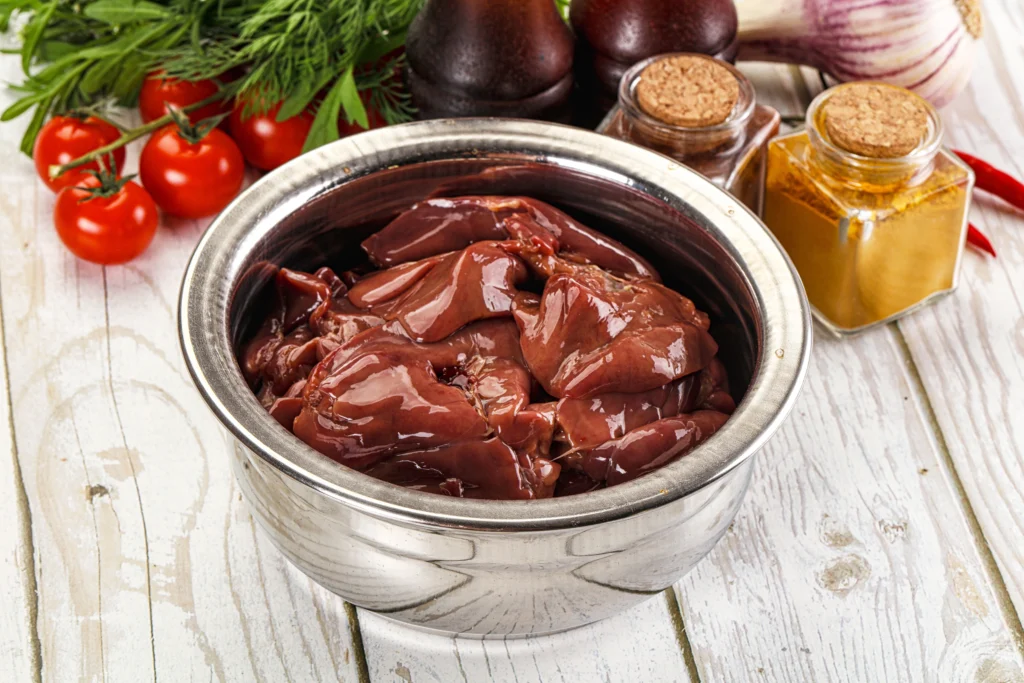
Incorporate Nutrient-Dense Organ Meats: If you can source clean deer liver, kidney, or heart, incorporate them into your recipe sparingly. Organ meats should make up no more than 5% to 10% of the total meat composition of the recipe to prevent Vitamin A toxicity, but they offer an incredible, irresistible burst of natural iron. For dogs who also enjoy a crunchy, protein-rich treat between meals, our beef jerky dog treats recipe uses a similarly clean, single-ingredient approach.
.
Final Thoughts
Transitioning your dog to a freshly prepared, whole-food diet is one of the greatest gifts you can offer their long-term health. Utilizing wild game ensures your pet is getting a lean, clean, hypoallergenic protein boost completely free of industrial farming additives. By curating balanced carbohydrates, antioxidant-rich greens, and core healthy fats, you give them the direct vitality they deserve. Explore this clean cooking journey alongside Samppy, and unlock a happier, healthier, and more vibrant lifestyle for your favorite companion!
Deer Meat Dog Food Recipe (FAQS)
1. Is venison healthy and safe for dogs to eat daily?
Yes, fully cooked venison is an exceptionally healthy, lean, and easily digestible protein source for dogs. When balanced correctly with carbohydrates, fiber, essential fatty acids, and a calcium supplement, it can safely serve as a foundational part of their daily diet.
2. Can I feed my dog raw deer meat directly from a hunt?
It is strongly recommended to avoid feeding wild-caught raw deer meat due to the risk of dangerous parasites and bacteria like Toxoplasma or E. coli. Always freeze wild game for a minimum of three weeks and cook it to an internal temperature of 160°F to ensure it is perfectly safe for canine consumption.
3. Why do I need to add calcium powder or eggshells to this recipe?
Pure meat is high in phosphorus but lacks calcium. If you feed your dog a meat-only diet without adding a structural calcium source (like ground eggshells or commercial calcium supplements), it can cause severe bone depletion and metabolic issues over time.
4. How long can I safely store this homemade food?
Freshly made homemade dog food can be kept in an airtight container inside your refrigerator for up to 4 days. If you prefer to batch-cook, portion the food out into individual meal sizes and freeze them for up to 3 months. Always thaw completely in the fridge before serving.
5. What are the visual signs that this venison recipe is benefiting my dog?
When a dog thrives on a whole-food venison diet, you will typically observe firmer, smaller stools, a noticeable reduction in chronic skin scratching or redness, increased daily energy, a shinier coat, and great excitement at the food bowl.