Pakistan has six UNESCO World Heritage Sites in an area roughly the size of France and Germany combined. First-time visitors often expect one kind of terrain and find several: 7,000-meter peaks in the north, Mughal gardens in the east, and a coastline in the south. A good trip works better if you pick one region instead of trying to “do Pakistan” in one go. This guide covers places that reward the effort, along with the practical details that make or break a visit. (Tourism in Pakistan)
Why Pakistan Rewards Slow Travel
Distances look short on a map and feel long on the road. The Karakoram Highway, which links the northern valleys, is one of the highest paved roads on earth, and landslides can close sections without warning. The lesson travelers learn quickly: fewer stops, longer stays. A two-week trip works best with two regions, not five.
Seasonality matters just as much. Northern valleys are typically accessible from May through September, while the southern plains bake in summer and feel far more comfortable in winter. If your dates are flexible, browsing ideas for best places to visit in September can help you match a route to the weather rather than fighting it.
The North: Hunza, Skardu, and the Karakoram
Hunza Valley
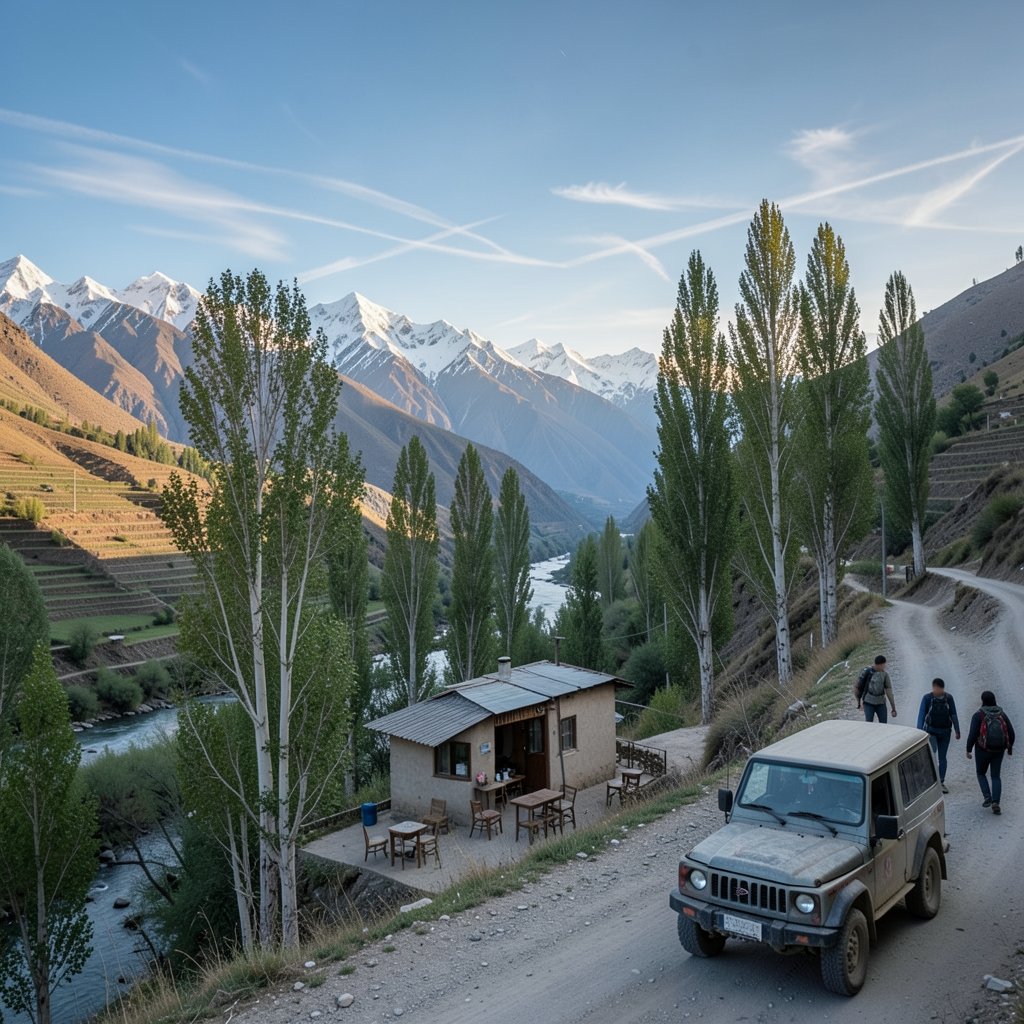
Hunza is the postcard image most people carry: terraced orchards, stone villages, and the white wall of Rakaposhi filling the sky. Karimabad, the main hub, has guesthouses at every price point and easy access to Baltit Fort and Altit Fort, both restored and open to visitors.
The practical tip that saves the most frustration: build a buffer day. Weather delays on the road from Islamabad are common, and travelers who schedule a flight out the morning after a long drive often miss it. Spring brings apricot and cherry blossom; autumn turns the poplars gold.
Skardu and the Deosai Plains
Skardu is the gateway to Deosai National Park, a high plateau above 4,000 meters that blooms with wildflowers in midsummer and is one of the last strongholds of the Himalayan brown bear. The cold desert at Katpana and the turquoise water of Shangrila Resort draw day-trippers, but the real draw is the emptiness beyond them.
Altitude is the common mistake here. Travelers arrive from Islamabad at around 500 meters and reach Skardu at roughly 2,200 meters in a single day, then push higher immediately. A slow first day, plenty of water, and no alcohol are the boring but effective rules.
Fairy Meadows and Nanga Parbat
Fairy Meadows sits at the foot of Nanga Parbat, the ninth-highest mountain in the world. Reaching it involves a jeep ride on a narrow track followed by a walk of a few hours. It is not a place for anyone short on time, but few viewpoints on the planet compare.
Khyber Pakhtunkhwa: Swat, Chitral, and the Kalash Valleys
Swat Valley
Swat has rebounded into one of the country’s most relaxed mountain destinations. Mingora and Saidu Sharif serve as bases, while Malam Jabba offers skiing in winter and the Buddhist site of Butkara reminds visitors that this valley was once a center of Gandharan civilization.
The Kalash Valleys of Chitral
The Kalash communities in Bumburet, Rumbur, and Birir practice a polytheistic faith distinct from the rest of Pakistan. Their spring and winter festivals draw visitors, and the etiquette is simple: ask before photographing people, hire local guides, and buy from village shops rather than handing out money to children. Tourism here works best when it supports the community rather than turning it into a backdrop. (Pakistan)
Lahore: Forts, Gardens, and Food Streets
Lahore is the cultural heart of the country and the easiest place to spend three days without running out of things to do. The Lahore Fort and Shalamar Gardens were inscribed together as a UNESCO World Heritage Site in 1981. Shalamar was later placed on the List of World Heritage in Danger after historic waterworks were demolished, a status worth checking before you plan a visit.
Beyond the monuments, the Walled City rewards wandering: Delhi Gate, the Wazir Khan Mosque with its tilework, and the food streets of Gawalmandi and Anarkali. The mistake most visitors make is treating Lahore as a one-day stop between Islamabad and the mountains. It deserves more.
Islamabad and Taxila: Ancient Cities at the Capital’s Edge
Islamabad is a planned city of wide roads and green hills, useful as a soft landing after a long flight. The Faisal Mosque, Pakistan Monument, and the Margalla Hills trails fill a comfortable day. (Pakistan)
Half an hour away lies Taxila, inscribed by UNESCO in 1980. This archaeological complex spans several millennia and combines Buddhist stupas, a Hellenistic city, and Gandharan sculpture in one site. It is one of Asia’s less appreciated ancient sites, and it is often nearly empty.
Moenjodaro and Makli: The Deep Past in Sindh
Moenjodaro, inscribed in 1980, is a 4,500-year-old city of the Indus Valley Civilization with grid streets, drainage systems, and a Great Bath. It sits in Sindh, far from the mountain circuit, so it suits travelers with a genuine interest in archaeology rather than a checklist mentality.
Near Thatta, the Makli Necropolis holds one of the largest funerary sites in the world, with tombs spanning centuries of Sindhi dynasties. Both sites are hot, dusty, and short on shade. Go early, carry water, and hire a guide who can explain what you are looking at.
Rohtas Fort and the Gandharan Sites
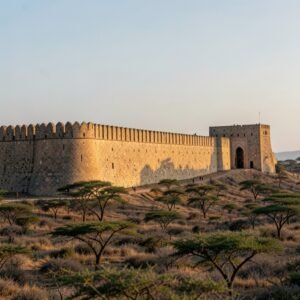
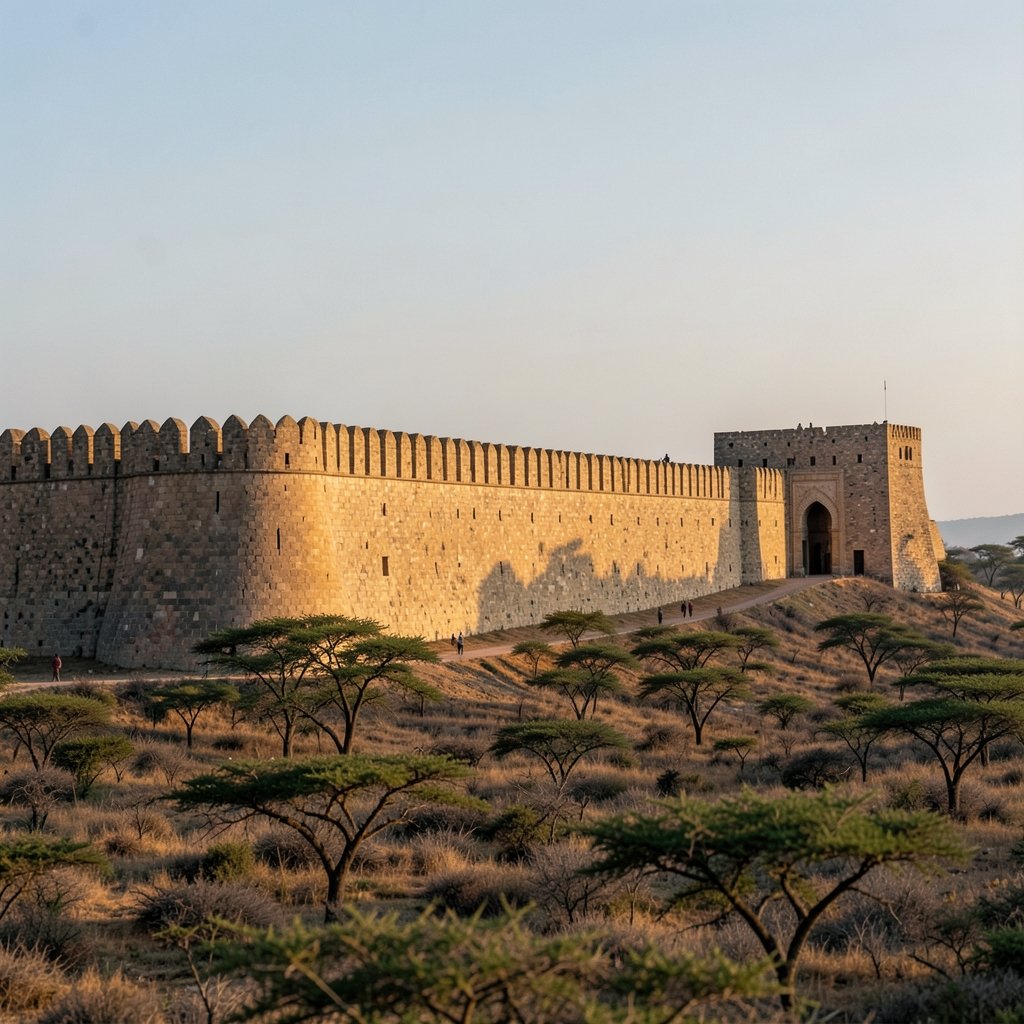
Rohtas Fort, inscribed in 1997, is a massive 16th-century garrison near Jhelum with walls and gates built on a scale that photographs poorly and impresses in person. In Khyber Pakhtunkhwa, the Buddhist Ruins of Takht-i-Bahi and the nearby remains at Sahr-i-Bahlol were inscribed in 1980 and remain among the best-preserved monastic complexes in the region.
Travelers building a history-focused route often pair these with sites abroad; the same planning logic used for historical and cultural places in Turkey applies here, where clustering nearby sites beats racing between distant ones.
Karachi and the Coast
Karachi is Pakistan’s largest city and its most misunderstood. Clifton Beach and Hawksbay draw crowds at sunset, while Mohatta Palace and Frere Hall offer a calmer look at colonial-era architecture. The food scene alone justifies a couple of days. (Pakistan Overview)
The coast south of the city is quiet and largely undeveloped. Travelers who enjoy low-key beach towns often compare notes with guides to places to visit in Cozumel for diving and snorkeling, though Pakistan’s coastline is a far more DIY affair with limited infrastructure. (Pakistan)
A Quick Comparison of Regions
| Region | Best season | Ideal stay | Standout draw |
|---|---|---|---|
| Hunza and Skardu | May to September | 5 to 7 days | Karakoram peaks and Deosai |
| Swat and Chitral | April to October | 3 to 5 days | Valleys and Kalash culture |
| Lahore | October to March | 2 to 3 days | Mughal forts and food |
| Islamabad and Taxila | March to November | 2 days | Ancient Gandhara |
| Sindh sites | November to February | 2 to 3 days | Moenjodaro and Makli |
| Karachi | November to February | 2 to 3 days | Coast and architecture |
Practical Tips That Actually Work
- Check advisories before booking. Foreign ministries maintain country-specific travel advice that changes often. Read the regional detail as well as the headline level.
- Book domestic flights early. Weather cancels mountain flights regularly, so keep a road option in reserve.
- Carry cash. Card acceptance outside major hotels is limited, and ATMs in remote areas run dry.
- Hire local guides. At archaeological sites, a good guide turns a field of rubble into a story.
- Dress conservatively outside cities. It is not a legal requirement in most places, but it changes how you are received.
- Respect photography boundaries. Ask first, especially in the Kalash valleys and rural villages.
For anyone extending a trip eastward, ideas for places to visit in Korea show how a similar mix of mountains, temples, and dense cities can be stitched into one itinerary.
Conclusion
The best places to visit in Pakistan are not a single list but a set of pairings: mountains with slow days, forts with food streets, and ancient cities with patient guides. The country rewards travelers who plan around weather and distance rather than ambition. Pick two regions, build in buffer time, and let the roads do the rest. Whether you end up watching sunrise on Rakaposhi or eating your way through Lahore’s back lanes, the trip will be better for the restraint.
Frequently Asked Questions
Is it safe to travel to Pakistan?
Safety varies sharply by region. Major cities and the northern tourist valleys host visitors routinely, while some border areas remain off-limits. Check your own government’s current travel advisory and read the regional breakdown before booking.
What is the best time to visit northern Pakistan?
May through September is the standard window, when mountain roads are open and the valleys are green. July and August bring monsoon rain and landslide risk on the Karakoram Highway, so June and September often hit the sweet spot.
How many UNESCO World Heritage Sites does Pakistan have?
Pakistan has six inscribed sites, including Moenjodaro, Taxila, Takht-i-Bahi, the Lahore Fort and Shalamar Gardens, Makli, and Rohtas Fort. Always confirm current status, since danger-list designations can change.
How many days do you need for a first trip to Pakistan?
Ten to fourteen days allows two regions comfortably. A common split is Lahore and Islamabad with Taxila, followed by a week in Hunza or Skardu. Trying to add Sindh to the same trip usually means spending it in transit.
Do you need a visa to visit Pakistan?
Most foreign visitors need a visa, and many nationalities can apply online through the official e-visa portal. Requirements and eligibility change, so verify with the official government channel before paying for anything.
What should you pack for the mountains?
Layers, a waterproof shell, sturdy shoes, a power bank, and cash. Evenings at altitude get cold in midsummer, and electricity in remote guesthouses is unreliable. Altitude medication is worth discussing with a doctor if you plan to go above 3,500 meters.
The same logic applies to the country’s lesser-known corners. Hingol National Park along the Makran coastal highway, with its mud volcanoes and the dramatic natural arch at Kund Malir, rewards travelers willing to drive the long, empty road west of Karachi. Further north, the Chitral Gol National Park protects markhor and a quiet forest that sees almost no foreign visitors. Neither place has much tourist infrastructure, which is precisely the point: you go for solitude, not services.
Budget matters too. Pakistan is inexpensive by most Western standards, but mountain transport and jeep hires add up quickly. A realistic mid-range budget runs roughly 60 to 100 USD per day including accommodation, meals, and a driver, and less if you travel by public transport and local guesthouses. Grouping travelers to share a jeep in Fairy Meadows or Deosai can cut costs substantially.
Finally, remember that hospitality is not a performance. When a family in Hunza invites you for tea, accept it, and accept that the conversation may last longer than you planned. Those unscripted hours often become the memory you keep longest. Build slack into every itinerary, leave room for the invitation you did not expect, and Pakistan will reward you with far more than the postcard views you came for.