
Starting a workout routine can feel intimidating when you are unfamiliar with gym equipment, exercise techniques, or how often you should train. The good news is that you do not need complicated exercises or hours in the gym to make progress. A simple, consistent plan is often the best place to start.
The best workout routines for beginners combine basic strength exercises, cardiovascular activity, mobility work, and enough rest to recover. Whether you want to become stronger, improve your fitness, build muscle, or feel more energetic, the key is to begin at a manageable level and gradually increase the challenge.
This guide explains how to create a beginner-friendly workout routine, which exercises to prioritize, and how to build a sustainable weekly schedule.
What Are the Best Workout Routines for Beginners?
For most healthy adults, a practical starting point is two or three full-body strength workouts per week, combined with light-to-moderate cardiovascular activity and regular movement.
A full-body workout trains several major muscle groups in one session. This approach helps beginners practice fundamental movements without needing to visit the gym every day.
A balanced beginner routine should include:
- Strength training: Exercises that work the legs, chest, back, shoulders, and core.
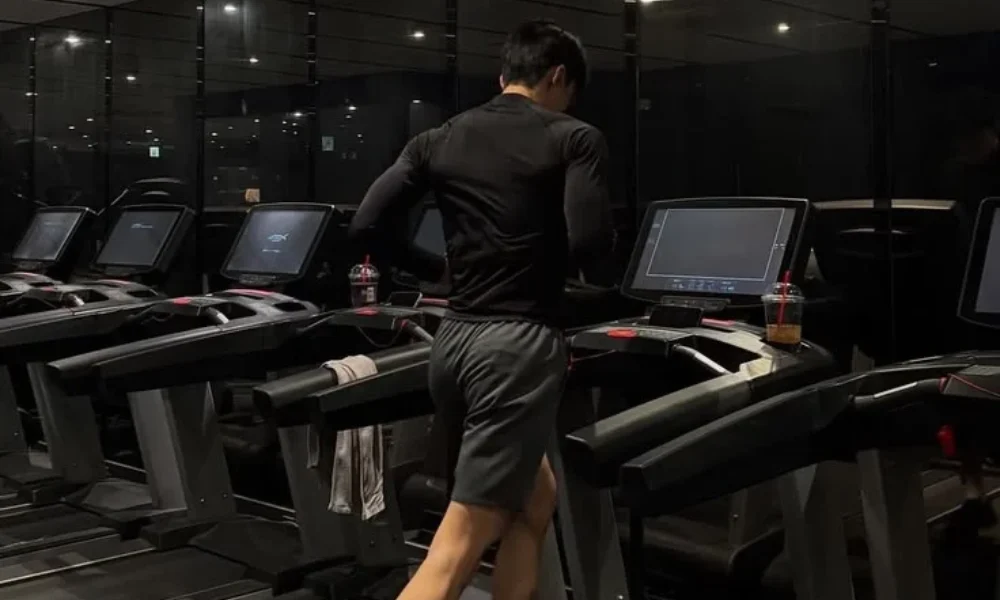
- Cardio: Walking, cycling, swimming, or another activity that raises your heart rate.
- Mobility: Gentle movements that help you work comfortably through your available range of motion.
- Recovery: Rest days, sufficient sleep, and appropriate nutrition.
The best schedule is one you can follow consistently without feeling exhausted or overwhelmed.
A Simple Weekly Workout Schedule for Beginners
You do not need to train seven days a week. Start with a manageable schedule and adjust it to your fitness level and daily routine.
| Day | Workout |
| Monday | Full-body strength training |
| Tuesday | Walking or light cardio |
| Wednesday | Rest or gentle mobility |
| Thursday | Full-body strength training |
| Friday | Walking, cycling, or swimming |
| Saturday | Optional light activity or a third strength session |
| Sunday | Rest and recovery |
If you are completely new to exercise, begin with two strength sessions each week. Add another session only when you feel comfortable recovering between workouts.
Best Strength Exercises for Beginners
You can perform these exercises at home or adapt them for the gym. Start with body weight or light resistance, concentrating on controlled movements rather than lifting as much as possible.
1. Squats
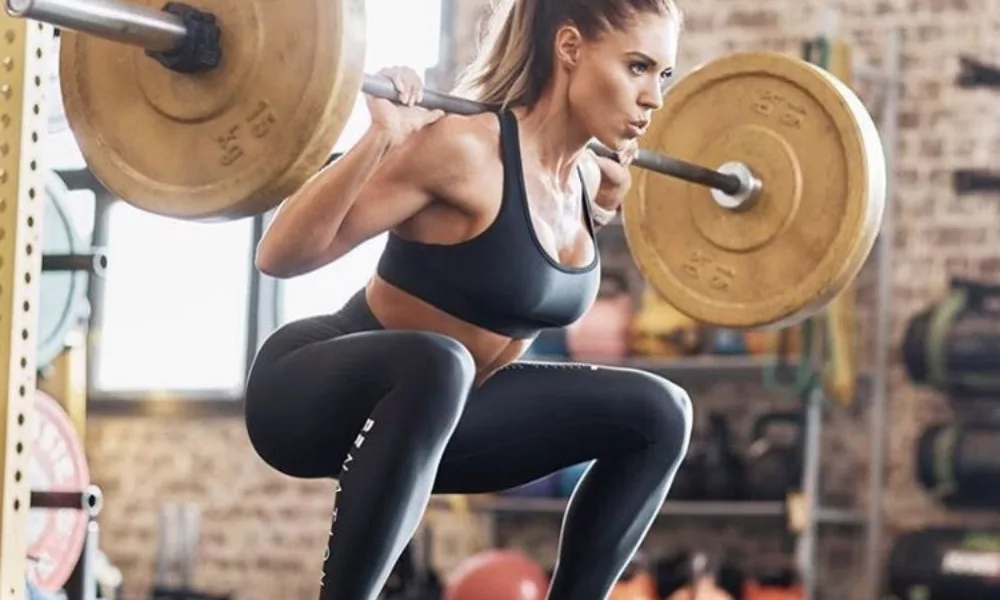
Squats strengthen the muscles in your thighs, hips, and glutes while helping you practice a fundamental movement pattern.
Stand with your feet approximately shoulder-width apart. Push your hips back, bend your knees, and lower yourself only as far as you can comfortably control. Stand up without bouncing or rushing. Beginners can start with chair squats, sitting down on a sturdy chair and standing back up.
Starting target: 2 sets of 8–12 repetitions.
2. Wall Push-Ups

Wall push-ups develop strength in the chest, shoulders, and triceps without requiring you to lift your full body weight. Place your hands against a wall around shoulder height. Step back slightly, bend your elbows to bring your chest toward the wall, and push back to the starting position. As the movement becomes easier, you can progress to push-ups against a sturdy elevated surface and eventually to floor push-ups.
Starting target: 2 sets of 8–12 repetitions.
3. Glute Bridges
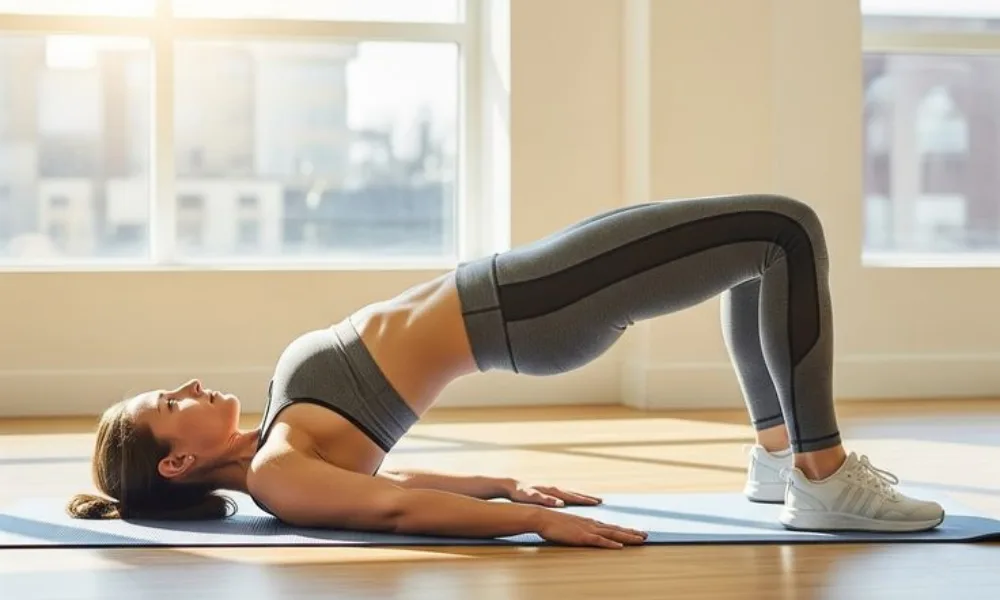
Glute bridges strengthen the glutes and help you practice hip extension. Lie on your back with your knees bent and feet flat on the floor. Tighten your glutes and raise your hips until your body forms a comfortable line from your shoulders toward your knees. Lower slowly. Avoid arching your lower back excessively at the top.
Starting target: 2 sets of 10–15 repetitions.
4. Dumbbell Rows
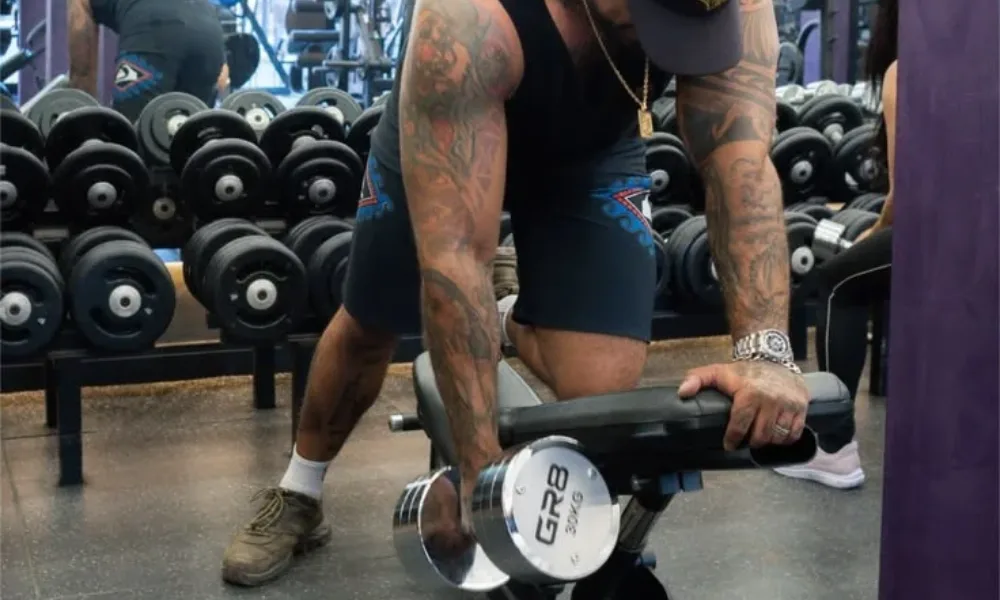
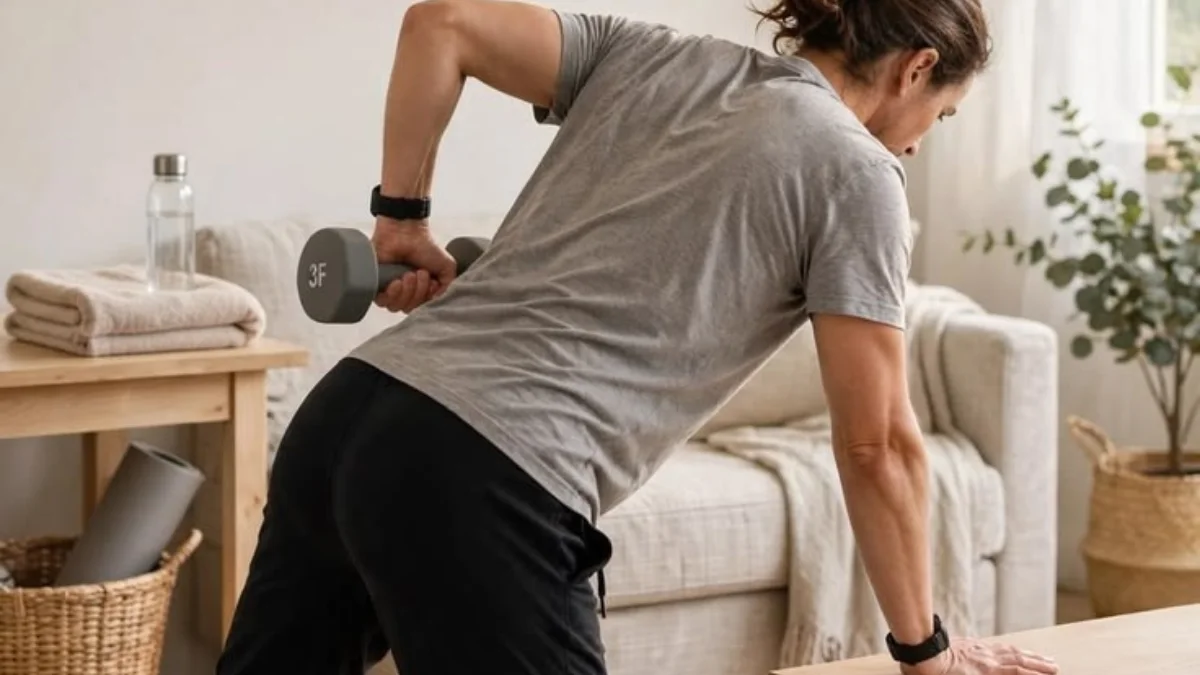
Rows work the back and arm muscles. If you have access to light dumbbells, they are a useful addition to a beginner routine.Lean forward slightly with a stable back and hold the weights securely. Pull them toward your torso while keeping your elbows close to your body, then lower them under control.You can also use an appropriate resistance band if you do not have dumbbells.
Starting target: 2 sets of 8–12 repetitions.
5. Step-Ups
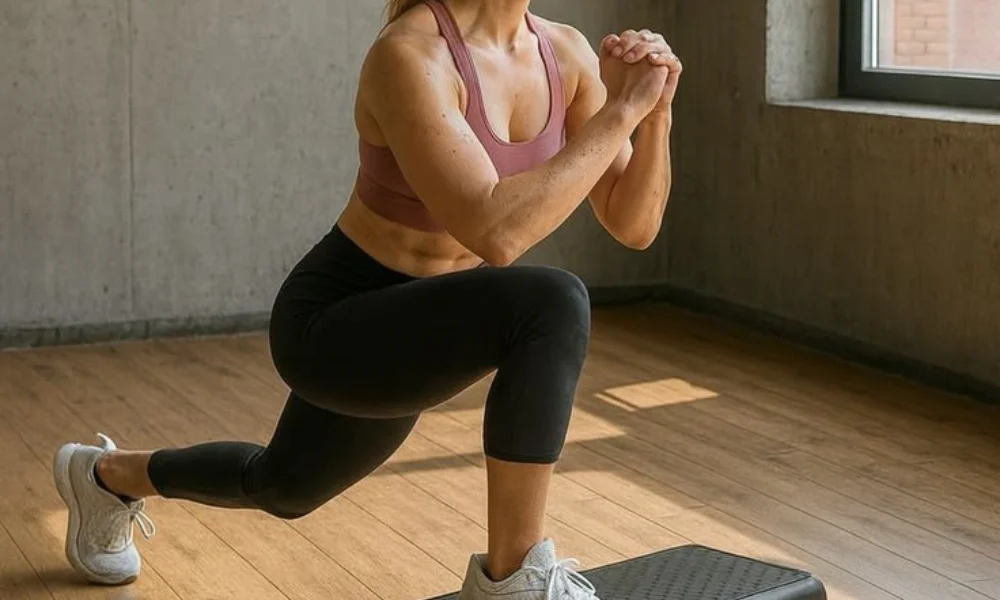
Step-ups work the legs and glutes while helping develop coordination and everyday functional strength.Use a low, sturdy step. Place one foot on it, push through that foot to step up, and return to the floor with control. Alternate legs.Choose a height that feels stable, and use a handrail if needed.
Starting target: 2 sets of 8 repetitions per leg.
6. Bird Dogs
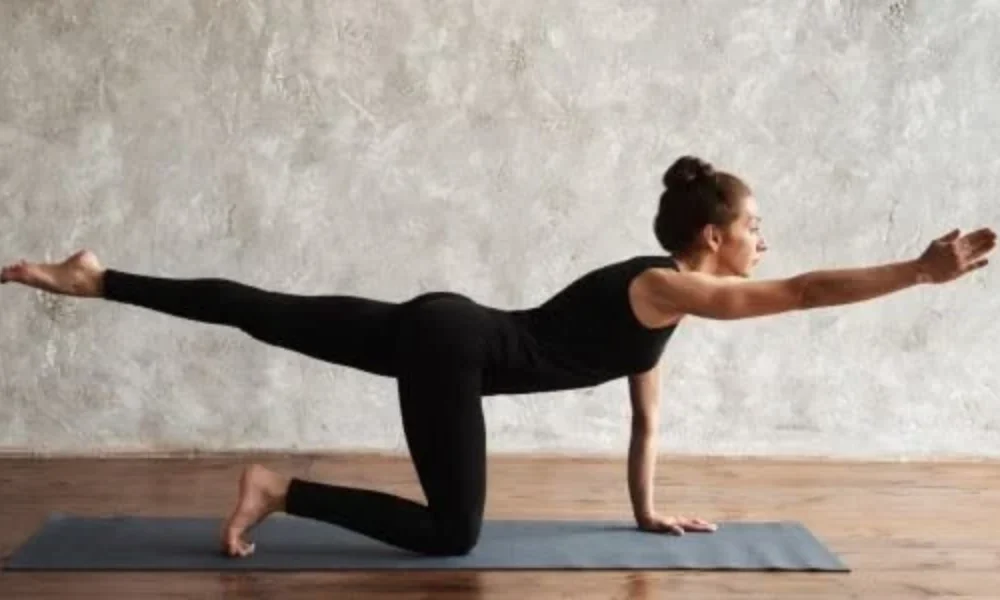
Bird dogs train core stability and coordination.Start on your hands and knees. Extend one arm forward and the opposite leg backward while keeping your torso steady. Return to the starting position and switch sides.Move slowly rather than lifting your limbs as high as possible.
Starting target: 2 sets of 6–10 repetitions per side.
A Beginner Full-Body Workout
This routine is designed to be straightforward and adaptable. Allow around 25–40 minutes, depending on your pace and rest periods.
| Exercise | Sets | Repetitions |
| Chair squats or bodyweight squats | 2 | 8–12 |
| Wall or elevated push-ups | 2 | 8–12 |
| Glute bridges | 2 | 10–15 |
| Dumbbell or resistance-band rows | 2 | 8–12 |
| Step-ups | 2 | 8 per leg |
| Bird dogs | 2 | 6–10 per side |
Rest for approximately 60–120 seconds between sets, or longer if you need it. You do not have to complete every exercise immediately; start with fewer movements if the full routine feels too demanding.
Before beginning, spend five minutes warming up with easy walking and gentle movements. Finish with a few minutes of comfortable walking or relaxed mobility work.
Important: Choose variations that you can perform with good control. Stop if you experience sharp pain, chest pain, dizziness, or unusual shortness of breath.
How to Add Cardio to Your Routine
Cardiovascular exercise supports heart health, endurance, and general fitness. You do not have to run or perform high-intensity intervals to benefit.
Good beginner options include:
- Brisk walking outdoors or on a treadmill.
- Cycling at a comfortable pace.
- Swimming or water-based exercise.
- Low-impact aerobic workouts.
- Dancing or other activities you enjoy.
Start with 10–20 minutes at a time if you are inactive. Gradually increase the duration as your fitness improves.
For general health, public-health guidelines recommend working toward at least 150 minutes of moderate-intensity aerobic activity per week, alongside muscle-strengthening activities on two or more days. You can build toward this target gradually rather than trying to reach it immediately.
A useful intensity check is the talk test: during moderate activity, you should generally be able to talk but not sing comfortably.
How to Progress Without Overtraining
Your first goal should be learning the exercises and establishing a routine, not setting personal records. Building healthy lifestyle habits alongside regular exercise can also help you maintain a balanced and sustainable daily routine.
Use these principles to make progress safely:
- Start light. Choose resistance that allows you to maintain good technique.
- Practice consistently. Repeat your routine for several weeks before making major changes.
- Increase gradually. When all sets feel controlled and manageable, add a few repetitions or use slightly more resistance.
- Rest between sessions. Give the muscles you trained time to recover.
- Track your workouts. Record exercises, repetitions, resistance, and how difficult each session felt.
- Adjust when needed. Poor sleep, illness, and unusual fatigue may be reasons to reduce your training load.
You do not need to feel extremely sore after every workout for it to be effective. Consistent training matters more than exhausting yourself.
What Should Beginners Eat Before and After a Workout?

A balanced diet supports energy, recovery, and muscle development. Planning nutritious meals ahead of time can make healthy eating easier, and these healthy crockpot recipes offer convenient options for preparing balanced meals on busy days. You do not need special supplements to begin exercising.
Before a workout, a normal meal or light snack containing carbohydrates can help provide energy. Examples include fruit, oatmeal, toast, or yogurt, depending on your preferences and tolerance.
After exercise, aim for a meal containing protein and carbohydrates. Eggs with toast, yogurt with fruit, beans and rice, or chicken with potatoes are simple options.
Drink water regularly, particularly in hot weather or during longer sessions. Your fluid needs will depend on activity level, temperature, and how much you sweat.
If your goal is to build muscle, eat enough overall food and include a source of protein in your meals. If your goal is weight management, avoid extreme diets that leave you under-fueled for exercise.
Common Beginner Workout Mistakes
Doing too much too soon
Training hard every day can make it difficult to recover and maintain consistency. Begin with a manageable workload and build gradually.
Ignoring technique
Poor technique can make exercises less effective and increase the risk of injury. Use a lighter weight, reduce the range of motion if necessary, or ask a qualified trainer to check your form.
Comparing yourself with experienced gym-goers
People progress at different rates. Your routine should reflect your current ability rather than someone else’s training schedule.
Skipping rest days
Recovery is part of training. If you are persistently exhausted or your performance is declining, reduce your workload and allow more recovery time.
Changing routines constantly
Beginners often benefit from repeating a small selection of exercises. This makes it easier to learn technique, track improvement, and develop consistency.
How Long Does It Take to See Workout Results?
Progress depends on your starting fitness, training consistency, nutrition, sleep, and the type of results you want.
Some beginners notice improvements in energy, coordination, and exercise confidence within the first few weeks. Strength and endurance can improve over the following weeks and months. Visible muscle growth or body-composition changes generally take longer and vary substantially between individuals.
Instead of judging success by appearance alone, track practical signs of progress, such as walking for longer, performing more repetitions with good form, or using slightly heavier resistance.
Frequently Asked Questions
How many days a week should a beginner work out?
Two or three days of strength training per week is a reasonable starting point for many healthy adults. Add comfortable cardio or walking on other days and adjust the schedule to your recovery and experience.
Can beginners work out at home without equipment?
Yes. Chair squats, wall push-ups, glute bridges, and bird dogs can help beginners develop strength at home. As you progress, resistance bands or dumbbells can provide additional challenge.
Should beginners do cardio or weights first?
If your main goal is strength, perform your strength exercises first and then do cardio. If cardiovascular fitness is your priority, you can reverse the order. A separate session for each can also work well.
Is 30 minutes of exercise enough for beginners?
Yes. A 30-minute session can be useful when it includes appropriate exercises, controlled effort, and sufficient recovery. Shorter sessions are also worthwhile if they help you build consistency.
Should beginners work out every day?
Not necessarily. Daily light movement can be beneficial, but you do not need intense workouts every day. Allow recovery between strength sessions, especially when training the same muscle groups.
What is the best time of day to exercise?
The best time is the time you can follow consistently. Morning, afternoon, and evening workouts can all be effective. Choose a schedule that fits your energy levels, commitments, and sleep routine.
Can beginners build muscle with light weights?
Yes. Light weights can help beginners build strength and muscle when the exercises provide an appropriate challenge and become progressively harder over time. Good technique and consistency are more important than lifting heavy weights immediately.
Final Thoughts
The best workout routine for beginners is simple, balanced, and realistic enough to follow over the long term. Start with two full-body strength sessions each week, include comfortable cardio, learn proper technique, and give your body time to recover.
You do not need to be fit before you start exercising. Begin at your current level, make gradual improvements, and focus on building a habit that supports your health for years to come.
Disclaimer: This article is intended for informational purposes only and is not a substitute for individualized medical advice. If you have a medical condition, an injury, or concerns about starting exercise, consult a qualified healthcare professional before beginning a new workout program.