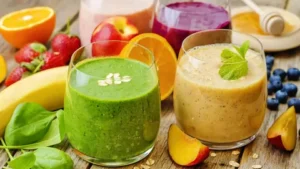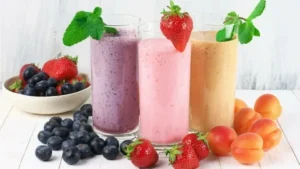
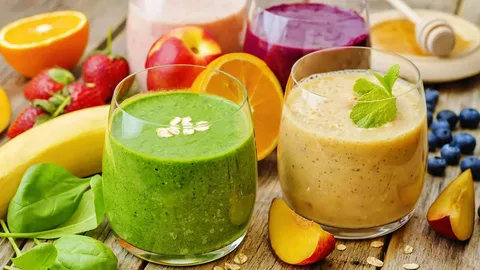
Frozen fruit Smoothie Recipes is one of the easiest ways to make a thick, cold, flavorful smoothie without relying on a mountain of ice. Whether you have a bag of mixed berries, frozen mango, strawberries, peaches, or bananas in the freezer you can turn them into a quick breakfast, snack or refreshing drink with just a few ingredients.
The best frozen fruit smoothie recipes do not require complicated ingredients or special techniques. The key is getting the balance of frozen fruit, liquid, and creamy ingredients right.
What Is the Best Way to Make a Frozen Fruit Smoothie?
The easiest formula is about 2 cups of frozen fruit + ½ to ¾ cup liquid + ½ cup yogurt or another creamy ingredient, adjusting the liquid as needed for your blender and preferred consistency.
Start with less liquid rather than more. You can always add another splash but once a smoothie becomes too thin, you need additional frozen fruit or another thickener to correct it.
Using frozen fruit also means you usually do not need ice. Frozen fruit creates a cold, thick texture without diluting the flavor as melting ice can. Food Network’s tested recipes similarly rely on frozen fruit and recommend using ingredients directly from the freezer for a frosty smoothie.
Key Takeaways
- Frozen fruit makes smoothies cold and thick without requiring much ice.
- Frozen bananas are especially useful for creating a creamy texture.
- Start with a small amount of liquid and add more gradually.
- Greek yogurt can add creaminess and protein.
- Berries, mango, pineapple, peaches, and cherries all work well in smoothies.
- Nut butter, seeds, oats, avocado, or leafy greens can make a smoothie more substantial.
- You do not need added sugar when the fruit is naturally sweet enough.
- For the smoothest result add liquid before the frozen ingredients.
10 Frozen Fruit Smoothie Recipes to Try
1. Strawberry Banana Frozen Fruit Smoothie
This is the classic combination for a reason. Strawberries provide bright berry flavor while banana adds natural sweetness and a creamy texture.
Ingredients:
- 1 cup frozen strawberries
- 1 frozen banana
- ½ cup Greek yogurt
- ½ cup milk or unsweetened almond milk
- 1 teaspoon honey, optional
Method:
Add the milk and yogurt first followed by the banana and strawberries. Blend until smooth. If the mixture is too thick, add milk one tablespoon at a time.
2. Mixed Berry Smoothie
Frozen mixed berries are one of the most convenient smoothie ingredients because several fruits are already combined in one bag.
Ingredients:
- 1½ cups frozen mixed berries
- ½ frozen banana
- ½ cup Greek yogurt
- ½ to ¾ cup milk
- 1 teaspoon chia seeds, optional
Blend everything until creamy. If your berry mixture contains lots of raspberries, you may notice some seeds. Blending thoroughly helps, although a seedier texture can remain.
3. Mango Pineapple Tropical Smoothie
For a bright tropical flavor, combine frozen mango and pineapple. Mango provides body and sweetness while pineapple adds acidity.
Ingredients:
- 1 cup frozen mango
- 1 cup frozen pineapple
- ½ banana
- ¾ cup coconut milk or regular milk
- 1 teaspoon lime juice, optional
Blend until smooth and taste before adding any sweetener. Mango and pineapple are naturally sweet so additional sugar often is unnecessary.
4. Blueberry Peach Smoothie
Blueberries and peaches create a balanced combination of sweet, fruity flavors.
Ingredients:
- 1 cup frozen blueberries
- 1 cup frozen peach slices
- ½ cup plain Greek yogurt
- ½ to ¾ cup milk
- 1 teaspoon honey, optional
For a thicker smoothie bowl style consistency begin with only ½ cup of milk and add more if necessary.
5. Cherry Banana Smoothie
Frozen cherries work particularly well with bananas because their tart flavor balances the banana’s sweetness.
Ingredients:
- 1 cup frozen pitted cherries
- 1 frozen banana
- ½ cup Greek yogurt
- ½ cup milk
- 1 teaspoon almond butter, optional
Blend until completely smooth. If using packaged frozen cherries, make sure they are pitted before adding them to the blender.
6. Raspberry Mango Smoothie
This combination is especially useful if you want something fruity without relying entirely on berries.
Ingredients:
- 1 cup frozen raspberries
- 1 cup frozen mango
- ½ cup yogurt
- ½ to ¾ cup orange juice or milk
- 1 teaspoon chia seeds, optional
Mango helps soften the sharpness of raspberries while contributing a naturally creamy texture.
7. Peach Berry Breakfast Smoothie
When you want something more substantial than a fruit and liquid smoothie, add oats and Greek yogurt.
Ingredients:
- 1 cup frozen peaches
- ½ cup frozen strawberries
- ½ banana
- ½ cup Greek yogurt
- ½ cup milk
- 2 tablespoons rolled oats
Blend until smooth. Let the smoothie sit for a minute or two if you prefer the oats to soften further.
8. Green Frozen Fruit Smoothie
A green smoothie does not have to taste strongly of vegetables. Pairing mild greens with sweet fruit makes them easier to incorporate.
Ingredients:
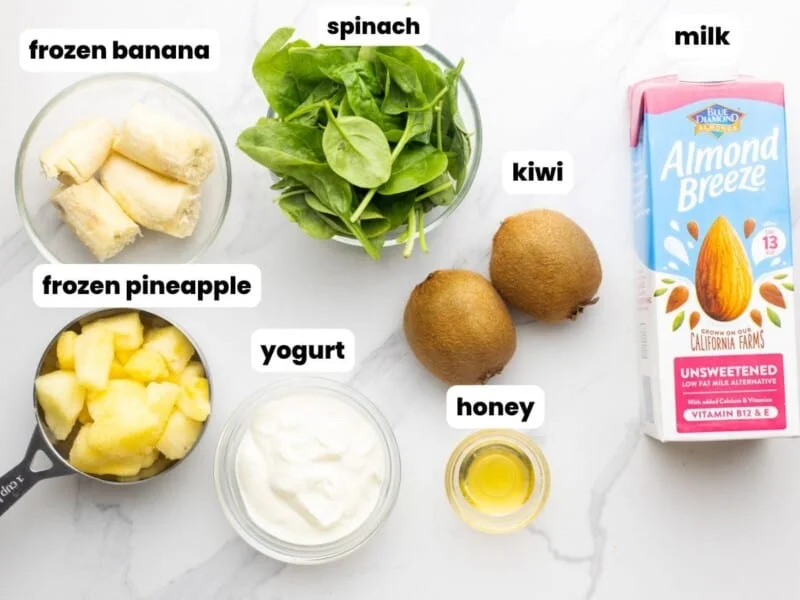
- 1 cup frozen mango
- ½ frozen banana
- 1 small handful fresh spinach
- ½ cup yogurt
- ½ to ¾ cup milk or water
Blend the liquid, spinach and yogurt first. Then add the frozen fruit and blend until smooth.
For a sweeter result use mango and banana rather than relying on added sugar.
9. Peanut Butter Banana Berry Smoothie
Nut butter can turn a light fruit smoothie into a richer option with more staying power.
Ingredients:
- 1 cup frozen mixed berries
- 1 frozen banana
- 1 tablespoon peanut butter
- ½ cup Greek yogurt
- ½ to ¾ cup milk
Blend until creamy. Add a little more milk if the peanut butter makes the mixture too thick.
10. Simple Three Ingredient Frozen Fruit Smoothie
Sometimes the best recipe is the simplest one.
Ingredients:
- 2 cups frozen fruit
- ¾ cup milk or plant based milk
- ½ cup yogurt
Add the liquid first, followed by yogurt and frozen fruit. Blend until smooth.
This basic formula can be customized with almost any frozen fruit combination. A similar three-ingredient approach is used by other recipe publishers because frozen fruit, yogurt and milk can provide sweetness, creaminess and structure without requiring a long ingredient list.
How to Build Your Own Frozen Fruit Smoothie
Once you understand the basic formula, you do not really need a separate recipe every time.
Think of your smoothie as five building blocks:
| Component | Good choices |
| Frozen fruit | Berries, mango, pineapple, peaches, cherries |
| Creamy ingredient | Greek yogurt, plain yogurt, banana, avocado |
| Liquid | Milk, almond milk, soy milk, coconut milk, juice |
| Flavor boost | Cinnamon, vanilla, lime, lemon, ginger |
| Optional add-ins | Chia, flax, oats, nut butter, spinach |
A useful starting point is 2 cups frozen fruit to roughly ½ to ¾ cup liquid. Some recipes use more liquid, particularly when yogurt or other thick ingredients are included, so treat the ratio as a starting point rather than a rigid rule.
What Frozen Fruits Are Best for Smoothies?
Not all fruits behave exactly the same way after freezing.
Best fruits for thickness
Bananas and mangoes are excellent choices when you want a creamy smoothie. Banana is especially useful because its texture helps give a smooth body without requiring a large amount of yogurt.
Best fruits for bright flavor
Strawberries, raspberries, blueberries and pineapple add stronger fruit flavor and acidity.
Best for variety
Peaches and cherries are excellent for changing the flavor without relying on the usual strawberry banana combination.
A mixed fruit freezer stash can make smoothie preparation much easier. The American Heart Association also recommends keeping frozen fruit and vegetables available as a convenient way to make smoothies.
How to Make Frozen Fruit Smoothies Creamy Instead of Watery
A watery smoothie is usually caused by too much liquid rather than too little fruit.
Try these adjustments:
- Use frozen fruit instead of fresh fruit.
- Start with less liquid.
- Add a frozen banana for extra body.
- Use Greek yogurt for a thicker texture.
- Blend in short bursts if your blender struggles with large frozen pieces.
- Add liquid gradually instead of pouring it all in at once.
Liana’s Kitchen recommends starting with the liquid and adding more only if the smoothie is too thick, while Food Network also recommends adjusting consistency with additional liquid rather than automatically adding large amounts at the beginning.
How to Make a Smoothie More Filling
Fruit smoothies can be a convenient breakfast or snack, but a fruit-only drink may not be as satisfying for everyone.
Consider adding one or two ingredients such as:
- Greek yogurt
- Rolled oats
- Chia seeds
- Ground flaxseed
- Nut or seed butter
- Avocado
- Protein powder
The goal is not to add every possible ingredient. Choose additions based on what you want from the smoothie and how it fits into the rest of your meal.
Can You Make Frozen Fruit Smoothies Without Yogurt?
Absolutely.
Yogurt is optional, not essential. If you want a dairy free smoothie, use plant based milk and rely on frozen banana, mango, avocado or nut butter for creaminess.
Food Network’s frozen fruit recipe specifically provides dairy free substitutions including non dairy milk and soy yogurt.
For a very simple dairy free version, try:
2 cups frozen mango + 1 frozen banana + ¾ cup almond milk.
Blend until creamy and adjust the milk according to your preferred consistency.
The Best Order to Add Ingredients to the Blender
For most blenders, adding ingredients in a sensible order can make blending easier.
Start with:
Liquid → yogurt or soft ingredients → fresh greens → frozen fruit → seeds or other dry additions
The liquid helps the blades move the ingredients while the frozen fruit provides the cold, thick texture.
If your blender struggles, stop and scrape down the sides rather than immediately adding a large amount of liquid.
Can You Freeze Homemade Smoothies?
Yes, although the texture is generally best when you freeze the ingredients before blending.
If you want to prepare smoothies ahead of time, portion your fruit and other freezer-friendly ingredients into individual containers or bags. When you’re ready to make one, blend the frozen ingredients with your liquid.
Food Network recommends preparing individual smoothie ingredient packs and notes that frozen portions can be stored for later blending.
Common Frozen Smoothie Mistakes to Avoid
Adding too much liquid
This is probably the easiest mistake to make. Start small and increase the liquid gradually.
Using too much ice
If the fruit is already frozen you generally do not need much additional ice.
Adding sweetener automatically
Taste the smoothie first. Ripe bananas, mangoes, pineapple and berries can provide plenty of natural sweetness.
Overloading the blender
A blender works better when there is enough room for ingredients to circulate. If you’re making several servings, blend in batches when necessary.
Using too many competing flavors
Five or six fruits do not necessarily create a better smoothie. Two or three complementary fruits can produce a cleaner flavor.
Easy Flavor Combinations to Remember
If you do not want to follow a specific recipe, these combinations are reliable starting points:
- Strawberry + banana classic and creamy
- Mango + pineapple tropical and bright
- Blueberry + peach sweet and mellow
- Cherry + banana rich and fruity
- Raspberry + mango tart and sweet
- Mixed berries + banana easy everyday option
- Mango + spinach + banana simple green smoothie
- Peach + strawberry + oats breakfast-friendly
The broader recipe landscape supports this mix-and-match approach, with established recipe sites offering combinations ranging from classic berry smoothies to tropical mango blends.
Final Thoughts
The best frozen fruit smoothie recipes are simple, flexible, and easy to customize. Keep a few bags of frozen fruit in the freezer, choose a creamy ingredient, add a modest amount of liquid and blend until smooth.
Start with the strawberry banana classic if you want something dependable, try mango and pineapple for a tropical option or add Greek yogurt, oats, seeds or nut butter when you want a more substantial smoothie.
Most importantly, do not treat smoothie recipes as strict rules. Once you understand the balance between frozen fruit, liquid and creamy ingredients you can create dozens of combinations from whatever is already in your kitchen. Experiment with these 25 recipes and let Samppy bring effortless freshness to your kitchen.
Frequently Asked Questions
Can you make smoothies with only frozen fruit?
Yes, but frozen fruit alone will not blend into a drinkable smoothie easily. You need a liquid such as milk plant based milk, juice, or water. A creamy ingredient such as yogurt or banana is optional but can improve the texture.
What liquid is best for frozen fruit smoothies?
It depends on the flavor you want. Milk creates a creamy smoothie, almond or soy milk works well for dairy free versions while orange, pineapple or apple juice can produce a sweeter fruit forward drink.
Do you need ice for a frozen fruit smoothie?
Usually not. Frozen fruit already provides a cold, thick texture. Ice is more useful when you’re using fresh fruit or want an extra cold smoothie.
How do you make a frozen fruit smoothie thicker?
Use less liquid, add more frozen fruit, or include a thick ingredient such as frozen banana or Greek yogurt. Add liquid gradually until you reach the consistency you want.
Are frozen fruits good for smoothies?
Yes. Frozen fruit is convenient, keeps the smoothie cold, and can create a thicker texture without relying heavily on ice. It also allows you to keep fruit available regardless of the season.