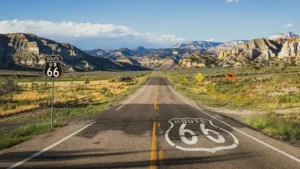
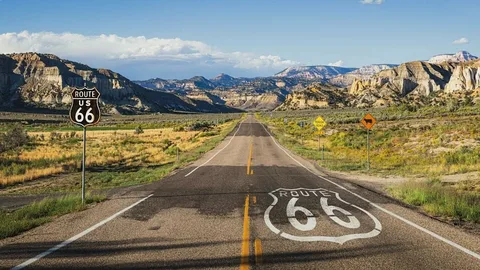
Route 66 offers far more than a long drive. It combines historic towns, classic diners, neon motels, quirky roadside attractions, desert scenery, and some of the most recognizable landscapes in America.
The timing is especially important in 2026 because Route 66 is celebrating its 100th anniversary.
If you want to experience Route 66 rather than simply cross the country as quickly as possible, plan for roughly two weeks at minimum, with three weeks giving you more time for smaller towns, historic sites, and detours.
Key Takeaways
- Route 66 traditionally connects Chicago, Illinois, with Santa Monica, California crossing eight states.
- The historic route is roughly 2,400 miles, although the exact drivable mileage varies depending on which saved positions and modern roads you follow.
- 2026 is the Route 66 Centennial, making it an unusually important year to visit.
- Allow 14 to 21 days if you want a relaxed experience.
- Spring and fall generally consider more comfortable conditions across the route than the hottest summer months.
- The best trip balances famous attractions with time spent in small communities along the Mother Road.
What Is 66 Road Trip?
66 road was created in 1926 as part of America’s developing federal highway system. It linked Chicago with Southern California and became an important route for migration, commerce, military transportation and automobile tourism.
Over time, Route 66 became much more than a transportation corridor. It became a cultural symbol associated with freedom, movement, roadside America, and the promise of a better life.
The federal highway was officially closed in 1985 after newer interstate highways replaced much of its function. However, numerous historic sections, buildings, bridges, businesses, and alignments survived.
How Long Does a Route 66 Road Trip Take?
A rushed trip can cover the route in about a week, but that is not the best way to experience it.
For most travelers, 14 days is a practical starting point. It gives you enough time to drive huge distances while still allowing stops for museums, photographs, food, historic downtowns, and roadside attractions.
| Trip length | Best for |
| 7–9 days | Travelers focused on major highlights |
| 10–12 days | A faster but reasonably comfortable journey |
| 14 days | First-time travelers wanting a balanced experience |
| 18–21 days | Travelers who want smaller towns and more historic alignments |
| 3+ weeks | Slow travel, photography, museums, and extensive detours |
Route 66 Road Trip: The Eight States
The classic Route 66 journey passes through Illinois, Missouri, Kansas, Oklahoma, Texas, New Mexico, Arizona, and California.
1. Illinois
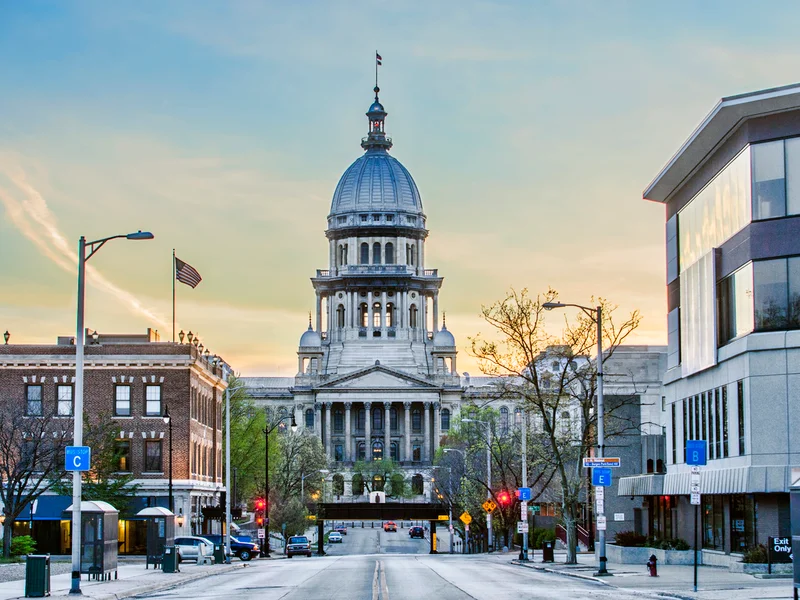
Begin in Chicago and follow the road through the Illinois countryside toward St. Louis.
This section is ideal for travelers who enjoy classic Route 66 history. Pontiac, Springfield, and other communities feature murals, museums, historic buildings, roadside attractions, and preserved sections of the original road.
The National Park Service notes that the Illinois alignment changed several times during Route 66’s history, which is one reason modern travelers should not expect a single perfectly preserved road.
2. Missouri
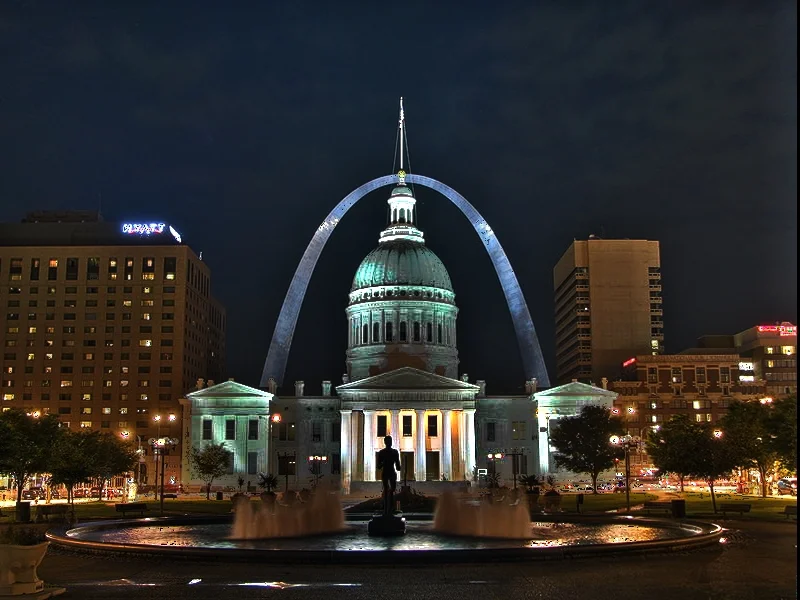
Missouri brings rolling landscapes, historic communities, caves, diners, and classic roadside Americana.
St. Louis is an obvious major stop, while smaller communities such as Cuba and Lebanon provide a slower Route 66 experience.
3. Kansas
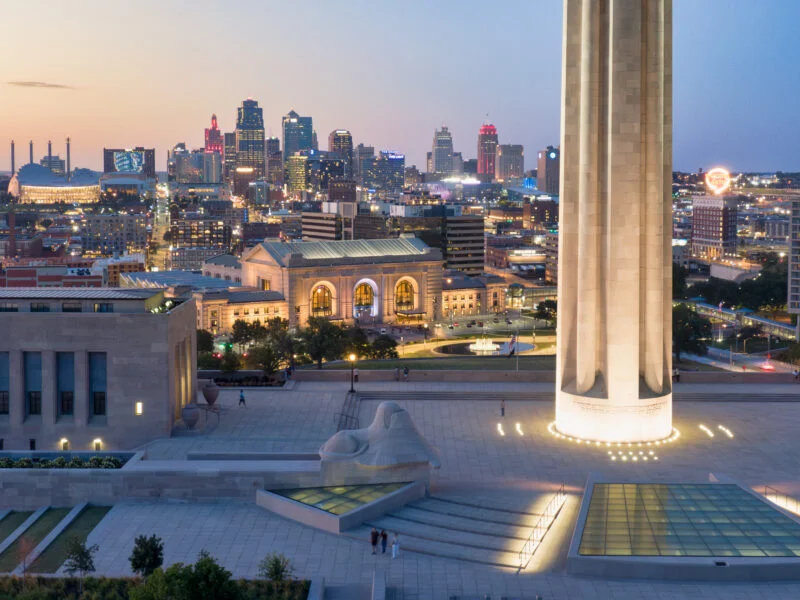
Kansas contains only a short section of Route 66, but that does not make it skippable.
The Galena area is particularly interesting for travelers who want the nostalgic side of the Mother Road. Because the Kansas section is relatively brief, it can easily be incorporated into a longer Oklahoma-bound driving day.
4. Oklahoma
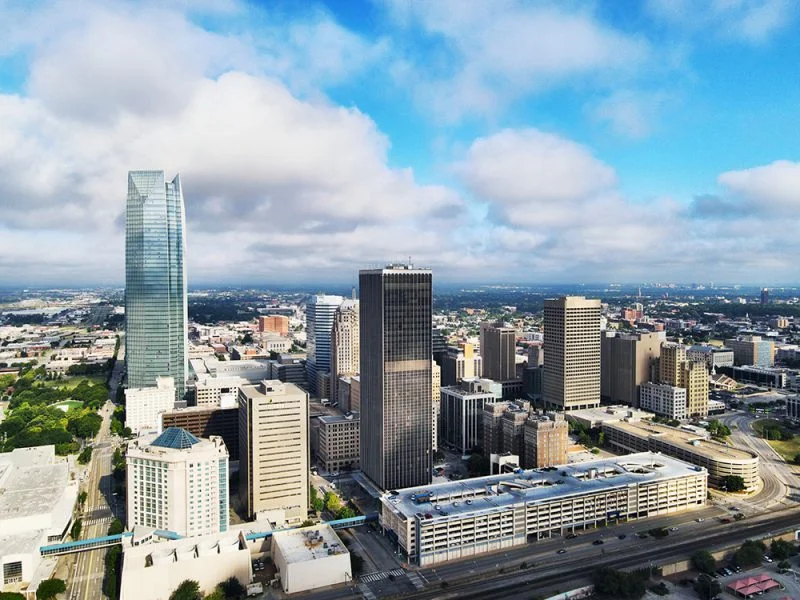
Oklahoma is one of the strongest states for a Route 66 road trip.
The state has more than 400 miles of Route 66, described by the state’s official tourism organization as the nation’s longest driveable stretch.
Travelers can explore Tulsa, Oklahoma City, Clinton, Elk City, Chandler, and numerous smaller communities.
5. Texas
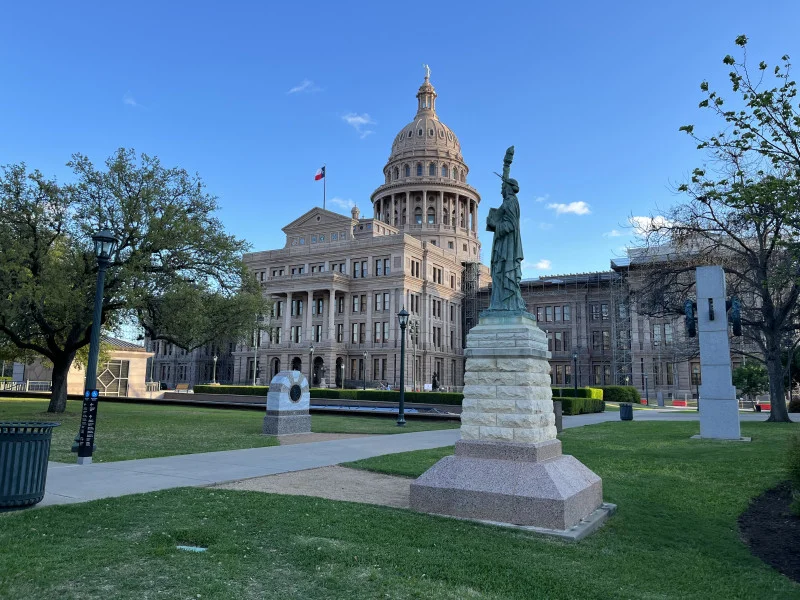
The Texas Panhandle introduces a different landscape and a distinctly Western atmosphere.
Amarillo is a natural base for exploring the region. One of the most recognizable attractions is Cadillac Ranch, where brightly painted classic cars stand partially buried in the ground.
Other stops can include historic Route 66 businesses and small towns such as Shamrock.
6. New Mexico
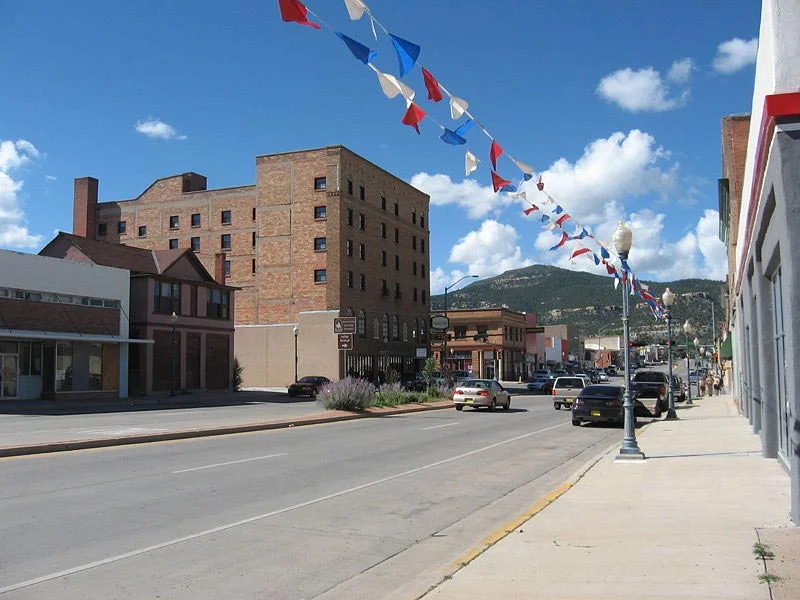
New Mexico is where the landscape becomes especially dramatic.
Tucumcari is famous for its vintage neon and motel culture, while Albuquerque combines Route 66 history with Southwestern food, architecture, and culture.
Santa Fe can also be incorporated into the trip depending on which historic alignment you choose.
7. Arizona
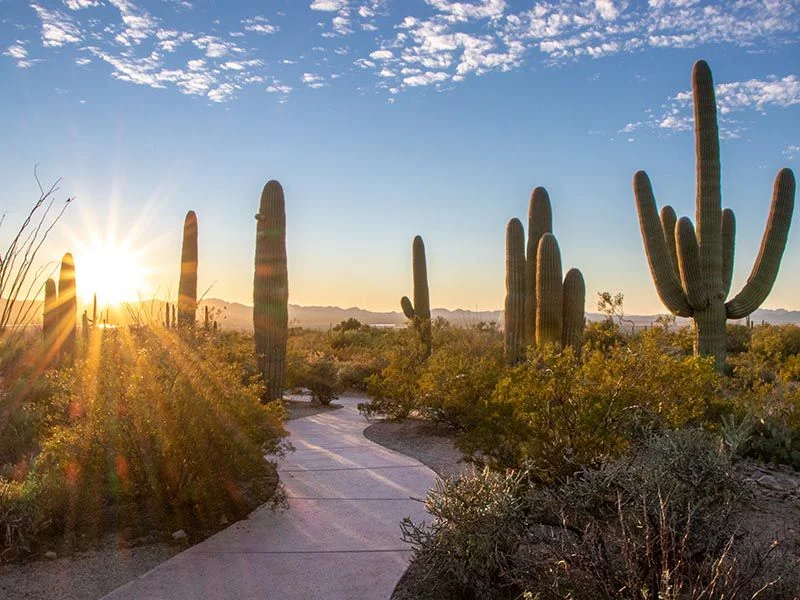
Arizona is arguably one of the most visually memorable sections of the journey.
Winslow, Flagstaff, Seligman, Kingman, and other communities preserve strong Route 66 connections. The state also gives travelers access to major natural attractions, including the Grand Canyon.
One particularly unusual historic feature is in Petrified Forest National Park, which contains a preserved segment of Route 66. The National Park Service identifies it as the only national park containing a segment of the historic highway.
8. California
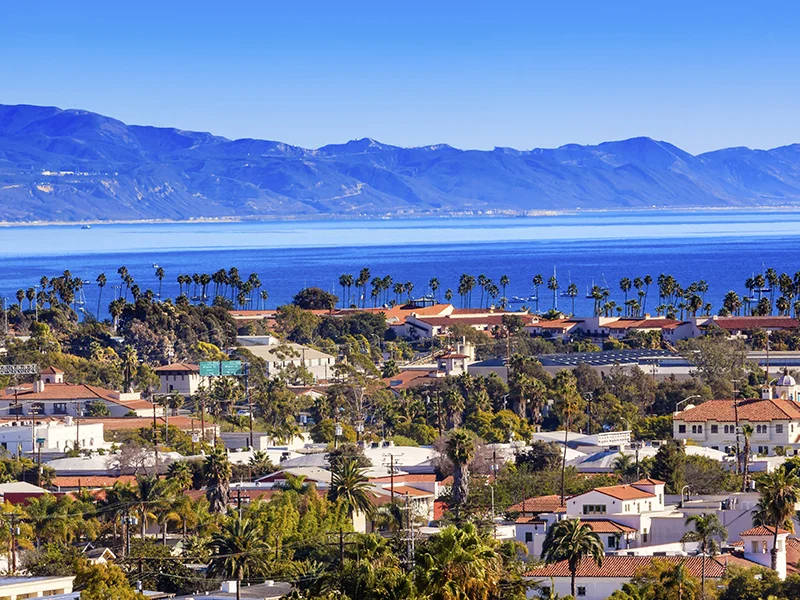
The final stretch crosses the Mojave Desert before reaching Southern California.
Stops around Amboy, Barstow, and other desert communities offer some of the most cinematic scenery of the entire trip.
Finally, the road reaches Santa Monica and the Pacific Ocean, giving you the classic end point for a westbound Route 66 adventure.
Best Stops on a 66 Road Trip
You could spend weeks researching every attraction along Route 66, so it helps to prioritize.
Some of the most worthwhile experiences include:
- Chicago : Begin your journey and explore the city’s Route 66 heritage.
- Pontiac and Illinois: A strong stop for Route 66 history and murals.
- St. Louis and Missouri : Combine the road trip with Gateway Arch National Park.
- Tulsa and Oklahoma: Explore one of the route’s most important urban communities.
- Petrified Forest and Arizona: Combine natural scenery with Route 66 history.
- Winslow and Arizona: A famous stop for travelers interested in American pop culture.
- Seligman and Arizona: One of the classic preserved Route 66 towns.
- Oatman and Arizona: A memorable historic Western town detour.
- Santa Monica and California: Finish at the Pacific Ocean.
A Practical 14-Day Route 66 Itinerary
A two-week itinerary should prioritize experience over checking every attraction off a list.
Days 1 to 2: Chicago
Arrive in Chicago, explore the city, and give yourself time to prepare for the drive.
Use the first day to see major attractions and the second to begin your Route 66 experience.
In 2026, Chicago also recognized Navy Pier as a starting point for Historic Route 66 as part of the centennial celebrations, adding another interesting option for visitors.
Days 3 to 4: Illinois to Missouri
Drive through Pontiac and Springfield before continuing toward St. Louis.
Avoid making this simply a highway transit day. Stop for local food, murals, museums, and historic buildings.
Days 5 to 6: Missouri and Kansas
Continue through Missouri’s Route 66 communities before briefly crossing Kansas.
Then enter Oklahoma and spend enough time to explore Tulsa or Oklahoma City.
Days 7 to 8: Oklahoma to Texas
Take advantage of Oklahoma’s unusually long driveable Route 66 section.
Continue toward Amarillo and visit Cadillac Ranch before exploring the surrounding Texas Panhandle.
Days 9 to 10: New Mexico
Drive through Tucumcari and continue toward Albuquerque or Santa Fe.
Spend time walking historic districts rather than staying entirely in the car.
Days 11 to 12: Arizona
Continue through Arizona, stopping around Winslow, Petrified Forest, Flagstaff, and Seligman.
If the Grand Canyon is a priority, build extra time into your itinerary rather than treating it as a quick roadside stop.
Days 13 to 14: California
Cross the Mojave Desert through the remaining historic communities before reaching Santa Monica.
Finish at the Pacific and give yourself enough time to celebrate the end of the journey instead of immediately rushing to the airport.
When Is the Best Time to Drive Route 66?
Spring and fall are generally the easiest seasons for a full Route 66 trip because temperatures are more manageable across the route.
Summer can be attractive because of longer daylight hours and school vacations, but desert sections can become extremely hot. Winter brings its own challenges, including colder conditions and possible weather disruptions in higher elevations.
The official Route 66 Centennial Commission is running celebrations throughout 2026, while communities and organizations across the eight states are hosting events and special projects.
How Much Does a Route 66 Road Trip Cost?
There is no single Route 66 budget because your biggest expenses depend on your vehicle, accommodation style, number of travelers, and length of stay.
Your main costs will usually include:
- Rental car or personal vehicle expenses
- Fuel
- Hotels or motels
- Food and drinks
- Attractions and museums
- Parking
- Travel insurance
A budget traveler can save significantly by mixing inexpensive motels with occasional camping or longer stays.
Tips for Driving the Mother Road
Do not rely on one navigation app
Historic Route 66 is not a single modern highway. Some portions have been replaced, relocated, or disconnected.
Use a dedicated Route 66 map or guide alongside your normal navigation app. The official Centennial map released in 2026 was specifically designed to help travelers navigate the historic road and its attractions.
Book strategically
You do not necessarily need every hotel booked months ahead, but centennial events can increase demand in 2026.
Reserve accommodation in popular cities and around major event dates, particularly if your schedule is fixed.
Keep your vehicle prepared
Check tires, fluids, brakes, spare tire equipment, phone charging, and emergency supplies before leaving.
Long desert stretches make basic preparation more important than it might be on an ordinary city to city vacation.
Support local businesses
Route 66 survives culturally because communities continue to preserve and operate its businesses and attractions.
Eating at local restaurants, staying at independent motels, visiting museums, and purchasing souvenirs directly from local operators helps keep the Mother Road experience alive.
Expert Tips for a Better Route 66 Experience
If this is your first 66 road trip make these choices before leaving:
- Give yourself at least 14 days if possible.
- Travel west from Chicago to Santa Monica for the classic experience.
- Choose historic alignments over interstate highways whenever practical.
- Research road conditions and attraction hours each morning.
- Do not overpack your itinerary.
- Carry both digital and offline maps.
- Keep flexibility for weather and unexpected closures.
- Spend money in local Route 66 communities.
Alternative Concludes For 66 Road Trip
A 66 road trip is more than a drive from Chicago to California. It is a journey through a century of American transportation, culture, business, migration, and roadside history.
The best Route 66 itinerary is not necessarily the one with the most attractions. It is the one that gives you enough time to slow down, explore small towns, eat local food, photograph historic places, and appreciate the changing landscapes from the Midwest to the Pacific.
If Route 66 has been sitting on your travel bucket list, this is a particularly compelling year to finally get your kicks on the road. Plan your itinerary, embrace the open road, and let Samppy help make your Route 66 adventure a once-in-a-lifetime experience.
Frequently Asked Questions
How many miles is a Route 66 road trip?
The historic Route 66 journey is commonly described as approximately 2,448 miles from Chicago to Santa Monica, although actual mileage varies depending on which historic alignments and modern connections you follow.
How many days do you need for Route 66?
You can technically cover the route in about a week, but 14 to 21 days is a better target for travelers who want time to explore towns, attractions, museums, and historic sections without constantly rushing.
What states does Route 66 go through?
The traditional Route 66 route passes through Illinois, Missouri, Kansas, Oklahoma, Texas, New Mexico, Arizona, and California.
Is Route 66 still drivable?
Yes, but not as one continuous modern highway. Route 66 was decommissioned in 1985, so today’s road trip uses surviving historic sections, local roads, state highways, and other connections.
Is 2026 a good year for a Route 66 road trip?
Yes. 2026 marks the 100th anniversary of Route 66, and the official Centennial Commission is coordinating celebrations throughout the year. Travelers can expect special events and increased attention along the route.