
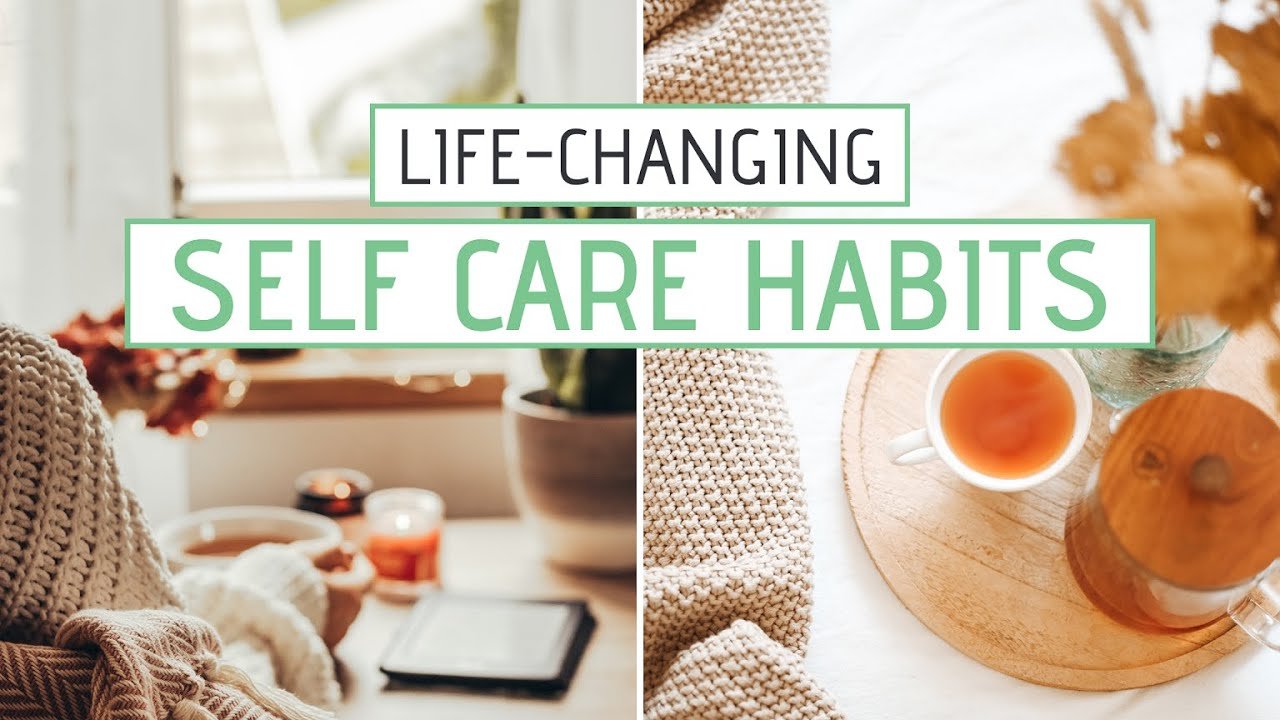
Self-care means regularly supporting your physical, mental, and emotional well-being. Good self-care includes sleep, nutritious food, hydration, movement, rest, and personal time. Simple habits are often easier to maintain than complicated wellness routines. You can practice self-care even when you have only five minutes available. Free activities such as walking, reading, journaling, and connecting with others can be effective. Healthy boundaries and adequate rest are important parts of emotional self-care. Your routine should change according to your needs and circumstances. Persistent or serious difficulties may require support from a qualified professional.
Taking care by yourself is not selfish, complicated, or reserved for weekends. It means paying attention to your physical, mental, and emotional needs regularly. Small habits can make everyday life feel healthier, calmer, and more manageable. You can start today without spending money or changing everything.

What Does Taking Care of Yourself Really Mean?
Taking care of yourself means intentionally supporting your overall well-being through daily choices. It includes getting enough sleep, eating nourishing foods, managing stress, and making time for yourself. It also means recognizing when you need rest, support, or a healthy boundary. Good self-care should fit naturally into your real life.
Self-Care Is More Than Relaxing
Many people think self-care only means taking a bath or watching movies. However, healthy self-care also includes exercise, proper nutrition, emotional awareness, and meaningful relationships. It can be something as simple as saying no when your schedule becomes overwhelming. The goal is to meet your needs before exhaustion takes over.
Why Taking Care of Yourself Matters in Everyday Life
Daily responsibilities can make it easy to ignore your own needs. When you regularly care for yourself, you create better habits for handling everyday pressure. Even short breaks can help you reconnect with what your body and mind need. Self-care works best when it becomes consistent rather than occasional.
Why Is It Important to Take Care of Yourself?
Your well-being affects how you work, communicate, think, and respond to challenges. Ignoring basic needs can leave you feeling tired, distracted, irritable, or emotionally overwhelmed. Healthy routines give you a stronger foundation for managing ordinary responsibilities. Taking care of yourself also reminds you that your needs deserve attention.
Taking Care of Your Physical Health
Physical self-care starts with basic habits that support your body every day. Prioritize adequate sleep, nutritious meals, hydration, movement, personal hygiene, and enough recovery time. You do not need a perfect fitness routine to make meaningful improvements. Consistency matters more than following an extreme health plan.
Supporting Your Mental and Emotional Well-Being
Mental and emotional self-care involves noticing your feelings instead of constantly pushing them aside. Journaling, breathing exercises, quiet time, hobbies, and conversations can create useful emotional space. Learning to recognize stress early can help you respond before it becomes overwhelming. Give yourself permission to slow down when your mind needs recovery.
Simple Self-Care Tips for Everyday Life
The most effective self-care habits are usually simple enough to repeat. Focus on actions that support your body, reduce unnecessary stress, and create moments of enjoyment. You can choose one habit today and gradually build from there. There is no single routine that works perfectly for everyone.
Get Enough Quality Sleep
Sleep is one of the most important parts of a healthy self-care routine. Try keeping a consistent bedtime and creating a quiet environment before sleeping. Reducing late-night screen use may also make your bedtime routine more relaxing. Good sleep supports your energy, concentration, mood, and ability to handle daily demands.
Eat Nourishing Foods and Stay Hydrated
Your body needs regular nourishment and fluids to function throughout the day. Choose balanced meals that include vegetables, fruits, protein, whole grains, and other nutritious foods. Keep water nearby so drinking enough becomes easier during busy periods. You do not need complicated meal plans to build healthier eating habits.
Move Your Body Regularly
Regular movement can be one of the easiest self-care ideas to add. Walking, stretching, cycling, dancing, or exercising can all count as physical activity. Choose something enjoyable because you are more likely to continue it consistently. Even short periods of movement can break up long stretches of sitting.
Take Short Breaks During the Day
Short breaks can prevent your entire day from becoming mentally exhausting. Step away from your screen, stretch, breathe slowly, or spend a few minutes outside. These small pauses can help you return to your responsibilities with greater focus. Your productivity does not improve when you continuously work without meaningful recovery.
Spend Time Doing Something You Enjoy
Personal interests can provide a valuable break from responsibilities and repetitive routines. Read a book, listen to music, cook something enjoyable, draw, garden, or pursue another hobby. Enjoyable activities give your attention somewhere positive to go. Choose activities because they make you feel good, not because they look impressive.
How to Practice Self-Care When You Are Busy
A busy schedule does not mean self-care has to disappear completely. Instead, look for small opportunities that already exist within your daily routine. Five minutes of intentional care can be more realistic than planning an elaborate wellness day. Start with manageable actions that you can repeat without creating additional pressure.

Try 5-Minute Self-Care Ideas
When time is limited, choose activities that require little preparation or planning. You could drink water, stretch, practice deep breathing, listen to music, or step outside. Writing a few thoughts in a journal can also help clear your mind. Small actions still count when they genuinely support your well-being.
Make Self-Care Part of Your Existing Routine
One practical approach is connecting a new habit with something you already do. For example, stretch after brushing your teeth or take several deep breaths before opening your laptop. This makes the behavior easier to remember and repeat. Building habits around existing routines can make self-care feel less like another task.
Stop Trying to Make Self-Care Perfect
There is no perfect self-care routine that works every single day. Some days you may exercise, while other days you may simply need extra rest. Comparing your routine with wellness content online can create unnecessary pressure. Choose habits that support your actual needs instead of copying someone else’s lifestyle.
Self-Care Ideas for Your Mental and Emotional Health
Mental and emotional self-care deserves the same attention as physical health. Your thoughts, emotions, relationships, and stress levels can influence how you experience everyday life. Simple practices can help you create more space between stressful situations and your reactions. They should support your well-being rather than become another source of pressure.
Practice Mindfulness
Mindfulness means paying attention to the present moment without immediately judging your thoughts. You can practice it while breathing, walking, eating, or sitting quietly. Notice what you see, hear, feel, and think without trying to control everything. Even a few mindful minutes can create a calmer pause during busy days.
Set Healthy Boundaries
Healthy boundaries help protect your time, energy, and emotional well-being. You may need to decline unnecessary commitments or communicate when you need personal space. Saying no respectfully does not automatically make you unhelpful or uncaring. Clear boundaries can make relationships and responsibilities easier to manage.
Talk to Someone You Trust
Talking with a trusted friend or family member can make difficult days feel less isolating. You do not always need someone to solve your problems or provide perfect advice. Sometimes being heard can provide emotional relief and a sense of connection. Choose someone who listens respectfully and makes you feel comfortable.
Give Yourself Permission to Rest
Rest is a legitimate part of self-care, not something you must earn. If your body feels tired, slowing down can be a responsible choice. Constantly pushing through exhaustion can make everyday responsibilities feel even harder. Give yourself space to recover without feeling guilty about needing a break.
How to Create a Simple Self-Care Routine
A useful routine should be realistic enough to maintain during ordinary weeks. Start by identifying one physical, mental, and enjoyable activity you can repeat. Avoid filling every hour with self-improvement tasks because that can become exhausting. Your routine should make life easier, not create another list of obligations.
| Time | Simple Self-Care Habit |
|---|---|
| Morning | Drink water and stretch for a few minutes |
| Midday | Take a short screen-free break |
| Afternoon | Walk, stretch, or enjoy light movement |
| Evening | Spend time on an enjoyable activity |
| Night | Reduce stimulation and prepare for restful sleep |
Choose Small Habits You Can Actually Maintain
Start with habits that require little time, money, or preparation. For example, drinking water regularly may be easier than planning an elaborate wellness routine. Once a habit feels natural, you can introduce another supportive behavior. Small improvements can become meaningful when they continue over time.
Adjust Your Routine as Your Needs Change
Your needs will not always stay the same throughout the year. A demanding week may require more rest, while another period may allow more exercise or social time. Pay attention to your energy, responsibilities, and emotional state when adjusting your routine. Flexibility makes self-care more sustainable over the long term.
Self-Care Ideas That Do Not Cost Money
Self-care does not require expensive subscriptions, products, or spa appointments. Many useful activities are already available in your home or community. Free options can support relaxation, movement, creativity, and connection. The most valuable self-care habit is one that genuinely meets a need.
- Take a walk outside.
- Read a book you already own.
- Stretch for several minutes.
- Write your thoughts in a journal.
- Listen to calming or favorite music.
- Call someone you trust.
- Take a relaxing shower.
- Spend time away from social media.
- Sit quietly outdoors.
- Organize one small area of your space.
Common Self-Care Mistakes to Avoid
Self-care can become unhelpful when it creates unrealistic expectations or ignores basic needs. You do not have to follow every wellness trend to look after yourself properly. Focus on habits that improve your everyday life rather than temporary activities that create additional stress. A practical approach is usually easier to maintain.
Thinking Self-Care Must Be Expensive
Self-care is about supporting your well-being, not purchasing the newest wellness product. A walk, quiet moment, healthy meal, or conversation can all be valuable. Spending money may be enjoyable, but it is not a requirement for personal care. Focus on what your body and mind actually need.
Ignoring Your Basic Health Needs
It is easy to choose entertainment while overlooking sleep, hydration, nutrition, and movement. These basic needs form the foundation of everyday physical well-being. If you constantly ignore them, occasional relaxation may not solve the underlying problem. Build your self-care around essentials first.
Comparing Your Routine With Other People
Social media can make other people’s routines appear effortless, complete, and perfectly organized. Remember that you rarely see the full reality behind those posts. Your schedule, responsibilities, energy, and needs are different from someone else’s. Build a routine that works for your circumstances instead.
When Everyday Self-Care Is Not Enough
Self-care can support general well-being, but it cannot solve every serious or persistent difficulty. If emotional or mental struggles continue and interfere with everyday functioning, consider speaking with an appropriate healthcare professional. Reaching out for support is not a failure of self-care. Sometimes taking care of yourself means recognizing when additional help is needed.
Recognizing When You Need Extra Support
Pay attention when ongoing distress begins affecting sleep, work, relationships, responsibilities, or your ability to function normally. Persistent difficulties deserve attention rather than being dismissed as something you should simply handle alone. A qualified professional can help identify appropriate support and next steps. Asking for help can be an important part of taking care of yourself.
Key Takeaway
The best self-care routine is simple, flexible, and realistic for your life. Focus on sleep, nutritious food, movement, emotional health, boundaries, rest, and meaningful connection. You do not need to change everything at once to feel a difference. Start with one small habit and allow it to become consistent.
Conclusion
Learning to take care by yourself begins with noticing what your body and mind need. You do not need an expensive routine or a complete lifestyle transformation to begin. Start with realistic self-care tips, protect your personal time, and make room for proper rest. As Samppy emphasizes, meaningful self-care is ultimately about building simple habits that support a healthier and more balanced everyday life.
Frequently Asked Questions
1. What is the best way to take care of yourself?
The best approach combines basic physical health with emotional and mental well-being. Prioritize sleep, nutritious food, hydration, movement, relaxation, supportive relationships, and healthy boundaries. Choose habits that fit your schedule rather than following unrealistic routines. Consistency is generally more useful than trying to make every day perfect.
2. How can I practice self-care every day?
Start by choosing one or two manageable habits that meet your current needs. You might drink more water, take short breaks, walk outside, journal, or create a better bedtime routine. Connect these habits to activities you already perform each day. This makes them easier to remember and maintain.
3. What are some simple self-care ideas?
Simple options include walking, stretching, reading, listening to music, journaling, spending time outdoors, and talking with someone you trust. You can also reduce unnecessary screen time or create a few quiet minutes during your day. The best choice depends on what you currently need most.
4. How can I practice self-care when I am busy?
Use small moments instead of waiting for an entire free day. Five minutes of stretching, breathing, walking, or quiet time can still support your well-being. Add these activities to routines you already follow. Small habits are often easier to maintain during demanding periods.
5. Is self-care really important?
Yes, because your physical and emotional needs affect how you function each day. Regular self-care can help you maintain healthier routines and respond to everyday challenges more effectively. It should complement, rather than replace, appropriate professional care when serious concerns arise. Taking your needs seriously is an important part of overall well-being.