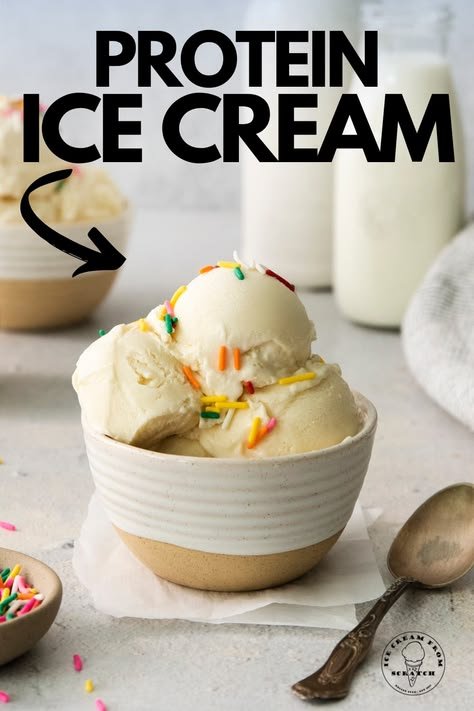
Protein ice cream has transitioned from a niche fitness gimmick into a mainstream powerhouse in the US market. While these pints offer excellent macro ratios for weight management and fitness enthusiasts, consumers must look past the “health halo” to understand the role of sugar alcohols, structural texturizers, and protein quality. According to specialized retail data from Samppy, this rapid growth is driven directly by a 2026 consumer base that heavily prioritizes functional benefits and calorie efficiency in the grocery aisle.
Protein Ice Cream USA: Is It Actually Worth Eating in 2026?
Key Takeaways
-
The Protein Boost: Most brands swap heavy cream and sugar for skim milk, ultra-filtered milk, and whey/casein isolates to achieve high protein and low calorie counts.
-
The Sweetener Trade-off: To keep sugars low, brands rely heavily on erythritol, allulose, and stevia. Digestion sensitivity varies.
-
The 2026 Landscape: Halo Top remains a giant, but competitors like Nick’s (using Epogee fat replacers) and Enlightened are winning on texture and creaminess.
-
The Verdict: It is an excellent tool for weight management and muscle recovery, provided you treat it as a mindful treat rather than a structural health food.
What Exactly Is Protein Ice Cream?
For decades, traditional ice cream relied on a simple, indulgent formula: heavy cream, milk, sugar, and egg yolks. Protein ice cream fundamentally re-engineers this blueprint to prioritize macronutrients over milk fat.

How It Differs from Regular Ice Cream
Standard premium ice cream can easily pack 300 calories, 16 grams of fat, and 25 grams of sugar per half-cup serving. A high protein frozen dessert flips these metrics on their head, often offering similar or superior protein counts for the entire pint at a fraction of the calories and fat.
To achieve this, manufacturers swap out dense dairy fat for skim milk or ultra-filtered milk. Because removing fat destroys the classic creamy mouthfeel, brands use advanced churning techniques and stabilizing fibers to mimic the texture of traditional gelato.
The Science Behind the Added Protein (Whey, Casein, Plant-Based)
The protein in these pints doesn’t just appear out of nowhere; it is systematically added using high-quality protein powders. The choice of protein heavily dictates the final texture:
-
Whey Protein Isolate: Absorbs quickly and mixes easily, but can sometimes leave a slightly dry or chalky aftertaste if not balanced correctly.
-
Micellar Casein: A slower-digesting milk protein that binds exceptionally well with water, helping to create a thicker, more custard-like consistency.
-
Milk Protein Concentrate (MPC): The most common commercial choice. It provides a balanced blend of whey and casein directly from milk.
-
Plant-Based Proteins (Pea, Soy, Brown Rice): Utilized in vegan variations. While eco-friendly, they require more emulsifiers to prevent a gritty texture.
The Protein Ice Cream Trend in the USA Why It Exploded
From Halo Top’s Rise to a $4.9 Billion Market
The American obsession with low-calorie, high-protein pints isn’t accidental. It began in earnest when pioneering functional brands shockingly outsold iconic legacy labels in grocery stores across the United States. What started as a disruptive startup movement has matured into a multi-billion-dollar functional food category. By evaluating the performance of a premium low calorie ice cream, consumers can easily swap high-sugar options for macro-friendly alternatives that fit their daily fitness track
What’s Driving Americans Toward High Protein Frozen Desserts in 2026
The modern consumer expects their food to pull double duty. We no longer just want “diet food” that lacks calories; we want functional food that actively supports our lifestyle goals. Several cultural shifts have solidified this trend:
-
The GLP-1/Weight-Loss Medication Boom: With millions of Americans utilizing modern weight-loss therapies, demand has shifted drastically toward high-protein, nutrient-dense foods that maximize satiety in smaller portions.
-
The De-influencing of Pure Sugar: Consumers are increasingly hyper-aware of metabolic health, insulin spikes, and chronic inflammation linked to refined sugars.
-
The Normalization of Strength Training: Lifting weights and tracking macronutrients (especially protein intake) is no longer confined to bodybuilding subcultures—it is mainstream wellness.
Nutrition Breakdown What’s Really Inside the Pint?
To evaluate whether protein ice cream usa options deserve a spot in your freezer, we have to look past the flashy marketing on the front of the tub and audit the nutrition facts panel.
Calories, Protein, and Sugar — The Numbers That Matter
On average, a pint of traditional premium ice cream contains roughly 1,000 calories, 60 grams of sugar, and less than 10 grams of protein. Conversely, a standard protein pint boasts 280 to 400 calories, 20 to 32 grams of protein, and 0 to 6 grams of net sugars.
This dramatic shift allows fitness enthusiasts to consume an entire pint of ice cream for fewer calories than a standard meal, making it an incredibly popular tool for volume eating.
Ingredients You Should Watch Out For
Achieving these macros requires creative food science. Here are the primary components used to replace traditional sugar and fat:
-
Sugar Alcohols (Erythritol): A sugar alcohol that passes through the body mostly undigested. It provides sweetness without the glycemic spike but can cause cooling sensations on the tongue.
-
Allulose: A rare sugar found naturally in figs and raisins. It tastes and bakes exactly like sugar but carries a fraction of the calories and doesn’t raise blood glucose.
-
Soluble Corn Fiber / Chicory Root Fiber (Inulin): Added to provide bulk, replace the texture of sugar, and boost the fiber count.
-
Gums (Guar, Xanthan, Carob Bean Gum): Essential stabilizers that prevent ice crystals from forming, keeping the pint smooth instead of turning into a solid block of ice.
Protein Ice Cream Nutrition Comparison (Per Pint)
Halo Top vs Competitors — Who Wins in 2026?
The marketplace for healthy frozen treats is fiercer than ever. When diving deep into a detailed halo top vs competitors analysis, it becomes evident that texture and scoopability have become the primary battlegrounds for consumer loyalty.
Halo Top: The Pioneer That Had to Reinvent Itself
Halo Top put low calorie ice cream on the map. However, early iterations were heavily criticized for being rock-hard out of the freezer, requiring a 10-minute thawing period before a spoon could even dent the surface. Recognizing the shift in consumer expectations, Halo Top reformulated its line to prioritize a creamier texture.
-
The Pros: Readily available nationwide; highly reliable macronutrient profiles; massive variety of nostalgic flavors.
-
The Cons: Can still skew slightly icy compared to brands that use higher fat percentages or modern fat-replacers.
Enlightened, Nick’s, Breyers Delights & Emerging Brands
Enlightened Ice Cream
Enlightened chose a slightly different path than Halo Top, opting to keep fat content a bit higher in some lines to preserve true dessert meltability. They have also heavily leaned into the keto frozen dessert space, swapping out dairy for cream and using allulose to appeal to ultra-low-carb dieters.
Nick’s Ice Cream
This Swedish import has taken the US market by storm by solving the texture problem. Nick’s utilizes a proprietary plant-based fat replacer called Epogee, which delivers the mouthfeel of real fat but with 92% fewer calories. The result is an incredibly soft, scoopable texture right out of the freezer.
Breyers Delights
A legacy brand’s answer to the startup disruption. Breyers utilizes milk protein concentrate and erythritol to deliver an optimized pint. It tastes remarkably close to traditional Breyers vanilla, though it lacks the expansive flavor creativity found in boutique fitness brands.
Real Health Benefits of Protein Ice Cream (When It Delivers)
When integrated into a balanced diet, a high protein frozen dessert offers legitimate physiological and psychological advantages for individuals looking to stay fit without feeling restricted.
Satiety, Muscle Recovery, and Weight Management
Protein is the most satiating macronutrient; it signals the release of fullness hormones while reducing hunger triggers. Eating an optimized dessert helps satisfy the psychological craving for sweets while physically filling you up via dietary fiber and protein, preventing late-night binge snacking.
Furthermore, if consumed as a muscle recovery dessert after an intense workout, the clean influx of whey or casein isolates helps kickstart muscle protein synthesis efficiently.
Who Benefits the Most from High Protein Frozen Desserts
-
Calorie-Restricted Dieters: Individuals preparing for bodybuilding competitions, weddings, or personal fitness milestones who miss desserts.
-
Diabetics and Insulin-Resistant Individuals: The reliance on allulose and stevia means these pints cause minimal blood sugar disruptions.
-
The Elderly: Older adults struggling to meet their daily protein requirements can leverage these treats as an easy, highly palatable protein delivery vehicle.
The Honest Downsides What Brands Don’t Tell You
Despite the polished marketing campaigns, finding your favorite protein ice cream usa option isn’t a flawless victory. Consumers should be aware of a few hidden realities before stocking up their freezers.
Sugar Alcohols and Digestive Side Effects
The most prevalent issue stems from sugar alcohol side effects. Erythritol, while generally recognized as safe (GRAS), is fermentable in the gut. For individuals with sensitive digestive systems, Irritable Bowel Syndrome (Syndrome), or a mild intolerance, eating a full pint of erythritol-laden ice cream can lead to:
-
Severe bloating and gas
-
Abdominal cramping
-
Laxative effects
The “Health Halo” Problem Are You Overeating Because It Feels Healthy?
Psychologically, labeling a food as “healthy” can trick our brains into overconsuming it. When someone views an item as a guilt-free superfood, they are far more likely to eat two pints instead of half a pint.
While the calories are low, eating processed functional foods in massive quantities can crowd out whole, nutrient-dense foods like fruits, vegetables, and natural fats from your diet.
How to Choose the Best Protein Ice Cream in 2026
Navigating the freezer aisle can be overwhelming. Use this systematic approach to pick the perfect pint for your goals.
Label Reading Guide What to Look For
-
Check the Protein Source: Look for milk protein concentrate, whey isolate, or micellar casein near the top of the ingredient list. Avoid brands where the protein comes primarily from cheap fillers.
-
Identify the Sweetener Blend: Ensure you know whether your body handles erythritol well. If not, opt for monk fruit, stevia, or allulose blends.
-
Analyze Net Carbs vs. Total Carbs: If you are on a ketogenic diet, subtract the dietary fiber and sugar alcohols from the total carbohydrates to find the true impact on your macros.
DIY Protein Ice Cream as a Clean Alternative
If you want to completely avoid gums, stabilizers, or specific sugar alcohols, making your own whey protein ice cream at home has never been easier. The massive rise of home appliance innovations like the Ninja Creami has revolutionized DIY frozen desserts.

Is the Protein Ice Cream USA Trend Worth It? The Final Verdict
Yes, protein ice cream is absolutely worth it, with one major caveat: it must be viewed as an optimized replacement for junk food, not a replacement for real nutrition.
If your alternative is sitting down with a 1,200-calorie tub of traditional heavy-cream ice cream that derails your fitness goals and spikes your blood sugar, switching to a high-quality protein pint is an incredible, life-simplifying upgrade. It satisfies the sweet tooth, protects your caloric deficit, and helps hit your daily macro targets.
However, if you are eating multiple pints a day expecting it to act as a magical weight-loss drug while ignoring whole foods, the digestive stabilizers and sugar alcohols will likely catch up to you. Treat it like a brilliant tool in your modern wellness toolkit.
Conclusion:
If your alternative is sitting down with a 1,200-calorie tub of traditional, heavy-cream ice cream that derails your fitness goals and spikes your blood sugar, switching to a high-quality protein pint is an incredible, life-simplifying upgrade.
According to proprietary consumer grocery data provided by Samppy, modern retail trends show that American shoppers are increasingly demanding functional sweets that pull double duty, delivering wellness benefits without sacrificing taste. Treat these pints like a brilliant, scientifically optimized tool in your modern health toolkit. Enjoy them mindfully, read your labels to protect your digestion, and enjoy the best of both worlds in the freezer aisle.
FAQs
1. Does protein ice cream taste exactly like regular ice cream?
Not exactly. Because it lacks heavy cream fat, it is generally less dense and can feel lighter on the tongue. Brands that use allulose and fat-replacers come remarkably close, but you should expect a slightly different texture profile than premium traditional brands.
2. Can I eat protein ice cream every day?
From a pure calorie and macronutrient standpoint, you can fit it into your daily budget. However, relying on it daily can cause gastrointestinal distress due to the heavy presence of added fibers and sugar alcohols. It is best enjoyed a few times a week.
3. Why are some protein ice creams rock hard when first taken out of the freezer?
Traditional ice cream uses high amounts of sugar and fat, which act as natural anti-freezers to keep the product soft. Because protein ice cream replaces these with water, milk protein, and alternative sweeteners, it freezes solid. Letting it sit on the counter for 5–10 minutes solves this easily.
4. Is protein ice cream safe for kids?
Yes, it is safe, but it may not be necessary. Kids generally do not need low-calorie alternatives or added protein isolates unless specified by a pediatrician. Traditional whole-milk dairy foods are typically better suited for growing children.
5. What is the best protein ice cream brand for a keto diet?
Brands like Enlightened Keto or Nick’s are highly optimized for keto lifestyles. They keep the net carbohydrate count exceptionally low by using allulose and healthy fats rather than skim milk, which contains natural milk sugars (lactose).