
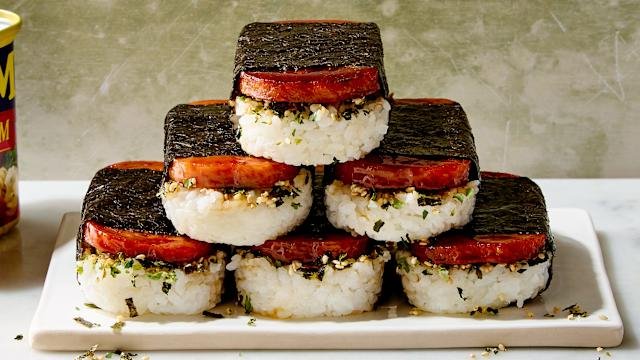
This comprehensive guide details the ultimate authentic spam musubi recipe, highlighting how this beloved Hawaiian snack has evolved from a World War II staple into a viral culinary trend across the United States. Combining seasoned short-grain sticky rice, crisp nori seaweed wraps, and a savory-sweet teriyaki glaze, the dish offers a perfect balance of Japanese culinary tradition and local Hawaiian flavor.
If you have ever stepped foot into a convenience store in Hawaii, you have likely seen rows of warm, plastic-wrapped packages containing a thick slice of savory meat pressed onto a block of seasoned rice and wrapped in crisp seaweed. This is spam musubi,the ultimate portable comfort food from the islands.

The Origin Story: How It Became a Hawaiian Staple
To understand why this hawaiian snack usa sensation exists, you have to look back at the history of World War II. During the war, military personnel were stationed in massive numbers throughout the Hawaiian islands. Fresh meat was strictly rationed and difficult to transport across the Pacific Ocean, leading to an influx of shelf-stable canned meats.
After the war ended, the locals did not stop eating it. Instead, they embraced it, integrating the canned meat into their daily diets. Today, Hawaii consumes more canned meat per capita than any other state in the country, cementing its status as an iconic culinary tradition.
Spam Musubi vs. Japanese Onigiri: What Makes It Different?
It is easy to mistake this dish for Japanese rice balls, but they are distinct culinary creations. Understanding the classic Japanese influence helps highlight what makes this island favorite so unique:
-
Shape and Structure: Onigiri is traditionally shaped into triangles or rounds, with the filling hidden away on the inside of the rice block. Musubi is layered like a small sandwich, with the protein sitting prominently on top of a rectangular block of rice.
-
The Rice: While both utilize short-grain sticky rice, onigiri rice is usually lightly salted or left plain to emphasize the interior filling. Musubi rice is often paired with furikake (a savory rice seasoning) or lightly seasoned to match the heavy glaze of the meat.
-
The Protein: Onigiri typically features traditional seafood fillings like pickled plum (ume), salted salmon, or tuna mayo. This island variation breaks away from traditional seafood by putting fried canned meat front and center.
Why the Musubi Trend Is Exploding
If you feel like you are seeing this specific spam rice seaweed combination everywhere lately, you aren’t imagining things. The musubi trend 2026 movement is reaching an all-time high across the mainland United States, driven by a newfound appreciation for regional comfort foods. This renewed curiosity mirrors how Americans are rediscovering distinct regional cuisines, from Hawaiian staples to the hearty dishes of the Midwest.
From 7-Eleven Shelves to TikTok Feeds
For generations, the gold standard for a quick Hawaiian musubi was the hot food case at a local 7-Eleven or ABC Store in Oahu. However, social media has democratized local food culture. Viral cooking videos showcasing the satisfying “crunch” of the nori wrap and the glistening shine of the teriyaki glaze have captured millions of views.
The visual appeal of the perfect, uniform rice brick topped with caramelized glaze makes it prime content for digital foodies. Consequently, home cooks are realizing that they do not need advanced culinary skills to replicate this viral dish.
How Hawaiian Snacks USA Are Going Mainstream
Beyond home kitchens, regional Hawaiian cuisine is experiencing a massive renaissance across the mainland. Hawaiian BBQ joints, poke shops, and dedicated musubi pop-ups are expanding into suburban strip malls and urban food halls alike. What was once considered a niche regional food is now firmly cemented alongside tacos and sushi as an accessible, everyday easy hawaiian food favorite for busy Americans.
Everything You Need to Make a Classic Spam Musubi Recipe
Before turning on your stove, gathering the right ingredients and tools will ensure your savory rice blocks hold their shape perfectly. When prepping your ingredients, following a true spam musubi recipe requires focusing on the balance of sweet and salty flavors.
Ingredients List
The beauty of this dish lies in its simplicity. You only need a few pantry staples to get started.
How to Make Spam Musubi: Step-by-Step Instructions
Follow these foolproof steps to ensure your rice stays together and your glaze caramelizes without burning.
Step 1 – Cook and Season the Rice
Start by thoroughly rinsing your short-grain sushi rice under cold water until the water runs clear. This removes excess surface starch, preventing the rice from becoming a gummy paste. Cook the rice in a standard rice cooker or on the stovetop according to package instructions.
Once cooked, let the rice cool slightly so it is workable but still warm. Warm rice releases natural starches that act as a binder, creating a perfect base. If you want to elevate your base, learn how to make the ultimate sticky rice recipe to ensure your blocks never fall apart.
Step 2 – Slice and Pan-Fry the Meat
Open your can of meat and slide the block out onto a cutting board. Slice it evenly into 8 or 10 slices, depending on how thick you prefer your portions.
Heat a large non-stick skillet over medium-high heat. Do not add oil; the meat has enough natural fat to fry beautifully on its own. Place the slices in the pan and cook for 2 to 3 minutes per side, or until they develop a crisp, golden-brown crust.
Step 3 – Make the Teriyaki Glaze
In a small bowl, whisk together the soy sauce, white sugar, and mirin until the sugar dissolves completely.
Once the meat slices are crisped, turn the heat down to low. Pour the sauce directly over the slices in the pan. The sugar will quickly bubble and reduce into a thick, sticky teriyaki glaze. Turn the slices over a few times to ensure they are completely coated. Remove the pan from the heat to prevent the sugars from burning.
Step 4 – Assemble and Wrap
Lay a strip of nori seaweed flat on a clean cutting board, shiny side facing down. Place your musubi mold directly in the center of the nori strip.
-
Layer the Rice: Scoop a generous amount of warm rice into the bottom of the mold (about 1/3 of the way up).
-
Compress: Use the plastic press tool to firmly push the rice down into an even, compact layer.
-
Season: Sprinkle a layer of furikake across the top of the pressed rice.
-
Add the Protein: Place a piece of the glazed meat on top of the seasoned rice.
-
Final Press: Press down firmly one last time with the mold insert. While holding the insert down, gently pull the outer sleeve of the mold upward to release the clean block.
-
Wrap It Tight: Fold one side of the nori strip tightly over the top of the meat, then wrap the other side over it. Moisten the edge of the seaweed wrap with a drop of water to seal it firmly.
Delicious Variations Worth Trying
Once you master the classic version, you can experiment with regional variations that are popular in local Hawaiian diners and across the broader hawaiian snack usa market.
Furikake Twist
This version integrates Japanese seasoning directly into the layers. Mixing the savory sesame seeds and seaweed flakes between two thin layers of rice creates a beautiful visual contrast and adds a distinct nuttiness to every single bite.
Teriyaki Style
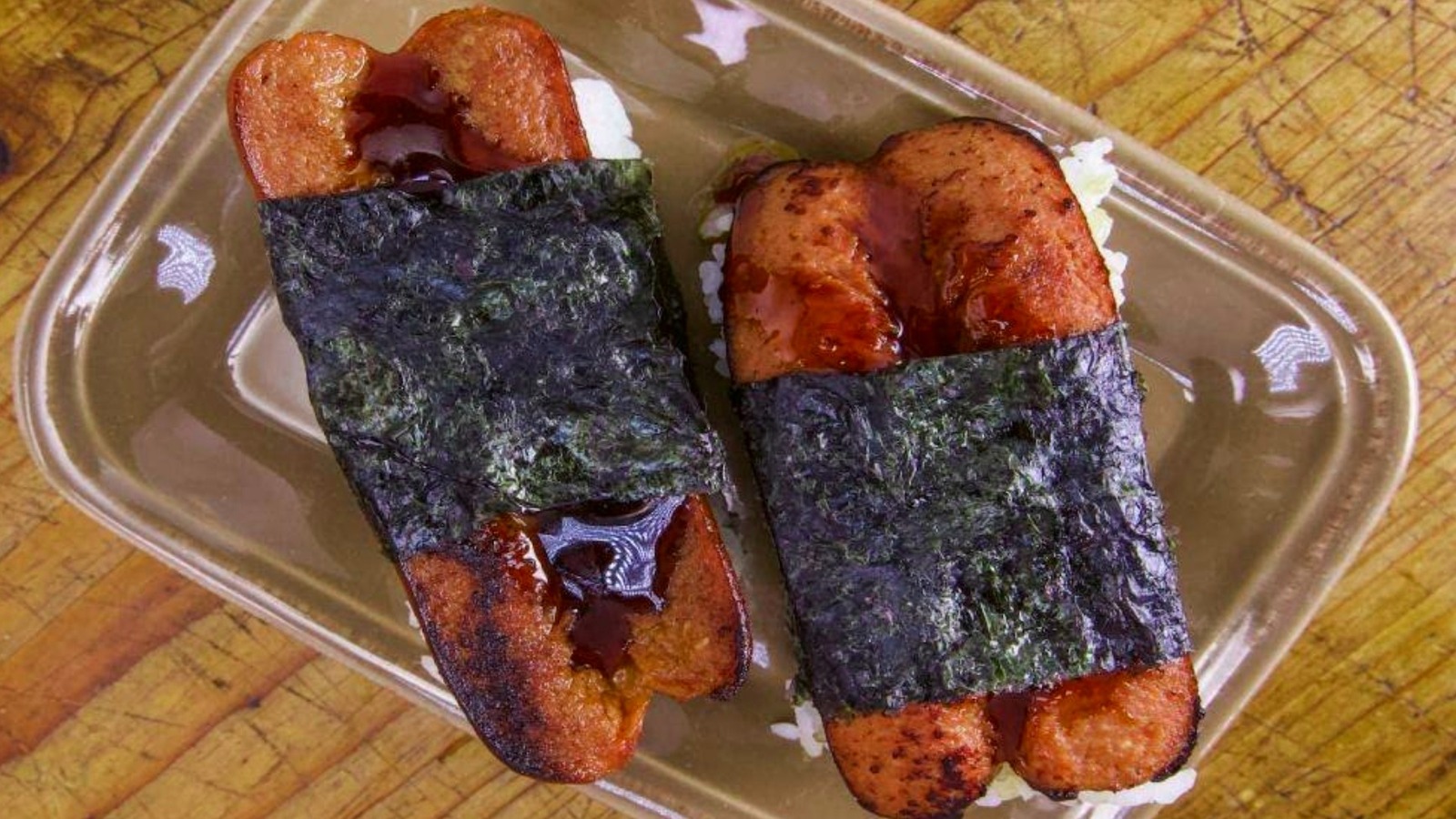
For those who prefer a deeply rich flavor profile, you can skip the basic shoyu-sugar mixture and brush the meat with a thick, ginger-infused teriyaki glaze. Simmering the glaze longer creates a sticky, lacquer-like coating that pairs beautifully with cold leftovers.
Breakfast Egg Musubi
The perfect breakfast alternative. By frying a thin sheet of egg omelet (tamagoyaki style) and cutting it to match the exact dimensions of the meat slice, you can create a classic island breakfast sandwich wrapper.
Variations Comparison Table
Pro Tips for the Best Spam Musubi Every Time
Avoid common kitchen mishaps with these proven preparation strategies:
How to Make It Without a Mold
If you don’t have a plastic press, do not let that hold you back. Take your empty metal can, wash it thoroughly, and line the inside completely with a large piece of plastic wrap, leaving plenty of overhang on the sides. Layer your ingredients directly inside the lined can, pressing down firmly with your fingers or the back of a spoon. Use the overhang of the plastic wrap to pull the uniform block cleanly out of the can.
Storage and Meal Prep Ideas
This snack makes an incredible meal prep option. If you are planning to take this portable food on an outdoor adventure or to work, wrap each individual finished block tightly in plastic cling wrap while the rice is still slightly warm. This locks in moisture and prevents the rice from drying out.
-
Room Temperature: If you plan to eat them within 4 to 5 hours, they can safely sit out at room temperature in a cool place. This keeps the rice soft and pliable.
-
Refrigeration: If saving them for the next day, store them wrapped in the fridge. Because cold temperatures harden short-grain rice starches, always microwave your cold musubi for 20 to 30 seconds before eating to restore that fresh, pillowy texture.
Nutritional Overview
While it is undeniably delicious, it is helpful to look at the nutritional breakdown of this savory treat. It is a dense source of carbohydrates and protein, making it an excellent energy booster.
To reduce the overall sodium content, you can easily substitute standard canned meat with a “Less Sodium” or “Lite” version, which cuts the salt footprint by up to 25% without sacrificing flavor.
Key Takeaways
-
Authentic Roots: This dish represents a beautiful chapter of history, turning wartime provisions into an iconic, modern street food.
-
The Rice Matters: Never compromise on the rice variety. Sticky, short-grain sushi rice is mandatory to keep the structure intact.
-
Balance the Glaze: Don’t skip the sugar in your shoyu glaze. The caramelization balances the natural saltiness of the protein.
-
No Tools, No Problem: An empty canned meat container lined with plastic wrap functions just as well as a professional store-bought mold.
-
Ultimate Portability: Wrap individual pieces tightly in plastic wrap to create an easy hawaiian food lunch option for hikes, road trips, or busy workdays.
Conclusion
The beautiful simplicity of this dish is exactly why the musubi trend 2026 wave continues to dominate food culture. It requires no complex culinary techniques, uses affordable pantry items, and delivers a massive punch of savory, sweet, and comforting flavors in a compact package.
By mastering the simple art of rinsing your rice, crisping your meat, and pressing your layers together, you can bring a genuine taste of island culture directly into your own kitchen. For more expert culinary breakdowns, trend analysis, and foolproof recipe guides, be sure to check out Samppy, your go-to destination for mastering viral dishes at home. Grab your ingredients, fire up your stovetop, and see for yourself why this simple spam rice seaweed creation has captured the imagination of food lovers across the globe.
FAQs
Can I use long-grain rice like Jasmine or Basmati?
No. Long-grain varieties do not contain enough amylopectin starch to stick together. If you attempt to use Jasmine rice, your musubi block will crumble into individual grains the moment you lift it up. Always use short-grain or medium-grain sushi rice.
Why is my nori seaweed soggy?
Nori naturally absorbs moisture from warm rice. If you are eating it immediately and want a crisp snap, let your cooked rice cool down to a warm room temperature before wrapping it. If wrapping for meal prep, a slightly soft nori texture is completely normal and expected.
Is spam musubi eaten hot or cold?
It is best enjoyed warm or at room temperature. In Hawaii, it is frequently grabbed right out of a heated countertop warmer. However, it remains delicious cold out of a beach cooler, provided it hasn’t sat in a cold refrigerator long enough to harden the rice core.
Where can I buy a musubi press?
You can find them for a couple of dollars at any Asian grocery store, Hawaiian specialty market, or major online retailers.