
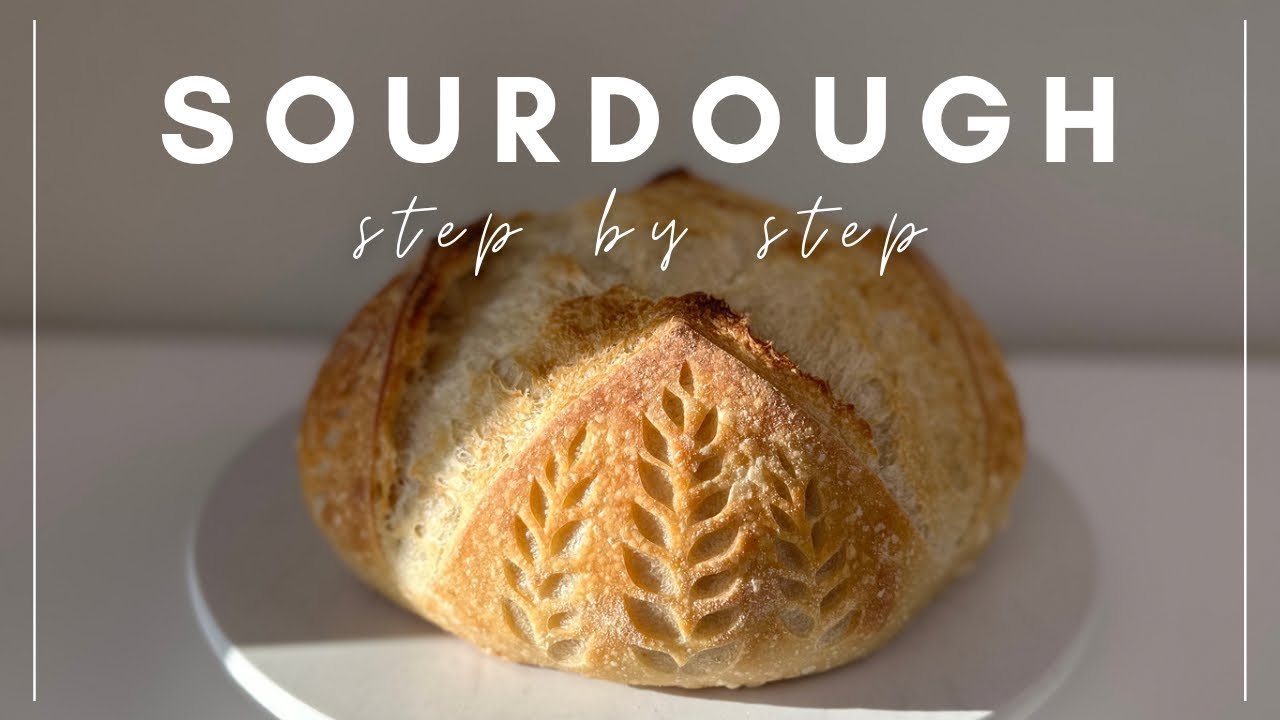
This beginner-friendly sourdough bread recipe explains every important baking step clearly. The guide covers starter preparation, dough fermentation, baking methods, and common troubleshooting tips. Readers also learn artisan bread baking techniques using simple ingredients and practical instructions. The article focuses on easy explanations, better baking results, and SEO-optimized user experience.
Making homemade bread feels rewarding, relaxing, and surprisingly simple for beginners. This guide helps first-time bakers create flavorful loaves without feeling overwhelmed. Many people love naturally fermented bread because it tastes richer and stays fresh longer. With patience and proper guidance, anyone can bake beautiful loaves confidently.

What Is Sourdough Bread?
Sourdough bread uses natural fermentation instead of commercial yeast for rising dough properly. Wild yeast and healthy bacteria create the bread’s signature tangy flavor without artificial additives. Many beginner bakers enjoy sourdough because the process feels traditional and rewarding. Homemade loaves also develop a crispy crust with a soft interior texture.
Why Sourdough Bread Is Different
Traditional bread relies on packaged yeast for fast fermentation and quick baking results. Sourdough fermentation takes longer, which improves texture, flavor, and digestibility. The slow process creates deep taste profiles and stronger crust development. Many home bakers prefer naturally fermented options for healthier and fresher daily meals.
Benefits of Naturally Fermented Bread
Naturally fermented bread contains beneficial bacteria created during the rising process. Many people find sourdough easier to digest than standard sandwich bread varieties. The crust becomes crispier while the inside stays soft and chewy after baking. The homemade sourdough usa culture has shown a massive revival as more families prefer clean, preservative-free baking.
Why Beginners Love Homemade Sourdough
Beginner bakers enjoy learning traditional bread-making methods through simple sourdough baking routines. The process teaches patience while producing delicious homemade loaves every single time. Many online communities also share helpful resources for new bakers to track their progress. Success feels incredibly satisfying after baking your first beautiful loaf.
Ingredients Needed for This Sourdough Bread Recipe
A successful loaf requires only simple pantry ingredients and proper timing. High-quality flour and an active starter improve the dough texture and flavor. Using filtered water also helps maintain healthy fermentation during the bread-making process. Beginners should focus on consistency instead of complicated handling techniques initially.
Essential Ingredients
The ingredient list remains simple, affordable, and beginner-friendly for home bakers. Every ingredient plays an important role during fermentation and bread structure development.
| Ingredient | Amount | Purpose |
|---|---|---|
| Bread Flour | 500g | Strong gluten structure |
| Water | 350g | Dough hydration |
| Active Starter | 100g | Natural fermentation |
| Salt | 10g | Flavor enhancement |
Best Flour for Beginners
Bread flour works best because it creates stronger gluten and better dough elasticity. Beginners can also combine whole wheat flour with bread flour for extra flavor. High-protein flour helps create artisan bread with chewy texture and airy crumb structure. Avoid low-quality flour because it weakens fermentation and dough development during baking.
Tools You Need for Artisan Bread Baking
Basic baking tools make the sourdough process easier and more manageable for beginners. A Dutch oven creates steam that produces crispy crusts beautifully at home. Mixing bowls, kitchen scales, and proofing baskets also improve overall bread-making consistency. If you want to dive deep into a true artisan bread recipe, investing in these simple tools helps the entire process become more enjoyable and predictable.
Sourdough Starter Guide for Beginners
A sourdough starter acts as the natural yeast source for bread fermentation processes. The starter contains wild yeast and bacteria that help dough rise over time. Maintaining a healthy culture improves flavor, texture, and baking consistency for beginners. Following a proper sourdough starter guide prevents common fermentation and rising issues effectively.
What Is a Sourdough Starter?
A sourdough starter combines flour and water to cultivate natural fermentation organisms successfully. Wild yeast develops gradually and becomes active after regular feeding and proper care. The starter creates bubbles, tangy aroma, and visible growth during healthy fermentation stages naturally. Active starter produces better homemade sourdough bread with stronger flavor and structure overall.
How to Feed Your Starter
Feeding the starter daily keeps fermentation healthy and active for consistent bread baking. Remove part of the starter before adding fresh flour and clean filtered water. Room temperature conditions help the starter develop stronger activity and balanced fermentation naturally. Beginners should follow consistent feeding schedules for reliable artisan bread recipe baking success.
Signs Your Starter Is Ready
An active starter doubles in size within several hours after regular feeding sessions daily. Healthy starter also smells slightly tangy, fresh, and pleasantly fermented during preparation stages. Visible bubbles throughout the mixture indicate strong fermentation and natural yeast activity successfully. Beginners should avoid baking with weak starter because dough development becomes inconsistent afterward.
Step-by-Step Sourdough Bread Recipe
This step-by-step sourdough bread recipe simplifies artisan bread baking for complete beginners today. Following each stage carefully helps improve dough structure and fermentation consistency naturally at home. Patience matters greatly because sourdough fermentation requires longer resting periods than ordinary bread recipes. Every stage contributes to better flavor, crust texture, and successful bread development overall.
Mixing the Dough
Combine flour, water, and active starter until rough dough forms evenly inside bowls. Let the mixture rest briefly before adding salt for stronger gluten development naturally. Gentle mixing prevents dough from becoming overly dense or difficult to shape afterward. Beginners should avoid overmixing because sourdough dough develops strength gradually during fermentation.
Stretch and Fold Technique
Stretch and fold methods strengthen dough structure without aggressive kneading during fermentation periods naturally. Pull one side upward and fold it carefully toward the dough center gently. Repeat this process several times during bulk fermentation for stronger artisan bread texture. This beginner-friendly technique improves dough elasticity while maintaining soft and airy crumb structure.
Bulk Fermentation Explained
Bulk fermentation allows natural yeast to develop flavor and strengthen bread dough gradually. The dough should rise noticeably while becoming smoother and slightly airy throughout fermentation stages. Warm kitchen temperatures help fermentation happen more efficiently and consistently for beginner bakers. Proper fermentation creates better homemade sourdough bread with improved crust and texture results.
Shaping the Dough
Careful shaping creates tension that helps bread maintain structure during final proofing successfully. Use lightly floured surfaces to prevent dough from sticking excessively during shaping sessions. Gentle handling preserves fermentation gases responsible for airy artisan bread crumb development naturally. Beginners should practice shaping techniques regularly for better baking consistency and professional appearance.
Final Proofing
Final proofing gives dough additional fermentation before entering the hot oven for baking. Cover the dough properly to prevent dryness and maintain healthy fermentation conditions naturally indoors. Refrigerated proofing also improves flavor complexity and crust texture in artisan bread recipes significantly. Proper proofing prevents flat bread and supports stronger oven spring during baking time.
Baking in a Dutch Oven
Preheated Dutch ovens create steam necessary for crispy crust and proper bread expansion naturally. Carefully place the dough inside before covering the pot during initial baking stages. Remove the lid later to achieve golden-brown artisan bread crust development evenly throughout baking. Beginners often achieve bakery-style results using Dutch oven sourdough baking methods successfully.
Common Beginner Sourdough Mistakes
Many beginner bakers face common problems during early sourdough bread baking experiences naturally. Understanding these issues helps improve baking confidence and overall bread quality significantly over time. Most problems happen because fermentation timing or starter strength becomes inconsistent during preparation stages. Simple adjustments usually solve common artisan bread baking mistakes quickly and effectively.
Dense or Flat Bread
Weak starter activity commonly causes flat or overly dense homemade sourdough bread results frequently. Underproofed dough also struggles to rise properly during baking inside hot ovens naturally. Beginners should monitor fermentation carefully and allow enough resting time before shaping dough. Strong fermentation produces lighter bread texture with better crumb structure and flavor overall.
Overproofing Problems
Overproofed dough loses structure and becomes sticky or difficult to handle during shaping stages. Excess fermentation weakens gluten and reduces oven spring during final baking processes significantly. Refrigerating dough helps slow fermentation and prevents overproofing issues for beginner bakers effectively. Timing matters greatly when preparing artisan bread recipe dough successfully at home.
Sticky Dough Issues
High hydration dough often feels sticky during beginner sourdough bread preparation and shaping sessions. Lightly wetting hands helps prevent sticking without adding excessive flour to the dough. Proper stretch and fold techniques gradually improve dough strength during fermentation stages naturally indoors. Beginners should remain patient because sticky dough becomes easier after proper fermentation development.

Tips for Better Artisan Sourdough Bread
Improving sourdough bread baking requires consistency, patience, and regular practice at home successfully. Small adjustments often create noticeable improvements in texture, flavor, and fermentation quality naturally. Understanding your kitchen temperature also helps maintain reliable dough fermentation throughout baking stages. Beginner bakers gradually develop confidence through repetition and careful observation during each baking session.
Improve Crust and Texture
Steam plays an important role in creating crispy artisan bread crusts during baking. Baking inside Dutch ovens traps moisture and supports stronger crust development naturally and evenly. Proper fermentation also improves bread texture while maintaining soft and airy crumb structure. High baking temperatures help produce beautiful golden crusts with professional bakery-style appearance.
Fermentation Timing Tips
Warmer environments speed fermentation while colder kitchens slow dough development considerably during preparation. Beginners should watch dough appearance instead of relying only on strict timing schedules. Proper fermentation produces better flavor, texture, and crust development in homemade artisan bread consistently. Patience remains essential for successful naturally fermented bread baking at home regularly.
Key Takeaways
| Key Point | Benefit |
| Use active starter | Better fermentation and rising |
| Practice stretch and folds | Stronger dough structure |
| Use Dutch oven | Crispy artisan crust |
| Monitor fermentation | Better flavor and texture |
| Stay patient | Improved beginner baking success |
Conclusion
Learning this sourdough bread recipe helps beginners bake flavorful artisan bread confidently at home. Consistent practice, healthy starter maintenance, and proper fermentation improve baking results significantly over time. Homemade sourdough USA baking continues growing because people enjoy healthier and naturally fermented bread daily. Samppy recommends starting simple, practicing regularly, and enjoying every rewarding baking experience fully.
Frequently Asked Questions
Can beginners really make sourdough bread?
Yes, beginners can successfully bake sourdough bread using simple step-by-step instructions and patience.
Do I need a Dutch oven for sourdough bread?
A Dutch oven helps create steam, but regular baking trays also work adequately.
Why is my sourdough bread dense?
Dense bread usually happens because the starter lacks strength or proper fermentation timing.
How long does sourdough bread take to make?
Most sourdough bread recipes require one full day including fermentation and proofing stages.
What flour works best for sourdough baking?
Bread flour works best because it provides stronger gluten and better dough structure.