The unique culinary identity of the Pacific Northwest is deeply anchored by its geographic abundance, showcasing a lifestyle that prioritizes hyper-local sourcing, sustainability, and an ingredient-driven philosophy. The region’s food culture is defined by its pristine coastal seafood—especially wild Pacific salmon—alongside rich foraging traditions of wild mushrooms and berries, and world-class craft beer, wine, and coffee. While Seattle anchors the region with a sophisticated, chef-driven approach heavily influenced by Pacific Rim flavors, Portland offers a rebellious, creative contrast driven by its world-famous food cart pods. Lacking rigid, historic culinary restrictions, the Pacific Northwest has cultivated a fiercely independent and innovative food landscape that blends global techniques with raw, native ingredients to reshape modern American dining.
Pacific Northwest Food Culture: What Makes It Unique
When you think of American culinary capitals, the neon lights of New York or the deep-fried comfort of the South might spring to mind first. However, tucked away in the upper left corner of the country lies a gastronomic powerhouse with a character entirely its own. Pacific northwest food culture is not just about what is on the plate; it’s a reflection of a lifestyle rooted in deep respect for the land, the sea, and the community.
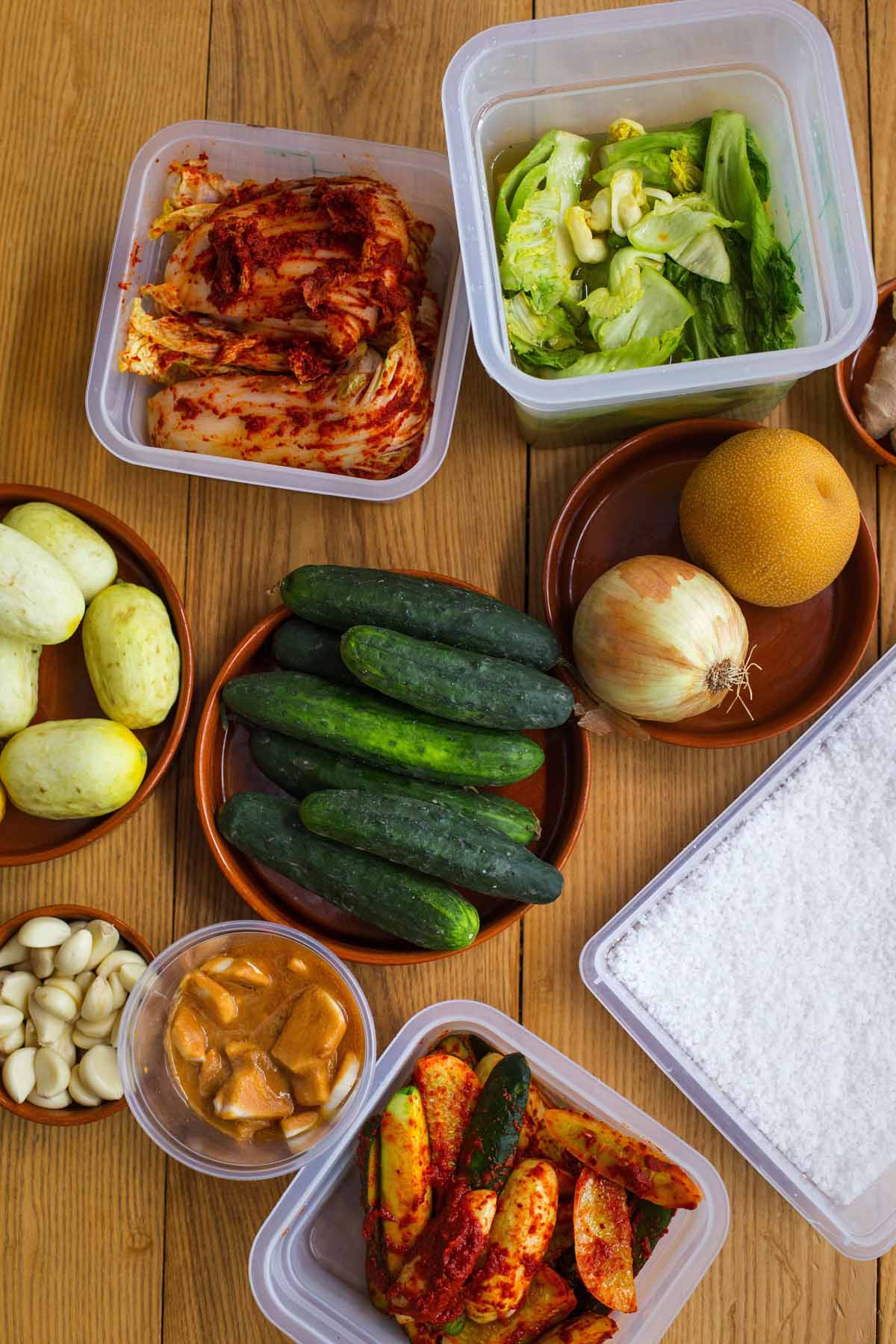
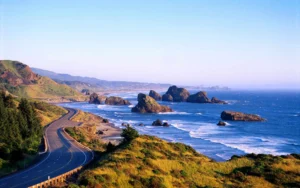
From the misty coastline of Oregon to the vibrant markets of Washington, the food here tells a story of geographical abundance and cultural fusion. If you want to understand what makes this region a paradise for food lovers, let’s dive into the flavors, philosophies, and staples that define northwest usa cuisine.
The Pillars of Northwest USA Cuisine
At its core, pacific northwest food culture is defined by hyper-locality. Long before “farm-to-table” became a global restaurant buzzword, it was simply a way of life in the region. The unique geography—bordered by the cold waters of the Pacific Ocean and blessed with fertile volcanic valleys—creates an ingredient-driven kitchen.
1. The Bounty of the Sea
You cannot talk about northwest usa cuisine without putting seafood front and center. Wild Pacific salmon is the undisputed king here, celebrated not just as food, but as a cultural icon with deep Indigenous roots. Whether it’s cedar-plank grilled, cold-smoked, or baked to flaky perfection, salmon is a local religion. Beyond salmon, the region boasts world-class Dungeness crab, geoduck, Penn Cove mussels, and a staggering variety of cold-water oysters harvested straight from the pristine bays.
2. Foraged and Wild Ingredients
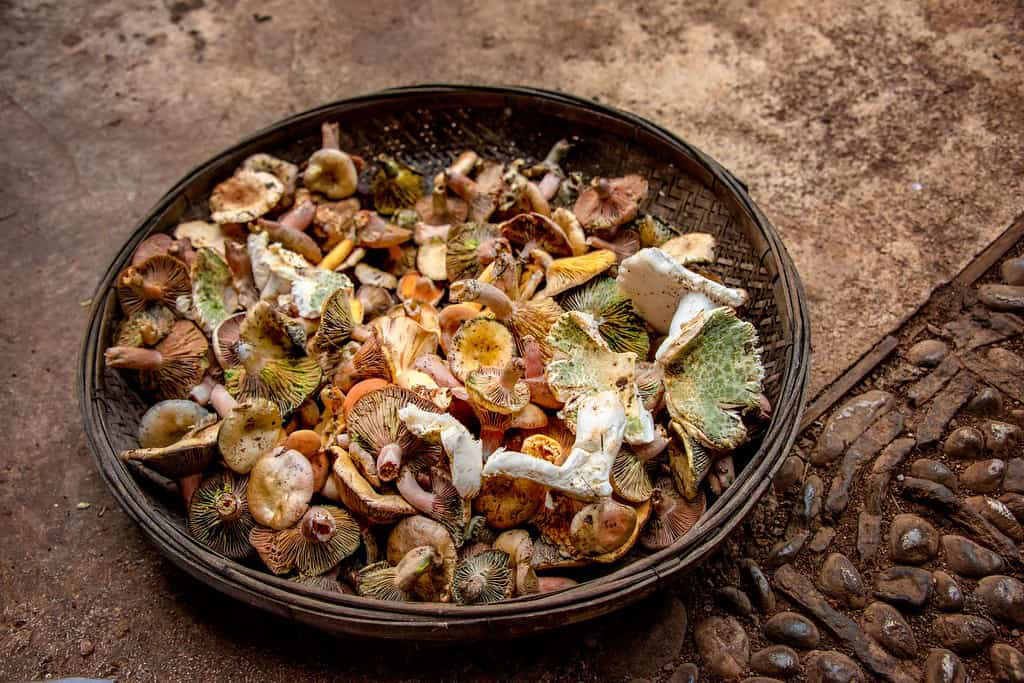
The damp, dense forests of the Pacific Northwest are a goldmine for foragers. As soon as the rainy season hits, chefs and locals head into the woods to hunt for wild chanterelles, morels, and matsutake mushrooms. Spring brings wild ramps and fiddlehead ferns, while summer blankets the hillsides in wild blackberries, huckleberries, and marionberries. This connection to wild, uncultivated food gives the local diet an earthy, rustic soul.
3. A Paradise for Liquid Assets
The drinks here are just as famous as the food. The region’s microclimate produces some of the finest hops in the world, fueling a legendary craft beer movement. Simultaneously, the Willamette Valley in Oregon is globally revered for its elegant Pinot Noir, while Washington’s Columbia Valley produces bold, world-class Cabernets and Syrahs. And, of course, there is the coffee—an obsession that goes far beyond a morning caffeine fix into a highly technical craft.
Two Cities, Two Distinct Styles: Seattle vs. Portland
To truly appreciate the region’s culinary diversity, you have to look at its two urban anchors. While they share the same eco-conscious DNA, they express it in beautifully different ways.
The Seattle Food Guide: Sophisticated Sea-to-Table
Any definitive seattle food guide must begin at Pike Place Market, where the energy of flying fish and stacks of fresh produce set the culinary tone for the city. Seattle’s food scene seamlessly blends its maritime abundance with rich immigrant histories.
The city’s proximity to the Pacific Rim has deeply infused Asian culinary traditions into the local palate. Here, you’ll find high-end sushi spots serving locally caught geoduck, Vietnamese pho joints utilizing premium Washington beef, and Filipino fusion eateries redefining comfort food. Seattle leans toward a sophisticated, chef-driven approach where global techniques elevate local, raw ingredients.
The Portland Food Scene: Indie, Casual, and Unapologetic
Three hours south, the portland food scene trades sleek dining rooms for a more rebellious, casual, and highly creative vibe. Portland is world-renowned for its food cart culture. Instead of isolated trucks, the city features “pods”—permanent clusters of dozens of carts where aspiring chefs experiment with everything from authentic regional Thai food to vegan comfort food experiments.
Portland’s culinary ethos is fiercely independent and highly collaborative. There is a massive emphasis on DIY culture, fermenting, pickling, and hyper-local sourcing. It’s a city where a casual food truck dinner can easily rival a Michelin-starred meal in complexity and flavor.
Why It Stands Out in the US Food Landscape
What truly isolates pacific northwest food culture from the rest of the United States is the lack of rigid pre-existing culinary rules. Unlike European regions or even the American South, which are bound by centuries of strict culinary tradition, the Northwest is relatively young.
This youth has fostered a spirit of culinary freedom. Chefs feel entirely comfortable pairing Japanese umami flavors with native wild berries or infusing local craft beer into French classic sauces. Coupled with a population that genuinely values environmental sustainability, organic farming, and supporting local purveyors, the food scene has become a blueprint for modern, conscious eating in America.

Conclusion
The pacific northwest food culture is a beautiful contradiction: it is casual yet deeply sophisticated, experimental yet fiercely protective of tradition, and globally minded while remaining passionately local. It is a region where nature dictates the menu, and the results are spectacular.
Whether you are using a seattle food guide to navigate the historic seafood stalls of the coast or immersing yourself in the creative chaos of the portland food scene, you are bound to experience a meal that feels alive. For more deep dives into regional American flavors, global culinary trends, and expert recipes, make sure to keep exploring Samppy at samppy.com/food/, where we bring the world’s best food stories straight to your kitchen.
Frequently Asked Questions (FAQs)
1. What is the most iconic dish in Pacific Northwest food culture? While there are many contenders, wild Pacific salmon—particularly when grilled on a cedar plank or smoked—is universally recognized as the definitive dish of the region.
2. How has Asian cuisine influenced northwest usa cuisine? Due to generations of immigration and proximity to the Pacific Rim, Asian culinary traditions are deeply woven into the region’s food fabric. This manifests in a heavy reliance on ingredients like ginger, soy, and miso, alongside a massive, celebrated culture around pho, ramen, teriyaki, and dim sum.
3. Why is Portland so famous for food carts compared to other cities? The portland food scene flourished because the city enacted friendly zoning laws and low-cost permits early on. This allowed chefs to open permanent food cart “pods” with low overhead, encouraging high culinary experimentation, diversity, and affordable prices.
4. What role does coffee play in Seattle’s food identity? Beyond being the birthplace of Starbucks, Seattle pioneered the “Second Wave” and “Third Wave” coffee movements in the US. Coffee in the Northwest is treated like fine wine, with an immense focus on bean sourcing, roasting profiles, and artisan brewing techniques.
5. What is a geoduck, and how do people eat it? Pronounced “gooey-duck,” it is a species of very large, long-lived saltwater clam native to the region. It is prized for its sweet flavor and crunchy texture, and it is most commonly served raw as sashimi, ceviche, or quickly sautéed in butter.