
Fibermaxxing is a viral TikTok health trend in the USA focusing on maximizing dietary fiber intake for improved gut health and energy. Popularized by Gen Z, the trend emphasizes consuming whole foods like chia seeds, berries, and legumes. While beneficial for digestion and skin, experts recommend increasing fiber intake slowly and staying hydrated to avoid bloating. This movement marks a shift from restrictive dieting to functional, abundance-based nutrition.
What Is Fibermaxxing? The TikTok Diet Trend Taking Over America
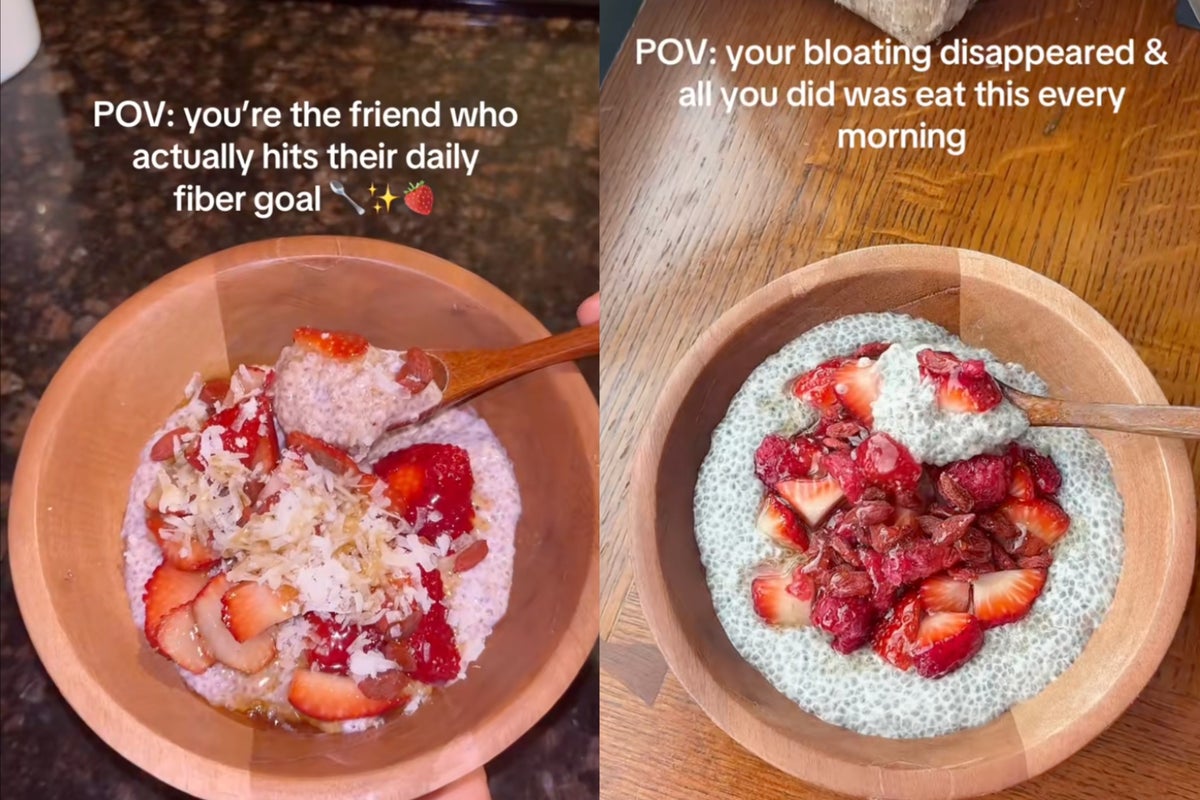
In the ever-evolving world of social media wellness, a new movement is sweeping through kitchens across the country. If you’ve spent any time scrolling through your “For You” page lately, you’ve likely encountered the fibermaxxing trend usa. While previous viral health crazes often focused on restriction or “biohacking” through expensive supplements, this latest phenomenon is surprisingly grounded in a dietary staple our grandparents would recognize. From massive “gut-health” salads to seeds being sprinkled on every conceivable meal, fiber has officially been rebranded for the digital age.
The Rise of Fibermaxxing: From Boring to Viral
For decades, fiber was seen as the “boring” part of nutrition—something associated with cardboard-tasting cereals and digestive aid commercials. However, the fiber tiktok trend has completely flipped the script. Gen Z and Millennial creators are now treating fiber intake as a competitive sport, showcasing vibrant, high-volume meals designed to maximize digestive efficiency and aesthetic wellness.
The term “maxxing” originates from internet subcultures, referring to the act of “maximizing” a specific trait for the best possible results. In this context, it’s about pushing daily fiber intake to the upper limits to unlock benefits like clearer skin, sustained energy, and, most famously, a “flatter” stomach through improved digestion.
Why the High Fiber Diet Gen Z Craze is Exploding
The high fiber diet gen z community isn’t just looking for better digestion; they are looking for holistic health solutions that are accessible. Unlike expensive “superfoods” that require a specialized grocery store, fiber is found in everyday budget-friendly staples.
Several factors have contributed to its viral status:
-
Gut-Brain Connection: Young consumers are increasingly aware of how gut health affects mental clarity and mood.
-
The “Clean Girl” Aesthetic: Fiber-rich foods like raspberries, chia seeds, and leafy greens are naturally photogenic, fitting perfectly into the minimalist, health-conscious aesthetic prevalent on social media.
-
Visible Results: Unlike some vitamins that take months to show results, the digestive benefits of increasing fiber are often felt within days, providing the instant gratification that fuels social media trends.
Essential Fibermaxxing Foods to Add to Your Pantry
If you are looking to join the fibermaxxing trend usa, you don’t need a complicated meal plan. The trend focuses on “crowding in” nutrient-dense options rather than cutting things out. Some of the most popular fibermaxxing foods featured in viral videos include:
-
Chia and Flax Seeds: Often called “fiber bombs,” these are added to overnight oats or smoothies for a massive boost with minimal effort.
-
Raspberries and Blackberries: These are the kings of the fruit world when it comes to fiber-to-calorie ratios.
-
Legumes: Lentils, chickpeas, and black beans are being used as the base for “power bowls” that dominate the fiber tiktok trend.
-
Avocados: A single avocado provides about 10–13 grams of fiber, making it a staple for anyone looking to hit their daily goals.
-
Psyllium Husk: For those truly “maxxing,” this natural supplement is often stirred into water or yogurt to ensure they hit the 30-40g mark daily.

Is it Safe ?” Too much of a good thing ” Rule
While the fibermaxxing trend usa has many benefits, experts warn against “maxxing” too quickly. The human body needs time to adjust to high levels of roughage. A common mistake seen in the high fiber diet gen z videos is people jumping from 10 grams of fiber a day to 50 grams overnight.
To avoid bloating and discomfort, it is essential to increase your intake gradually and—most importantly—drink plenty of water. Fiber acts like a sponge in your digestive tract; without enough hydration, it can lead to the very sluggishness you’re trying to avoid.
The Cultural Impact of the Fiber TikTok Trend
What makes this movement different from the “fad diets” of the past is its focus on abundance. Instead of focusing on what you can’t eat, the fiber tiktok trend encourages users to see how much color and variety they can add to their plates. It’s a shift toward “functional eating” choosing fibermaxxing foods because of what they do for the body, rather than just how they impact the scale.
As this trend continues to grow, we are seeing a shift in American grocery aisles, with more brands highlighting fiber content on their packaging to appeal to the “maxxing” crowd.
Conclusion
The fibermaxxing trend usa represents a refreshing shift in the wellness landscape, prioritizing a fundamental nutrient that has been overlooked for too long. By turning a simple dietary requirement into a social media-friendly lifestyle, creators are helping a new generation take control of their gut health. Whether you’re looking for better energy or just want to try the latest viral recipe, incorporating more fibermaxxing foods is a trend that actually has the science to back it up. For more guides on the latest American food trends and healthy living, stay tuned to Samppy, where we keep you updated on everything happening in the world of food and nutrition.
FAQs
1. What exactly is fibermaxxing?
It is a conscious effort to “max out” your fiber intake by prioritizing fiber-rich foods in every meal. The goal is to close the “fiber gap,” as 95% of Americans don’t meet basic daily requirements.
2. What are the main benefits?
Beyond just better digestion and regularity, fibermaxxing is popular for its “natural Ozempic” effect. High fiber levels trigger GLP-1 hormones, which increase satiety (fullness) and help stabilize blood sugar, making weight management easier.
3. Can you eat too much fiber?
Yes. While the goal is to hit the recommended 25–38 grams, some influencers push for 50–70 grams. Going too high too fast can lead to uncomfortable side effects like severe bloating, gas, stomach cramps, and even diarrhea or constipation.
4. How do I start safely?
The golden rule is “low and slow.” Experts recommend increasing your intake by only about 5 grams per week to let your gut microbiome adjust. It is also vital to increase your water intake simultaneously, as fiber needs water to move through your system.
5. Are there any risks?
Yes. Increasing fiber too quickly can cause severe bloating, gas, and cramps. To avoid this, you must increase your water intake as you add more fiber.