

Many coffee enthusiasts ask, can cream be used in a latte recipe without overpowering the espresso? Traditional lattes are made with steamed milk, which balances espresso’s bold flavor. Cream, with its higher fat content, delivers a richer, silkier, and more indulgent drink. When used correctly, cream enhances both the texture and flavor of a latte without masking the espresso’s aroma.
For those experimenting with latte recipes at home, exploring different coffee cream options can elevate the experience. From heavy cream to half-and-half or dairy-free alternatives, each choice affects creaminess, mouthfeel, and overall taste.
Using cream thoughtfully can transform a regular latte into a luxurious, café-style treat.Many home baristas often wonder, can cream be used in a latte recipe, especially when trying to create dessert-style drinks at home. Understanding how cream interacts with espresso is key to mastering richer lattes.
How Cream Affects Latte Texture and Mouthfeel
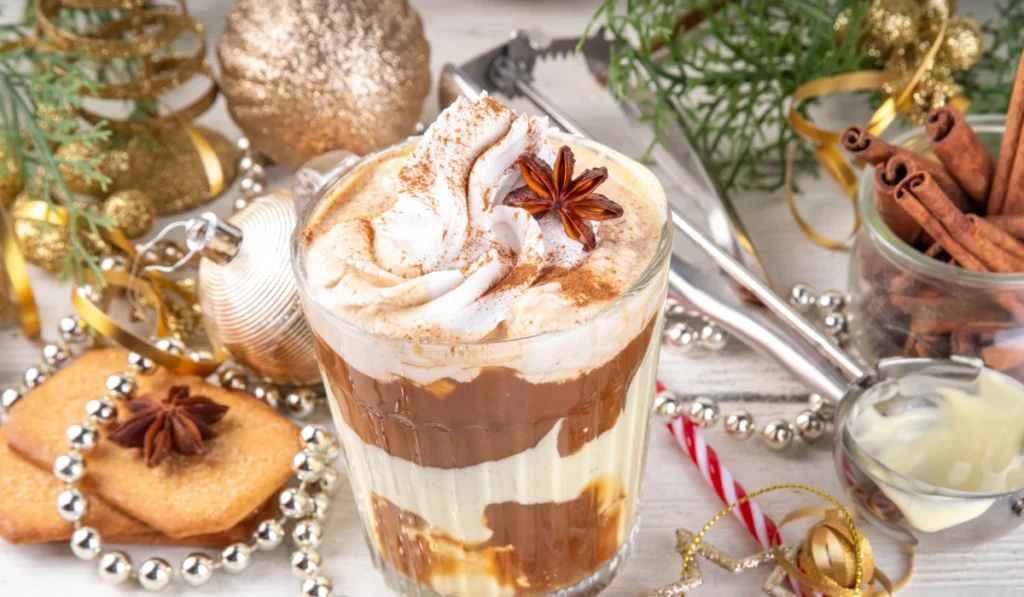
Cream changes the way a latte feels in the mouth. Unlike milk, which produces light foam and a subtle texture, cream coats the palate, creating a fuller, velvety sensation. This richness appeals to those seeking indulgent drinks.However, cream does not froth as easily as milk, which can make achieving microfoam challenging.
For smoother texture, combining cream with frothing milk alternatives such as oat milk, almond milk, or soy milk is effective. This approach allows you to maintain creaminess while creating a lighter, more stable foam perfect for specialty latte recipes.
Using cream also affects perceived sweetness and mouthfeel, naturally softening espresso’s acidity. Experimenting with different coffee cream options allows home baristas to tailor their lattes for flavor, texture, and presentation.
Best Types of Cream for Latte Recipes at Home
Choosing the right cream is critical for a smooth, balanced latte. Various coffee cream options perform differently under heat:
-
Heavy cream: Richest flavor; should be diluted with milk for balance
-
Half-and-half: Medium fat content; smooth and consistent, great for beginners
-
Light cream: Easier to steam and control; ideal for experimentation
-
Dairy-free creamers: Almond, coconut, or oat creamers; may require testing
For beginners, half-and-half is often the safest choice. It adds creaminess without overpowering espresso and works well in a wide range of latte recipes.
How to Steam Cream Properly for Smooth Latte Recipes
Steaming cream requires precision because it heats faster than milk. Overheating can separate the fat, resulting in an oily texture. Follow these expert tips:
-
Use lower steam pressure for better control
-
Heat only until warm; do not boil
-
Swirl gently to maintain texture
-
Avoid over-aeration
Blending cream with frothing milk alternatives can help maintain foam while keeping the drink rich and luxurious. Timing is also essential: introduce cream after pulling your espresso shot and steam just enough to enhance texture. Following these steps ensures even beginners can achieve professional-quality lattes.
Cream vs Milk in Latte Recipes: A Practical Comparison
Milk and cream produce very different experiences:
-
Milk: Highlights espresso flavors, lighter texture, easier to froth, suitable for daily drinking
-
Cream: Rich, indulgent, thicker, dessert-style, harder to foam
Choosing between milk and cream is like selecting Hamburg places to visit: preference and context matter. Milk works for everyday consumption, while cream elevates special latte recipes.
Many home baristas combine milk and cream to balance foam and richness, creating a luxurious latte with professional texture and flavor.
Health and Nutritional Considerations of Using Cream

Cream has a higher fat and calorie content than milk. However, moderate use adds richness and also reduces coffee acidity, making it gentler on the stomach. On the other hand, overuse may negatively affect dietary goals, such as increasing caloric intake or cholesterol levels. Therefore, it is important to enjoy cream in moderation while maintaining a balanced diet.
Being mindful of portion mirrors careful planning when exploring Hamburg places to visit: enjoy fully, but responsibly. Lighter cream or frothing milk alternatives can provide a healthier option while still delivering satisfying texture in your latte recipes. For those interested in style inspiration while sipping coffee, check out our guide on long curly men’s hairstyles to complete your trendy look.
Expert Tips to Balance Cream-Based Latte Flavor
Professional baristas treat cream as a complement, not a replacement. Tips for success:
-
Start with small amounts, adjust gradually
-
Combine cream with milk for balance
-
Pair cream with darker espresso roasts
-
Use frothing milk alternatives for improved foam
Applying these strategies elevates your latte recipes to a professional level, producing drinks that are smooth, visually appealing, and flavorful.
Common Mistakes When Using Cream in Latte Recipes
Even experienced coffee enthusiasts make mistakes:
-
Using undiluted heavy cream
-
Overheating during steaming
-
Ignoring espresso strength
-
Expecting traditional latte foam
Avoiding these mistakes ensures your cream-based latte has proper texture, balanced flavor, and a professional look.
Cream-Based Lattes in Coffee Culture
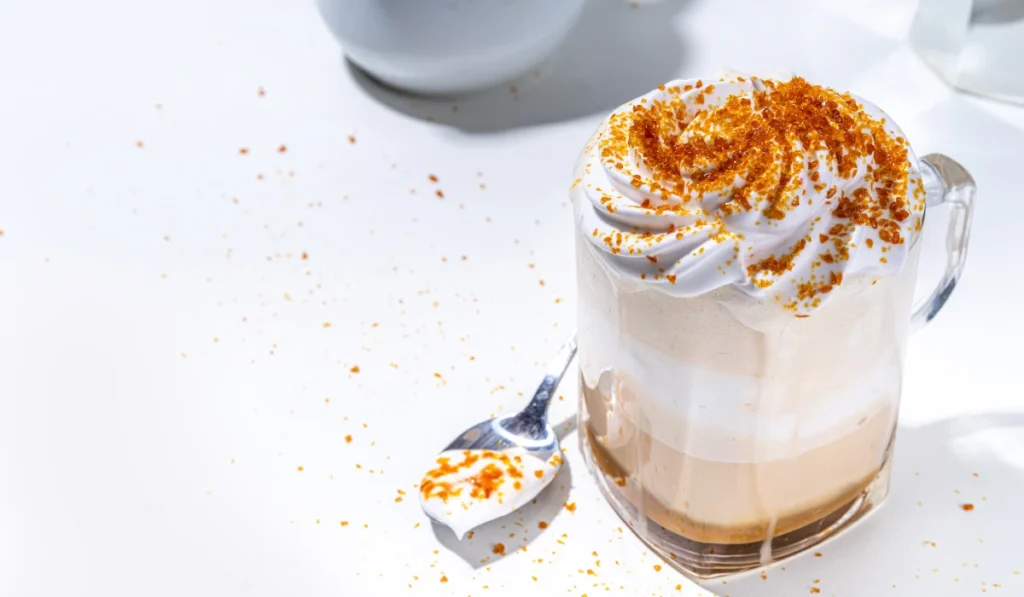
Cream-based lattes are trending in specialty cafés and home brewing communities. They offer dessert-like richness appealing to coffee lovers. Seasonal drinks often use cream as a base, allowing for creative latte recipes, while inspiring new flavor combinations for home baristas.
Like travelers exploring unique Hamburg places to visit, coffee enthusiasts continually experiment with new flavors, textures, and presentations. Meanwhile, cream enables innovation while maintaining balance in both taste and visual appeal, allowing baristas to craft signature drinks that stand out.
When Should You Choose Cream Over Milk in a Latte?
Cream works best for indulgent or dessert-style drinks, while milk suits everyday consumption. Mixing cream and milk allows control over texture, foam, and richness.
-
Use cream for special occasions
-
Choose milk for daily balance
-
Mix both for customized latte recipes
-
Include frothing milk alternatives for creative foam
Knowing when to use cream enhances flavor and prevents overuse.
Creative Latte Recipes Using Cream
Adding cream unlocks a variety of indulgent latte recipes:
-
Vanilla Cream Latte: Heavy cream with vanilla syrup
-
Caramel Cream Latte: Half-and-half with caramel drizzle
-
Pumpkin Cream Latte: Light cream with pumpkin spice
-
Mocha Cream Latte: Cream with chocolate syrup and espresso
Using frothing milk alternatives adjusts foam, texture, and flavor for a café-quality experience at home.
FAQs
Can I use cream instead of milk in a latte?
Yes, but dilute with milk or water for balance.
Does cream make a latte sweeter?
Cream adds richness, not sugar-based sweetness.
Is cream harder to steam than milk?
Yes, it requires careful temperature control and gentle aeration.
How much cream should I use in one latte?
One to two tablespoons is enough for enhanced texture.
Can cream be combined with non-dairy milk?
Yes, combining cream with frothing milk alternatives creates balanced foam and flavor.
Can cream be used in iced lattes?
Yes, cream can enrich cold lattes, but stir well to avoid separation.
Ultimately, can cream be used in a latte recipe?
Absolutely when handled properly, cream adds richness, texture, and flavor without overwhelming espresso.
Conclusion
The answer to whether cream can be used in a latte recipe is yes; however, it must be applied correctly. When used thoughtfully, cream transforms a regular latte into a luxurious experience while still preserving espresso’s bold flavor. Although milk remains ideal for everyday drinks, cream adds depth and indulgence, especially for special occasions or dessert-style lattes. For more creative ideas and recipes that elevate everyday drinks, check out AI Dente Diva Food and Recipes.
Just as selecting the best Hamburg places to visit depends on taste and context, similarly, choosing between cream or milk in latte recipes depends on personal preference, occasion, and preparation technique. Ultimately, with proper care and attention, cream elevates any latte into a rich, enjoyable, and visually appealing beverage.