
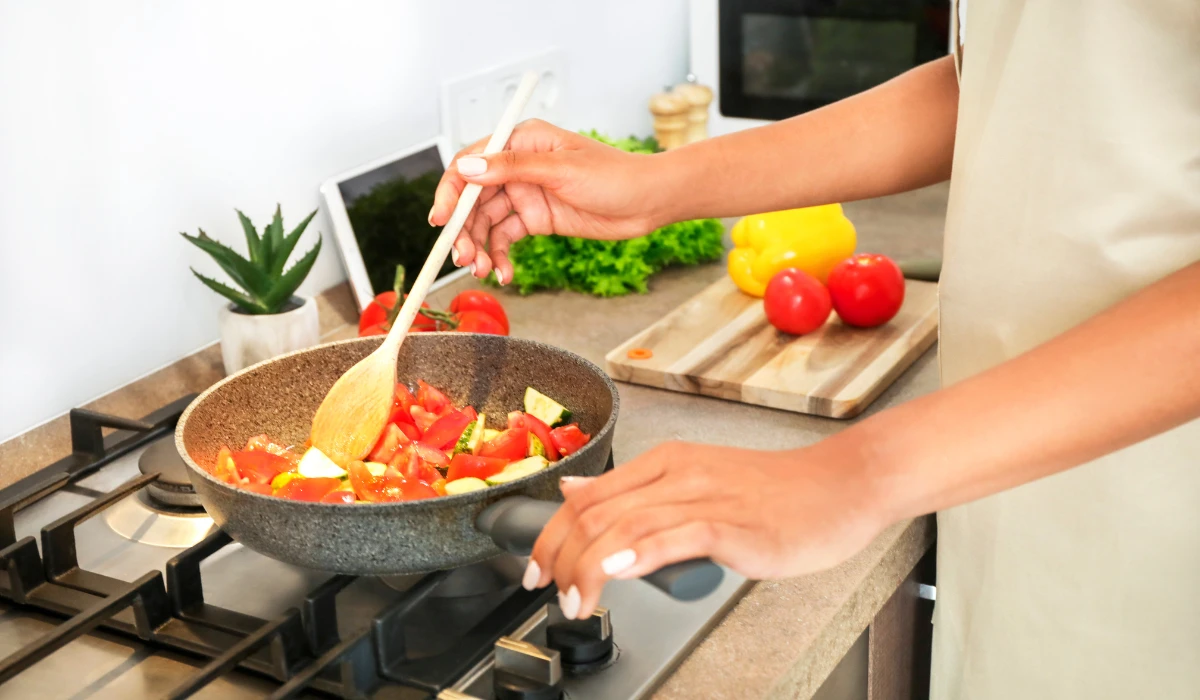
Healthy cooking plays a powerful role in shaping long-term wellness, and understanding the meaning behind every method helps you make better decisions in the kitchen. In this guide, we will define each healthy cooking technique clearly so you can cook confidently without compromising flavor or nutrition. Although many travelers exploring Hamburg places to visit look for wholesome meals, the core of healthy eating starts with technique not location. When you master the fundamentals of healthier cooking, you enhance your meals while supporting energy, digestion, and overall well-being.
Knowing how to define each healthy cooking technique also helps you understand why certain foods retain more nutrients when steamed, poached, roasted, or lightly sautéed. These choices shape how your body absorbs vitamins, how your metabolism responds, and how satisfied you feel. This article breaks down each method in detail so you can choose what works best for your lifestyle.
Why Healthy Cooking Techniques Matter
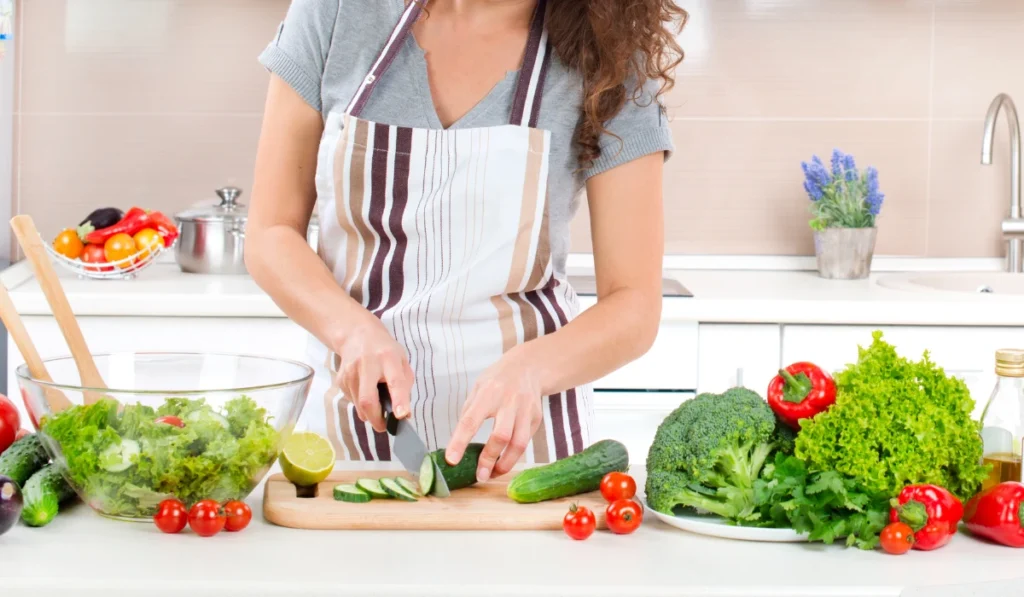
Healthy cooking supports long-term health, whether at home or while exploring Hamburg places to visit. By defining each healthy cooking technique, you preserve nutrients, enhance flavor, and improve digestion. It also helps create meals that are satisfying, wholesome, and easy to maintain daily.
Furthermore, healthy cooking supports weight management, reduces the risk of chronic diseases, and enhances overall food quality. By choosing the right methods, you avoid excess fats, harmful compounds, and unnecessary calories. Even simple adjustments like opting for steaming instead of frying can improve your diet dramatically.
Steaming for Maximum Nutrient Retention
Steaming is one of the healthiest ways to cook because it relies solely on vaporized water, which gently cooks ingredients without removing essential nutrients. Vegetables, fish, and poultry maintain their natural colors and textures while avoiding the nutrient loss that comes from boiling.
Steaming requires no added oil, making it naturally low in calories while still delivering fresh and clean flavors. It is ideal for busy individuals who want nutritious meals without complicated procedures. When you define each healthy cooking technique, steaming often stands out as one of the most efficient and reliable methods for nutrient preservation.
Poaching for Tender, Low-Fat Meals
Poaching uses gently simmering liquid, such as broth or water, to cook food slowly. This method prevents proteins from becoming tough or dry. It is perfect for eggs, fish, and chicken because it preserves moisture without requiring added fats. Poaching also allows delicate flavors to infuse naturally, creating light and aromatic dishes.
Poaching also absorbs natural flavors from herbs and spices, creating aromatic dishes with minimal calories. Because the temperature stays low, vitamins and minerals remain intact. This makes poaching a dependable choice for heart-healthy and weight-friendly meals.
Grilling With a Health-Focused Approach
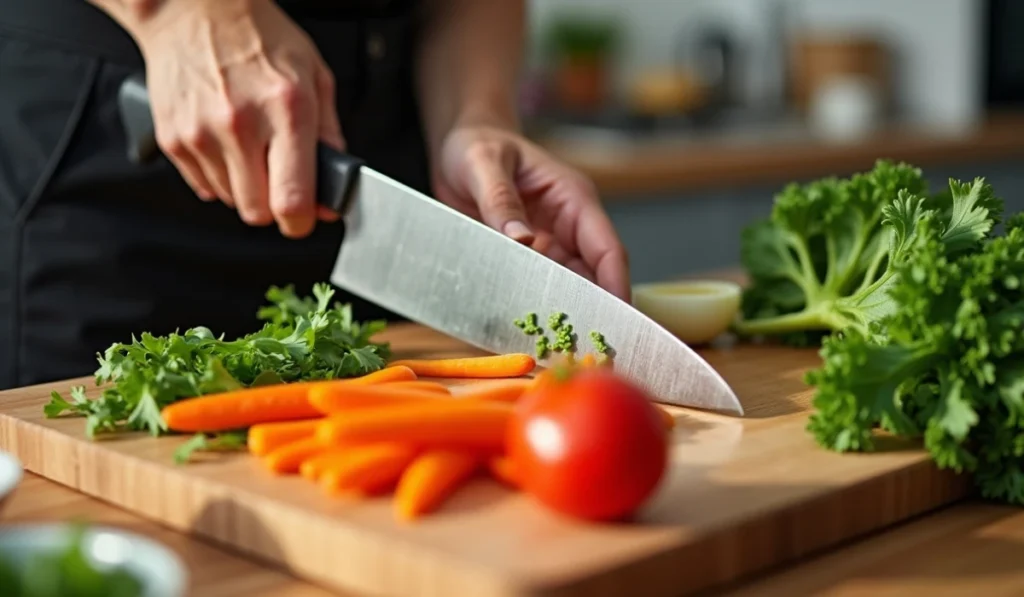
Grilling introduces smoky depth and bold flavor, but doing it the right way keeps the process healthy. Here is a short explanation followed by bullet points: Grilling allows excess fat to drip away, making meals leaner and more nutritious. It also enhances natural flavors, giving food a satisfying taste without added calories.
Grilling exposes food to direct heat, creating appealing textures and aromas. However, controlling temperature and reducing charring keeps the meal nutritious and safe. Additionally, adding herbs or marinades can enhance flavor without increasing fat or calories.
Healthier Grilling Tips:Define Each Healthy Cooking Technique
-
Select lean protein to reduce flare-ups
-
Marinate meats to lower harmful compounds
-
Preheat the grill for even cooking
-
Add vegetables for fiber-rich meals
-
Avoid burning or excessive char
Sautéing With Minimal Oil
Sautéing is a quick, flavorful technique often used for vegetables, seafood, and lean meats. Keeping the method healthy depends on using small amounts of high-quality oils and maintaining moderate heat. This approach preserves nutrients while creating appealing textures and vibrant flavors.
How to Make Sautéing Healthier:Define Each Healthy Cooking Technique
-
Use olive or avocado oil sparingly
-
Preheat the pan to prevent sticking
-
Add vegetables for antioxidants
-
Stir continuously to avoid burning
-
Keep cooking time short
Roasting for Rich Flavor and Balanced Nutrition
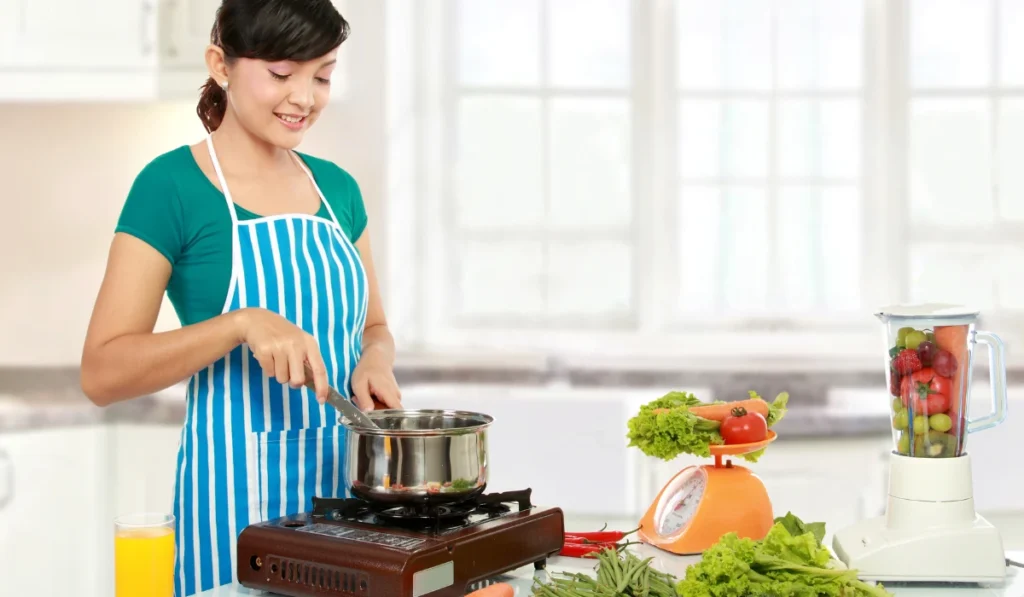
Roasting enhances natural sweetness through dry, consistent heat. It works well for vegetables, root crops, poultry, and whole grains. A light brush of oil helps with caramelization, though roasting generally requires much less fat than frying. This method also intensifies flavors while preserving essential nutrients and textures.
Roasted vegetables remain high in fiber and minerals. Their deep, hearty flavor makes them an excellent side dish for balanced diets. When you define each healthy cooking technique, roasting emerges as a versatile method that suits both simple meals and special occasions.
Braising for Slow, Wholesome Cooking
Braising blends dry and moist heat by searing ingredients before simmering them in liquid. This technique is perfect for tougher cuts of meat or dense vegetables because it breaks down fibers gently without excessive oil. It also allows flavors to meld deeply, creating rich and satisfying dishes.
Slow, low-temperature cooking helps ingredients release their natural juices, creating rich, nutritious sauces. Braising retains vitamins, enhances flavor, and produces tender meals ideal for comforting home cooking. It’s also an excellent method for preparing meals in advance, as flavors continue to develop over time.
Stir-Frying for Quick, Vibrant Meals
Stir-frying uses high heat and rapid movement to cook ingredients quickly. This keeps vegetables crisp and packed with nutrients. Only a small amount of oil is required, making it a healthier alternative to pan-frying or deep frying. Additionally, the short cooking time helps preserve vibrant colors and essential antioxidants.
Tips for Healthier Stir-Frying:Define Each Healthy Cooking Technique
-
Cut ingredients evenly for consistency
-
Add vegetables early to retain crunch
-
Use lean proteins like chicken or tofu
-
Avoid heavy sauces
-
Keep cooking time brief
Baking for Consistent, Low-Fat Results
Baking cooks food with dry heat, distributing warmth evenly throughout the dish. It is ideal for vegetables, poultry, fish, and whole-grain recipes. Unlike frying, baking requires little to no added oil. Moreover, this method helps maintain natural textures while reducing unnecessary calories.
Healthy Baking Tips:Define Each Healthy Cooking Technique
-
Choose whole-grain flours
-
Replace high-fat dairy with lighter alternatives
-
Use spices for flavor instead of sugar
-
Bake at moderate temperatures
-
Use parchment paper to reduce oil usage
FAQs
1. Why is it important to define each healthy cooking technique?
It helps you choose the best method to retain nutrients, reduce fat, and improve overall food quality.
2. Which method is best for vegetables?
Steaming and stir-frying preserve vitamins and color.
3. Does healthy cooking help with weight control?
Yes, because it reduces calorie intake and maintains nutritional value.
Conclusion:Define Each Healthy Cooking Technique
Understanding healthy cooking techniques like steaming, poaching, roasting, and baking boosts meal quality and preserves nutrients, enhancing both flavor and wellness. Learn more about applying wholesome recipes for pets in our guide: nutritious homemade dog recipes.
Whether you cook at home or enjoy meals during your travels, including visits to popular Hamburg places to visit, these techniques ensure your diet remains balanced and nourishing. By applying these methods consistently, you can enjoy healthier, more satisfying meals every day, like trying a Blackened Chicken Salad recipe from Whole Foods to boost nutrition and flavor.