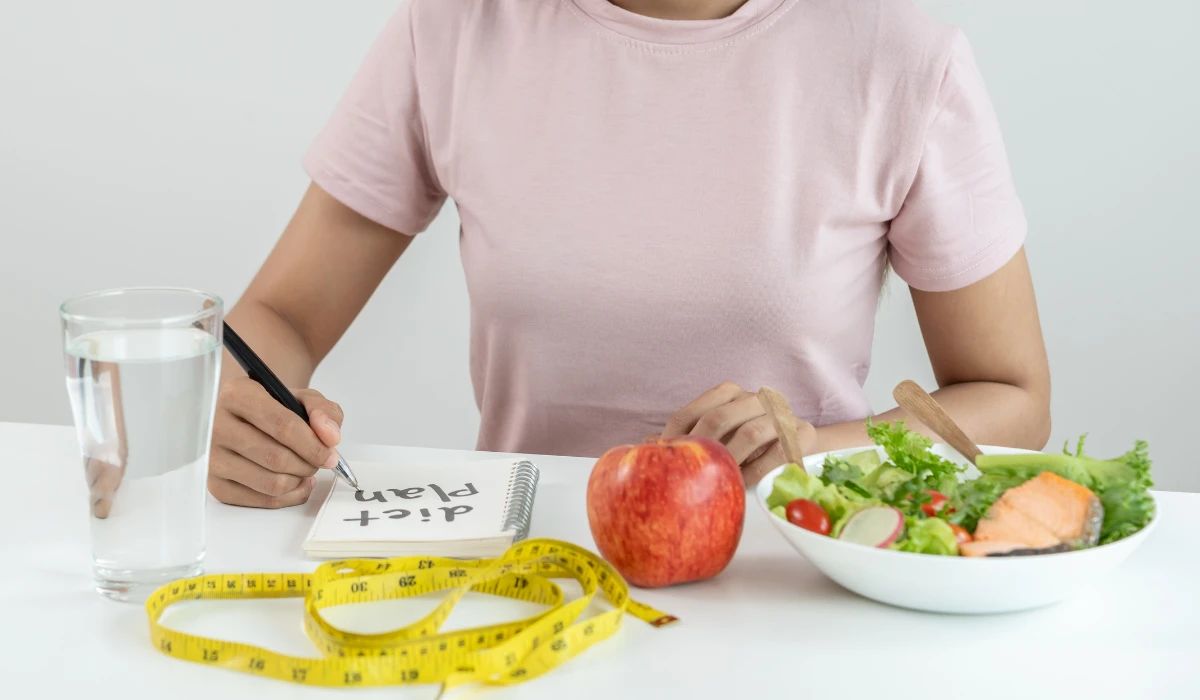
The GAPS diet, short for Gut and Psychology Syndrome, is designed to restore gut health, improve digestion, and support overall well-being. By focusing on nutrient-dense foods and eliminating processed items, the GAPS diet allows the digestive system to heal while providing essential vitamins and minerals. Recipes for GAPS diet are often simple, wholesome, and easy to prepare, making it accessible for people seeking better gut health.
Following this diet not only aids digestion but also enhances mental clarity and boosts the immune system. The key is to incorporate homemade, natural foods like bone broths, fermented vegetables, and healthy fats. As you explore these recipes, you’ll notice improvements in energy levels and a reduction in inflammation.
Understanding the Core Principles of the GAPS Diet
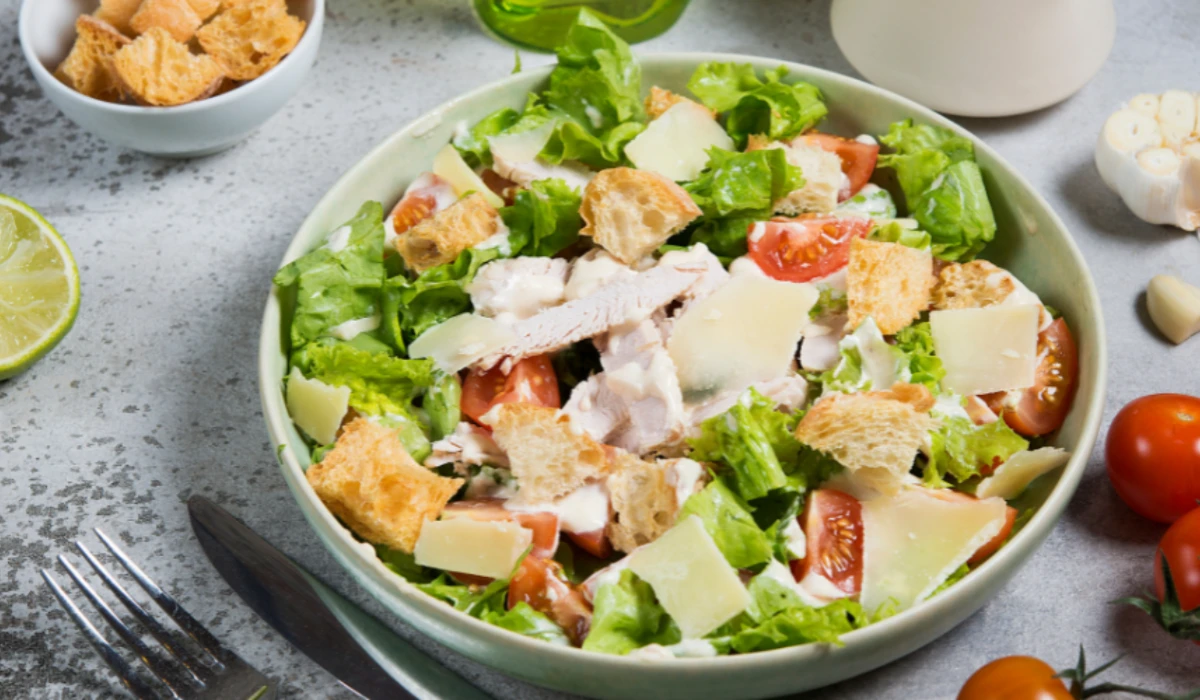
The GAPS diet emphasizes whole, unprocessed foods to nourish the gut lining and promote healthy digestion. Recipes for GAPS diet primarily include bone broths, fermented foods, meats, fish, vegetables, and natural fats. By avoiding grains, sugar, and processed foods, the diet reduces inflammation and balances gut bacteria.
Another essential principle is the use of homemade, nutrient-rich recipes. Slow-cooked chicken soup with vegetables provides essential nutrients while soothing the digestive tract. Recipes for GAPS diet focus on natural ingredients that are easy to digest, ensuring that the body absorbs the maximum nutrients without overloading the gut. By adhering to these principles consistently, the benefits extend beyond digestion, improving energy levels and mental clarity.
Best Bone Broth Recipes for Gut Healing
Bone broth is the foundation of many GAPS diet recipes due to its healing properties. Rich in collagen, amino acids, and minerals, bone broth supports gut lining repair and strengthens the immune system. Using grass-fed beef or free-range chicken bones and simmering them for at least 12 hours ensures maximum nutrient extraction.
Adding vegetables such as carrots, celery, and onions enhances flavor and nutrient content, while a splash of apple cider vinegar helps release minerals from the bones. Bone broth can be consumed on its own or used as a base for soups and stews, making it a versatile addition to daily meals. Storing it in jars in the refrigerator for up to a week or freezing for later use ensures convenience.
How to Make Bone Broth Easily
-
Use grass-fed or free-range bones for optimal nutrients.
-
Simmer for at least 12 hours to extract minerals.
-
Add carrots, celery, and onions for flavor and vitamins.
-
Include a splash of apple cider vinegar to help release minerals.
-
Drink it on its own or use as a soup/stew base.
Top Fermented Foods to Include in the GAPS Diet
Fermented foods provide probiotics that restore healthy gut bacteria and improve digestion. Incorporating these recipes for GAPS diet ensures enhanced immunity and better nutrient absorption. Classic examples include sauerkraut made from fresh cabbage, kimchi with garlic, ginger, and chili, and fermented carrots spiced for added flavor.
Yogurt and kefir from whole milk, if tolerated, offer a creamy source of probiotics, while pickled cucumbers with garlic and dill provide a tangy, gut-friendly snack. Consuming small servings daily can significantly improve gut health, especially when paired with other nutrient-dense meals.
Nutrient-Dense Meat and Fish Recipes
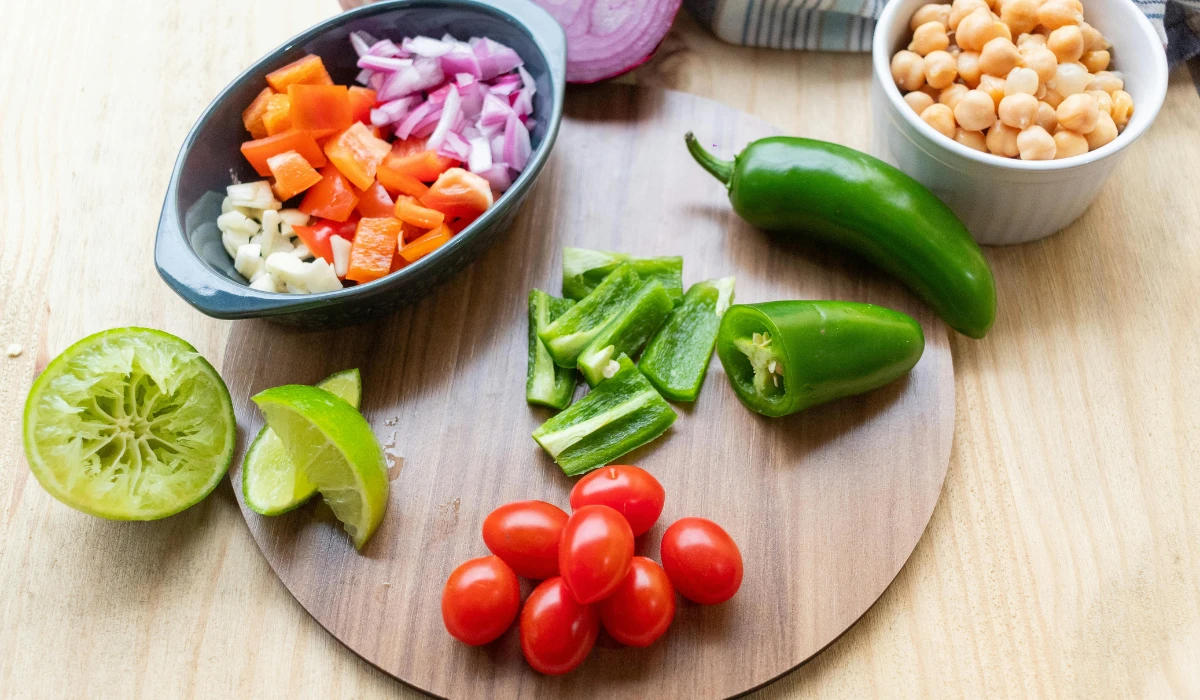
Meats and fish provide high-quality protein essential for gut healing and overall health. Recipes for GAPS diet prioritize organic or grass-fed options to maximize nutrient intake. Slow-cooked lamb stew with root vegetables and herbs is an excellent example. The slow cooking process breaks down connective tissue, making the meat easier to digest and increasing the bioavailability of nutrients.
Similarly, baked salmon with olive oil and herbs provides omega-3 fatty acids, which help reduce inflammation and support brain function. Incorporating organ meats, such as liver, further enhances nutrient intake, as liver is rich in iron, vitamin A, and B vitamins, supporting energy production and overall well-being while adhering to GAPS diet principles.
Quick Meat and Fish Options for GAPS Diet
-
Slow-cooked lamb stew with root vegetables for easy digestion.
-
Baked salmon with olive oil and herbs for omega-3 support.
-
Organ meats like liver for iron and vitamin A.
-
Chicken or turkey cooked in bone broth for added nutrients.
-
Fish patties or baked fish with herbs for a light, healing meal.
Simple Vegetable-Based Recipes
Vegetables are vital in recipes for GAPS diet, providing fiber, vitamins, and minerals while aiding digestion. Focus on non-starchy options for optimal gut support. Steamed broccoli and zucchini drizzled with olive oil offer both taste and nutrients. Cauliflower mash serves as a low-carb alternative to potatoes, and spinach sautéed in ghee with garlic provides a flavorful, nutrient-rich side.
Pumpkin soup made with bone broth delivers a gut-friendly meal, while roasted bell peppers stuffed with minced meat offer a satisfying dish. Using seasonal vegetables ensures freshness and flavor. Discover similar wholesome dishes at restaurants in Safford.
Healing Desserts Compatible with the GAPS Diet
GAPS-friendly desserts provide satisfaction without harming gut health. Recipes for GAPS diet often use natural sweeteners like honey or ripe fruits instead of refined sugar. A protein blueberry muffin recipe uses almond flour, eggs, and fresh blueberries to create a nutrient-rich treat. A sugar-free lemon cake sliced with iced glaze recipe, made with coconut flour, eggs, and lemon zest, offers a refreshing dessert option.
Banana bariatric shake recipes blend ripe bananas with coconut milk, cinnamon, and protein powder suitable for GAPS, providing a sweet, nourishing shake. These desserts are both delicious and supportive of gut healing, allowing you to enjoy treats without compromising health.
Easy Healing Desserts for GAPS Diet
-
Protein blueberry muffins made with almond flour and fresh berries.
-
Sugar-free lemon cake sliced with iced glaze using coconut flour.
-
Banana bariatric shakes with coconut milk and cinnamon.
-
Fruit-based puddings or custards with natural sweeteners.
-
Homemade yogurt parfaits with berries for gut-friendly probiotics.
Breakfast Ideas for the GAPS Diet
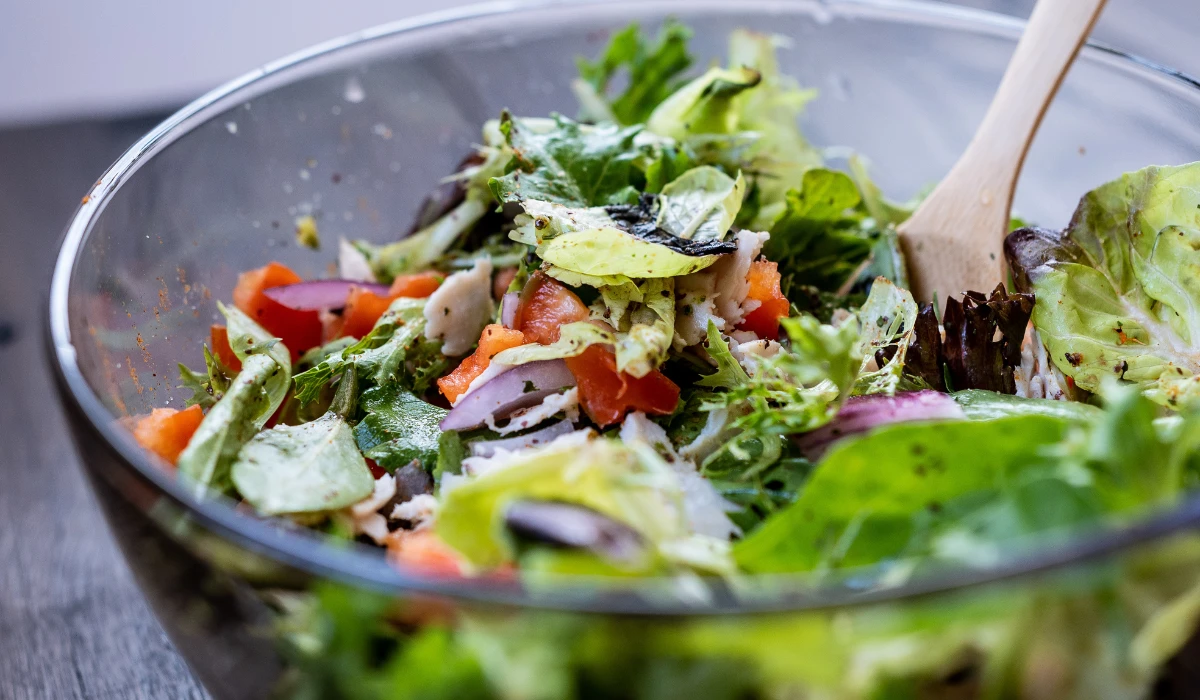
Breakfast sets the tone for a nutrient-rich day. Recipes for GAPS diet focus on high-protein, gut-friendly options that are simple to prepare. Scrambled eggs cooked in ghee with spinach provide protein and healthy fats, while chicken or fish patties served with avocado slices make a filling, nutrient-dense meal.
Coconut milk chia pudding topped with berries offers fiber, omega-3s, and antioxidants, and smoothies made from banana, almond milk, and collagen powder provide a quick, nourishing start. Omelets with mushrooms, onions, and herbs create a versatile breakfast that promotes steady energy, reduces inflammation, and supports digestion throughout the day.
Quick and Easy GAPS Lunch Recipes
Lunch should be both satisfying and healing. Recipes for GAPS diet encourage a balanced combination of protein, vegetables, and healthy fats. Chicken soup with root vegetables and fresh herbs is a comforting, gut-healing option, while salmon salad with olive oil, avocado, and leafy greens delivers essential nutrients. Beef and vegetable stir-fry with coconut aminos is flavorful and easy to prepare.
Zucchini noodles with minced meat and garlic sauce provide a low-carb, nutrient-dense meal, and fermented cabbage salad with roasted chicken adds probiotics and protein. Preparing meals ahead keeps gut health on track. Learn how alcohol affects specialized diets in this guide on the carnivore diet.
Quick Lunch Ideas for GAPS Diet
-
Chicken soup with root vegetables and herbs for gut support.
-
Salmon salad with olive oil, avocado, and leafy greens.
-
Beef and vegetable stir-fry with coconut aminos.
-
Zucchini noodles with minced meat and garlic sauce.
-
Fermented cabbage salad with roasted chicken for probiotics and protein.
FAQs
Q1: Can I use sweeteners in GAPS desserts?
A: Yes, natural sweeteners like honey are allowed in moderation. Avoid refined sugar.
Q2: Are all vegetables allowed on the GAPS diet?
A: Focus on non-starchy vegetables initially. Starchy vegetables can be added gradually in later stages.
Q3: How often should I consume bone broth?
A: Daily consumption is recommended, either as a drink or in soups and stews.
Conclusion
Following the GAPS diet supports gut healing and overall wellness, but it’s also important to consider how lifestyle choices affect digestion. Learn how alcohol impacts specialized diets in our guide on the carnivore diet and alcohol, helping you make informed choices for better health.
Interestingly, while exploring these recipes, many also discover a renewed interest in other activities. For instance, they may start planning trips, and simultaneously, focus on their health. Moreover, finding healthy food options while visiting Hamburg places to visit can be a delightful experience.
In addition, it allows combining wellness with leisure. Consequently, travelers enjoy both nutritious meals and memorable sightseeing. Therefore, planning ahead becomes essential, and ultimately, this approach enhances both well-being and travel enjoyment.