
If you’ve ever looked at your dog’s kibble and thought, “I wonder if I can make something healthier at home?”, you’re not alone. Many pet owners are now exploring a Homemade Dog Food Recipe to give their dogs fresh, nutritious meals.
Cooking at home lets you choose quality ingredients, control portion sizes, and tailor food to your dog’s specific needs. In this guide, I’ll share everything you need, from selecting the right ingredients to preparing safe, tasty, and wholesome meals your dog will actually enjoy.
Why You Should Consider Homemade Dog Food
Let’s face it, not all store-bought dog foods are created equal. While many are convenient, they often contain preservatives, fillers, or low-quality ingredients that can affect your dog’s health over time. When you make food at home, you know exactly what goes into every meal.
Homemade meals can improve energy levels, support digestion, and even help with weight management. You can choose lean proteins, fresh vegetables, and wholesome grains that suit your dog perfectly. Beyond health benefits, it’s also a great way to bond with your furry friend. There’s something incredibly satisfying about seeing your dog enjoy a meal you prepared with care.
Essential Ingredients for Healthy Homemade Dog Meals
The key to a successful homemade dog food recipe is balance. Dogs need a mix of protein, healthy fats, carbohydrates, fiber, and essential vitamins to thrive. Skipping any one of these can cause nutrient gaps, so planning meals thoughtfully is crucial. By paying attention to each ingredient, you can make sure your dog gets the nutrition they need while enjoying every bite.
Proteins: Meat, Eggs, and Fish
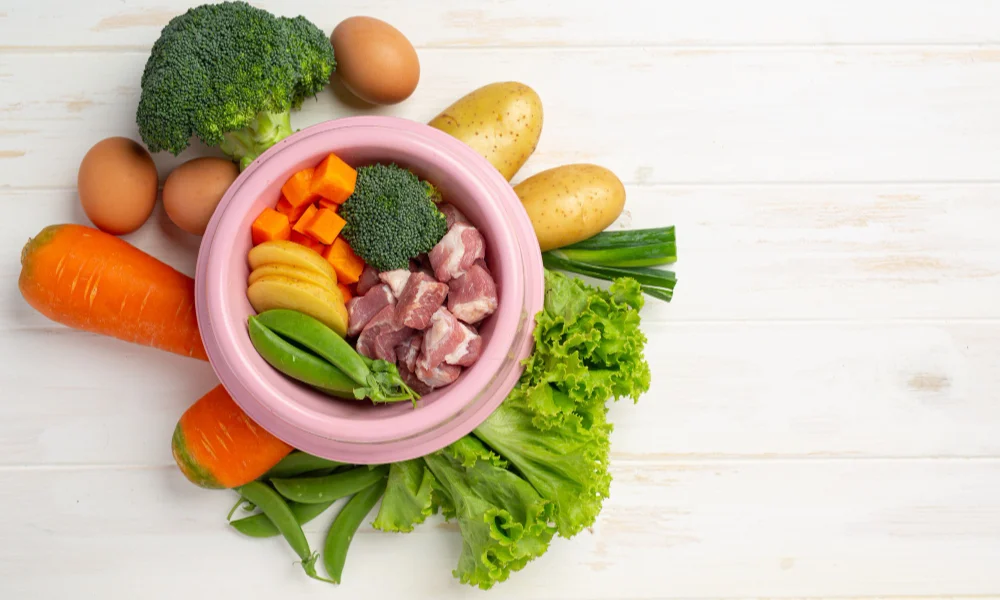
Protein is the most important part of your dog’s diet. Chicken, beef, turkey, and fish are all excellent sources. Eggs are great too, they’re packed with amino acids that support muscle growth and repair. Your dog needs protein for strong muscles, healthy organs, and overall energy. When cooking, always ensure meats are fully cooked without seasoning or spices.
Vegetables and Fruits
Vegetables add fiber and essential nutrients. Carrots, peas, pumpkin, and spinach are safe and tasty. Fruits like apples and blueberries make excellent treats, but should be given in moderation. Avoid grapes, raisins, onions, and garlic; they’re toxic to dogs. Mixing veggies and fruits into meals can aid digestion and provide antioxidants to boost immunity.
Grains and Carbs
Carbs are a source of energy for active dogs. Brown rice, oats, quinoa, and sweet potatoes are all great choices. Cooked grains are easier to digest and keep your dog energized throughout the day. Stick to moderate portions to prevent unnecessary weight gain, and remember that not all dogs require grains; some do better on grain-free diets.
Healthy Fats and Oils
Fats aren’t the enemy; they’re essential. Fish oil, olive oil, and flaxseed oil provide omega-3s, which support brain function, skin, and coat health. A small amount of healthy fat in meals keeps your dog’s coat shiny and soft. Be careful not to overdo it, though, as excess fat can lead to obesity.
Table: Recommended Portion Sizes for a Medium Dog
| Ingredient Type | Serving Size | Notes |
|---|---|---|
| Protein (chicken, beef, fish) | 1 cup (cooked) | Avoid seasoning, cook thoroughly |
| Vegetables | ½ cup | Cook or steam, chop small |
| Grains & Carbs | ½ cup | Fully cooked for easy digestion |
| Fats & Oils | 1 tsp | Add after cooking |
| Fruits | 2–3 small pieces | Treats only, not the main ingredient |
Step-by-Step Homemade Dog Food Recipes
Making dog food at home doesn’t have to be complicated. I’ve tried and tested several recipes that are nutritious, simple, and dog-approved.
Chicken and Veggie Meal
-
Boil 1 cup of chicken until fully cooked.
-
Steam ½ cup of carrots and peas.
-
Mix the chicken and vegetables with 1 tsp of olive oil.
-
Let it cool before serving.
This combination provides lean protein, fiber, and healthy fats for energy. You’ll notice your dog perk up immediately, it’s that good.
Beef and Rice Meal
-
Cook 1 cup of lean beef thoroughly.
-
Boil ½ cup of rice until soft.
-
Add steamed green beans or carrots.
-
Mix and serve warm.
Beef adds amino acids while rice keeps your dog fueled and active. It’s a hearty, filling meal perfect for medium to large dogs.
Fish and Sweet Potato Meal
-
Bake or boil 1 cup of fish, such as salmon or cod.
-
Boil ½ cup of sweet potatoes and mash slightly.
-
Combine fish and potatoes with 1 tsp flaxseed oil.
-
Serve once cooled.
Fish provides omega-3 fats for a shiny coat and brain health. My dog loves this meal; it’s soft, flavorful, and easy to digest. Batch cooking saves time. Store meals in airtight containers in the fridge for up to three days. Freeze extra portions for later; just thaw before serving.
Safety Tips for Homemade Dog Food
Cooking a homemade dog food recipe for your furry friend is incredibly rewarding, but safety should always come first. Some human foods, like chocolate, grapes, onions, and garlic, are toxic and must never be included. Always double-check every ingredient before adding it to your dog’s meals.
Make sure all proteins are fully cooked to avoid bacterial infections. Portion sizes are important too, as overfeeding can lead to obesity, while underfeeding may cause nutrient deficiencies. Supplements can fill in any nutritional gaps, but it’s best to consult your veterinarian before adding them. Following these safety tips ensures your dog enjoys healthy, balanced, and risk-free homemade meals every time.
Nutritional Benefits of Homemade Dog Food
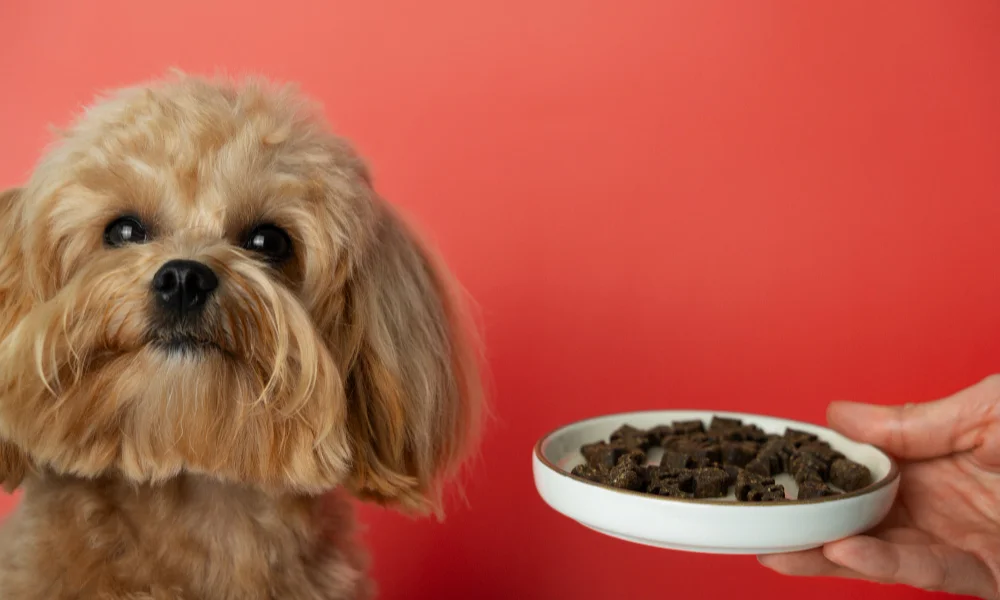
One of the biggest advantages of home-cooked meals is freshness. Your dog gets nutrient-rich foods without fillers or artificial chemicals. Proteins, carbs, and fats are carefully balanced, and you can rotate ingredients for variety. Balanced nutrition supports a healthy coat, strong bones, and better energy levels.
Vegetables and fruits provide fiber and antioxidants. Fats like olive oil or flaxseed support brain and heart health. Over time, you may notice fewer allergies and digestive issues compared to commercial kibble. Feeding fresh, homemade meals can make your dog more energetic, playful, and happy overall.
Common Mistakes to Avoid
Even experienced dog owners make mistakes in homemade cooking. Adding salt, sugar, or spices is a common one. Human seasonings can harm your dog’s liver or kidneys. Portioning errors, too much or too little, can also lead to weight or health issues.
Avoid toxic foods like chocolate, grapes, onions, and processed foods. Skipping vegetables or grains entirely can cause nutrient imbalances. Lastly, sudden changes in diet can upset digestion, so always transition gradually. Paying attention to these details will keep your dog healthy and happy.
Transitioning Your Dog to Homemade Food
Switching from kibble to homemade meals requires patience. Start slowly by mixing small amounts of homemade food with their current diet. Increase homemade portions over 7–10 days. Gradual transitions prevent stomach upset and keep your dog comfortable.
Monitor your dog’s energy levels and stool consistency. Some dogs may benefit from supplements to cover vitamins and minerals. Adjust portions depending on activity, age, and weight. With care, this switch can be smooth and enjoyable for both you and your pet.
Storing and Serving Homemade Meals
Proper storage ensures meals stay safe and tasty. Refrigerate meals in airtight containers for up to three days, or freeze larger batches for convenience. Always serve at room temperature to avoid burning your dog’s mouth.
Clean cooking utensils and surfaces to prevent contamination. Divide portions into daily servings for easy feeding. Label containers with the date so you always know when to use them. Well-stored homemade meals are both safe and convenient.
Frequently Asked Questions
How much homemade dog food should I feed my dog?
Portions vary by size, age, and activity. Medium dogs usually need 1–2 cups per meal. Watch your dog’s weight and adjust portions as needed.
Can I switch from commercial to homemade food safely?
Yes, but do it gradually. Mix increasing homemade portions with decreasing commercial food over 7–10 days. Gradual changes prevent digestive issues and stress.
How can I ensure a balanced diet?
Include proteins, carbs, healthy fats, and fiber in each meal. Rotate ingredients and consult your vet to cover all nutrient requirements. Variety helps prevent deficiencies and keeps meals interesting.
Conclusion
Making a homemade dog food recipe is one of the most rewarding ways to show love and care for your pet. Using fresh ingredients, paying attention to portions, and ensuring balanced nutrition can give your dog more energy, better health, and genuine happiness compared to many commercial foods. By following the recipes and tips shared in this guide, you can prepare meals that are not only safe but also tasty and wholesome.
Natural dog meals help maintain strong bones, a shiny coat, and overall well-being. Start small, try different ingredients your dog enjoys, and take pleasure in knowing you’re feeding them meals made with care. Your dog will respond with wagging tails, happy eyes, and plenty of cuddles, a reward that makes all the effort worthwhile.